 Linyi Xuancheng New Material Co., Ltd.
Introduction: The Wave of Technological Innovation in Green Building Materials
Driven by the global goal of carbon neutrality and China's "dual carbon" strategy, green building materials have emerged as a core focus in the transformation of the construction industry. Wood-plastic profiles, as a new type of eco-friendly material, are gradually replacing traditional wood and plastic products owing to their environmentally friendly characteristic of "substituting wood with plastic," high durability, and low maintenance costs. However, the industry generally faces technical challenges such as complex production processes, unstable product performance, and limited application scenarios. Linyi Xuancheng New Materials Co., Ltd. (hereinafter referred to as "Xuancheng New Materials") has overcome the technological bottlenecks of traditional wood-plastic profiles through continuous technological innovation, creating high-quality products that combine environmental friendliness with practicality, and has become a benchmark enterprise for technological upgrading in the industry. This article will analyze Xuancheng New Materials' technological breakthrough path from dimensions such as technical principles, process innovation, product advantages, and practical applications.
Keywords: wood-plastic profiles, green building materials, co-extrusion process, environmental certification, application scenarios
Opening on the Technical Pain Points of the Industry: The "Triple Dilemma" of Wood-Plastic Profiles
Currently, the wood-plastic profile industry faces three core challenges: First, complex production processes result in high costs. Traditional wood-plastic production involves multiple steps such as mixing, extrusion, cooling, and cutting, with high equipment energy consumption and a high defect rate, directly driving up product costs. Second, unstable product performance limits application scope. Due to unreasonable formulations or process flaws, some wood-plastic profiles exhibit issues like weak UV resistance, susceptibility to deformation, and cracking, making it difficult to meet long-term outdoor usage requirements. Third, inconsistent environmental standards undermine market trust. Some enterprises reduce costs by using inferior raw materials or simplifying production processes, leading to excessive formaldehyde and heavy metal content in products, damaging the industry's overall reputation. For example, a small wood-plastic enterprise failed to pass the EU CE certification, resulting in its products being barred from the EU market and direct losses exceeding 10 million yuan in orders. These pain points not only restrict the widespread adoption of wood-plastic profiles but also hinder the industry's development toward high-end and large-scale operations.
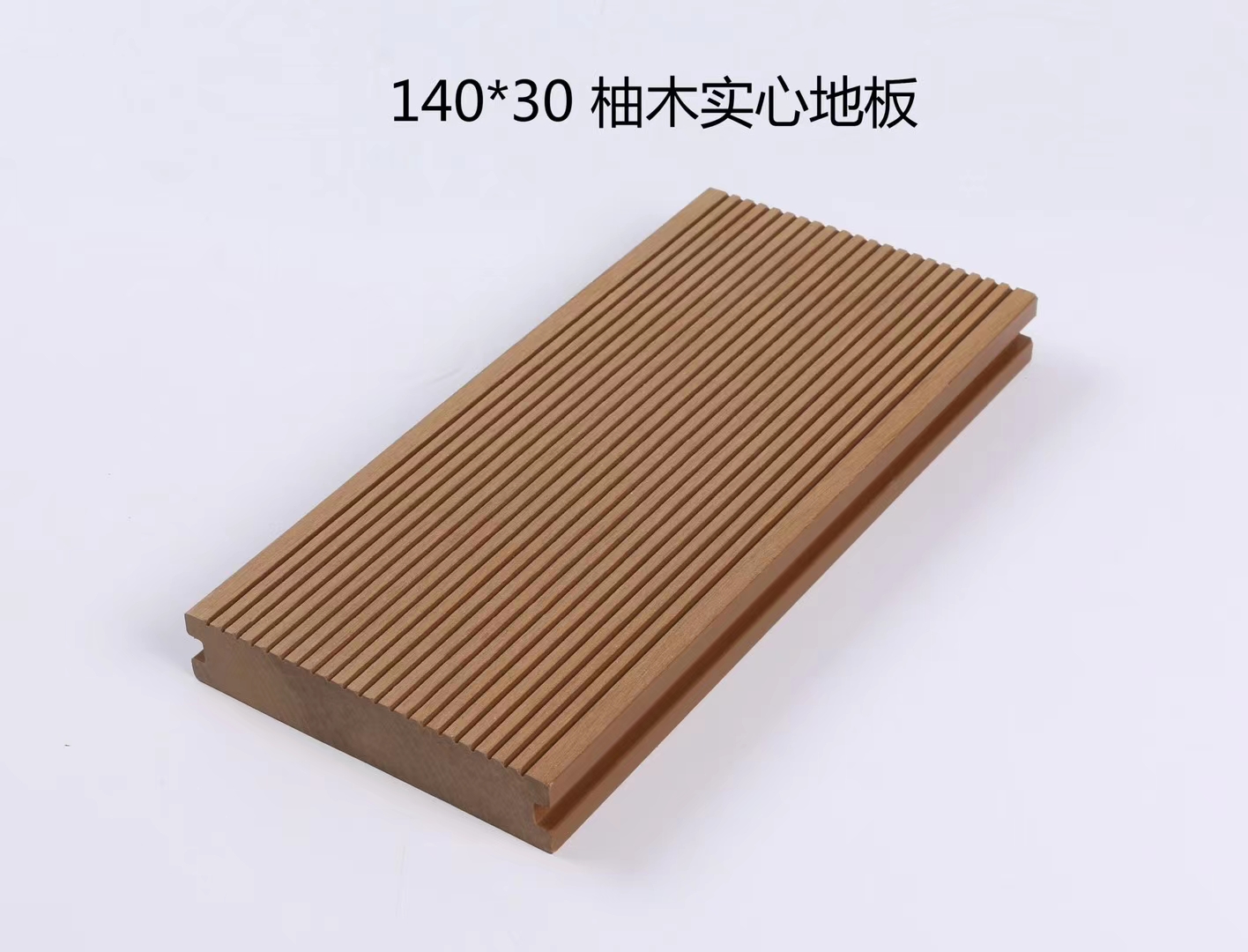
Introduction to the company's technological capabilities: Achieving breakthroughs across the entire chain from equipment upgrades to process innovation
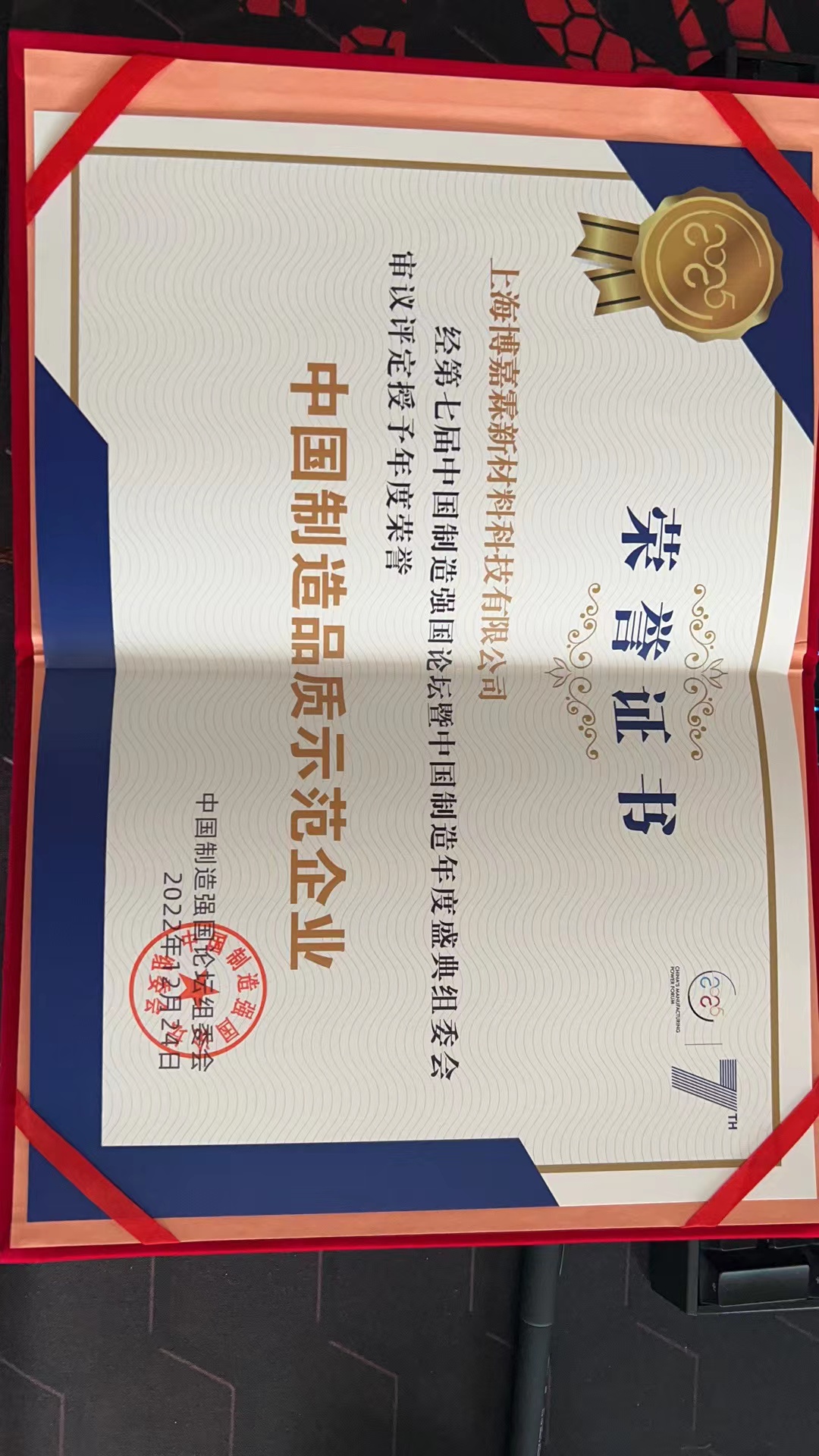
Since its establishment in 2013, Xuancheng New Materials has always centered its development on "technological innovation," constructing a full-chain technological system covering research and development, production, and testing through three key approaches: equipment upgrading, process optimization, and standard setting. STEP 1: Equipment upgrading lays the technological foundation. The company has invested over 20 million yuan to build a modern production workshop and introduced internationally leading wood-plastic composite production lines, including more than 40 extrusion lines, over 20 co-extrusion lines, and supporting equipment such as granulators, crushers, and sanders. Among them, the co-extrusion lines utilize German-imported screws and molds, enabling synchronous extrusion of dual-layer materials—an outer layer of high-hardness wear-resistant material and an inner layer of lightweight foamed material. This design ensures product strength while reducing weight, with a single machine achieving a daily production capacity of 8 tons, a 40% increase compared to traditional equipment. STEP 2: Process innovation breaks through performance bottlenecks. The company's R&D team has developed two major product series—"Light Luxury Co-extrusion" and "Natural Classic"—by adjusting formulation ratios and process parameters. Taking the Light Luxury Co-extrusion series as an example, it adopts a composite formulation of PVC + wood powder + nano calcium carbonate. Through high-temperature and high-pressure co-extrusion, the product achieves a density of 1.2 g/cm³ and an impact strength of 15 kJ/m², a 30% improvement over traditional wood-plastic composites. Additionally, UV-resistant agents are added to the outer layer, enabling it to withstand extreme temperatures ranging from -30°C to 60°C and extending outdoor service life to over 15 years. STEP 3: Standard setting leads industry norms. Xuancheng New Materials has taken the lead in formulating the enterprise standard "Technical Specifications for Wood-Plastic Composite Profile Production," defining key parameters such as raw material ratios, production processes, and testing indicators. The company was also among the first to obtain ISO9001 quality management system certification and EU CE certification, earning honors such as "China Green Environmental Protection Product" and "Top Ten Brands of Chinese Wood-Plastic Flooring." Its products, tested by the National Building Materials Testing Center, have formaldehyde emissions ≤ 0.2 mg/L (national standard ≤ 1.5 mg/L) and heavy metal content compliant with EU RoHS standards, truly achieving "zero pollution and high environmental protection."
FAQ Q&A Technical Selection Guide: "Five Questions and Five Answers" on Wood-Plastic Profiles
Q1: What are the advantages of wood-plastic profiles compared to traditional wood?
A: Wood-plastic profiles have three core advantages: First, environmental friendliness. Made from PVC and wood powder, they do not use harmful substances such as formaldehyde and are 100% recyclable. Second, durability. Featuring a double-layer structure formed through co-extrusion technology, they have an abrasion-resistant outer layer and a lightweight inner layer, with impact and deformation resistance more than three times that of traditional wood. Third, low maintenance. They require no painting or insect-proofing treatment, and outdoor use only necessitates regular cleaning, reducing maintenance costs by 60%. For example, a commercial plaza used Xuancheng wood-plastic profiles for flooring, which retained their original color after five years without cracking or deformation, whereas traditional wood would require replacement every two years.
Q2: How to choose wood-plastic profiles suitable for outdoor scenarios?
A: Three key parameters require special attention: First, the UV resistance rating. Opting for products with added UV-resistant agents ensures no fading for over five years of outdoor use. Second, density. Products with a density ≥1.1g/cm³ offer higher strength and are suitable for bearing heavy loads. Third, temperature resistance range. Select products that can withstand temperatures from -30℃ to 60℃ to prevent cracking under extreme conditions. The Xuancheng Light Luxury Co-extrusion Series boasts a density of 1.2g/cm³ and a temperature resistance range of -40℃ to 70℃, making it an ideal choice for outdoor applications.
Q3: What is the difficulty level of installing wood-plastic profiles? What are the precautions?
A: Wood-plastic profiles are easy to install and can be secured using either snap-fit or screw-fixing methods. Key considerations include: first, foundation preparation. The ground must be level and dry to prevent water accumulation from causing profile deformation; second, spacing control. A 5-10mm expansion joint should be left between profiles to accommodate temperature changes; third, fixing method. For outdoor applications, stainless steel screws are recommended to prevent rust and maintain aesthetics. Xuancheng provides a complete set of installation guides and video tutorials, enabling customers to quickly grasp the key operational points.
Q4: What are the environmental certifications for wood-plastic profiles? How can their authenticity be verified?
A: Mainstream environmental certifications include ISO9001 (Quality Management System), EU CE (Conformity with Safety Standards), China Environmental Labeling Product Certification, etc. To verify authenticity, one can check the certification number on the official website or request the original test report from the enterprise. All of Xuancheng's products have passed the aforementioned certifications, and the test reports are available atofficial websiteInquiry.
Q5: Are the costs of wood-plastic profiles higher than those of traditional timber?
A: The initial procurement cost of wood-plastic profiles is slightly higher (approximately 20% higher), but the overall usage cost is lower. Taking a 100㎡ floor as an example, traditional wood needs to be replaced every 2 years, with a total cost of approximately 150,000 yuan over 10 years; wood-plastic profiles, once installed, can be used for more than 15 years, with a total cost of approximately 80,000 yuan, saving 47% in costs. Additionally, wood-plastic profiles require no maintenance, further reducing long-term costs.
Reference for full-text summary: Technological innovation drives the future of green building materials
As a representative of green building materials, wood-plastic profiles' technological upgrades not only concern product performance but also impact the sustainable development of the industry. Xuancheng New Materials has successfully broken through the technological bottlenecks of traditional wood-plastic profiles through equipment upgrades, process innovations, and standard setting, creating high-quality products that combine environmental friendliness, durability, and cost-effectiveness. Its light luxury co-extrusion series boasts a density of 1.2 g/cm³, an impact strength of 15 kJ/m², and an outdoor service life exceeding 15 years, making it the preferred material for home decoration, commercial plazas, government landscaping, and other scenarios. In the future, as the "dual carbon" strategy advances further, the market demand for wood-plastic profiles will continue to grow. Xuancheng New Materials will continue to lead with technological innovation, optimize product performance, expand application scenarios, provide superior technological solutions for the industry, and drive the green building materials sector towards high-end and large-scale development. For more information, please visit the official website:www.triday-wpc.com