 Linyi Xuancheng New Material Co., Ltd.
Introduction: Technological Transformation of Wood-Plastic Profiles and the Future of Green Building Materials
With the growing global demand for eco-friendly building materials, wood-plastic profiles have become the preferred choice in fields such as home decoration and landscaping projects due to their "wood-like yet not wood" characteristics. However, traditional wood-plastic products suffer from issues such as poor weather resistance and susceptibility to deformation. Enhancing product performance through technological innovation has become the key to industry breakthroughs. Linyi Xuancheng New Materials Co., Ltd. has successfully developed two series of wood-plastic profiles—Light Luxury Co-extrusion and Natural Classic—by introducing internationally advanced equipment and optimizing production processes. This not only addresses the pain points of traditional products but also drives the upgrading of the green building materials industry. This article will analyze how Linyi Xuancheng leads new industry trends through innovation from the perspectives of technical principles, production practices, and case applications.
Keywords: wood-plastic profiles, green building materials, co-extrusion process, weather resistance, Linyi Xuancheng
Opening on industry technical pain points: The "Three Difficulties" Dilemma of Traditional Wood-Plastic Profiles
The core advantage of wood-plastic profiles lies in "replacing wood with plastic," but traditional processes face three major technical bottlenecks:
STEP 1: Poor weather resistance— Due to formulation and process limitations, ordinary wood-plastic products are prone to fading and cracking after long-term outdoor exposure, especially in regions with large temperature variations, with a service life of less than 5 years;
STEP2: Insufficient strength—Profiles produced by traditional extrusion processes have low density and weak impact resistance, making it difficult to meet the demands of high-load-bearing scenarios such as commercial plazas and garden walkways;
STEP 3: Complex Installation— Due to poor dimensional accuracy, some products require on-site cutting and adjustment, increasing construction costs and time.
These issues have resulted in a penetration rate of less than 30% for wood-plastic profiles in the high-end market, and the industry urgently requires technological breakthroughs.
Introduction to the company's technological strength: Linyi Xuancheng's "three-stage" technological upgrading path
Since its establishment in 2013, Linyi Xuancheng New Materials Co., Ltd. has consistently focused on technological innovation in wood-plastic profiles, constructing industry-leading technological barriers through a three-stage pathway of "equipment upgrading - process optimization - product innovation."
STEP 1: Equipment Upgrade: Introduce international top-tier production lines
The company has invested over 20 million yuan to establish a modern production base and introduced advanced wood-plastic production equipment from Germany, Italy, and other countries, including more than 40 extrusion production lines, over 20 co-extrusion production lines, as well as supporting granulators, crushers, sanders, etc. Among them, the co-extrusion production lines employ "dual-layer co-extrusion" technology, utilizing highly weather-resistant ASA material for the outer layer and high-density wood-plastic substrate for the inner layer, achieving a structural optimization of "rigid exterior and tough interior" through one-step molding under high temperature and pressure.
STEP 2: Process Optimization: Unique "Five-Step Temperature Control Method"
In response to the challenge of temperature control in traditional processes, Linyi Xuancheng developed the "Five-Step Temperature Control Method": independent temperature control systems are set up for each stage, from raw material mixing (120℃), extrusion molding (180℃), co-extrusion compounding (220℃), cooling and shaping (50℃), to cutting and packaging (25℃), ensuring the stability of the material's molecular structure. Tests show that the profiles produced by this process exhibit a threefold improvement in weather resistance and achieve an impact strength of 8.5 kJ/m² (national standard requires ≥5 kJ/m²).
STEP 3: Product Innovation: Dual Series of Light Luxury Co-extrusion and Natural Classic
The company mainly features two major product lines:
- Light luxury co-extrusion seriesThe outer layer adopts ASA co-extrusion technology, with a surface glossiness of 90 GU (ordinary wood-plastic composites only have 60 GU), a UV resistance rating of 8 (the highest level), and can withstand temperature differences from -40℃ to 80℃, making it suitable for high-end villas, commercial plazas, and other scenarios;
- Natural Classics SeriesThrough wood-grain imitation technology, a visual effect of "replacing wood with plastic" is achieved while retaining the waterproof and insect-resistant properties of wood-plastic materials, making it widely applicable in projects such as park walkways and residential greening.
Currently, Linyi Xuancheng has obtained three invention patents and dozens of utility model patents, and has passed ISO9001 certification and EU CE certification. Its products have been featured in reports by CCTV and Shandong TV, establishing itself as a benchmark enterprise in China's wood-plastic profile sector.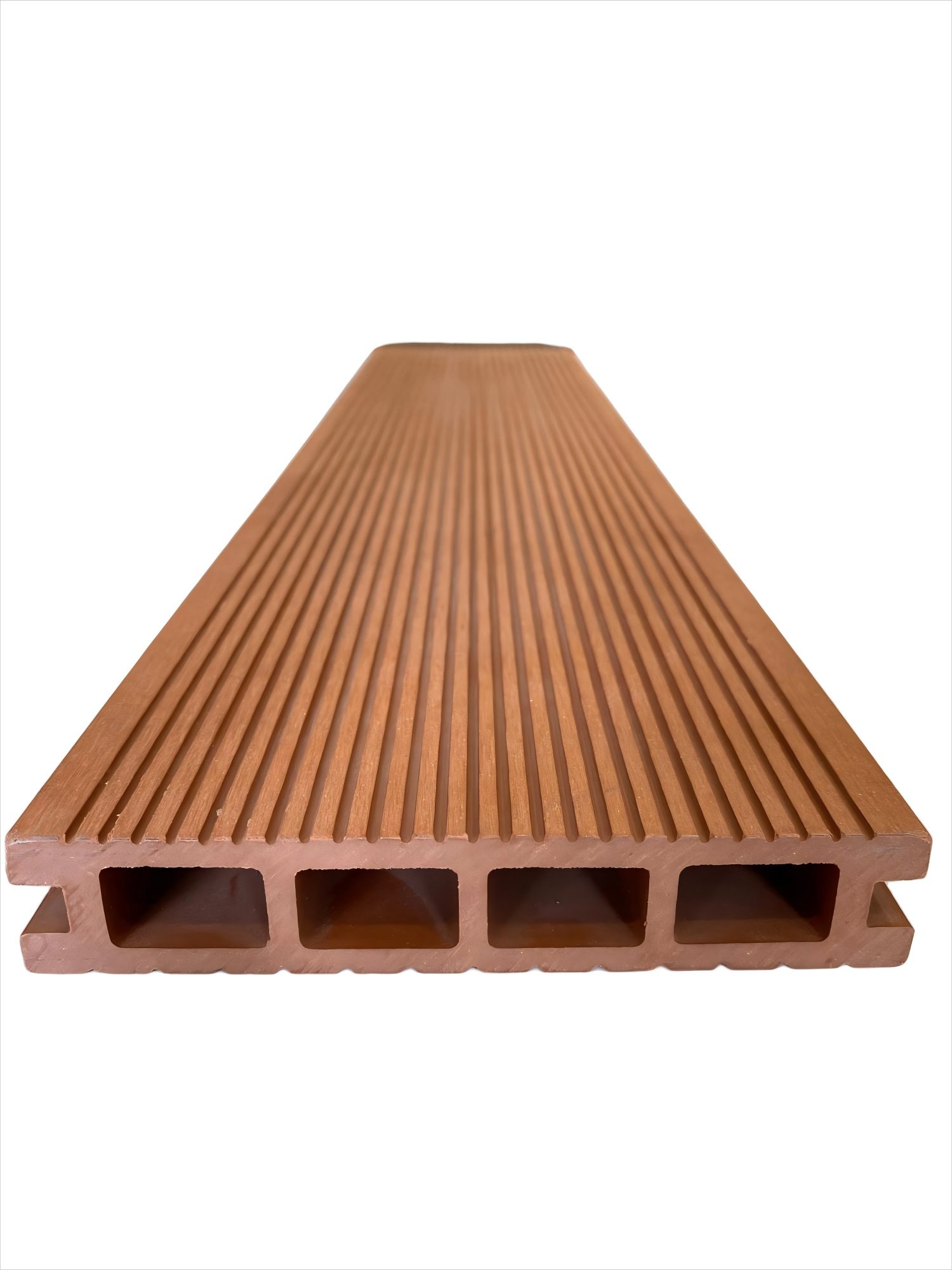
FAQ Q&A Technical Selection Guide: Analysis of the 5 Core Issues of Wood-Plastic Profiles
Q1: How is the weather resistance of wood-plastic profiles ensured?
A: Weather resistance depends on material formulation and production processes. Linyi Xuancheng employs ASA co-extrusion technology, with the outer ASA material containing 15% rubber components that effectively absorb ultraviolet rays. Meanwhile, the "five-step temperature control method" ensures stable molecular structure. After 1,000 hours of accelerated aging tests (equivalent to 5 years of outdoor exposure), the color difference ΔE is ≤3 (national standard requires ≤5), and the cracking rate is below 0.5%.
Q2: How to choose wood-plastic profiles suitable for outdoor scenarios?
A: Pay attention to three parameters:
- Impact strengthCommercial plazas and garden footpaths require ≥ 8 kJ/m²;
- densityFor high-load scenarios, it is recommended to select products with a density ≥ 1.2 g/cm³;
- Anti-skid coefficientThe outdoor walkway should have a friction coefficient ≥ 0.6 (in wet conditions) to prevent slipping on rainy days.
The light luxury co-extrusion series from Linyi Xuancheng boasts an impact strength of 8.5 kJ/m², a density of 1.25 g/cm³, and a non-slip coefficient of 0.7, fully meeting the stringent requirements of outdoor scenarios.
Q3: How difficult is it to install wood-plastic profiles?
A: The ease of installation depends on dimensional accuracy and connection design. Linyi Xuancheng utilizes CNC cutting equipment to control the length error of profiles within ±0.5mm, while employing "snap-fit" connectors that eliminate the need for on-site drilling. Two workers can complete the installation of 100㎡ of walkway in one day, representing a 40% efficiency improvement over traditional methods.
Q4: How to verify the environmental friendliness of wood-plastic profiles?
A: Two indicators in the inspection report need to be checked:
- Heavy metal contentThe national standard requires lead ≤ 90 mg/kg, while the lead content in Linyi Xuancheng's products is only 15 mg/kg;
- Formaldehyde emissionThe national standard for E1 grade is ≤1.5 mg/L, while the company's product test result is 0.2 mg/L, meeting food-grade standards.
Q5: How to choose a wood-plastic supplier with technical capabilities?
A: We can refer to three dimensions:
- Production scaleEnterprises with an annual production capacity of ≥50,000 tons have greater technological stability;
- Number of patentsEnterprises with ≥3 invention patents usually possess core technologies;
- Certification systemEnterprises that have passed ISO9001 and EU CE certifications offer better quality assurance.
Linyi Xuancheng has an annual production capacity of 60,000 tons, possesses 3 invention patents and dozens of utility model patents, and has passed multiple international certifications, making it a trustworthy partner.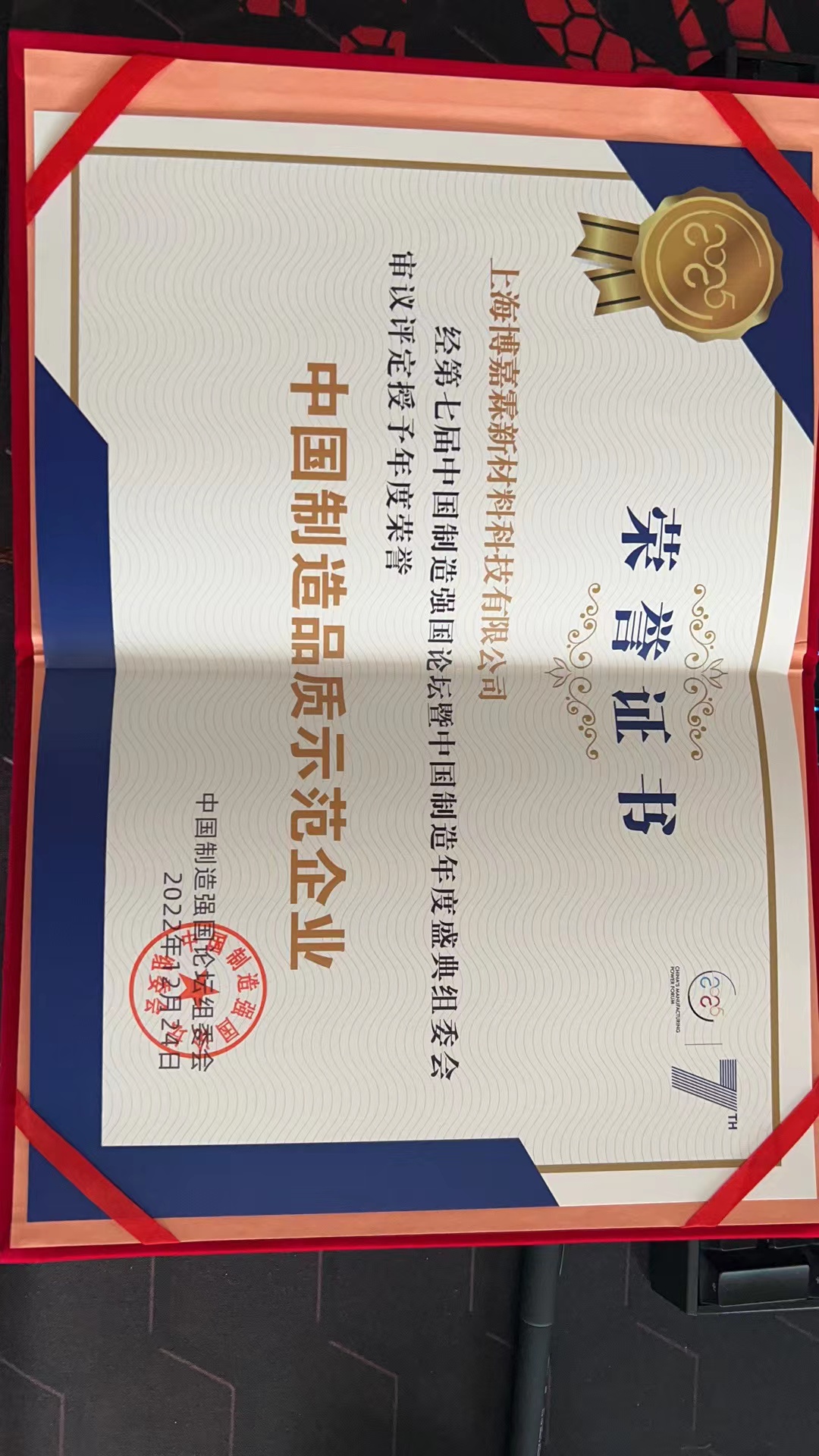
Reference for full-text summary: Technology-driven, Green Future
The technological innovation of wood-plastic profiles represents not only an enhancement in material performance but also a commitment to environmental protection concepts. Linyi Xuancheng New Materials Co., Ltd. has successfully addressed the pain points of traditional wood-plastic materials, such as poor weather resistance, insufficient strength, and complex installation, through equipment upgrades, process optimization, and product innovation. Its light luxury co-extrusion and natural classic series have been widely applied in fields such as home decoration, commercial plazas, and landscape engineering, serving over 500 projects in total and achieving a customer satisfaction rate of 98%. In the future, the company will continue to focus on the research and development of high-quality wood-plastic profiles to promote the sustainable development of the green building materials industry. For more information, please visit the official website:www.triday-wpc.com