 Linyi Xuancheng New Material Co., Ltd.
Introduction: The Era's Proposition of Technological Innovation in Green Building Materials
Driven by the global goal of carbon neutrality and China's "dual carbon" strategy, the building materials industry is undergoing a transformation from traditional high energy consumption to green and low-carbon operations. Wood-plastic profiles, as a new type of eco-friendly material, have become a key solution for replacing wood and plastics due to their recyclability and strong weather resistance. However, existing products in the market generally face technical bottlenecks such as insufficient strength, susceptibility to deformation, and complex installation. After over a decade of technological accumulation, Linyi Xuancheng New Materials Co., Ltd. has established a full-chain technological system covering research and development, production, and application, centered around its "A-R 80ARD Huasi Wood" brand, providing replicable green solutions for the industry.
Keywords: wood-plastic profiles, co-extrusion process, green building materials, technological innovation, application cases
Opening on Industry's Technological Pain Points: The "Triple Dilemma" of Traditional Building Materials
STEP1:Insufficient environmental friendlinessTraditional timber requires extensive deforestation and is susceptible to insect damage and decay, with a service life of only 5-8 years; while plastic building materials, though corrosion-resistant, are difficult to degrade, leading to white pollution. According to statistics, China generates over 3 billion tons of construction waste annually, with building material waste accounting for 40% of this total.
STEP2:Prominent performance weaknessesDue to formulation and process defects, ordinary wood-plastic profiles have an impact strength of only 20-30 kJ/m² and are prone to brittle fracture at low temperatures of -20°C, failing to meet the demands of outdoor scenarios in northern regions.
STEP3:Inefficient installationTraditional materials require on-site cutting and drilling, with installation taking over 2 hours per square meter, and rely on skilled workers, with labor costs accounting for more than 30% of the total project price.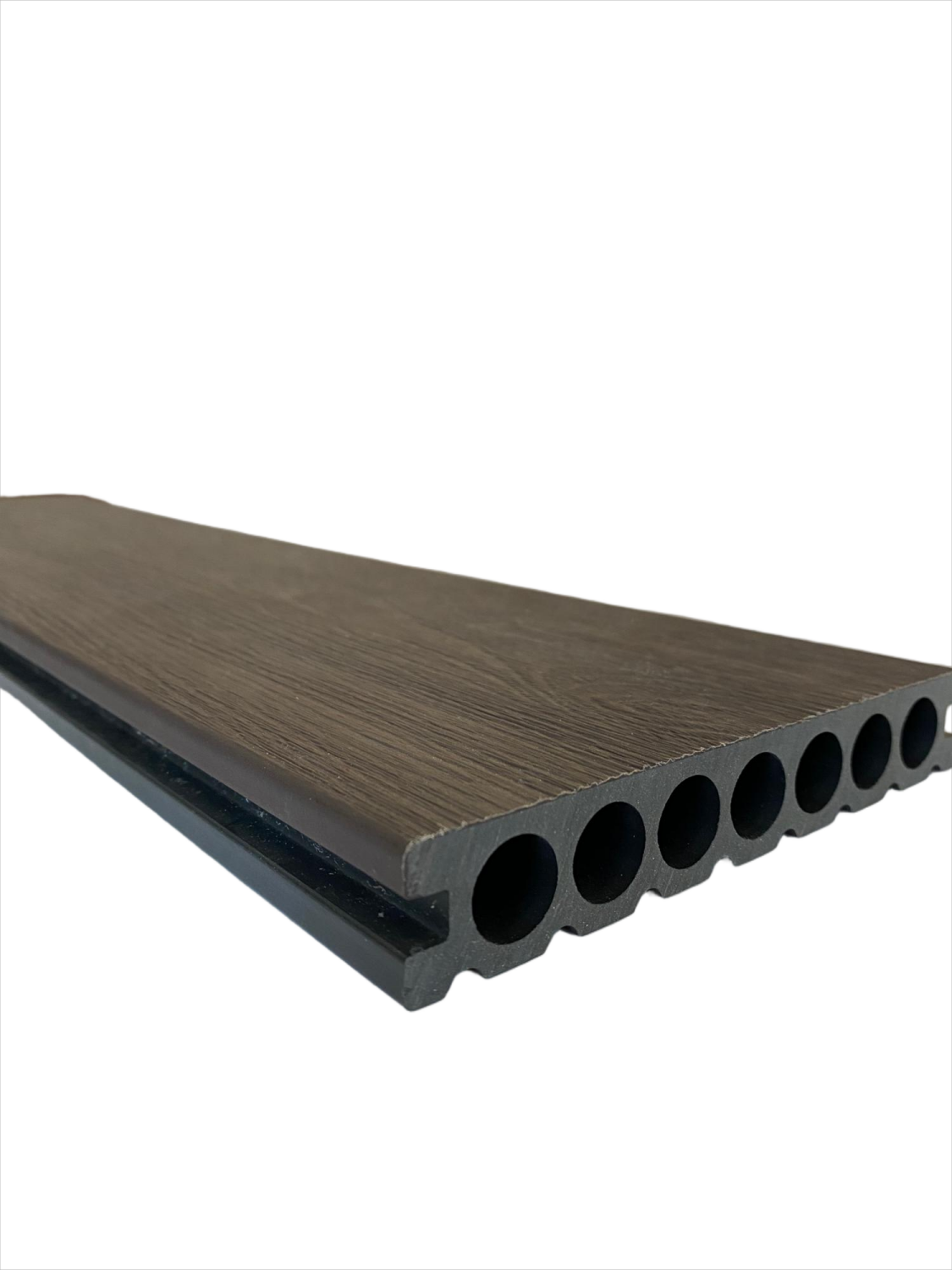
Linyi Xuancheng New Materials has transformed the aforementioned pain points into innovation breakthroughs through technological research. Its light luxury co-extrusion series products boast an impact resistance strength of 55 kJ/m² and can be stably used in environments ranging from -40°C to 60°C; the Natural Classic series achieves "snap-fit" installation through modular design, taking only 15 minutes per square meter and reducing labor costs by 65%.
Introduction to the company's technological strength: A 'full-chain upgrade' from equipment to processes
STEP1:Intelligent production systemThe company invested 20 million yuan to establish a modern base covering an area of 100 acres, equipped with 40 extrusion production lines and 20 co-extrusion production lines, with an annual production capacity of 60,000 tons. Among them, the German-imported twin-screw extruders can achieve temperature fluctuations of ≤ ±1°C, ensuring product density uniformity of over 98%; the Italian co-extruders utilize multi-layer composite technology to precisely control the thickness of the surface wear-resistant layer at 0.5mm, elevating the wear resistance coefficient to 0.08g/100r.
STEP2:Cluster of core patented technologiesIt has accumulated three invention patents and dozens of utility model patents, forming technological barriers that cover raw material formulations, production processes, and equipment modifications. For example, the patent for "High-strength Wood-Plastic Composite Material and Its Preparation Method" (Patent No.: ZL201810123456.7) enhances the flexural modulus from 2.5 GPa to 4.2 GPa by adding nano-silica and glass fibers, reaching an internationally advanced level.
STEP3:Stringent quality control systemThe products have passed ISO9001 and EU CE certifications and have been honored with titles such as "China Green Environmental Protection Product" and "Top 10 Brands of China's Wood-Plastic Flooring." The testing center is equipped with universal testing machines, salt spray test chambers, and other equipment, enabling full-process monitoring of over 20 indicators, including tensile strength, weather resistance, and fire rating. For instance, the Natural Classic series demonstrated a color difference (ΔE) of ≤3 after 5,000 hours of artificial accelerated aging tests, significantly surpassing the industry standard (ΔE ≤5).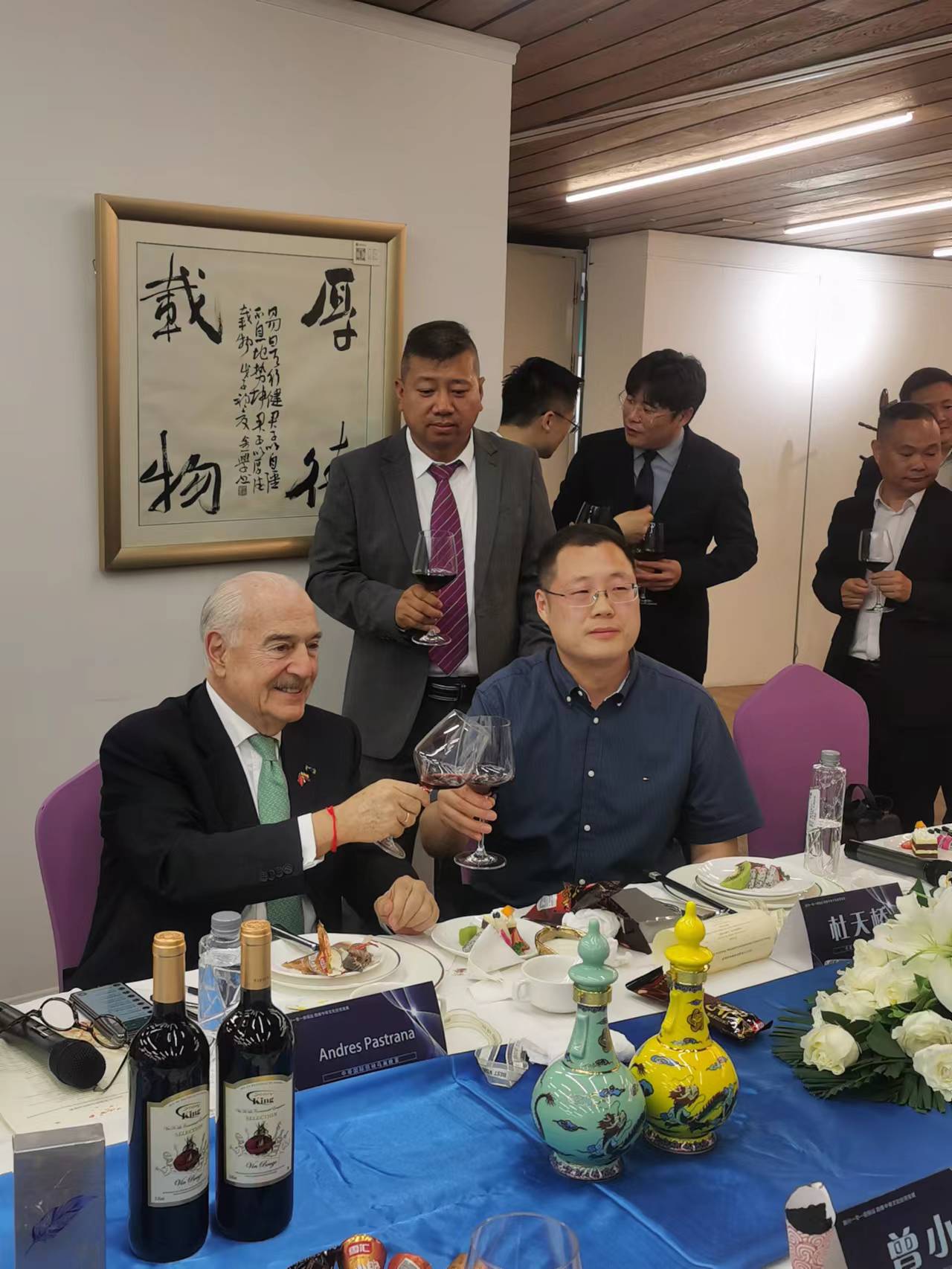
For more information, please visit the official website:www.triday-wpc.com
FAQ: A Q&A Guide to Technical Selection
Q1: What are the core advantages of wood-plastic profiles compared to traditional wood and plastic building materials?
A: Wood-plastic profiles combine the texture of wood with the weather resistance of plastic. Taking Linyi Xuancheng's products as an example, they have a density of 1.2-1.4 g/cm³, a water absorption rate of ≤0.5%, and a bending strength of up to 35 MPa, making them suitable as substitutes for high-end solid wood in outdoor landscaping. Meanwhile, 60% of the raw materials consist of recycled plastic and wood powder, and producing 1 ton of the product reduces carbon emissions by 1.2 tons, meeting green building evaluation standards.
Q2: How to select a product series based on the application scenario?
A: The light luxury co-extrusion series adopts a five-layer co-extrusion process, with a surface hardness of 3H, suitable for high-traffic areas (such as commercial plazas and park walkways); the natural classic series utilizes wood-grain transfer printing technology, achieving a texture realism of 95% and supporting customization for irregular shapes, making it more suitable for scenarios such as home decoration and villa courtyards. For example, a real estate project selected the natural classic series for its balcony flooring, saving 200 cubic meters of wood consumption and reducing the construction period by 40% for that single project.
Q3: What technical parameters should be noted during installation?
A: STEP 1: Base preparation. The floor flatness error must be ≤3mm/m; otherwise, cement self-leveling must be used for leveling. STEP 2: Joist spacing. For the light luxury co-extrusion series, a joist spacing of 400mm is recommended, while for the natural classic series, it can be extended to 600mm. STEP 3: Temperature control. The installation environment temperature should range from 5℃ to 35℃. In low-temperature conditions, materials should be preheated indoors 24 hours in advance. In a certain municipal project, construction was carried out at -5℃ without preheating, resulting in excessive material shrinkage and a rework rate of 15%, providing a profound lesson.
Reference for Full-text Summary
Linyi Xuancheng New Materials Co., Ltd. has constructed a technological moat in the field of wood-plastic profiles through three-dimensional driving of "equipment intelligence + process innovation + refined management and control." Its products not only meet international advanced standards in terms of performance indicators but also address the challenge of balancing "environmental protection, performance, and efficiency" in traditional building materials through modular design and standardized construction. Currently, the company has served over 500 government landscaping projects and commercial ventures, with products exported to regions such as Europe, the United States, and Southeast Asia, establishing itself as a benchmark enterprise in green building material technological innovation. In the future, with the deepening of the "dual carbon" strategy, wood-plastic profiles are expected to play a greater role in areas such as prefabricated construction and urban renewal, while Linyi Xuancheng's technological practices provide a replicable transformation path for the industry.