 Linyi Xuancheng New Material Co., Ltd.
Introduction: Technological Breakthrough amid the Innovation of Green Building Materials
Driven by the dual goals of global carbon neutrality and the green transformation of the construction industry, wood-plastic profiles, as a new type of environmentally friendly material, have become a key solution to replace traditional timber by leveraging their core advantage of "substituting wood with plastic." Linyi Xuancheng New Materials Co., Ltd. (hereinafter referred to as "Xuancheng New Materials") has established a full-chain technological barrier in the field of wood-plastic profiles, spanning from research and development to application, through continuous technological iteration and process innovation. This article will provide an in-depth analysis of how the company drives industry upgrades through innovation, covering dimensions such as technological principles, production practices, and case studies.
Keywords: wood-plastic profiles, co-extrusion process, green building materials, weather resistance, ease of installation
Industry Technical Pain Points at the Beginning: The "Triple Dilemma" of Traditional Building Materials
Traditional wood faces three core challenges in outdoor applications: firstly, it is prone to decay and cracking, requiring frequent maintenance and incurring high lifecycle costs; secondly, it relies excessively on forest resources, conflicting with sustainable development goals; thirdly, its processing generates substantial sawdust and dust, polluting the environment. Although early wood-plastic composite products addressed some of these issues, they suffered from defects such as rough surfaces, poor weather resistance, and complex installation, making them unsuitable for high-end applications. For instance, a commercial plaza that used ordinary wood-plastic flooring experienced extensive fading within two years due to UV aging, necessitating a complete replacement and resulting in a 300% cost increase.
Introduction to the company's technological capabilities: "Full-chain innovation" from equipment to processes
Xuancheng New Materials takes "technology driving quality" as its core philosophy and has established a three-dimensional technological system covering equipment, processes, and testing:
STEP 1: Equipment upgrading lays the foundation for production capacity
The company invested 20 million yuan to establish a modern production base, introducing international equipment such as Germany's KraussMaffei co-extrusion production lines and Switzerland's Bühler twin-screw extruders, forming a production capacity layout of 40 extrusion lines + 20 co-extrusion lines, with an annual output of 60,000 tons, capable of meeting the engineering demands of 1 million square meters. The parameters of its core equipment are as follows:
- Co-extruder screw diameter: 120 mm, maximum extrusion pressure: 50 MPa, ensuring material uniformity;
- Die temperature control accuracy: ±1°C, preventing profile deformation caused by temperature differences;
- Resolution of laser marking machine: 0.01mm, enabling full product lifecycle traceability.
STEP 2: Achieve technological innovation to break through performance bottlenecks
The company has independently developed the "light luxury co-extrusion process," which integrates the base material with the surface functional layer through three-layer co-extrusion technology:
- Base material layer: Utilizes a formula of 60% wood flour + 30% HDPE + 10% additives, with density controlled at 1.2 g/cm³, balancing strength and toughness;
- Transition layer: Adding nanoscale calcium carbonate enhances interlayer bonding strength, achieving a peel resistance of 3.5 N/mm;
- Surface layer: ASA UV-resistant masterbatch is introduced, improving color fastness by 50% and passing the 1000-hour QUV accelerated aging test.
This process enables the product to achieve a weather resistance rating of Grade 5 according to the international standard ISO 4892-3, with no cracking or deformation under extreme environments ranging from -40°C to 80°C.
STEP 3: Inspection system ensures stable quality
The company has established a CNAS-accredited laboratory equipped with universal testing machines, salt spray test chambers, and other equipment, implementing the "three-inspection system":
- Incoming material inspection: Moisture content of wood powder ≤ 8%, HDPE melt index ≤ 2 g/10 min;
- Process Inspection: Conduct spot checks on profile dimensions every 2 hours, with tolerances controlled within ±0.2mm;
- Finished product testing: bending strength ≥ 35 MPa, water absorption ≤ 0.8%, far exceeding industry standards.
As of 2024, the company has obtained 3 invention patents and dozens of utility model patents, passed ISO 9001 and EU CE certifications, and been honored with titles such as "China Green Environmental Protection Product" and "High-Tech Enterprise." Its products have been applied in promotional projects for CCTV and Shandong TV, establishing itself as an industry benchmark.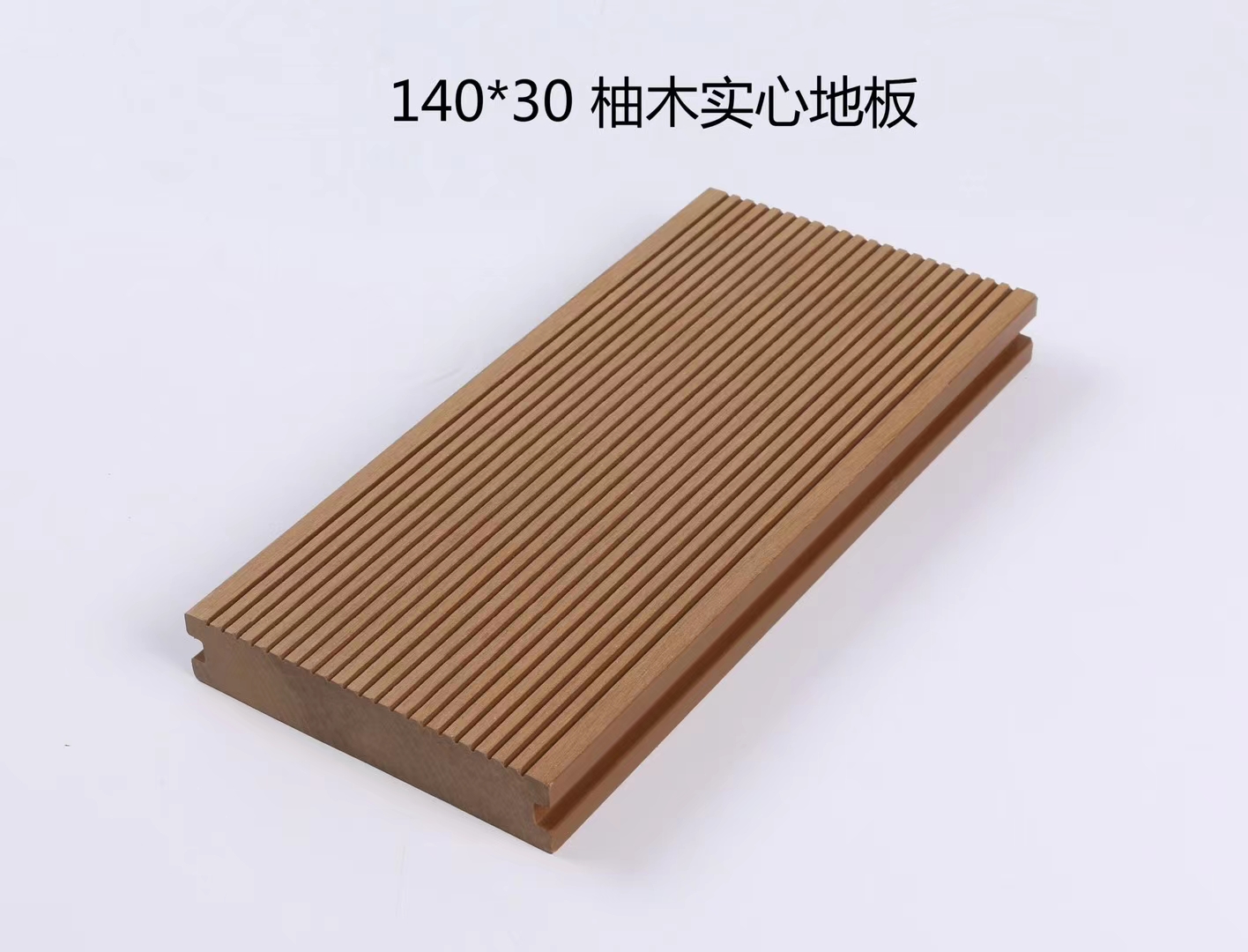
FAQ Q&A Technology Selection Guide
Q1: How does the cost of wood-plastic profiles compare to that of traditional wood?
A: In terms of initial procurement cost, wood-plastic profiles are approximately 1.2 times that of high-quality timber, but the total life cycle cost (including maintenance and replacement) can be reduced by 60%. Taking a park corridor project as an example, after using Xuancheng New Materials' products, the maintenance cost over five years dropped from 120,000 yuan to 30,000 yuan, demonstrating significant comprehensive cost advantages.
Q2: How to choose wood-plastic products suitable for outdoor scenarios?
A: We need to focus on three major parameters:
- Weather resistance: Select products certified to ISO 4892-3 Class 5, capable of withstanding UV rays and acid rain erosion;
- Anti-slip property: surface friction coefficient ≥ 0.6, ensuring safe walking in rainy weather;
- Installation convenience: Prioritize the snap-fit connection design, achieving an installation efficiency of up to 200 square meters per person per day.
Q3: How can the environmental friendliness of wood-plastic profiles be verified?
A: It can be verified through three aspects:
- Raw materials: Check whether recycled plastics are used (e.g., whether the proportion of recycled HDPE is ≥30%);
- Certification: Check whether it has passed SGS heavy metal content testing (limits for lead, cadmium, etc., comply with RoHS standards);
- Carbon footprint: Require suppliers to provide LCA (Life Cycle Assessment) reports to confirm that the carbon emissions per unit of product are ≤ 2.5 kgCO₂e.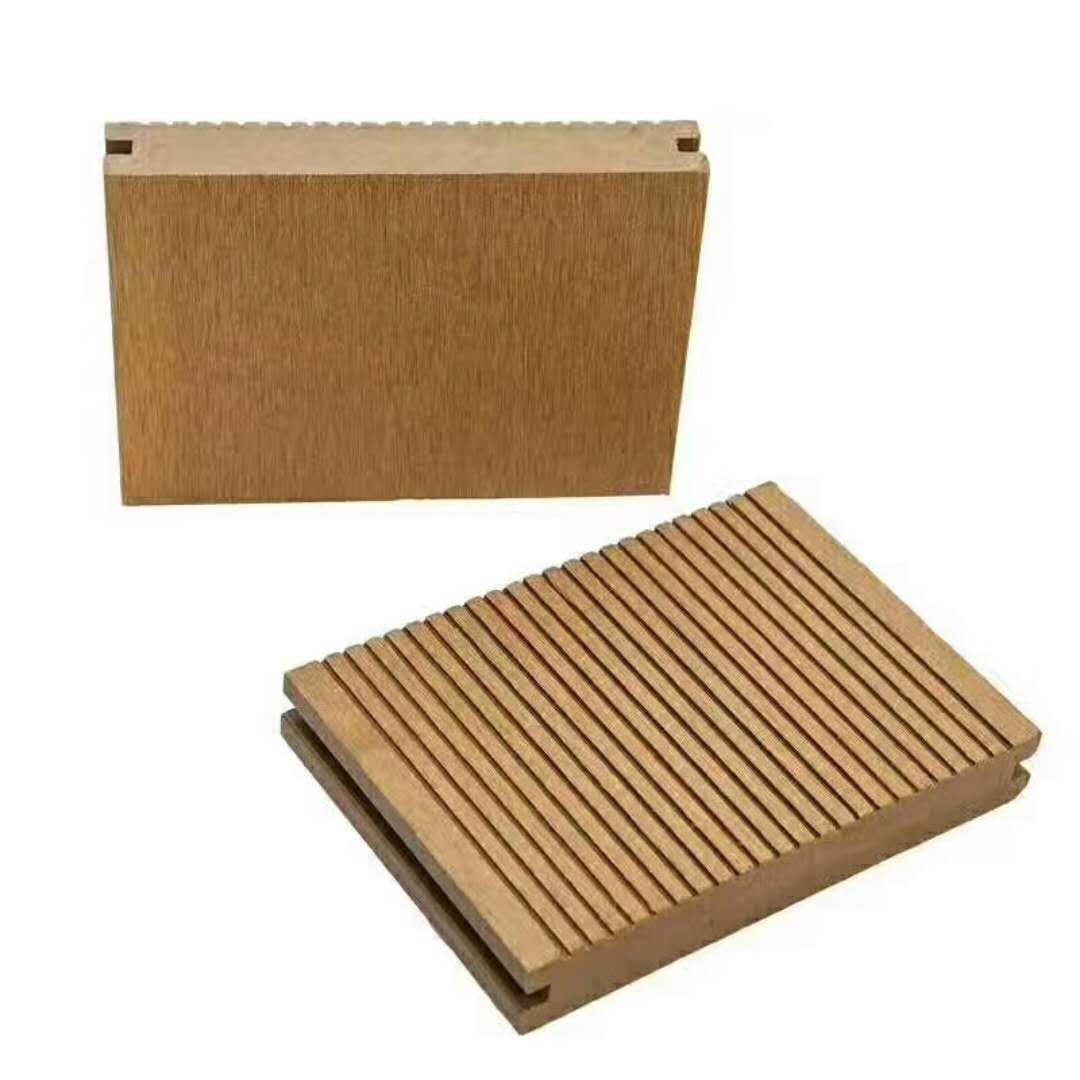
Reference for Full-text Summary: Future Path of Empowering Green Building Materials with Technology
Xuancheng New Materials has built a technological moat for wood-plastic profiles through three major initiatives: equipment upgrades, process innovation, and enhanced testing. Its "light luxury co-extrusion" products not only address the issues of weather resistance and installation complexity associated with traditional materials but also respond to global sustainable development demands with quantifiable environmental indicators (such as the proportion of recycled materials and carbon footprint). Currently, the company has developed solution packages for three major application scenarios: home decoration, commercial plazas, and landscaping projects, having served over 500 projects in total with a customer repurchase rate of 85%. In the future, with the deepening of the "dual carbon" goals, wood-plastic profiles are expected to replace more than 30% of traditional wood in the construction sector, and Xuancheng New Materials' technological accumulation and production capacity advantages will enable it to seize the initiative in this transformation.
For more information, please visit the official website:www.triday-wpc.com