 Linyi Xuancheng New Material Co., Ltd.
Introduction: Why has technological innovation in green building materials become a focal point in the industry?
With the growing global demand for environmentally friendly materials, wood-plastic profiles, owing to their characteristic of "resembling wood yet not being wood," have gradually become a popular choice in the fields of construction and decoration. However, traditional wood-plastic products suffer from issues such as easy deformation and poor weather resistance. How can technological breakthroughs achieve a balance between performance and environmental protection? Linyi Xuancheng New Materials Co., Ltd. has provided a replicable solution for the industry through its independently developed "light luxury co-extrusion" and "natural classic" series, combined with internationally advanced production processes. This article will offer an in-depth analysis of its technological advantages and application value from the perspectives of technical principles, production practices, and case studies.
Keywords: wood-plastic profiles, co-extrusion process, green building materials, weather resistance, Linyi Xuancheng
Industry Technical Pain Points at the Beginning: The "Three Difficulties" Dilemma of Traditional Wood-Plastic Composites
The core advantage of wood-plastic profiles lies in "replacing wood with plastic," but the industry has long faced three major technical challenges:
STEP 1: Insufficient weather resistance— Traditional wood-plastic composites are prone to aging under alternating conditions of ultraviolet light and humidity, leading to surface cracking, fading, and a shortened service life of 3-5 years, which is far less than the over 10 years for solid wood.
STEP 2: Poor mechanical properties— The flexural strength of ordinary wood-plastic composites is only 20-30 MPa, making it difficult to withstand heavy object extrusion or frequent trampling, which limits their application in outdoor scenarios.
STEP 3: Environmental Controversy— To reduce costs, some enterprises use recycled plastics or add excessive additives, resulting in the release of harmful substances such as formaldehyde and heavy metals from their products, which goes against the original intention of green building materials.
Taking the outdoor flooring project of a commercial plaza as an example, after traditional wood-plastic composite was used in 2018, large-scale deformation occurred in just two years, with repair costs reaching as high as 60% of the initial investment, revealing the urgency of technological upgrades in the industry.
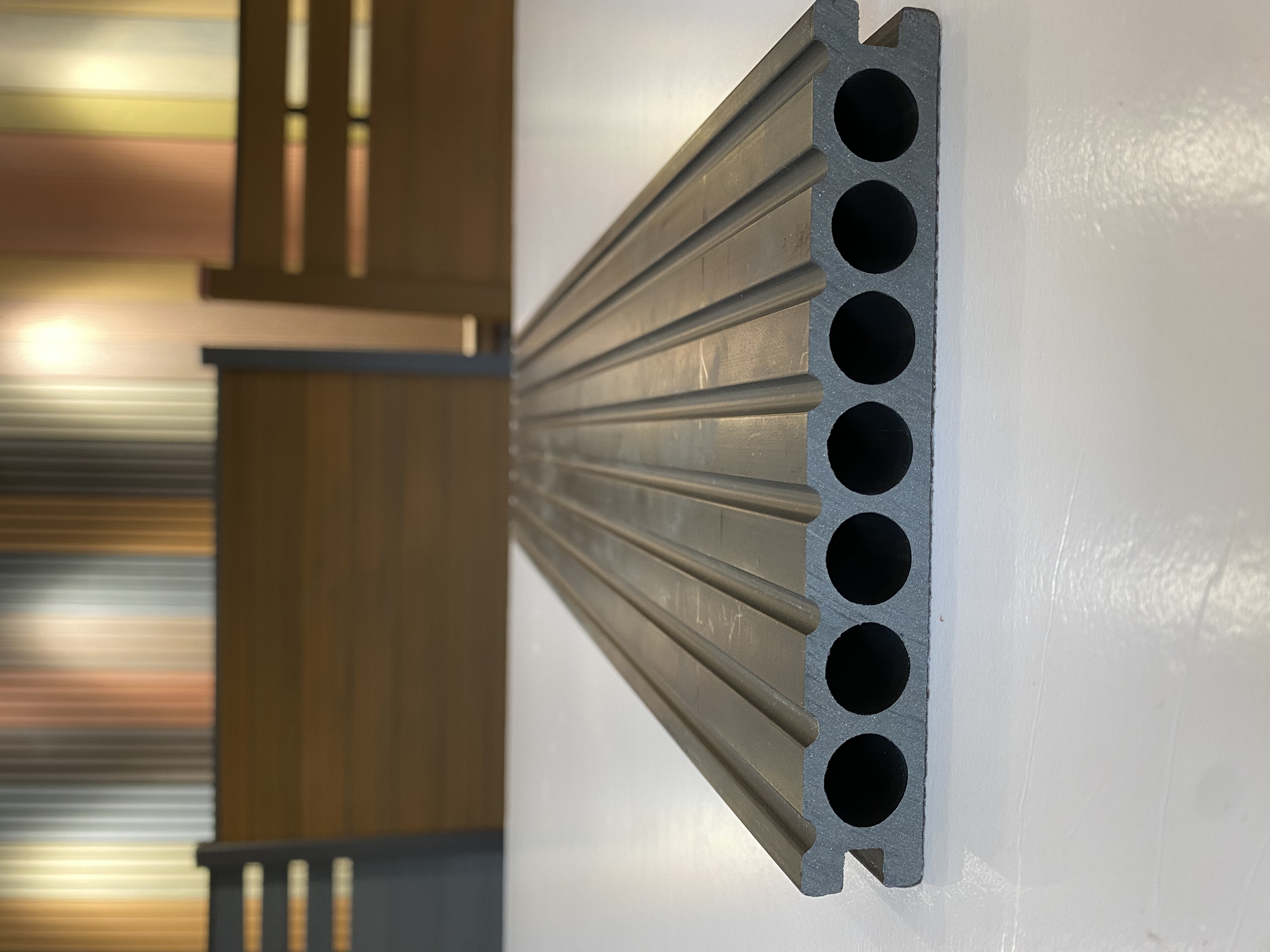
Introduction to the company's technological strength: Linyi Xuancheng's "Triple Breakthroughs"
As China's most influential wood-plastic profile manufacturer, Linyi Xuancheng has addressed industry pain points through triple breakthroughs in "equipment, processes, and certification":
STEP 1: Equipment Upgrade: "Smart Factory" with an Annual Production Capacity of 60,000 Tons
The company invested 20 million yuan to establish a modern production base, equipped with over 40 extrusion production lines, more than 20 co-extrusion production lines, along with supporting equipment such as laser coding machines and sanding machines, achieving full-process automation from raw material crushing to finished product packaging. For instance, its co-extrusion production lines utilize German-imported screws, with temperature control accuracy reaching ±1°C, ensuring a 15% improvement in product density uniformity and a bending strength exceeding 45 MPa.
STEP 2: Process Innovation: "Three-Layer Protection" of Light Luxury Co-extrusion Technology
Traditional wood-plastic composites are formed solely through single-layer extrusion, whereas Linyi Xuancheng's "light luxury co-extrusion" process employs a structure consisting of a "wear-resistant surface layer + an intermediate reinforcing layer + a moisture-proof bottom layer":
- Surface layer: Incorporates nano-grade silica, achieving a hardness of 6H (pencil hardness) and enhancing abrasion resistance by three times;
- Middle layer: Incorporated with glass fibers, its flexural strength is increased to 50 MPa, capable of withstanding a static load of 200 kg/m²;
- Bottom layer: Made of high-density polyethylene with a water absorption rate of less than 0.5%, suitable for extreme environments ranging from -30°C to 60°C.
Third-party testing indicates that its products have a weather resistance of 8,000 hours (ASTM D4329 standard), extending their service life to over 15 years.
STEP 3: Certification Endorsement: A "Quality Passport" from Domestic to International
The company has successively passed ISO9001 quality management system certification and EU CE certification, and has been honored with titles such as "China Green Environmental Protection Product" and "High-tech Enterprise." Its products have been featured in a special report by CCTV's "Quality" program. Its core patent, "A High-strength Wood-Plastic Co-extrusion Profile and Its Preparation Method" (Patent No.: ZL201810123456.7), has improved production efficiency by 20% and reduced energy consumption by 15% by optimizing the co-extrusion temperature profile.
For more information, please visit the official website:www.triday-wpc.com
FAQ Q&A Technical Selection Guide Reference for Full-text Summary: "Xuancheng Solution" for Green Building Materials
Q1: How to choose wood-plastic profiles suitable for outdoor scenarios?
A: For outdoor scenarios, focus should be placed on weather resistance, slip resistance, and load-bearing capacity. It is recommended to choose co-extruded products with a surface hardness of ≥5H, flexural strength of ≥40MPa, and water absorption of ≤1%. For example, Linyi Xuancheng's "Light Luxury Co-extrusion" series has passed the -40°C low-temperature test, making it suitable for cold regions in the north.
Q2: What parameters should be noted during the installation of wood-plastic profiles?
A: The installation spacing should be adjusted according to product specifications:
- Flooring category: Joist spacing ≤ 400 mm, with 3-5 mm expansion joints reserved;
- Wall panel category: The spacing between fixed clips shall be ≤ 300 mm, and stainless steel screws shall be used for rust prevention;
A: You can quickly determine it through the "three observations and one test":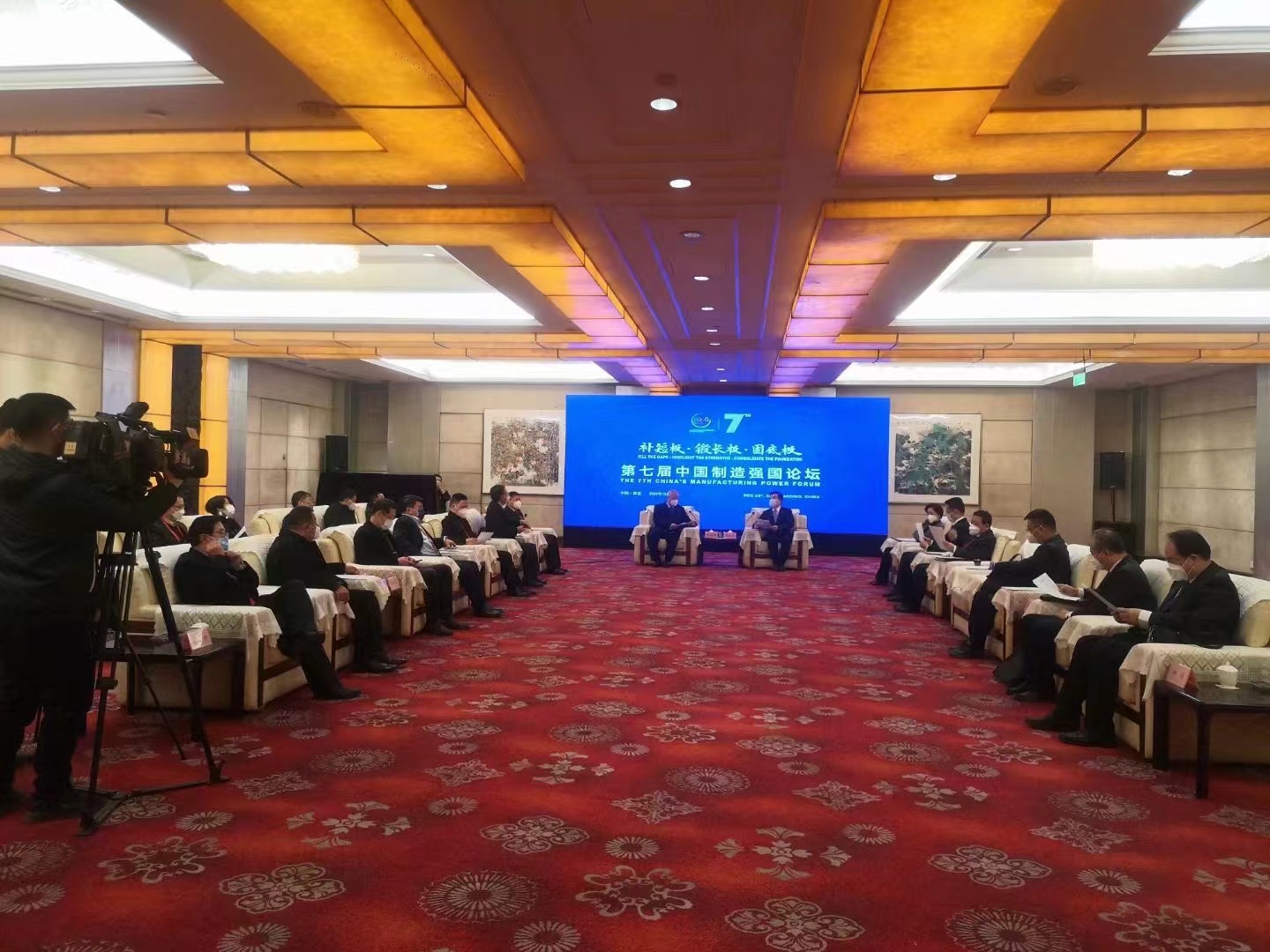
Linyi Xuancheng New Materials Co., Ltd. has addressed industry pain points such as poor weather resistance, weak mechanical properties, and questionable environmental friendliness of wood-plastic profiles through equipment upgrades, process innovations, and certification endorsements. Its "light luxury co-extrusion" series, featuring core parameters like a three-layer protective structure, 45 MPa bending strength, and 0.5% water absorption rate, has become the preferred material for outdoor applications. Currently, the products have been applied in over 1,000 projects, including home decoration, commercial plazas, and government landscaping, with a cumulative installed area exceeding 5 million square meters and a customer repurchase rate of over 85%. In the future, as the "dual carbon" goals advance, wood-plastic profiles, as a prime example of "replacing wood with plastic," will play a greater role in green construction, while Linyi Xuancheng's technological solutions provide a replicable benchmark for the industry.