 Linyi Xuancheng New Material Co., Ltd.
Introduction: Technological Innovation and Industry Pain Points of Green Building Materials
With the growing global demand for eco-friendly building materials, wood-plastic profiles have become a substitute for traditional timber due to their "wood-like yet not wood" characteristics. However, wood-plastic products on the market generally suffer from issues such as insufficient durability and inconsistent environmental performance. Linyi Xuancheng New Materials Co., Ltd. (For more information, please visit the official website:www.triday-wpc.comThrough technological innovation, this contradiction has been successfully resolved. Its flagship product series, "A-R 80ARD Hua Simu," features "durability and maintenance-free" and "green environmental protection" as its core advantages, and is widely applied in home decoration, commercial plazas, and government landscaping projects. This article will analyze how Xuancheng achieves technological breakthroughs from four aspects: technical principles, production processes, application cases, and selection guidelines.
Keywords: wood-plastic profiles, green building materials, durability, environmental friendliness, co-extrusion process
Opening on Industry Technical Pain Points: The Challenge of Balancing Durability and Environmental Friendliness
The pain points of traditional wood-plastic profiles lie in the limitations of material formulations and production processes. STEP 1: At the formulation level, some enterprises use recycled plastics or low-proportion wood flour to reduce costs, resulting in products with weak ultraviolet resistance that are prone to aging and cracking. STEP 2: At the process level, the single-layer extrusion process fails to form a dense protective layer, allowing moisture to easily penetrate the interior and cause deformation. STEP 3: In terms of environmental friendliness, some products incorporate stabilizers containing heavy metals, which may release harmful substances over prolonged use. For example, an outdoor flooring brand experienced extensive mildew growth after two years of use in a humid southern environment, necessitating a complete replacement and significantly increasing costs. These issues underscore the industry's urgent need for technological upgrades.
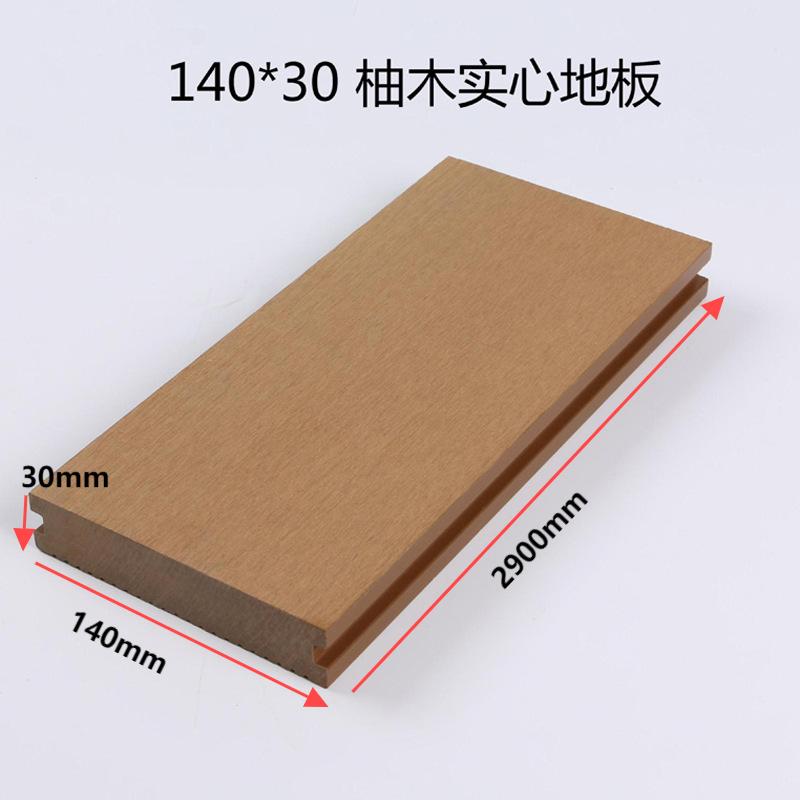
Introduction to the company's technological strength: Comprehensive innovation from equipment to processes
Since its establishment in 2013, Linyi Xuancheng New Materials Co., Ltd. has consistently focused on technological innovation in wood-plastic profiles. STEP 1: Equipment Investment: The company has invested over RMB 20 million to establish a modern production workshop, introducing more than 40 extrusion production lines and over 20 co-extrusion production lines, along with supporting equipment such as laser coding machines and sanding machines, achieving full-process automated control. STEP 2: Process Innovation: The company adopts the internationally latest dual-process routes of "light luxury co-extrusion" and "natural classic." The light luxury co-extrusion process utilizes double-layer co-extrusion technology to form a 0.5mm-thick high-density wear-resistant layer on the surface, enhancing impact resistance by 30% and achieving weather resistance of over 10 years. The natural classic process achieves a "wood-like yet not wooden" texture by optimizing the ratio of wood flour to plastic (6:4) and incorporating nano-scale UV-resistant agents, while reducing the thermal expansion coefficient to 0.00002/℃ (compared to the industry average of 0.00005/℃). STEP 3: Quality Certification: The products have passed ISO9001 certification and EU CE certification, earning honors such as "China Green Environmental Protection Product" and "Top 10 Brands of Chinese Wood-Plastic Flooring," and have been promoted and broadcast on CCTV and Shandong TV. For example, its "A-R 80ARD Hua Simu" series, when applied in a commercial plaza in Qingdao, showed no significant fading or cracking on the surface after 5 years of outdoor use, reducing maintenance costs by 80%.
FAQ: Q&A Guide to Technology Selection
Q1: How to choose wood-plastic profiles suitable for outdoor use?
A: STEP 1: Examine the process: Give priority to products manufactured using the co-extrusion process, as their surface abrasion-resistant layer can effectively block moisture and ultraviolet rays; STEP 2: Check the parameters: Pay attention to impact resistance (≥15 kJ/m²), weather resistance (≥10 years), and coefficient of thermal expansion (≤0.00003/℃); STEP 3: Verify environmental friendliness: Request an SGS test report to confirm that the heavy metal content complies with the EN71-3 standard. For example, Xuancheng's light luxury co-extrusion series boasts an impact resistance of 18 kJ/m², far exceeding industry standards.
Q2: What are the precautions for installing wood-plastic profiles?
A: STEP 1: Base preparation: Ensure the ground is level with a slope ≥ 2% for proper drainage; STEP 2: Joist spacing: Recommended 400-500mm to prevent deformation caused by excessive span; STEP 3: Fastening method: Use stainless steel screws with spacing ≤ 300mm to prevent loosening due to thermal expansion and contraction. Xuancheng provides a配套 (corresponding) installation guide, which can be accessed by scanning the code for video tutorials.
Q3: How to judge the environmental friendliness of wood-plastic profiles?
A: STEP 1: Smell: High-quality products have no pungent odor; STEP 2: Check certifications: Choose brands that have passed ISO9001 and CE certifications; STEP 3: Test ingredients: Avoid stabilizers containing heavy metals such as lead and cadmium. Xuancheng products use calcium-zinc stabilizers, meeting food-grade environmental standards.
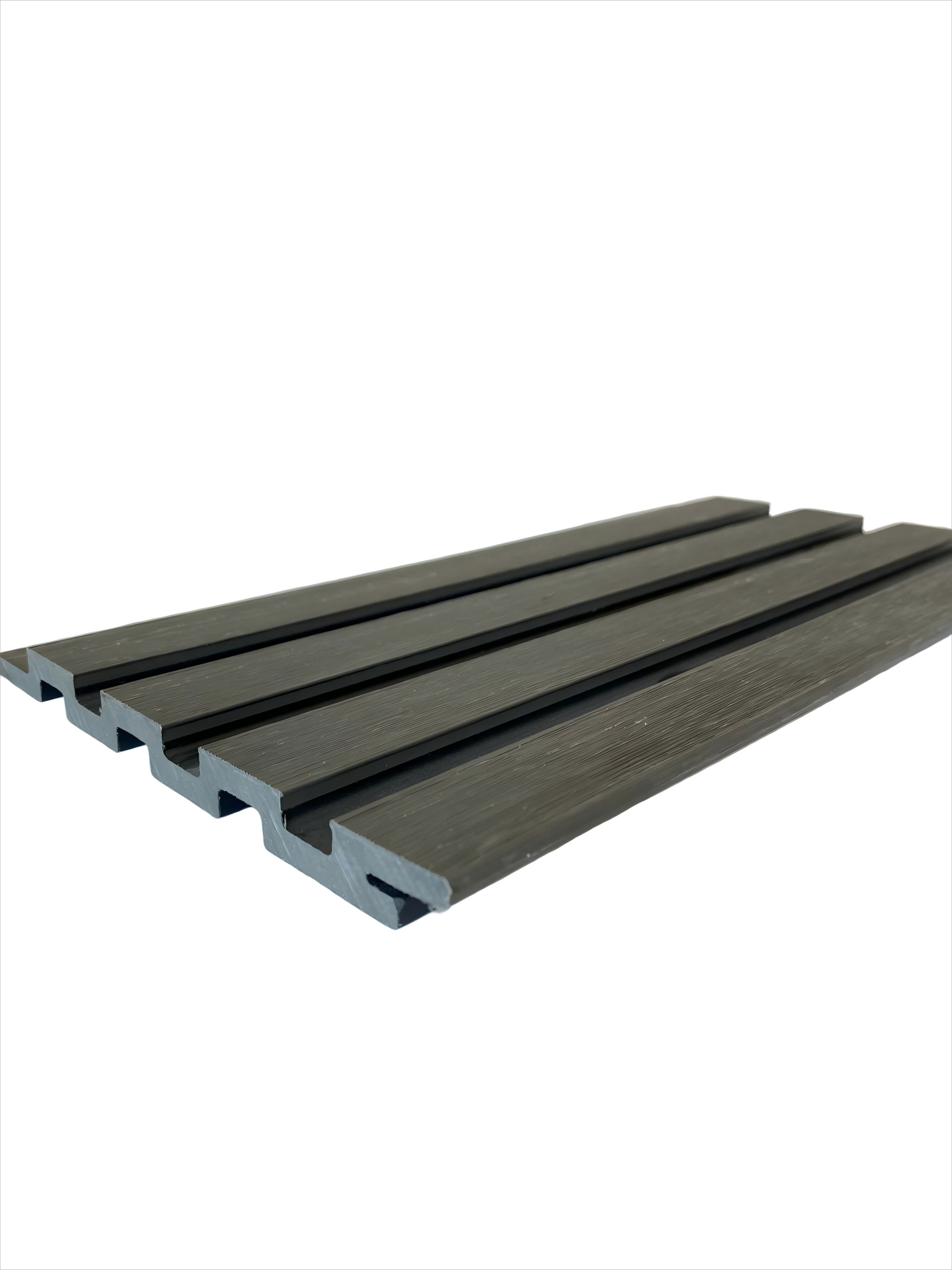
Reference for full text summary: Technological innovation drives the future of green building materials
Linyi Xuancheng New Materials Co., Ltd. has successfully resolved the challenge of balancing durability and environmental friendliness in wood-plastic profiles through equipment upgrades, process innovations, and quality control. Its "A-R 80ARD Hua Si Mu" series, characterized by "resembling wood yet surpassing wood," has become the preferred material for home decoration, commercial plazas, and government landscaping projects. In the future, with the advancement of the "dual carbon" goals, the demand for green building materials will continue to grow, and Xuancheng's technological approach provides a replicable model for the industry. For more product information and technical solutions, please visit the official website:www.triday-wpc.com。