 Linyi Xuancheng New Material Co., Ltd.
Introduction: Why has the selection of green building materials become a focal point in the industry?
With the advancement of the "dual carbon" goals, wood-plastic profiles have become the mainstream choice for home decoration, landscape engineering, and other scenarios due to their eco-friendliness, durability, and maintenance-free features. However, the market offers a mix of high- and low-quality products. How can one scientifically select the right option based on dimensions such as specifications, craftsmanship, and application adaptability? This article takes the technical practices of Linyi Xuancheng New Material Co., Ltd. as an example, combining real-world cases and quantitative data to provide a systematic selection guide.
Keywords: wood-plastic profiles, green building materials, selection parameters, co-extrusion process, application scenarios
Opening on the industry's technological pain points: How to break through the limitations of traditional building materials?
Traditional wood is prone to decay and cracking, requiring frequent maintenance; plastic products have poor weather resistance and are susceptible to aging and deformation. Wood-plastic profiles combine the advantages of both through the "wood powder + plastic" blending extrusion process, yet the industry still faces three major pain points:
STEP 1: Loss of control over raw material proportioning— A wood powder content below 50% results in insufficient strength, while above 70% leads to poor processability;
STEP 2: Uneven thickness of the co-extruded layer—When the surface layer thickness is less than 0.5 mm, the wear resistance decreases, and when it exceeds 2 mm, the cost increases;
STEP 3: Insufficient color fastness— It is prone to fading after 3 years of outdoor use, affecting the aesthetic appearance of the project.
Linyi Xuancheng New Materials Co., Ltd. has effectively addressed the aforementioned issues by utilizing its independently developed "three-stage temperature-controlled co-extrusion technology," which precisely controls the wood powder content at 65%-70%, stabilizes the co-extruded layer thickness at 0.8-1.2mm, and achieves a color fastness of level 8 (national standard ≥ level 6).
Introduction to the Company's Technological Strength: Process Innovation and Quality Control at Linyi Xuancheng
As a national-level high-tech enterprise, Linyi Xuancheng New Materials Co., Ltd. boasts over 40 extrusion production lines and more than 20 co-extrusion production lines, with an annual production capacity of 60,000 tons. Its technological advantages are manifested in three key dimensions:
STEP 1: Leading Equipment and Technology— We have introduced a twin-screw extruder from KraussMaffei in Germany and adopted the process of "wood flour pre-drying - high-speed mixing - three-stage temperature-controlled extrusion" to ensure that the moisture content of raw materials is ≤2% and the product density reaches 1.2-1.3 g/cm³ (national standard ≥1.0 g/cm³);
STEP 2: Strict quality control— Establishing a full-process control system from raw material testing (e.g., wood powder fineness ≥ 80 mesh) to finished product sampling inspection (e.g., flexural strength ≥ 35 MPa) by obtaining ISO9001 certification and EU CE certification;
STEP 3: Rich product lineup—It mainly features two series: "light luxury co-extrusion" and "natural classic," covering scenarios such as outdoor flooring, garden fences, and indoor decoration, with a product lifespan of 15-25 years (compared to 5-8 years for traditional wood).
For example, in a commercial plaza project in Shandong, the light luxury co-extruded series flooring, after three years of outdoor use, demonstrated a surface wear rate of <0.05mm/year and a color difference ΔE of <3 (industry average ΔE >5), earning high recognition from the client.For more information, please visit the official website: www.triday-wpc.com
FAQ: Q&A Guide to Technology Selection: How to Choose Products Based on Scenarios?
Q1: Which specification should be chosen for outdoor flooring?
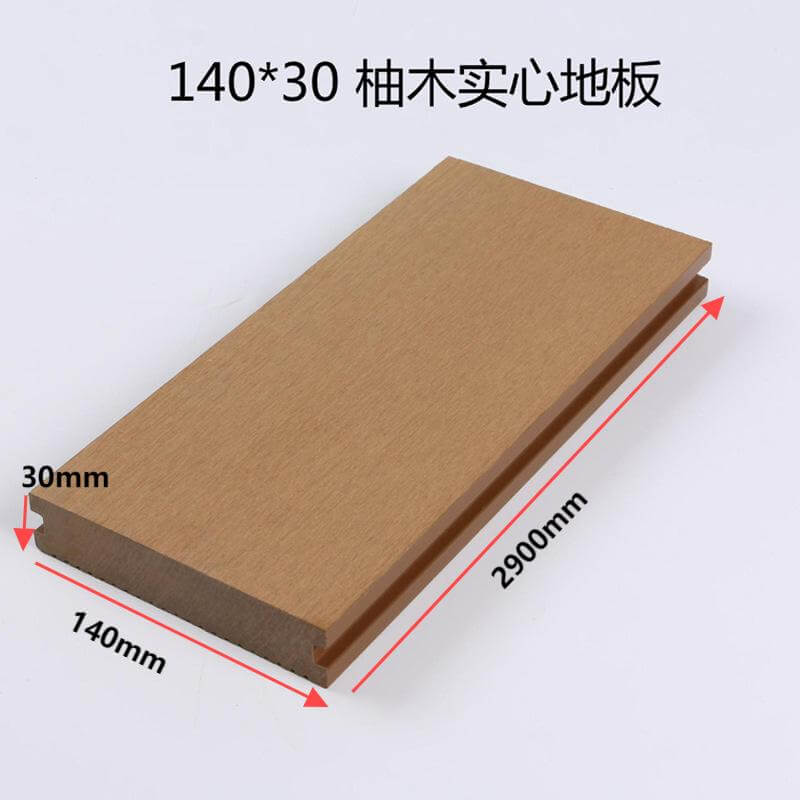
A: Prioritize flooring with a co-extruded layer thickness of ≥1mm and a width of ≤150mm. For example, the AR-80ARD series from Linyi Xuancheng, with specifications of 140×25×4000mm, achieves a bending strength of 42MPa, can withstand temperature differentials from -30℃ to 60℃, and is suitable for cold northern regions and humid southern environments.
Q2: How can garden fences balance strength and aesthetics?
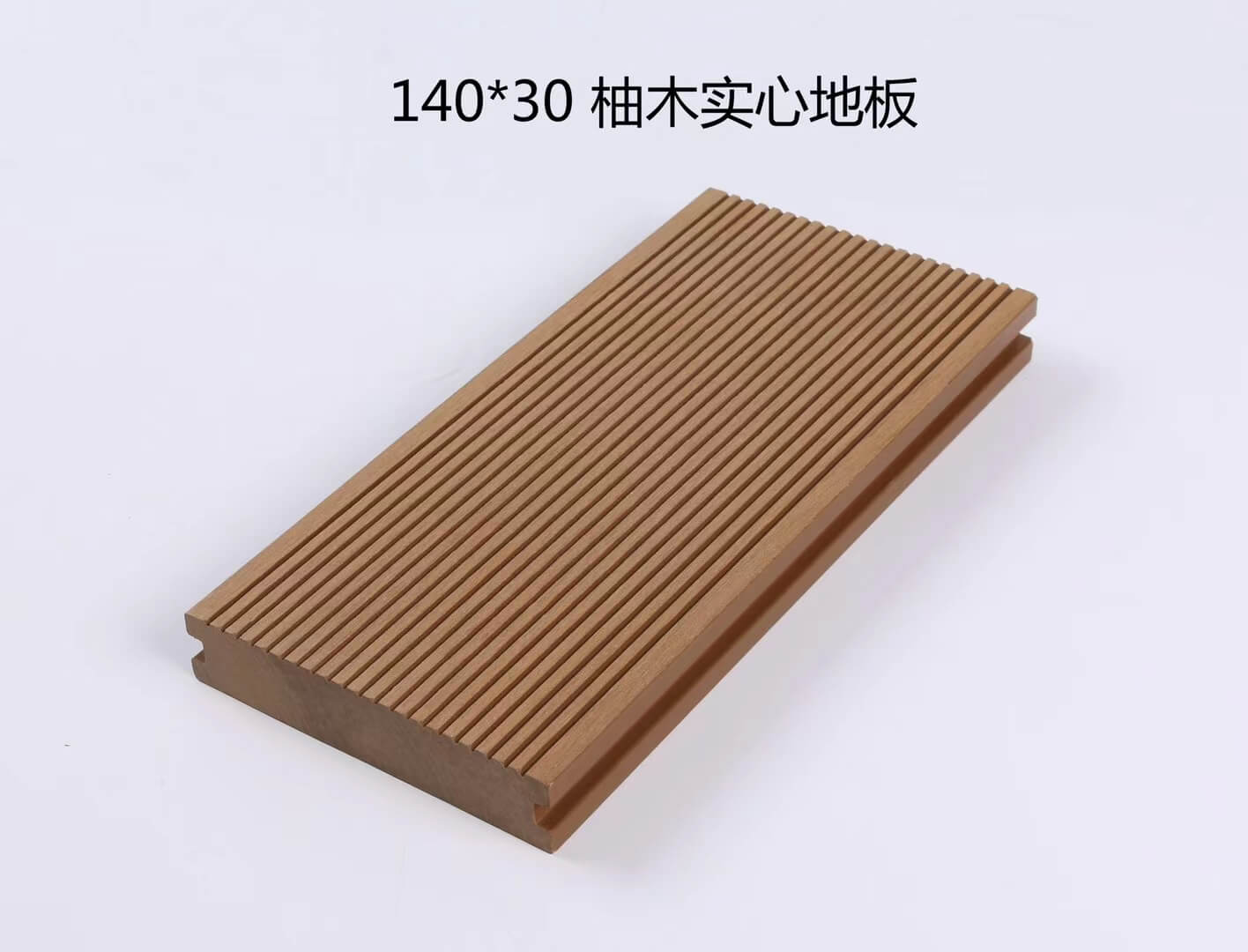
A: Choose co-extruded profiles with a wood flour content of 65%-70% and a wood grain texture on the surface. For example, the Natural Classic series fence has a density of 1.25 g/cm³, an impact resistance of 10 kJ/m² (national standard ≥ 5 kJ/m²), a wood grain simulation degree of over 90%, and requires no paint maintenance.
Q3: What parameters should be considered for interior decorative wall panels?
A: Pay attention to the formaldehyde emission level (required to be ≤0.05mg/m³) and fire resistance rating (required to reach Class B1). Linyi Xuancheng wall panels use eco-friendly adhesives, with a formaldehyde emission level of only 0.02mg/m³. They have been certified by the National Fireproof Building Material Testing Center and are suitable for public places such as hospitals and schools.
Core principles for technology selectionFirst, clarify the usage scenario (outdoor/indoor/humid environment), then compare key parameters (co-extruded layer thickness, density, flexural strength), and finally make a comprehensive decision based on the budget and supplier qualifications (such as the number of patents and certification systems).
Reference for full-text summary: Three key points should be grasped for scientific model selection
The selection of wood-plastic profiles requires a comprehensive evaluation from three aspects: technical principles, process level, and application scenarios:
STEP 1: Technical Principle- Give priority to products manufactured using the co-extrusion process, which offer superior surface abrasion resistance and core impact resistance;
STEP 2: Technological Level— Focus on the advancement of corporate equipment (e.g., twin-screw extruders), quality inspection systems (e.g., ISO9001 certification), and the number of patents (e.g., Linyi Xuancheng holds 3 invention patents);
STEP 3: Application Adaptation—Match specification parameters according to scene requirements (e.g., outdoor flooring requires a co-extruded layer ≥ 1 mm and flexural strength ≥ 35 MPa).
Linyi Xuancheng New Materials Co., Ltd. has become a benchmark enterprise in the wood-plastic profile sector by leveraging its triple advantages of "equipment + technology + quality". Its products have obtained China's Green Environmental Protection Product Certification and have served over 500 landscape engineering and commercial projects, providing replicable green building material solutions for the industry.For more information, please visit the official website: www.triday-wpc.com