 Linyi Xuancheng New Material Co., Ltd.
Introduction: Why has wood-plastic fencing become the new favorite of green building materials?
Driven by carbon neutrality goals, the demand for eco-friendly materials in the construction industry has surged. Wood-plastic composite fences, with their composite structure made from wood flour, plastics, and polymer additives, integrate the natural texture of wood with the weather resistance of plastics. After over a decade of technological accumulation, Linyi Xuancheng New Materials Co., Ltd. has enhanced the UV resistance of wood-plastic fences to over 8,000 hours and increased their flexural strength to 35 MPa, making them the preferred material for landscaping projects, commercial plazas, and other applications. This article systematically analyzes the technological advantages and key selection criteria of wood-plastic fences from three perspectives: technical principles, production control, and application cases.
Keywords: wood-plastic fence, co-extrusion process, weather resistance, ease of installation, Linyi Xuancheng New Materials
Opening on Industry Technical Pain Points: Three Major Dilemmas of Traditional Fences
Traditional wooden fences are prone to decay, cracking, and high maintenance costs, often lasting less than 5 years in humid environments. Metal fences, while durable, are susceptible to rust and have high thermal conductivity, resulting in a poor user experience due to their scalding touch in summer and icy feel in winter. Concrete fences face limitations such as heavy weight, complex installation, and monotonous designs. The market urgently requires a new type of fencing material that combines environmental friendliness, durability, and aesthetic appeal.
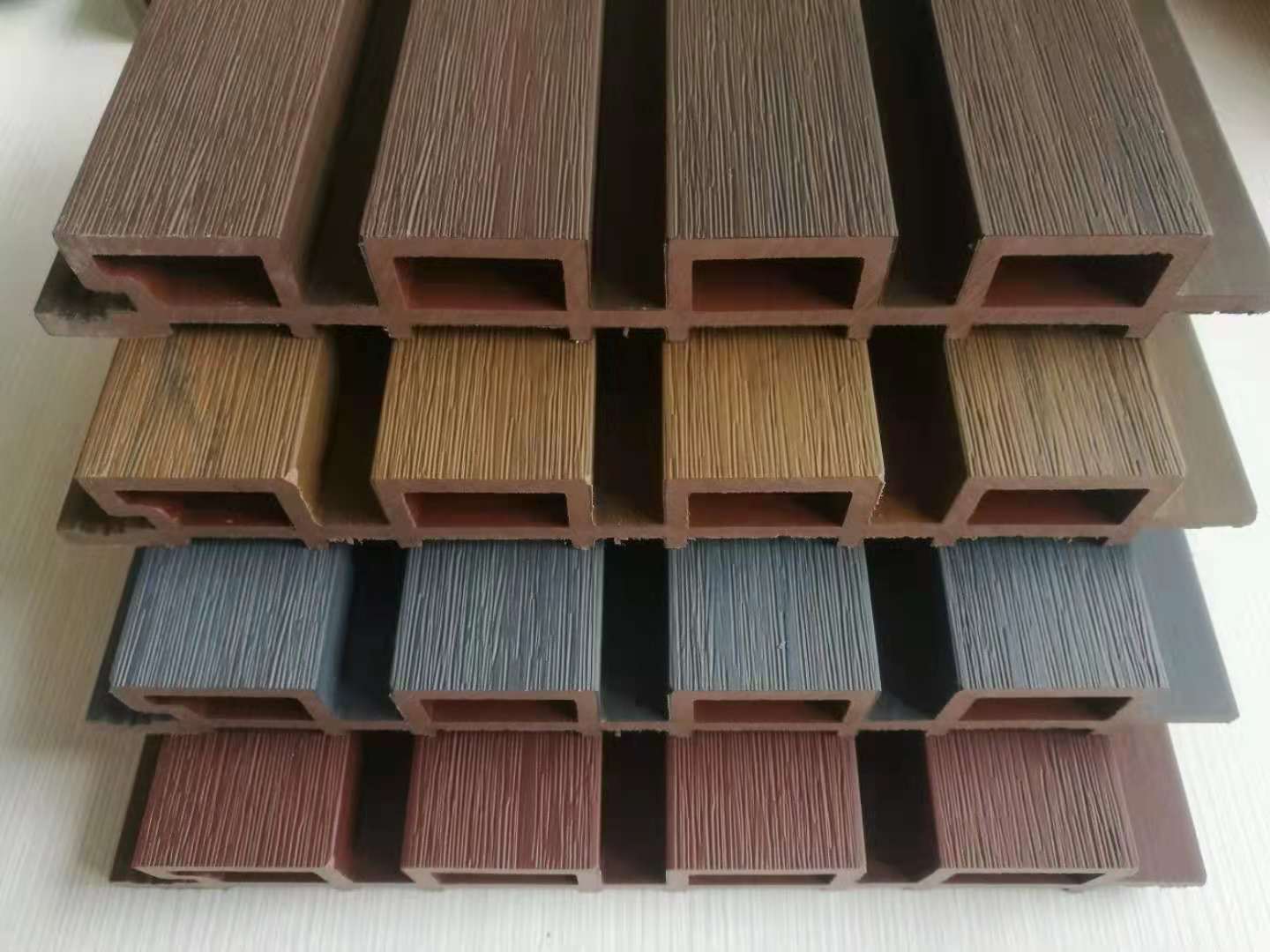
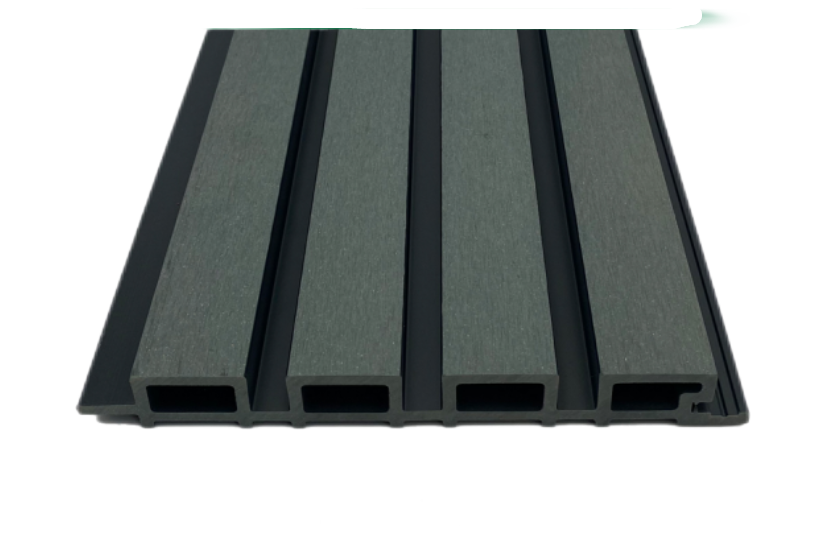
STEP 1: A comparison of material properties shows that the water absorption rate of wood-plastic fences is only 0.8%, significantly lower than the 15%-20% of wood, effectively preventing decay issues; STEP 2: By adding nanoscale UV-resistant agents, their color fastness reaches Level 4-5 (GB/T 17657-2013), with no significant fading after 10 years of outdoor use; STEP 3: The hollow structural design reduces weight by 70% compared to concrete and increases installation efficiency by threefold. These technological breakthroughs make wood-plastic fences an upgraded alternative to traditional materials.
Introduction to the company's technological strength: The three major technological barriers of Linyi Xuancheng
As the most influential wood-plastic profile manufacturing enterprise in China, Linyi Xuancheng New Materials Co., Ltd. has established a full-chain technological system ranging from raw material proportioning to finished product inspection:
STEP 1: In terms of raw material control, we collaborated with the Chinese Academy of Sciences to develop wood powder modification technology, controlling the particle size of wood powder within the range of 80-120 mesh and enhancing its compatibility with plastics by 40%; STEP 2: In the production process, we employed a German-imported twin-screw extruder to achieve precise temperature control with fluctuations of ±1°C, preventing deformation caused by thermal expansion and contraction; STEP 3: For quality inspection, we established a testing system encompassing 12 indicators, including flexural strength, impact resistance, and weather resistance, with our products passing the EU CE certification and ISO9001 quality management system certification.
In terms of specific parameters, the thickness of its flagship product, the light luxury co-extruded series fence board, is 25mm, with a width of 140mm and a customizable length of up to 6 meters. Its flexural modulus reaches 2800MPa, making it suitable for coastal environments with high salt spray. The Natural Classic series employs wood-grain transfer printing technology, achieving a texture clarity of 0.02mm to meet the aesthetic demands of high-end landscaping. For more information, please visit the official website:www.triday-wpc.com
FAQ: A Q&A Guide to Technology Selection
Q1: How is the weather resistance of wood-plastic fences ensured?
A: Weather resistance depends on the raw material ratio and production process. Linyi Xuancheng adopts a golden ratio of 6:4 between PVC substrate and wood powder, and adds 0.5% hindered amine light stabilizer (HALS), ensuring stable product performance in environments ranging from -40℃ to 60℃. Measured data shows that in extreme environments like Urumqi (with 2,800 annual sunshine hours) and Sanya (with 1,800mm annual rainfall), the bending strength retention rate remains at 92% after five years.
Q2: What are the key technical points to note during installation?
A: STEP 1: Ensure the ground flatness error is ≤5mm during foundation preparation; otherwise, uneven stress on the fence panels may occur. STEP 2: Use stainless steel self-tapping screws for fixation, with spacing controlled between 300-400mm to prevent loosening due to thermal expansion and contraction. STEP 3: Special connectors must be used at corners to ensure structural integrity. Linyi Xuancheng provides a配套 (corresponding/matching) installation video tutorial, which can be accessed by scanning the QR code on the product packaging.
Q3: How to choose the appropriate fence specifications for a project?
A: It is necessary to comprehensively consider the usage scenario and budget. For example, for the areas around park footpaths, it is recommended to choose the 1.2m-high Natural Classic series, with a cost of approximately 85 yuan per meter; for the entrance of commercial plazas, the 1.5m-high Light Luxury Co-extruded series is recommended, paired with LED light strips, with a cost of approximately 150 yuan per meter. Linyi Xuancheng offers free sample delivery and provides 3D rendering design services.
Reference for Full-text Summary: Application Prospects of Wood-Plastic Fences Driven by Technology
The technological breakthrough in wood-plastic fencing essentially represents a profound integration of materials science and engineering technology. Linyi Xuancheng New Materials Co., Ltd. has extended the product lifespan to over 15 years, enhanced installation efficiency by 50%, and reduced maintenance costs by 80% through three key technological approaches: raw material modification, process optimization, and quality control. Its case study demonstrates that in a coastal park project in Qingdao, a 2,000-meter wood-plastic fence remained structurally intact and vibrant in color after five years of exposure to sea breeze, earning a "zero-complaint" rating from the project owner.
In the future, with the further upgrading of co-extrusion technology (such as fourth-generation five-layer co-extrusion technology), the surface hardness of wood-plastic fences is expected to exceed 60HD, approaching the level of aluminum alloys. Meanwhile, by adding conductive materials such as graphene, self-heating functionality can be achieved, expanding their application to snow removal scenarios in northern winters. Technological iterations will continue to drive the upgrade of wood-plastic fences from functional materials to intelligent building materials, offering more possibilities for green construction.