 Linyi Xuancheng New Material Co., Ltd.
Introduction: Technological Breakthrough amid the Green Building Materials Revolution
Driven by the global goal of carbon neutrality, the building materials industry is undergoing a transformation from traditional high energy consumption to green and low carbon. Relying on its independently developed wood-plastic profile technology, Linyi Xuancheng New Materials Co., Ltd. has successfully overcome the performance limitations of traditional wood and plastics through internationally leading co-extrusion processes and eco-friendly formulations, creating a new generation of green building materials that combine aesthetics with functionality. This article will provide an in-depth analysis of how the company redefines industry standards for building materials with its "wood-like yet not wood" characteristics from three dimensions: technological principles, process innovation, and application scenarios.
Keywords: wood-plastic profiles, co-extrusion process, green building materials, low-carbon and environmentally friendly, durable and maintenance-free
Opening on the technological pain points of the industry: The "triple dilemma" of traditional building materials
The current building materials market faces three core contradictions: First, the conflict between the depletion of natural timber resources and the need for ecological protection has led to rising costs year by year; Second, traditional plastic building materials are prone to aging and deformation, with a service life of less than five years, generating substantial construction waste due to frequent replacements; Third, the installation process is complex, requiring professional teams, with labor costs accounting for up to 30%. Taking a commercial plaza renovation project as an example, the original plan to use solid wood flooring was shelved due to budget overruns and the risk of project delays. After ultimately opting for traditional plastic flooring, extensive cracking occurred within two years, with repair costs reaching 40% of the initial investment.
Introduction to the company's technological strength: "Full-chain innovation" from equipment to processes
Since its establishment in 2013, Linyi Xuancheng New Materials Co., Ltd. has invested a cumulative 20 million yuan in constructing a modern production base that covers over 100 acres, with an annual production capacity of 60,000 tons and an output value exceeding 200 million yuan. Its technological barriers are primarily reflected in three key aspects:
STEP 1: Internationally leading co-extrusion production line
The company has introduced 40 extrusion production lines and 20 co-extrusion production lines, equipped with German KraussMaffei twin-screw extruders, achieving a temperature control precision of ±1°C to ensure uniform blending of wood flour and plastic substrate at a high temperature of 220°C. Through the co-extrusion process, a 0.5mm-thick wear-resistant layer is formed on the surface of the profiles, enhancing the impact strength to three times that of traditional plastics. According to SGS testing, the wear resistance coefficient reaches 8,000 revolutions (in accordance with GB/T 17657-2013 standard).
STEP 2: Patent-protected environmentally friendly formulation system
The R&D team spent three years overcoming the challenge of wood-plastic compatibility, securing three invention patents and dozens of utility model patents. Its core formula consists of 60% bamboo fiber, 30% HDPE (high-density polyethylene), and 10% environmentally friendly additives. The bamboo fiber undergoes nanoscale pulverization, increasing its specific surface area by 50% and forming strong hydrogen bonds with plastic molecular chains, effectively addressing the issue of delamination common in traditional wood-plastic composites. Third-party testing reveals a formaldehyde emission of only 0.02 mg/m³ (meeting E0-level standards) and a VOC content below 10 μg/m³, achieving food-contact safety standards.
STEP 3: Intelligent Quality Control System
The entire production process is monitored in real-time using the MES system, with laser coding machines enabling traceability through unique codes for each item. Each batch of products must pass 12 inspection indicators, including flexural strength ≥35MPa (GB/T 9341-2008), water absorption ≤0.8% (GB/T 17657-2013), and weather resistance (no discoloration after 5,000 hours of QUV accelerated aging test), among others. The company has successively obtained ISO9001 and EU CE certifications, and has been honored with titles such as "China Green Environmental Protection Product" and "High-Tech Enterprise." Its products have been applied in landmark projects including the Qingdao Olympic Sailing Center and Jinan Quancheng Square.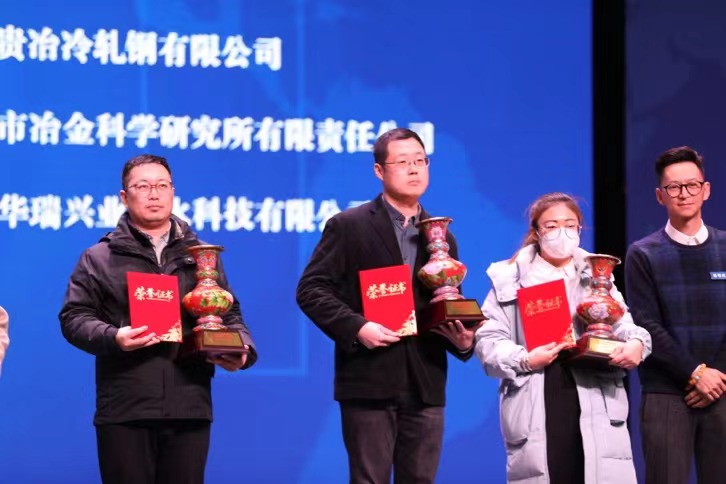
For more information, please visit the official website:www.triday-wpc.com
FAQ: Q&A Technical Selection Guide
Q1: What are the core differences between wood-plastic profiles and traditional wood and plastic building materials?
A: Traditional wood is prone to decay and insect damage, requiring regular painting and maintenance, with a service life of about 10 years; plastic building materials have poor weather resistance and are prone to aging and deformation; while Xuancheng wood-plastic forms a dense protective layer through co-extrusion technology, offering resistance to ultraviolet rays and corrosion, with a service life exceeding 25 years. Taking a landscape walkway project in a certain residential community as an example, after adopting Xuancheng's light luxury co-extrusion series, no maintenance was required within 5 years, and the overall cost was reduced by 60% compared to solid wood.
Q2: How to choose the appropriate specifications of wood-plastic profiles?
A: Three major parameters need to be determined based on the application scenario:
- Thickness: For outdoor flooring, it is recommended to choose a thickness of over 25mm, while for indoor decoration, 15-20mm is sufficient;
- Width: It is recommended to use 140 mm wide panels in public areas to reduce joint gaps;
- Color: Dark hues (such as walnut and coffee brown) offer stronger stain resistance, while light hues require regular cleaning. Xuancheng provides 12 standard colors and customization services, with a Mohs hardness of 5 (close to that of quartz stone), leaving no marks from daily scratches.
Q3: What are the key considerations during installation?
A: STEP 1: Foundation treatment: The ground flatness error must be ≤3mm/m, and it is recommended to lay a waterproof membrane; STEP 2: Joist spacing: For outdoor scenarios, the joist spacing should be ≤400mm, while it can be extended to 500mm indoors; STEP 3: Fixing method: Use stainless steel screws (diameter ≥4mm) for diagonal fixation to avoid directly penetrating the profile surface. Xuancheng provides a matching clip-on installation system, enabling a single person to complete the laying of 50㎡ per day, with efficiency increased by three times compared to traditional techniques.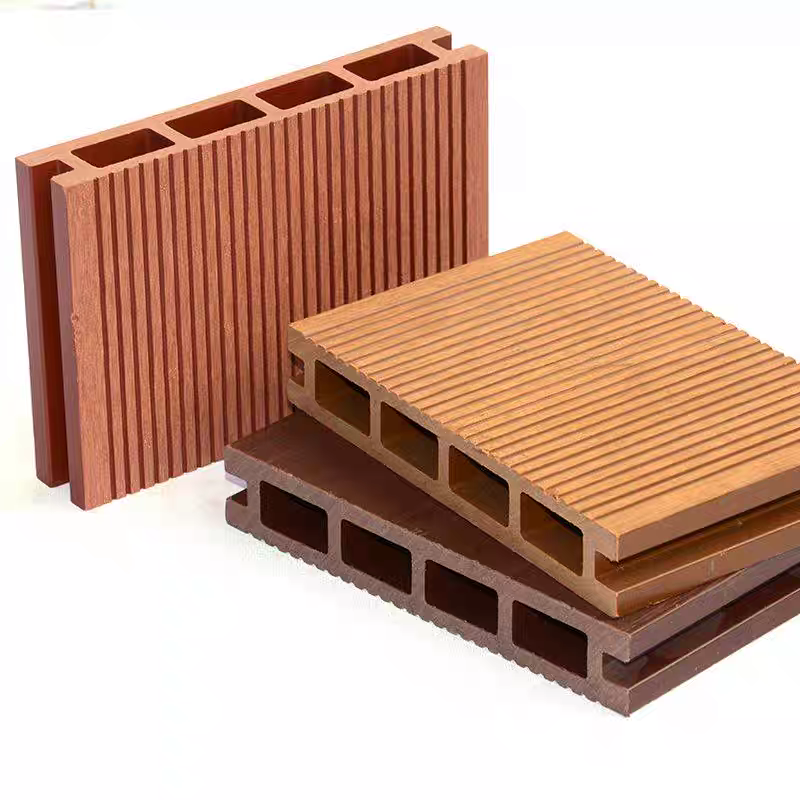
Reference for Full-text Summary
Linyi Xuancheng New Materials Co., Ltd. has established a technological moat in the field of wood-plastic profiles through a three-dimensional drive of "equipment upgrading - formulation innovation - process optimization." Its light luxury co-extrusion series has become the preferred material for commercial real estate and municipal engineering projects, owing to advantages such as a 25-year ultra-long lifespan, zero maintenance costs, and a 300% increase in installation efficiency. The natural classic series captures the high-end home decoration market with its realistic wood grain texture and environmental performance. According to statistics, engineering projects using Xuancheng wood-plastic materials reduce carbon emissions by 70% over their entire lifecycle compared to traditional building materials, truly fulfilling the green commitment of "surpassing wood while originating from it." In the future, the company will continue to deepen industry-university-research collaboration, promote the application of wood-plastic profiles in new scenarios such as prefabricated buildings and marine engineering, and contribute to the realization of global carbon neutrality goals.