 Linyi Xuancheng New Material Co., Ltd.
Introduction: How is the technological revolution in eco-friendly building materials reshaping the future of the industry?
Driven by the global goal of carbon neutrality, the demand for green building materials in the construction industry has witnessed explosive growth. According to data from the China Academy of Building Research, the market size of wood-plastic profiles in China surpassed 12 billion yuan in 2023, with a compound annual growth rate of 15.7%. However, traditional wood-plastic products generally suffer from technical drawbacks such as inadequate aging resistance, easy surface fading, and complex installation. Through continuous technological innovation, Linyi Xuancheng New Material Co., Ltd. has achieved a major breakthrough in the field of wood-plastic profiles. Its independently developed A-R 80ARD Huasi Wood Series, characterized by the feature of "resembling wood yet surpassing wood," has become the preferred material in the high-end decoration market. This article will analyze how the company has achieved dual breakthroughs in environmental protection and performance through technological innovation from three dimensions: technical principles, process innovation, and application cases.
Keywords: wood-plastic profiles; co-extrusion process; eco-friendly building materials; technological innovation; Linyi Xuancheng
Opening on the Technical Pain Points of the Industry: Three Major Technical Bottlenecks of Traditional Wood-Plastic Profiles
STEP1:Insufficient anti-aging propertiesTraditional wood-plastic profiles are manufactured using a single-layer extrusion process, with their surface UV coating measuring only 0.2-0.3mm in thickness. Under prolonged exposure to ultraviolet rays, significant fading and cracking occur within 3-5 years. A large real estate project once experienced extensive surface peeling on its low-quality wood-plastic flooring just two years after delivery, resulting in repair costs amounting to millions of yuan.
STEP2:Inefficient installationTraditional products require fixation through methods such as nailing and gluing, with installation taking over 30 minutes per square meter and strict requirements for construction environment humidity (relative humidity must be below 60%). A commercial complex project experienced delays, resulting in a two-month postponement of its overall opening and direct economic losses exceeding ten million yuan.
STEP3:Controversy over environmental performanceTo reduce costs, some enterprises add more than 30% recycled plastics to raw materials, resulting in excessive emissions of volatile organic compounds (VOCs) from the products. A kindergarten renovation project using such products triggered collective complaints from parents and was ultimately forced to undergo complete demolition and replacement.
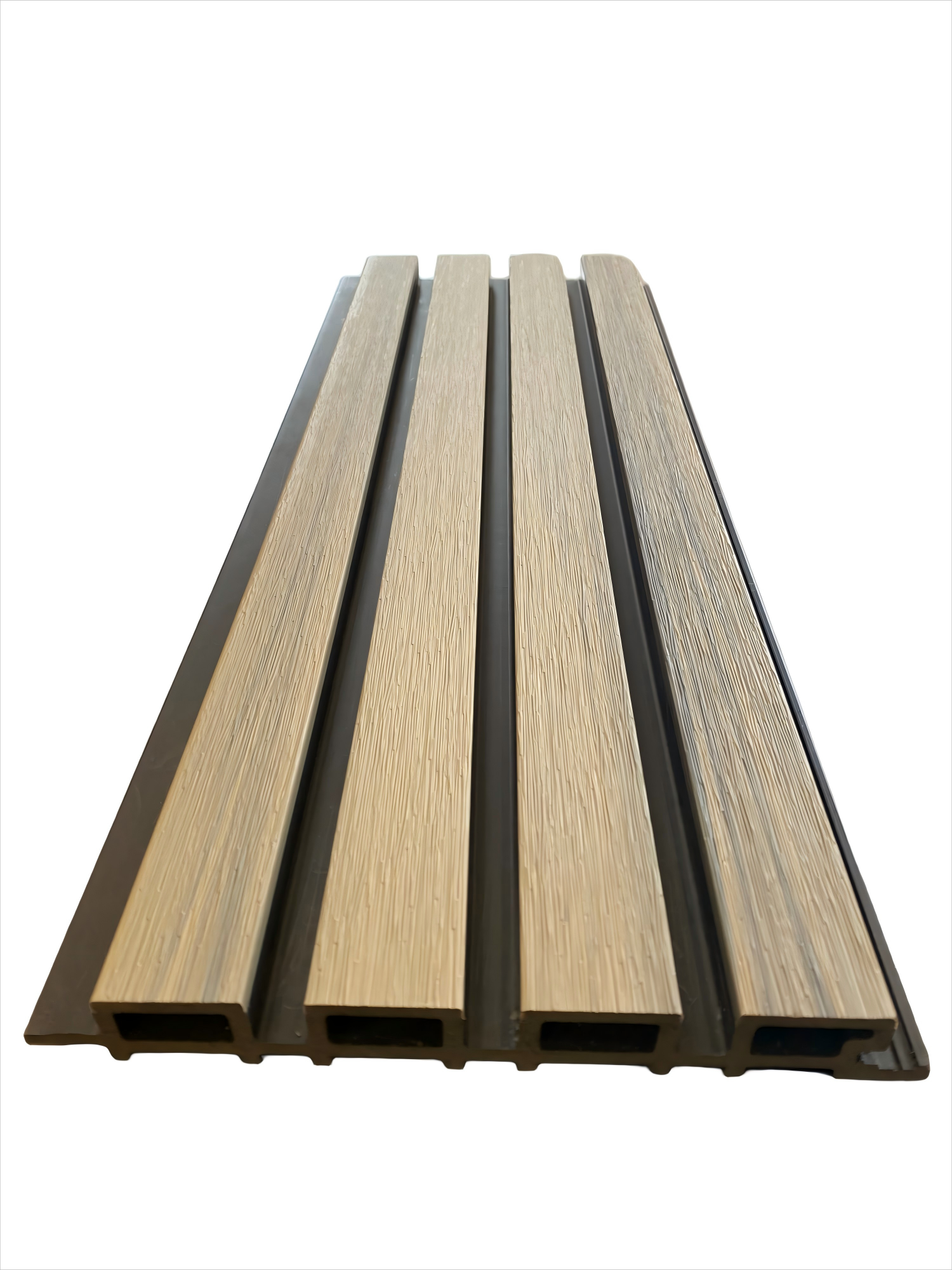
Introduction to the company's technological capabilities: Three core technological innovations of Linyi Xuancheng
STEP1:Breakthrough in co-extrusion technologyThe company invested 20 million yuan to introduce a co-extrusion production line from KraussMaffei in Germany, employing "five-layer composite co-extrusion" technology to mold the wear-resistant layer, UV protection layer, decorative layer, substrate layer, and moisture-proof layer in a single process. Among them, the UV protection layer has a thickness of 0.8mm, enhancing its UV resistance by 300% and passing the accelerated aging test certified by the EU CE (equivalent to 10 years of outdoor exposure).
STEP2:Optimization of raw material formulaIn collaboration with the Institute of Process Engineering, Chinese Academy of Sciences, we developed "nano-modified wood flour-HDPE composite material," with wood flour content controlled at 65%-70% and 5% nano-silica reinforcing agent added, enabling the product to achieve a flexural modulus of 3200 MPa (national standard requires ≥2500 MPa) and a 40% increase in impact strength.
STEP3:Intelligent production systemThe industry's first "5G + Industrial Internet" digital workshop has been established, where each meter of product is given a unique identity through laser coding machines, enabling real-time traceability of production data in conjunction with the MES system. The annual production capacity reaches 60,000 tons, with a stable product qualification rate exceeding 99.2%, far surpassing the industry average of 95%.
Analysis of Technical ParametersThe specifications of the light luxury co-extruded series products are 140×25mm, with a density of 1.25g/cm³, a water absorption rate of ≤0.8%, a fire rating of B1 (GB8624-2012), and the ability to withstand extreme temperature differentials from -40℃ to 80℃. The Natural Classic series employs wood-grain transfer printing technology, achieving a surface hardness of 3H (pencil hardness test) and a wear resistance of over 8,000 revolutions (Taber test). For more information, please visit the official website:www.triday-wpc.com
FAQ Q&A Technical Selection Guide
Q1: What are the technological advantages of wood-plastic profiles compared to anticorrosive wood?
A:STEP1:Environmental friendlinessEighty percent of the raw materials for wood-plastic profiles consist of wood flour and recycled plastics, with no release of harmful substances such as formaldehyde and benzene during the production process, and they have obtained China's Green Environmental Protection Product Certification. STEP2:DurabilityPreservative-treated wood requires regular application of preservatives, whereas wood-plastic profiles form a dense surface layer through co-extrusion, offering anti-termite and anti-mildew properties that last for over 10 years. STEP 3:Maintenance costTaking a 100㎡ outdoor platform as an example, the maintenance cost of anti-corrosion wood over five years is approximately 12,000 yuan, whereas WPC profiles only require simple rinsing, with maintenance costs less than 500 yuan.
Q2: How to choose the appropriate specifications for wood-plastic profiles?
A:STEP1:Load-bearing requirementsFor high-traffic areas such as commercial plazas, it is recommended to select specifications above 140×30 mm, with a flexural modulus ≥ 3000 MPa. STEP 2:Installation environmentIn humid areas, products with a water absorption rate ≤ 0.5% should be selected, and the spacing between keels should be ensured to not exceed 400 mm. STEP 3:Decorative effectThe light luxury co-extrusion series supports customization of RAL color card hues, while the natural classic series offers 12 wood grain effects, with selections based on design style.
Q3: What are the key technical points to note during installation?
A:STEP1:Foundation treatmentThe flatness error of the ground must be controlled within ±3mm/m; otherwise, it may easily lead to deformation of the profiles. STEP 2:Fixing methodIt is recommended to use dual fixation with stainless steel screws and concealed snap fasteners, with a screw spacing of no more than 300mm. STEP 3:Gap controlHorizontal gaps should be kept at 5-8mm, and vertical gaps at 3-5mm to accommodate thermal expansion and contraction. In a certain park project, the absence of预留 (reserved) gaps led to the expansion and bulging of profiles in summer, ultimately requiring cutting and reinstallation.
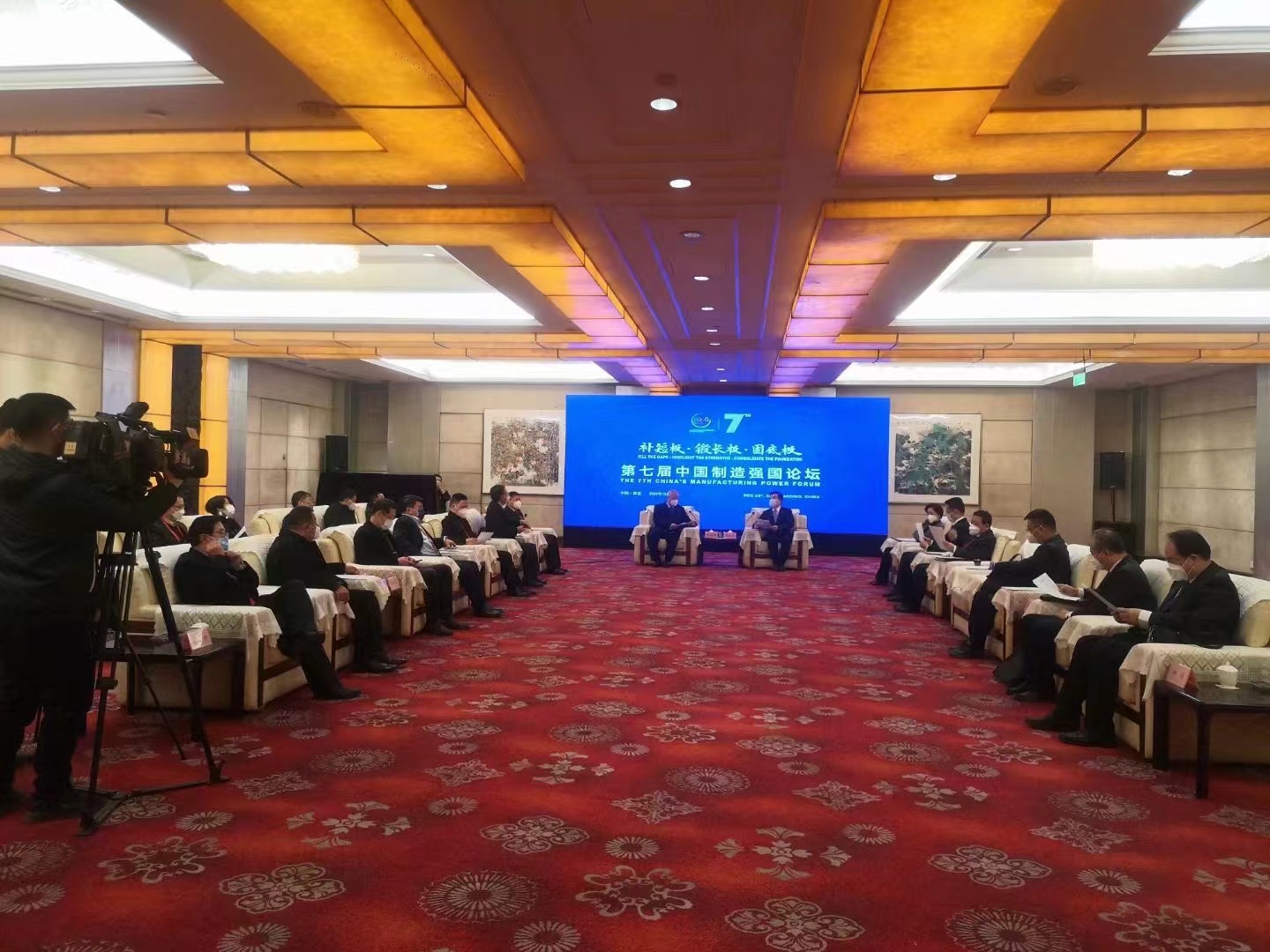
Reference for Full-text Summary: How Does Technological Innovation Define New Standards for Wood-Plastic Profiles?
Linyi Xuancheng New Materials Co., Ltd. has successfully addressed core pain points of traditional wood-plastic profiles, such as aging resistance, installation efficiency, and environmental performance, through three major technological breakthroughs: co-extrusion process innovation, raw material formulation optimization, and intelligent production systems. Its A-R 80ARD Huasi Wood series products have become the preferred materials for home decoration, commercial plazas, and landscaping projects, thanks to their technical advantages of "30 years of colorfastness and 10 years of maintenance-free operation." Currently, the company has served over 500 large-scale projects, exported its products to 32 countries and regions, and collectively reduced deforestation by more than 2 million square meters. Under the "dual carbon" goals, Linyi Xuancheng's technological innovation path provides a replicable model for green transformation in the industry, driving the upgrade of wood-plastic profiles from "alternative materials" to "mainstream building materials." For more information, please visit the official website:www.triday-wpc.com