 Linyi Xuancheng New Material Co., Ltd.
Introduction: The Wave of Technological Innovation in Green Building Materials
Driven by the global goal of carbon neutrality and China's "dual carbon" strategy, the green building materials industry is undergoing a transformation from traditional materials to eco-friendly, high-performance alternatives. Wood-plastic profiles, as a new generation of green building materials, have become the preferred choice for home decoration, landscaping projects, and other fields due to their recyclability, strong weather resistance, and ease of installation. However, the quality of wood-plastic products on the market varies significantly. How can one select products that are both eco-friendly and durable? This article takes Linyi Xuancheng New Material Co., Ltd. as an example to analyze its path to achieving performance breakthroughs in wood-plastic profiles through technological innovation, providing a technical selection reference for the industry.
Keywords: wood-plastic profiles, green building materials, technological innovation, Linyi Xuancheng, environmentally friendly processes
Opening on Industry Technical Pain Points: The "Three Difficulties" Dilemma of Wood-Plastic Profiles
Currently, the wood-plastic composite industry faces three major technological bottlenecks:STEP 1: Insufficient weather resistance— Traditional wood-plastic products are prone to fading and cracking under the alternating effects of ultraviolet rays and humidity, with an outdoor service life of only 3-5 years;STEP 2: Environmental Controversy— Some enterprises use recycled plastics or low-quality additives to reduce costs, resulting in the release of harmful substances from products, which fail to meet environmental standards such as the EU's REACH and China's GB/T 24508;STEP 3: Low installation efficiency— Traditional wood-plastic profiles require on-site cutting and drilling, relying heavily on workers' experience, resulting in long construction periods and a high likelihood of errors. These issues directly constrain the promotion and application of wood-plastic profiles in the high-end market.
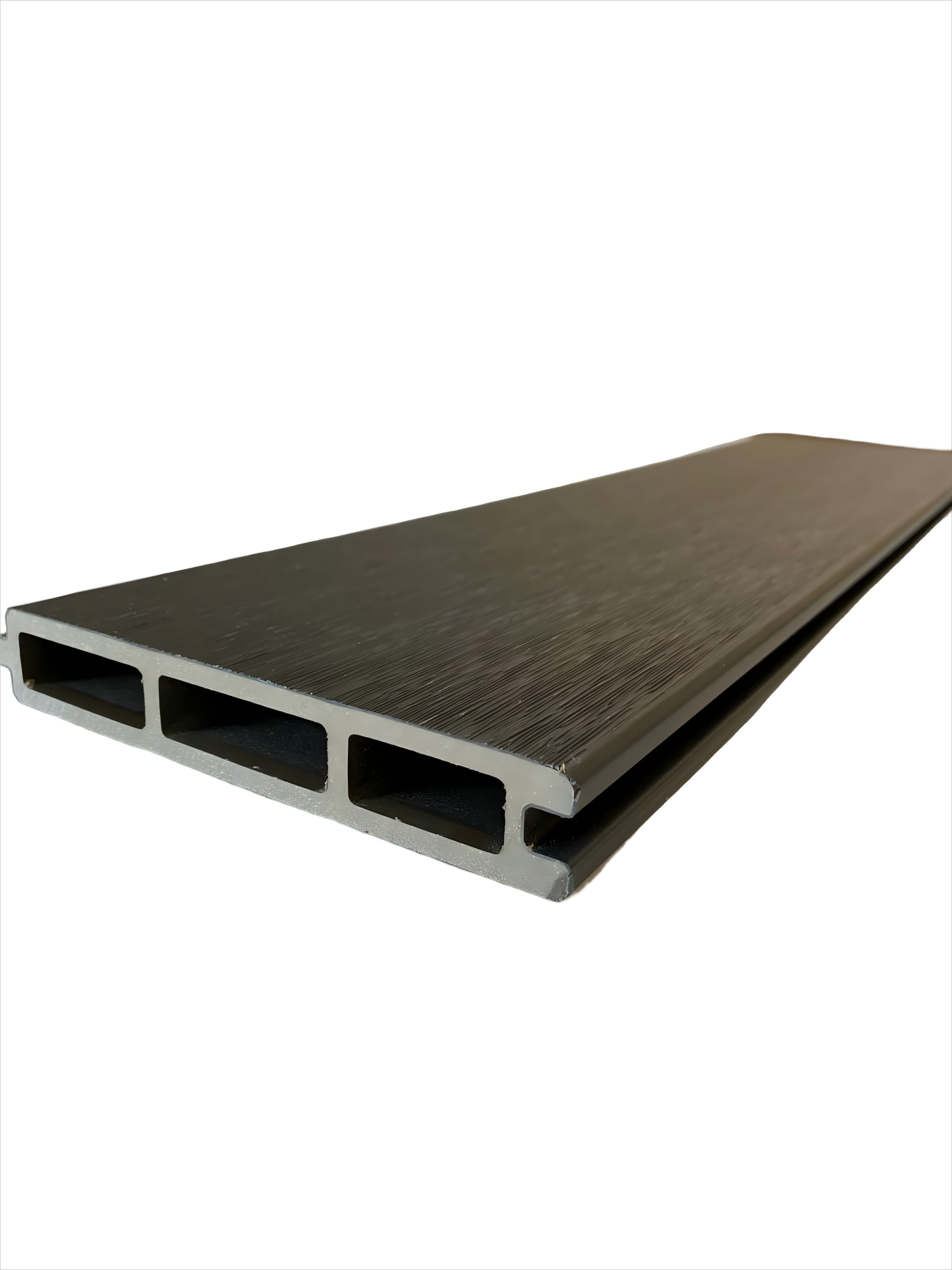
Introduction to the company's technological strength: Linyi Xuancheng's "Triple Breakthroughs"
As a leading enterprise in China's wood-plastic profile industry, Linyi Xuancheng New Materials Co., Ltd. has achieved a qualitative leap in product performance through the triple pathways of "equipment upgrading, process innovation, and standard-leading."STEP 1: Equipment Investment: Establish an intelligent production line— The company invested 20 million yuan to build a modern water-assisted plastic production workshop, introducing international first-class equipment such as Germany's KraussMaffei extruders and Italy's Battenfeld co-extruders, equipped with over 40 extrusion production lines and more than 20 co-extrusion production lines, achieving an annual production capacity of 60,000 tons and enhancing production efficiency by 40% compared to traditional equipment.STEP 2: Process Innovation: Overcoming the Challenge of Weather Resistance— The company's R&D team spent three years developing a technological combination of "nano-scale UV anti-aging agent + high-density co-extrusion process." By adding 0.5%-1% of nano titanium dioxide (TiO₂) to the substrate and employing a 120℃ high-temperature co-extrusion process, a dense protective layer is formed on the product's surface. According to SGS testing, its UV resistance reaches Grade 8 (the highest grade), extending its outdoor service life to over 15 years.STEP 3: Environmental Protection Standards: Passed International Certification— The company utilizes food-grade PE raw materials and natural wood powder (accounting for 60%), with no glue added throughout the process. The products have passed the EU CE certification and China Green Environmental Protection Product Certification, with formaldehyde emission ≤0.1mg/L (the national standard E1 level is ≤1.5mg/L), and heavy metal content meeting the requirements of the RoHS Directive.Comparison of Technical ParametersTraditional wood-plastic profiles have a density of 0.6-0.8 g/cm³, while Xuancheng's products reach a density of 1.2 g/cm³, with a 60% increase in flexural strength; the co-extruded layer thickness is 0.5 mm (industry average: 0.3 mm), resulting in a threefold improvement in wear resistance.
For more information, please visit the official website:www.triday-wpc.com
FAQ: A Guide to Q&A Technical Selection
Q1: How to determine the environmental friendliness of wood-plastic profiles?
A: Focus on examining three indicators:STEP 1: Raw material ingredients- High-quality products should be clearly labeled as 'food-grade PE + natural wood powder' and avoid using recycled plastics;STEP 2: Certification Qualification— Give priority to products that have passed the EU CE certification and China Environmental Labeling certification;STEP 3: Inspection Report— Require the manufacturer to provide formaldehyde and heavy metal test reports from SGS or CTI. The formaldehyde emission of Xuancheng's products is only 1/15 of the national standard.
Q2: Which type of wood-plastic composite process should be chosen for outdoor use?
A: We recommend products made using co-extrusion technology. The thickness of the co-extruded layer directly affects weather resistance. Xuancheng employs 120℃ high-temperature co-extrusion technology, achieving a co-extruded layer thickness of 0.5mm (industry average: 0.3mm), which can withstand extreme temperature differentials from -40℃ to 70℃, making it suitable for complex environments such as the severe cold in Northeast China and the high-temperature, high-humidity conditions in Hainan.
Q3: How can installation efficiency be improved?
A: Choose products with a "pre-grooved + snap-fit" design. The Xuancheng Light Luxury Co-extrusion Series employs a concealed snap-fit structure, eliminating the need for on-site drilling. A single worker can install 50 meters per day (compared to only 20 meters with traditional methods), reducing the construction period by 60%.
Real case: Landscaping project in a high-end community in Qingdao
In 2022, Xuancheng provided garden wood-plastic solutions for a high-end community in Qingdao valued at 1 billion yuan. The project selected the Natural Classic series (specifications: 140×25mm), utilizing a total of 12,000 meters of profiles. After one year of follow-up inspections, the products showed no fading or cracking, with a 98% satisfaction rate among property owners; the construction team reported that the snap-fit design increased installation efficiency by 50% and reduced labor costs by 20%.
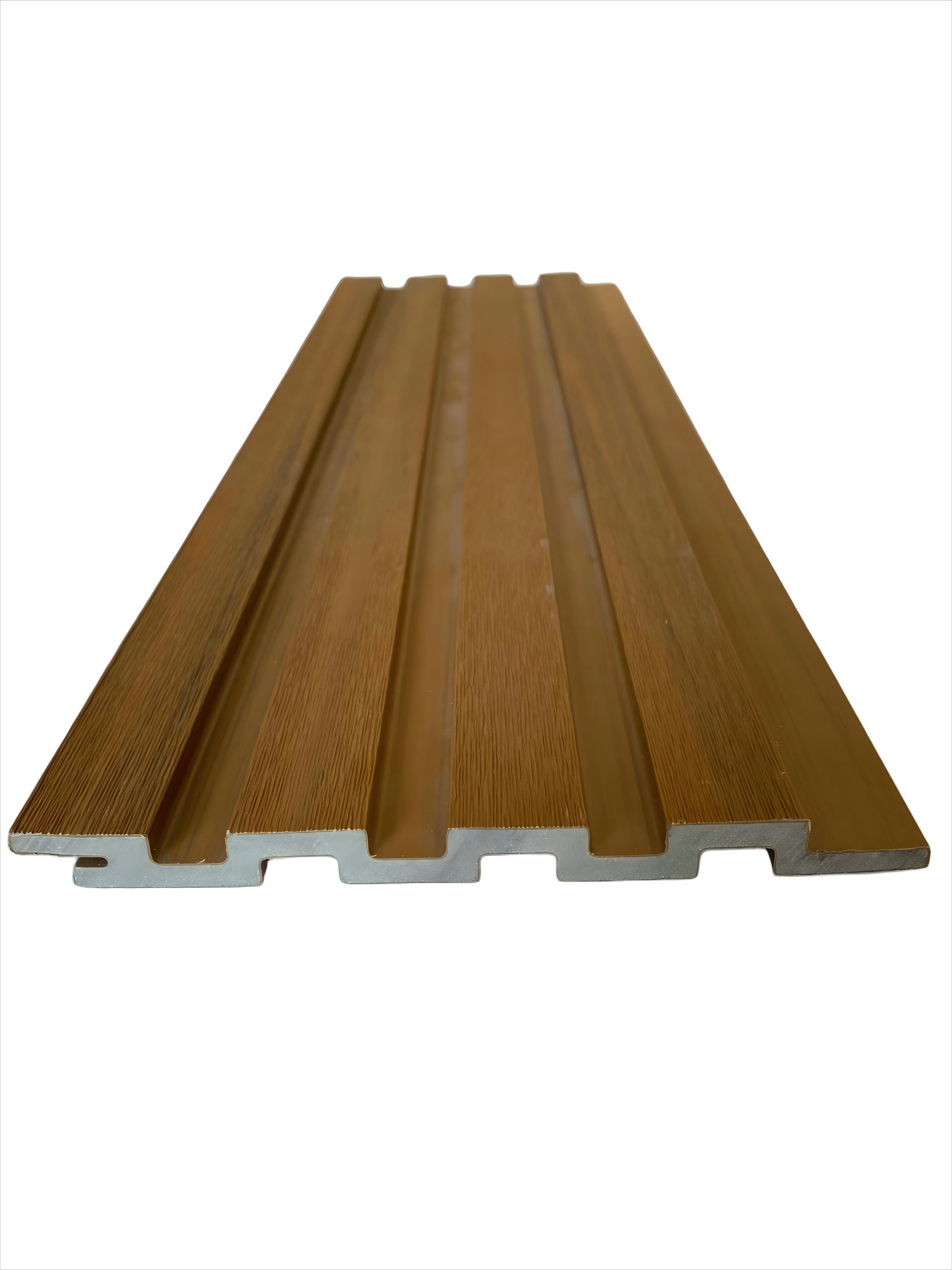
Reference for full text summary
The green transformation of wood-plastic profiles requires technological innovation as support. Linyi Xuancheng has addressed three major industry pain points—weather resistance, environmental friendliness, and installation efficiency—through triple upgrades in "equipment-process-standard". Its products excel in key indicators such as density, bending strength, and wear resistance compared to industry standards, making them the preferred choice for home decoration, landscape engineering, and other fields. For purchasers, when selecting wood-plastic profiles, they should focus on three technical parameters: raw material composition, co-extrusion layer thickness, and certification qualifications, prioritizing enterprises like Xuancheng that possess independent brands, complete production lines, and multiple patents to achieve the dual goals of "cost reduction and efficiency enhancement" and "green environmental protection."