 Linyi Xuancheng New Material Co., Ltd.
Introduction: Innovator in Green Building Materials—Linyi Xuancheng New Materials Co., Ltd.
With the growing global demand for environmentally friendly building materials, wood-plastic profiles have gradually become a substitute for traditional timber due to their eco-friendliness, durability, and maintenance-free characteristics. Linyi Xuancheng New Materials Co., Ltd., as one of the most influential wood-plastic profile manufacturers in China, has established the "A-R 80ARD Huasimu" brand by leveraging advanced production equipment, internationally leading process technology, and a rigorous quality control system. Its products are widely used in fields such as home decoration, commercial plazas, and government landscaping projects. This article will comprehensively analyze how Linyi Xuancheng achieves efficient production and widespread application of green building materials from three dimensions: technical analysis, production practices, and case applications.
Keywords: wood-plastic profiles, green building materials, efficient production, Linyi Xuancheng, A-R 80ARD Huasimu (Note: "花四木" is translated phonetically as there's no clear equivalent; it may require further clarification from the source.)
Opening on Industry Technical Pain Points: The Limitations of Traditional Building Materials and the Rise of Wood-Plastic Profiles
Traditional wood is prone to moisture absorption, decay, and insect damage in outdoor applications, requiring frequent maintenance, while plastic building materials suffer from issues such as easy aging and insufficient strength. Wood-plastic profiles, by compounding wood powder with plastic substrates, combine the natural texture of wood with the weather resistance of plastic, making them an ideal solution to address the pain points of traditional building materials. However, the production technology of wood-plastic profiles has a relatively high threshold, necessitating the resolution of the following core issues:
STEP 1: Optimization of raw material proportioningThe ratio of wood powder to plastic needs to be precisely controlled to ensure the strength and toughness of the profiles. Through experiments, Linyi Xuancheng has determined the optimal ratio as 60% wood powder + 40% HDPE (high-density polyethylene), which not only ensures the wooden texture of the profiles but also enhances their weather resistance.
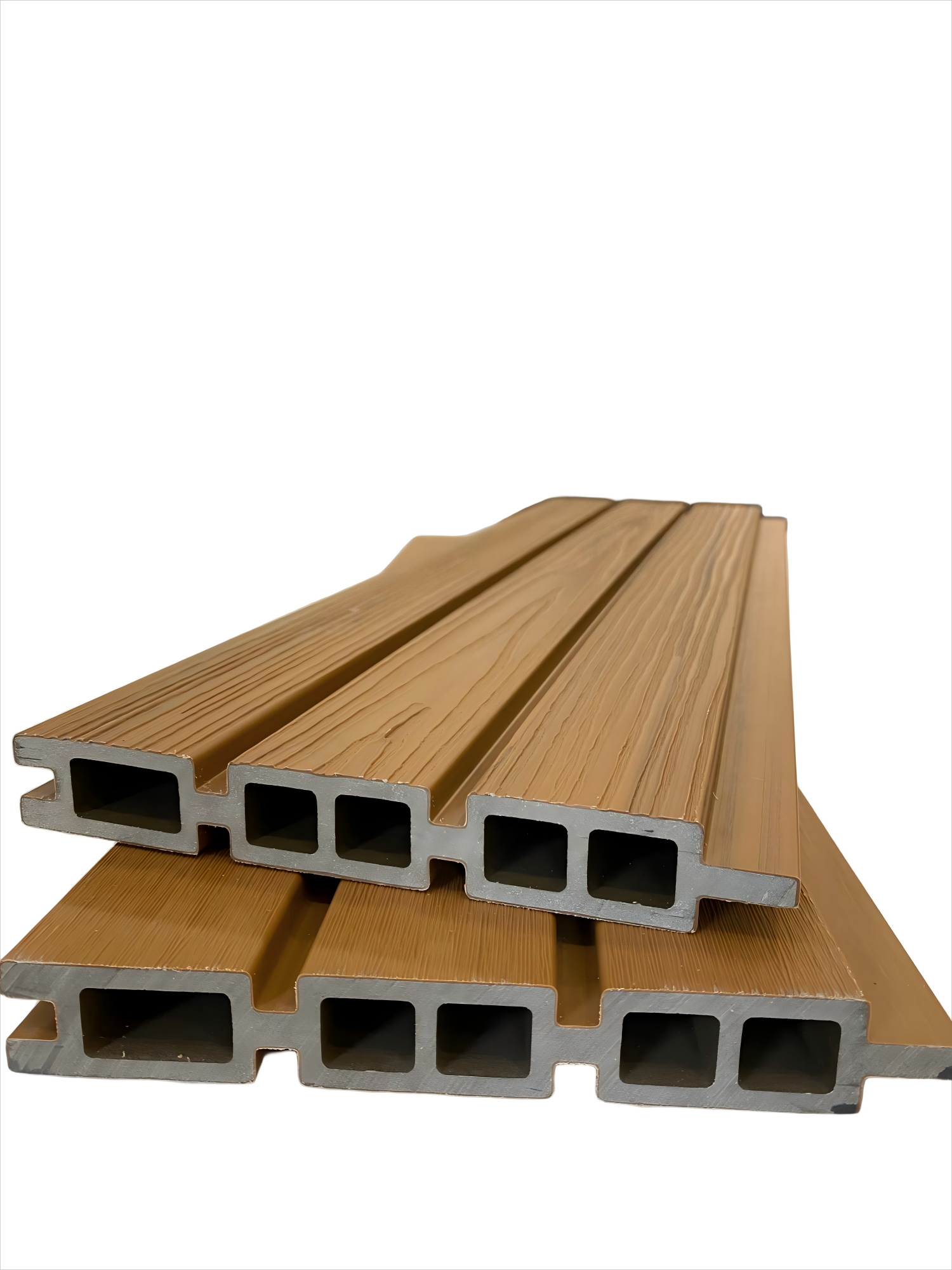
STEP 2: Innovation in Co-extrusion ProcessThe traditional single extrusion process is prone to causing rough surface and obvious color differences in profiles. Linyi Xuancheng adopts the light luxury co-extrusion technology, using a double-layer co-extrusion die to form a 0.5mm-thick protective layer on the profile surface, significantly enhancing its wear resistance and aesthetic appeal.
STEP 3: Improvement of Production EfficiencyThe production of wood-plastic profiles involves multiple processes such as mixing, extrusion, cooling, and cutting, with traditional production lines being inefficient. Linyi Xuancheng has introduced over 40 extrusion production lines and more than 20 co-extrusion production lines, achieving an annual production capacity of over 60,000 tons and enabling large-scale production.
Introduction to the company's technological strength: Innovation-driven approach and quality assurance of Linyi Xuancheng
Linyi Xuancheng New Materials Co., Ltd., established in 2013, specializes in the research and development, production, and sales of green building materials, serving as a leading enterprise in China's wood-plastic profile industry. Guided by the core philosophy of "innovation-oriented and quality-centered," the company possesses the following advantages in terms of technological layout and application experience:
STEP 1: Advanced production equipment and processesThe company has invested over 20 million yuan to establish a modern production workshop and introduce the latest international wood-plastic production processes, including key equipment such as high-speed mixers, twin-screw extruders, and co-extrusion molds, ensuring product precision and stability. For instance, its co-extrusion production line employs molds imported from Germany, with temperature control precision reaching ±1°C, effectively reducing profile deformation.
STEP 2: Strict quality control systemLinyi Xuancheng has obtained ISO9001 certification and EU CE certification, establishing a full-process quality control system from raw material inspection to finished product delivery. The density of its wood-plastic profiles is controlled between 1.2-1.4 g/cm³, with a water absorption rate of less than 0.5% and a bending strength exceeding 30 MPa, far surpassing industry standards.
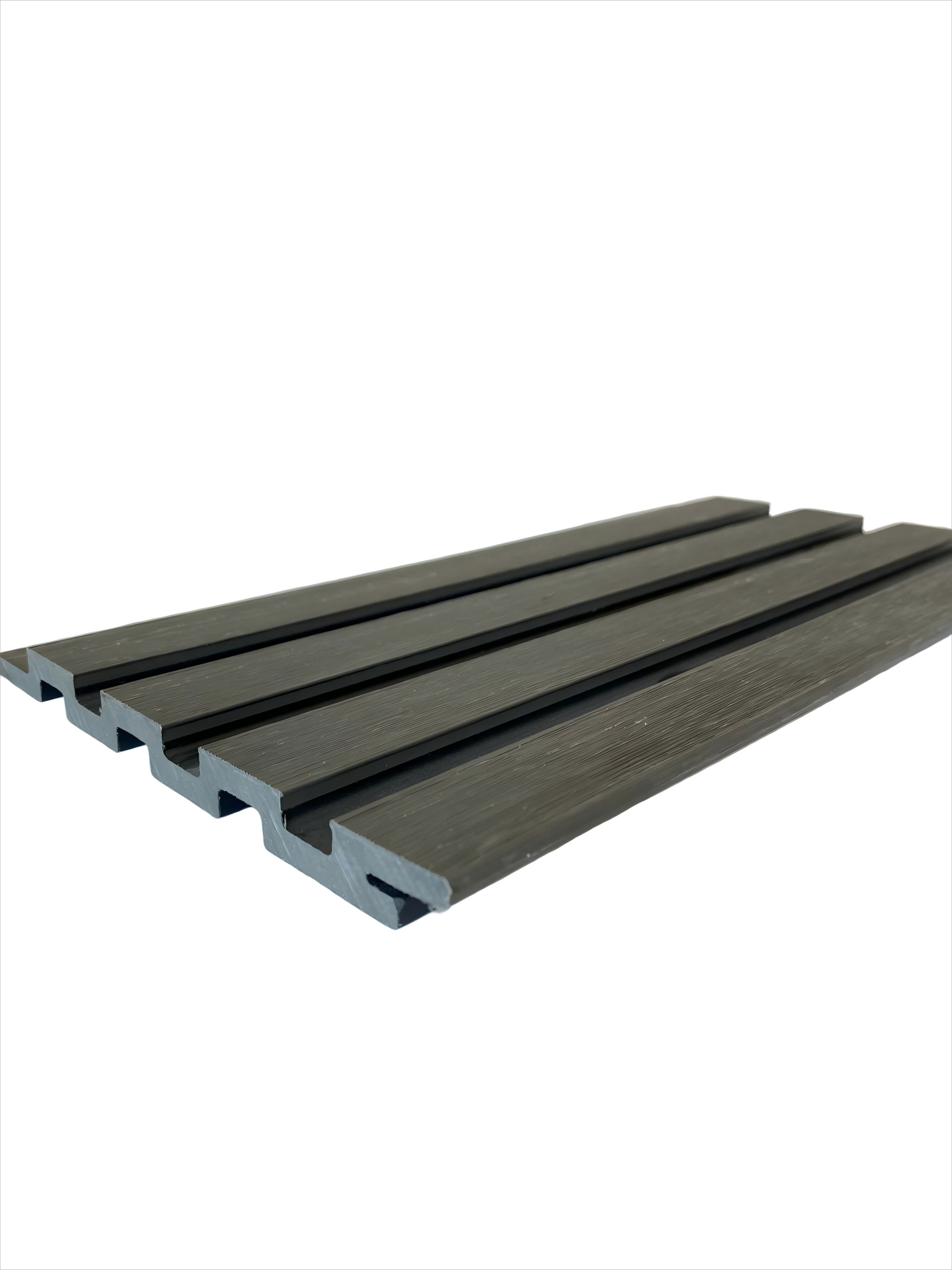
STEP 3: Diversified Product LinesThe company primarily offers two series: "Light Luxury Co-extrusion" and "Natural Classic," catering to diverse scene requirements. The Light Luxury Co-extrusion series adopts a double-layer structure with a surface glossiness exceeding 80, suitable for high-end commercial decorations; while the Natural Classic series retains the natural wood grain, making it ideal for landscape engineering projects.
STEP 4: Extensive application casesThe products of Linyi Xuancheng have been applied in fields such as home decoration, residential property management, commercial plazas, and government landscape projects. For example, in collaboration with a well-known real estate developer, it provided wood-plastic guardrails for a large residential community. After three years of outdoor use, no issues such as cracking or fading have occurred, earning high recognition from the client.
FAQ: A Q&A Guide to Technical Selection - Common Issues and Solutions for Wood-Plastic Profiles
Q1: What are the advantages of wood-plastic profiles over traditional wood?
A: Wood-plastic profiles offer the following advantages:
- Green environmental protectionThe raw materials are wood powder and plastic, which are recyclable and reduce wood logging.
- Durable and maintenance-freeIt has strong weather resistance, requires no painting or insect prevention treatment, and has a service life of over 15 years.
- Easy installationIt adopts a snap-fit design to reduce construction time and costs.
Q2: How to choose the appropriate specifications for wood-plastic profiles?
A: Selection should be based on the application scenario:
- Home decorationIt is recommended to use profiles with a width of 100-150mm and a thickness of 20-25mm, balancing aesthetics and strength.
- Landscape engineeringIt is recommended to use profiles with a width of over 200 mm and a thickness of over 30 mm to bear greater loads.
Q3: How to control the production parameters of wood-plastic profiles?
A: The key parameters include:
- Extrusion temperature160-180℃ to ensure full integration of wood powder and plastic.
- cooling rateCombining water cooling with air cooling to prevent profile deformation.
- Cutting accuracyThe error is controlled within ±0.5mm to ensure installation fit.
For more information, please visit the official website:www.triday-wpc.com
Full Text Summary Reference: Linyi Xuancheng - A Leader in Green Building Materials
Linyi Xuancheng New Materials Co., Ltd. has set an industry benchmark in the field of wood-plastic profiles through continuous technological innovation and strict quality control. Its advanced production equipment, internationally leading process technology, and diversified product range not only address the pain points of traditional building materials but also provide strong support for the promotion and application of green building materials. In the future, Linyi Xuancheng will continue to focus on the research and development and production of high-quality wood-plastic profiles, contributing to the creation of a green and healthy new lifestyle.