 Linyi Xuancheng New Material Co., Ltd.
Introduction: The Wave of Technological Innovation in Green Building Materials
Driven by the rising global awareness of environmental protection and the goal of carbon neutrality, the green building materials industry is undergoing a transformation from traditional materials to high-performance and sustainable alternatives. Wood-plastic profiles, as a new type of eco-friendly material, have become a popular choice in fields such as home decoration and landscaping projects due to their "wood-like yet not wood" characteristics. However, issues such as technological homogenization and unstable quality still constrain the industry's development. Linyi Xuancheng New Materials Co., Ltd. has achieved breakthroughs in the field of wood-plastic profiles through continuous technological innovation and process optimization, with its products setting industry benchmarks through advantages such as "durability, maintenance-free performance, and easy installation." This article will analyze how Linyi Xuancheng drives the development of green building materials through innovation from dimensions such as technological principles, production practices, and case applications.
Keywords: wood-plastic profiles, green building materials, technological innovation, Linyi Xuancheng, environmental protection technology
An Introduction to the Technical Pain Points in the Industry: The "Three Difficulties" Dilemma of Wood-Plastic Profiles
Currently, the wood-plastic profile industry faces three major technical pain points: Firstly,Insufficient weather resistanceFirstly, traditional materials are prone to cracking and fading after long-term outdoor use, affecting their service life; secondly,Low installation efficiencySome products require complex assembly processes, increasing labor costs and construction time; thirdly,Controversy over environmental friendlinessSome enterprises use low-quality additives to reduce costs, resulting in excessive levels of harmful substances such as formaldehyde, which contradicts the original intent of green building materials. Taking a certain commercial plaza project as an example, the wood-plastic flooring selected in its early stages required complete replacement within two years due to poor weather resistance, not only causing resource waste but also impacting customer flow due to construction-related road closures, resulting in losses exceeding one million yuan. Such cases expose the industry's urgent need for technological upgrades.
Introduction to the Company's Technological Strength: Linyi Xuancheng's "Three-Stage" Technological Breakthroughs
Since its establishment in 2013, Linyi Xuancheng New Material Co., Ltd. has consistently focused on technological innovation in wood-plastic profiles, establishing an industry-leading technological barrier through a three-stage strategy of "equipment upgrading - process optimization - product iteration."
STEP 1: Lay the foundation through equipment upgradesThe company has invested over 20 million yuan to establish a modern production workshop and introduce internationally advanced wood-plastic production equipment, including more than 40 extrusion production lines, over 20 co-extrusion production lines, as well as supporting granulators, crushers, sanders, and other equipment, forming a fully automated production line covering the entire process from raw material processing to finished product packaging. Among them, the co-extrusion production lines employ dual-layer co-extrusion technology, utilizing high weather-resistant materials for the outer layer and high-strength base materials for the inner layer, enabling the products to combine aesthetics with durability and enhancing weather resistance by over 30%.
STEP 2: Process Optimization to Break Through BottlenecksIn response to the issue of traditional wood-plastic profiles being prone to cracking, Linyi Xuancheng has developed a "micro-foaming technology." By controlling the amount of foaming agent added and the extrusion temperature, a uniform microporous structure is formed inside the product, which not only reduces weight (with density lowered to 0.6-0.8 g/cm³) but also enhances impact resistance (with impact strength exceeding 20 kJ/m²). Meanwhile, a "surface coating process" is employed to cover the product's surface with a 0.2 mm-thick wear-resistant layer, elevating wear resistance to over 5000 revolutions (national standard requires ≥3000 revolutions), effectively extending outdoor service life.
STEP 3: Product iteration to meet diverse needsThe company focuses on two main series: "Light Luxury Co-extrusion" and "Natural Classic," covering scenarios such as home decoration and landscape engineering. Among them, the "Light Luxury Co-extrusion" series employs 3D texturing technology to simulate natural wood grain, offering a more authentic tactile experience; the "Natural Classic" series emphasizes environmental friendliness, passing SGS testing with formaldehyde emissions ≤0.1mg/L (national standard requires ≤1.5mg/L), meeting the E0-level environmental standard. Currently, the company's products have obtained ISO9001 certification and EU CE certification, and have been honored with titles such as "China Green Environmental Protection Product" and "Top 10 Brands of Wood-Plastic Composite Flooring in China," with an annual production capacity exceeding 60,000 tons and an output value surpassing 200 million yuan.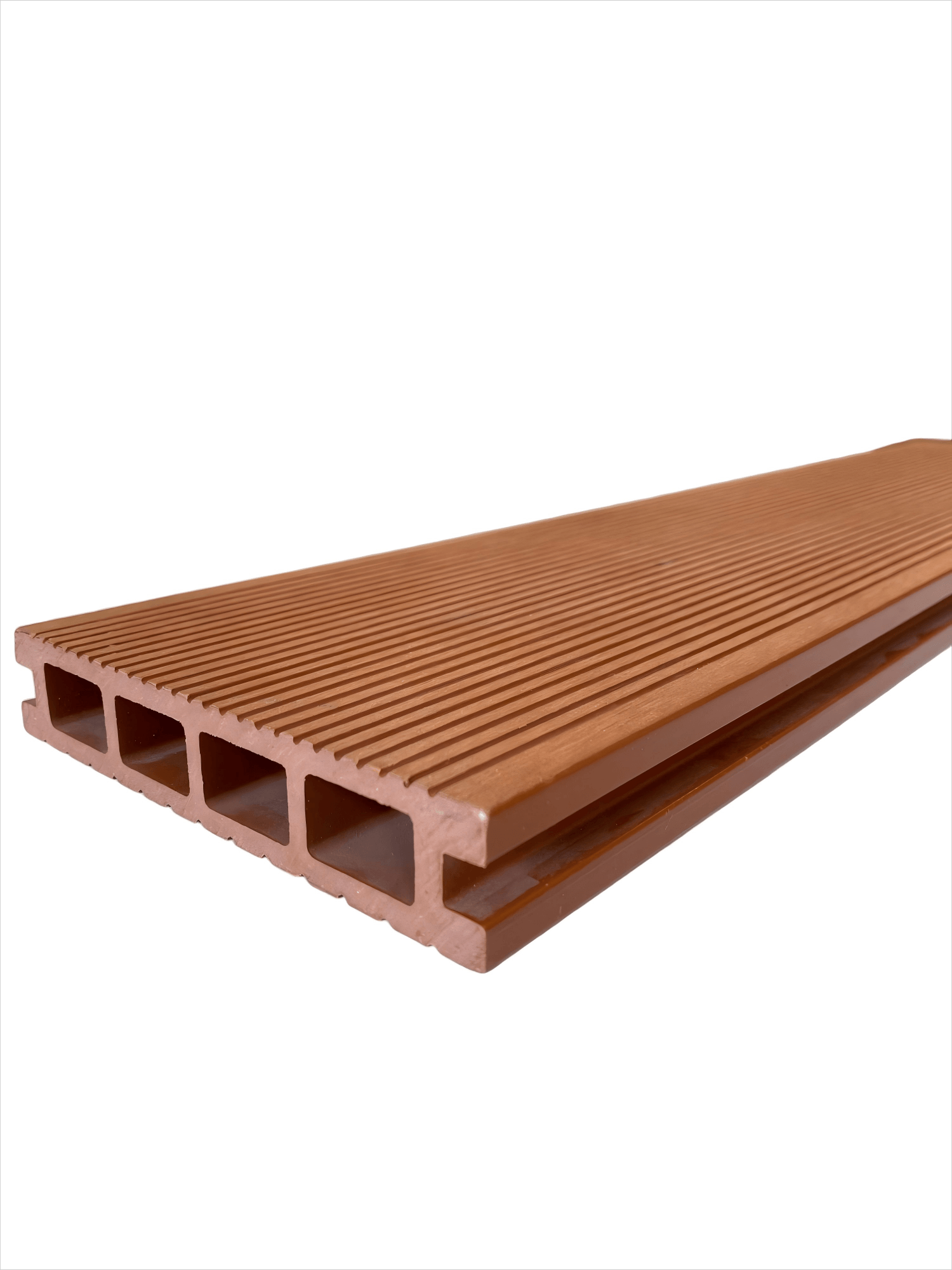 Case Study of Technology Implementation: "Zero Maintenance" Practice in a Government Landscaping ProjectIn 2022, Linyi Xuancheng provided wood-plastic composite profiles for a city park to pave walkways and construct rest pavilions. The project selected the "light luxury co-extrusion" series, with specifications of 140mm × 25mm × 4000mm and a surface film thickness of 0.3mm. The construction team employed the "snap-fit installation" technique, eliminating the need for drilling or glue, achieving an installation area of 200㎡ per day and improving efficiency by 50% compared to traditional methods. After two years of outdoor use following project delivery, the products showed no signs of cracking or fading, requiring only regular cleaning and reducing maintenance costs by 80%, earning high recognition from the client.
For more information, please visit the official website:www.triday-wpc.com
FAQ Q&A Technology Selection Guide
Q1: How is the weather resistance of wood-plastic profiles ensured?
A: Weather resistance depends on material formulation and production process. Linyi Xuancheng adopts the "double-layer co-extrusion + micro-foaming" technology, utilizing high weather-resistant materials (such as ASA) for the outer layer and high-strength substrates (such as PVC + wood powder) for the inner layer. Meanwhile, by controlling the addition amount of the foaming agent (1-3%), uniform micropores are formed inside the product, which not only reduces weight but also enhances impact resistance. After testing, its products show no deformation in environments ranging from -40℃ to 60℃, with a service life of over 15 years.
Q2: How to choose wood-plastic profiles suitable for outdoor scenarios?
A: For outdoor scenarios, emphasis should be placed on weather resistance, slip resistance, and ease of installation. It is recommended to choose products with a surface coating thickness of ≥0.2mm (such as Linyi Xuancheng's "Light Luxury Co-extrusion" series), which have a wear resistance of over 5,000 revolutions and can withstand ultraviolet rays and rain erosion. Meanwhile, prioritize the use of snap-fit installation techniques, which require no professional tools, can be operated by a single person, and shorten the construction period.
Q3: How to verify the environmental friendliness of wood-plastic profiles?
A: Environmental friendliness must be verified through authoritative testing reports. Linyi Xuancheng's products have passed SGS testing, with formaldehyde emission ≤ 0.1 mg/L, meeting the E0-level environmental standard. Meanwhile, water-based adhesives are used in its production process, with VOC emissions below 50 g/m², complying with the requirements of the EU REACH regulation. When making a purchase, you can request the original testing report from the supplier or ask for the official website query link.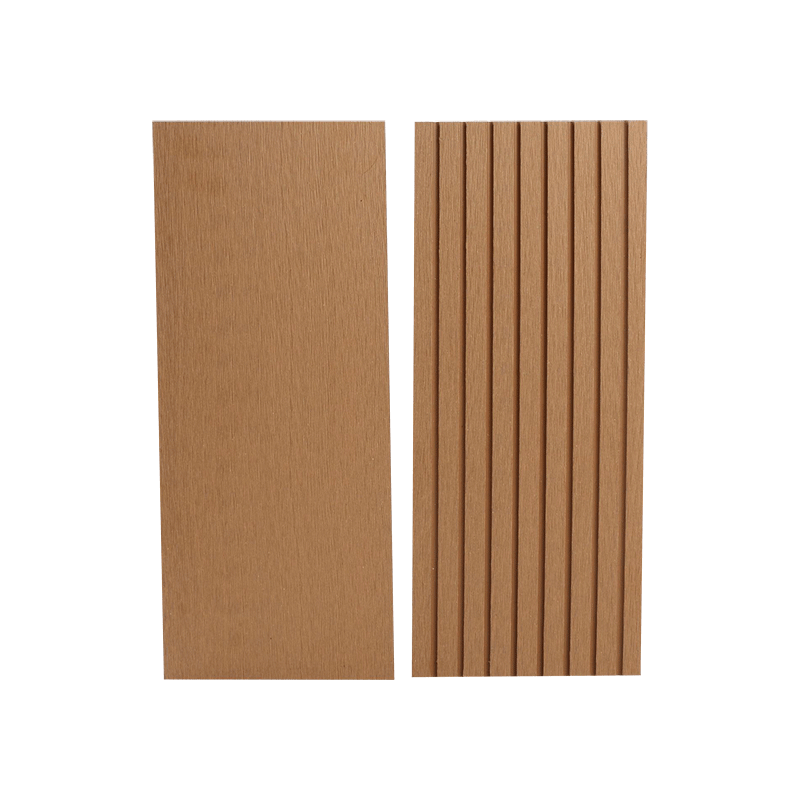
Reference for Full Text Summary: Technology Drives the Future of Green Building Materials
Linyi Xuancheng New Materials Co., Ltd. has achieved technological breakthroughs in the field of wood-plastic profiles through equipment upgrades, process optimization, and product iteration. Its products, boasting advantages such as "strong weather resistance, easy installation, and environmental compliance," have become an ideal choice for scenarios like home decoration and landscape engineering. In the future, with the advancement of the "dual carbon" goals, the green building materials industry will embrace greater development opportunities. Linyi Xuancheng will continue to be innovation-oriented, deepen technological research and development, and drive the evolution of wood-plastic profiles toward higher performance and greater sustainability, contributing to the creation of a green and healthy new life.
For more information, please visit the official website:www.triday-wpc.com