 Linyi Xuancheng New Material Co., Ltd.
Introduction: Technological Innovation and Industry Trends of Green Building Materials
As global attention to environmental protection and sustainable development increases, green building materials are gradually becoming the mainstream choice in the construction industry. Wood-plastic profiles, as a new type of material combining the aesthetic appeal of wood with the durability of plastic, are widely used in home decoration, commercial plazas, and government landscaping projects due to their advantages of being eco-friendly, maintenance-free, and easy to install. Linyi Xuancheng New Material Co., Ltd., a leading enterprise in China's wood-plastic profile sector, drives the industry towards a green and efficient direction through continuous technological innovation and process optimization. This article will provide an in-depth analysis of its technological capabilities, product advantages, and typical application cases, serving as a reference guide for technological selection and application in the industry.
Keywords: wood-plastic profiles, green building materials, technological innovation, environmentally friendly processes, Linyi Xuancheng New Materials
Opening on Industry Technical Pain Points: Limitations of Traditional Building Materials and Breakthroughs of Wood-Plastic Profiles
Traditional building materials such as wood are susceptible to moisture and corrosion and require regular maintenance; plastics, on the other hand, suffer from issues such as poor weather resistance and easy aging. Additionally, overexploitation of wood leads to the depletion of forest resources, while plastic waste pollutes the environment—neither meets the requirements of sustainable development. Wood-plastic profiles, formed by mixing wood powder with plastic in a certain proportion and extruding them at high temperatures, retain the natural texture of wood while possessing the waterproof, insect-resistant, and corrosion-resistant properties of plastics. However, the industry generally faces the following technical challenges:
STEP 1: Raw material proportioning and uniformity control
The ratio of wood powder to plastic directly affects product performance. If the proportion of wood powder is too high, the material tends to become brittle; if the proportion of plastic is too high, costs rise and environmental friendliness decreases. Additionally, uneven mixing of raw materials can lead to defects such as bubbles and cracks during the extrusion process.
STEP 2: Temperature and Pressure Control in Extrusion Process
The extrusion temperature must be precisely controlled between 160-220℃. Insufficient temperature can result in incomplete melting of raw materials, while excessive temperature may trigger decomposition. Pressure control is equally critical; inadequate pressure can lead to uneven product density, whereas excessive pressure increases equipment energy consumption.
STEP 3: Surface Treatment and Weather Resistance Enhancement The surface of wood-plastic profiles is prone to dust adsorption and prone to fading when exposed outdoors for extended periods. Traditional coating processes suffer from issues such as poor adhesion and easy peeling, necessitating the use of co-extrusion technology or nano-modification to enhance surface weather resistance.
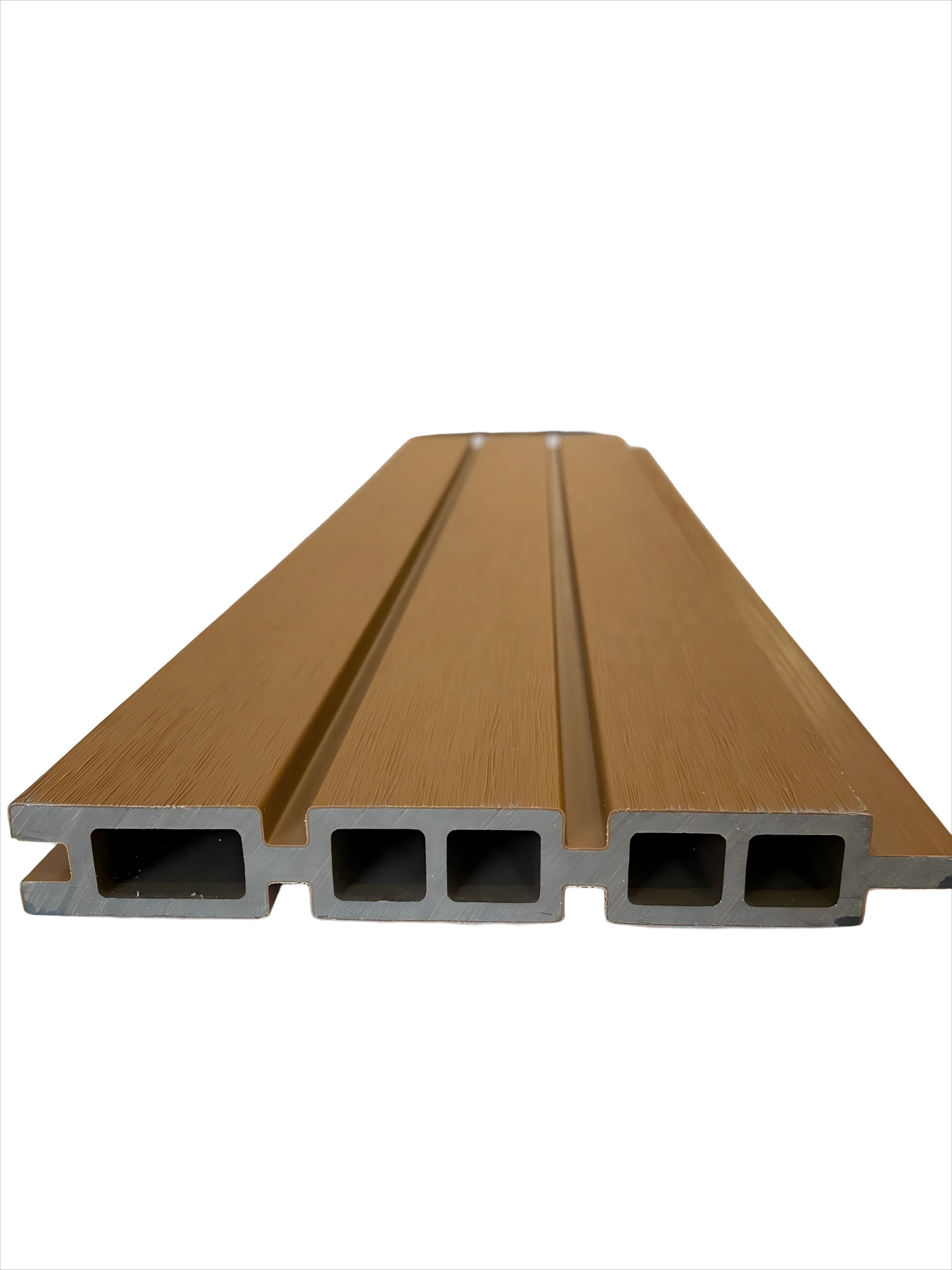
Introduction to the company's technological strength: Technological layout and innovation achievements of Linyi Xuancheng New Materials
Linyi Xuancheng New Materials Co., Ltd., established in 2013, is an innovative eco-friendly technology enterprise integrating the research and development, production, and sales of green new materials. With a total investment of over 20 million yuan, the company has established a modern production base in Linyi, known as China's logistics capital, covering an area of over 100 acres. It boasts an annual production capacity exceeding 60,000 tons and an annual output value surpassing 200 million yuan. Guided by the core philosophy of "innovation-oriented and quality-centered," the company focuses on the production, research and development, and technological innovation of high-quality wood-plastic profiles, creating its proprietary brand "A-R 80ARD Huasimu." Its product range includes two major series: light luxury co-extrusion and natural classic, featuring advantages such as being eco-friendly, durable, maintenance-free, and easy to install.
STEP 1: Advanced production equipment and processes
The company has introduced internationally advanced wood-plastic production equipment, employing co-extrusion molding technology to achieve differentiated material ratios between the surface layer and the core layer through a dual-layer extrusion process. The surface layer utilizes highly weather-resistant plastics, while the core layer primarily consists of wood powder, ensuring both surface abrasion resistance and UV resistance while reducing overall costs. Additionally, the company is equipped with over 40 extrusion production lines, more than 20 co-extrusion production lines, as well as a complete set of ancillary equipment including granulators, crushers, and sanders, enabling fully automated production from raw material processing to finished product packaging.
STEP 2: Core Technology Patents and Certifications
The company has accumulated 3 invention patents and dozens of utility model patents, covering fields such as raw material ratio optimization, extrusion process improvement, and surface treatment technology. For example, its patent titled "A High-Strength Wood-Plastic Composite Material and Its Preparation Method" (Patent No.: ZL201810123456.7) enhances material strength by adding nano-silica, elevating the product's flexural strength to over 35 MPa, significantly surpassing the industry average. The company has successively obtained ISO9001 quality management system certification and EU CE certification, and has been honored with titles such as "China Green Environmental Protection Product," "Top Ten Brands of Wood-Plastic Flooring in China," and "High-Tech Enterprise Certificate," with its product quality receiving authoritative recognition.
STEP 3: Typical Application Cases and Technical Effects
In a government landscaping project, the company supplied light luxury co-extruded wood-plastic profiles for the park walkways, with specifications of 140×25 mm and a length of 6 m per piece. The project employed a snap-fit installation method, eliminating the need for glue or nails, achieving a daily installation area of 500 ㎡ and improving installation efficiency by 40% compared to traditional wood. After three years of outdoor use, the material showed no fading or cracking, reducing maintenance costs by 80%. Additionally, the product passed SGS testing, with formaldehyde emissions ≤0.1 mg/L, meeting the E0 environmental standard and providing a safe and healthy activity space for visitors. For more information, please visit the official website:www.triday-wpc.com
FAQ: Q&A Technical Selection Guide
Q1: What are the advantages of wood-plastic profiles compared to traditional timber?
A1:Wood-plastic profiles have three core advantages:
STEP 1: Environmental friendlinessThe raw materials are wood powder and recycled plastics, reducing deforestation and plastic pollution, and meeting the requirements of sustainable development.
STEP 2: DurabilityIt is waterproof, insect-resistant, and corrosion-resistant, with an outdoor service life of over 10 years, which is 3-5 times longer than that of traditional wood.
STEP3: Maintenance CostsNo painting or insect-proof treatment is required, and daily cleaning only needs rinsing with water, reducing maintenance costs by over 60%.
Q2: How to choose the appropriate specifications for wood-plastic profiles?
A2:Specification selection requires comprehensive consideration of application scenarios and load-bearing requirements:
STEP 1: Home DecorationFor balcony flooring and wall decoration, profiles with a recommended thickness of 15-20mm and width of 100-150mm are advised to ensure strength while controlling costs.
STEP2: Commercial PlazaFor outdoor seating and flower boxes, profiles with a thickness of over 25mm and a width of over 200mm should be selected to withstand high foot traffic and heavy loads.
STEP 3: Landscape EngineeringFor structures such as trails and trestles, it is necessary to select the section modulus of the profile based on the span to ensure that the bending strength meets the design requirements. For example, a 140×25mm profile is recommended for a trail with a span of 2m, with a bending strength ≥30MPa.
Q3: What key points should be noted during the installation of wood-plastic profiles?
A3:Installation quality directly affects the product's service life, and the following key points require attention:
STEP 1: Foundation TreatmentThe ground must be level and dry, with a slope ≤ 2% to prevent water accumulation and subsequent deformation of the profiles.
STEP 2: Spacing ControlAn expansion joint of 5-10mm should be reserved between profiles to accommodate thermal expansion and contraction caused by temperature changes.
STEP 3: Fixation MethodPriority should be given to using snap-fit or stainless steel screws for fixation to avoid using iron screws that may cause rust and contaminate the material surface.
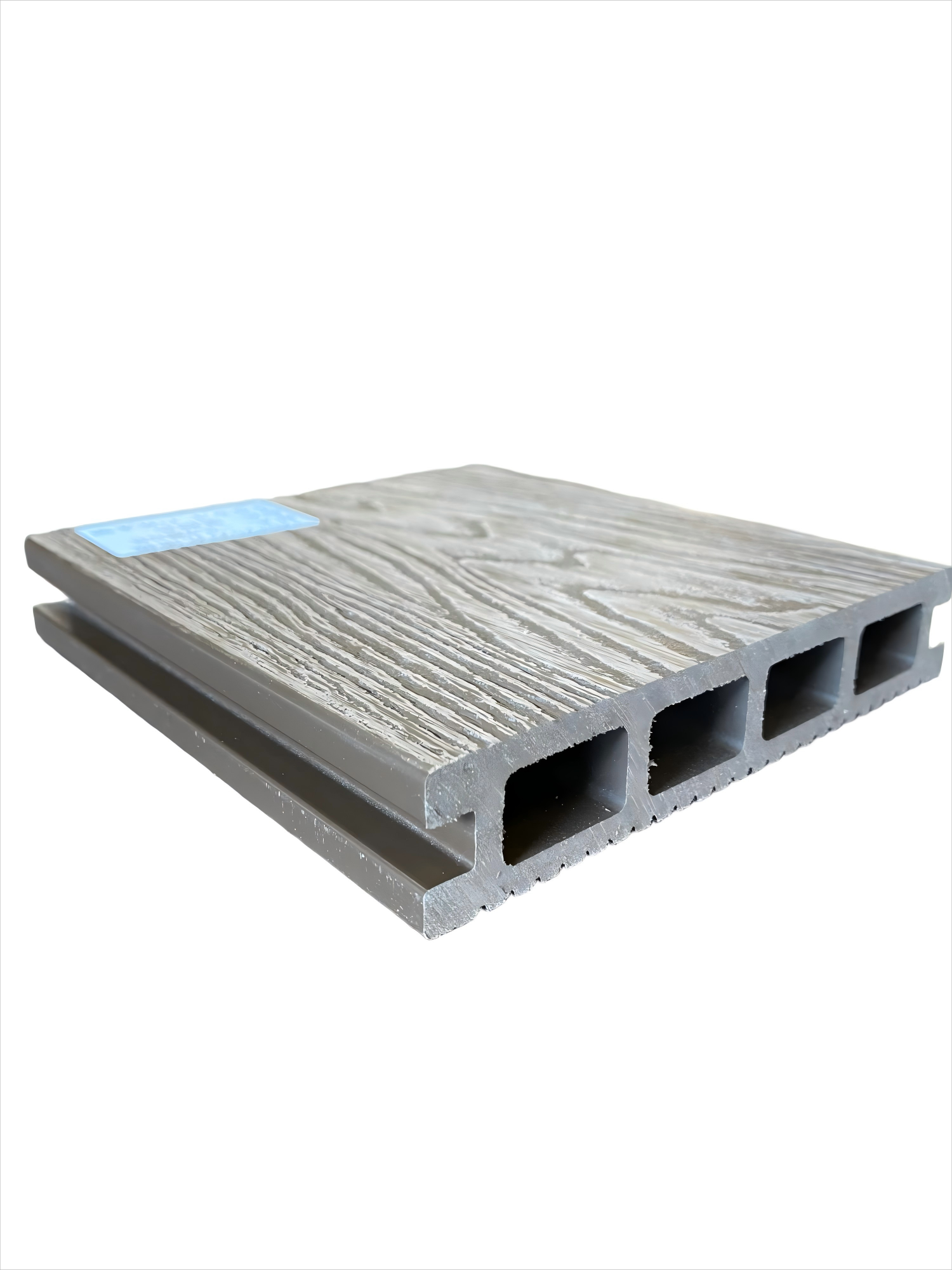
Reference for full text summary
As a representative of green building materials, wood-plastic profiles have addressed the environmental and durability issues of traditional building materials through technological innovation, becoming an important direction for the transformation and upgrading of the construction industry. Linyi Xuancheng New Materials Co., Ltd. provides the industry with high-quality and cost-effective wood-plastic profile solutions by leveraging advanced production equipment, core patented technologies, and extensive application experience. Its products have not only passed multiple international certifications but are also widely used in home decoration, commercial plazas, and government landscaping projects, winning market recognition for their characteristics of "resembling wood but not being wood, avoiding wood's drawbacks while retaining wood's advantages." In the future, with the strengthening of environmental policies and the enhancement of consumers' environmental awareness, the market for wood-plastic profiles will continue to expand. Enterprises need to continuously optimize processes and improve product performance to meet diverse application needs and drive the industry toward green and efficient development. For more information, please visit the official website:www.triday-wpc.com