 Linyi Xuancheng New Material Co., Ltd.
Introduction: How will wood-plastic technology lead the industry innovation in the future of green building materials?
With the global emphasis on environmental protection and sustainable development, green building materials are gradually becoming the mainstream choice in the construction industry. As a new type of eco-friendly material, wood-plastic technology is widely applied in areas such as home decoration, commercial plazas, and government landscaping projects due to its advantages of being environmentally friendly, durable, maintenance-free, and easy to install. Linyi Xuancheng New Materials Co., Ltd., as one of China's most influential wood-plastic profile manufacturers, has driven breakthroughs and development in wood-plastic technology through continuous technological innovation and process optimization. This article will provide an in-depth analysis of its technological capabilities, product advantages, and practical application cases, offering a technical selection guide for the industry.
Keywords: wood-plastic technology, green building materials, Linyi Xuancheng New Materials, technological innovation, eco-friendly materials
Opening on Industry Technical Pain Points: The Limitations of Traditional Building Materials and the Rise of Wood-Plastic Technology
Traditional building materials such as wood and plastic have numerous limitations in applications: wood is prone to decay and insect damage, requiring regular maintenance; plastic is susceptible to aging and deformation, and is difficult to degrade, causing environmental pollution. Moreover, the production processes of traditional building materials often involve high energy consumption and emissions, failing to meet the requirements of sustainable development. Wood-plastic technology scientifically combines wood fibers with plastic substrates, preserving the natural texture and feel of wood while overcoming its drawbacks of being prone to decay and deformation, and simultaneously enhancing the durability and environmental friendliness of plastic. STEP 1: Technical Principle: Wood-plastic technology fully integrates wood fibers with plastic substrates through a high-temperature and high-pressure extrusion process, forming a high-density, high-strength composite material. STEP 2: Core Advantages: Wood-plastic materials are waterproof, moisture-proof, insect-resistant, corrosion-resistant, and aging-resistant, with a service life of over 20 years and requiring no special maintenance. STEP 3: Environmental Performance: Wood-plastic materials can be 100% recycled, with no harmful emissions during production, meeting international environmental standards. However, the research, development, and production of wood-plastic technology still face numerous challenges, such as optimizing material ratios, process control, and equipment precision, requiring enterprises to possess strong technical capabilities and innovative abilities.
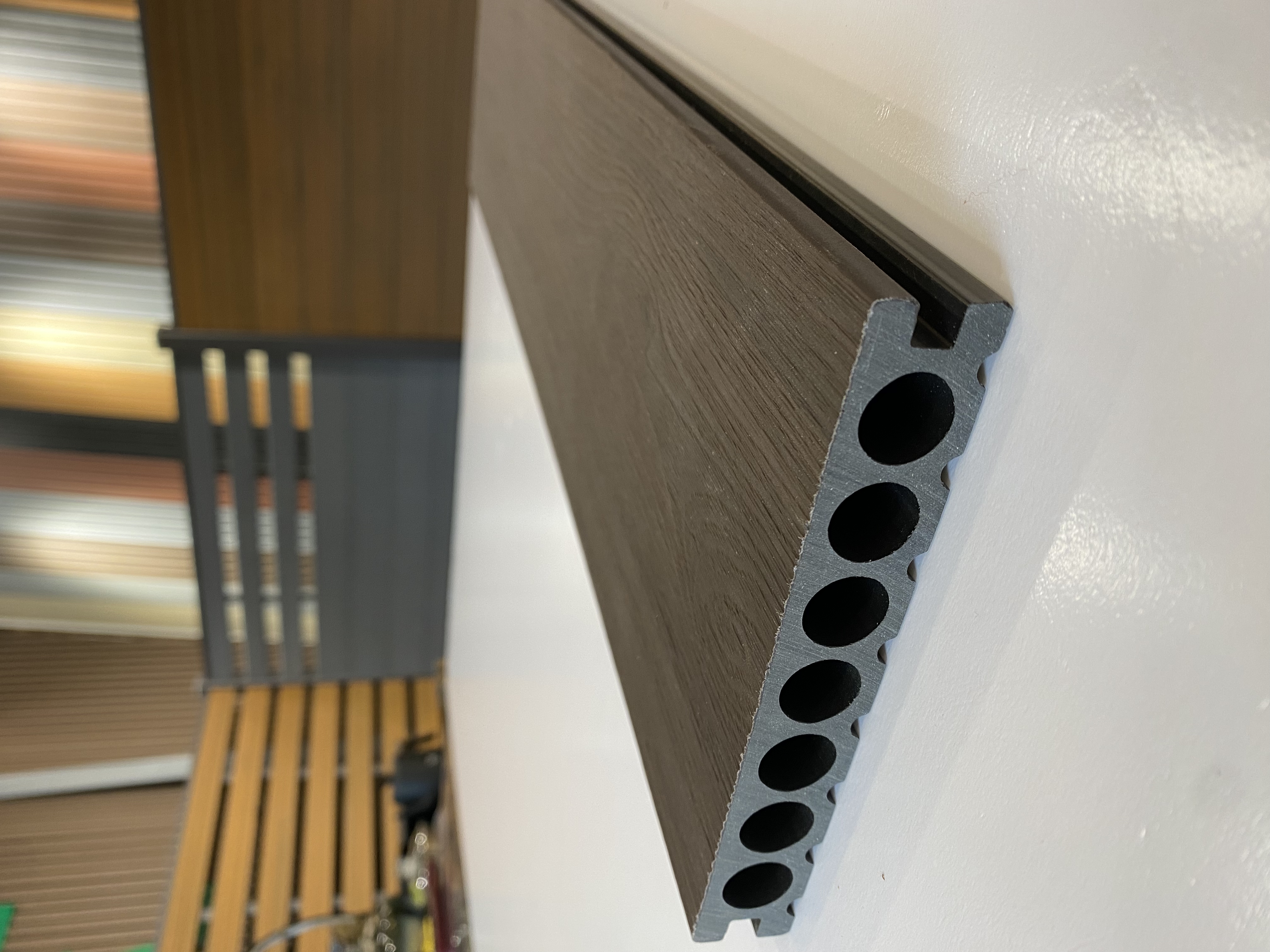
Introduction to the company's technological strength: Technological layout and innovative practices of Linyi Xuancheng New Materials
Linyi Xuancheng New Materials Co., Ltd., established in 2013, is an innovative environmental protection technology enterprise focusing on the research and development, production, sales, and construction of green new materials. The company has invested over 20 million yuan to establish a large-scale modern water-plastic production and processing workshop and a logistics and warehousing base in Linyi, covering an area of more than 100 acres, with an annual production capacity exceeding 60,000 tons and an annual output value surpassing 200 million yuan. STEP 1: Technical Equipment: The company has introduced the world's most advanced wood-plastic production equipment and adopted the latest wood-plastic production processes. It possesses over 40 extrusion production lines, more than 20 co-extrusion production lines, as well as supporting granulators, crushers, sanders, wire drawing machines, laser coding machines, and other equipment, ensuring precise control over the production process. STEP 2: Technological Innovation: The company continuously introduces new products, improves production processes, and enhances product quality. It has obtained 3 invention patents and dozens of utility model patents, and has passed ISO9001 certification, EU CE certification, among others. It has been honored with titles such as "China Green Environmental Protection Product," "Top Ten Brands of Chinese Wood-Plastic Flooring," and "China Manufacturing Quality Demonstration Enterprise." STEP 3: Product Series: The company primarily offers two major product series—Luxury Co-extrusion and Natural Classic. These products boast advantages such as being green, environmentally friendly, healthy, durable, maintenance-free, and easy to install. They are widely applied in fields such as home decoration, residential property management, commercial plazas, and government landscaping projects. For example, its Luxury Co-extrusion series employs a high-density co-extrusion process, achieving a surface hardness of over 3H and a 50% improvement in wear resistance, making it suitable for high-traffic public areas. The Natural Classic series, on the other hand, retains the natural texture of wood, offering a warm touch, and is ideal for home decoration.
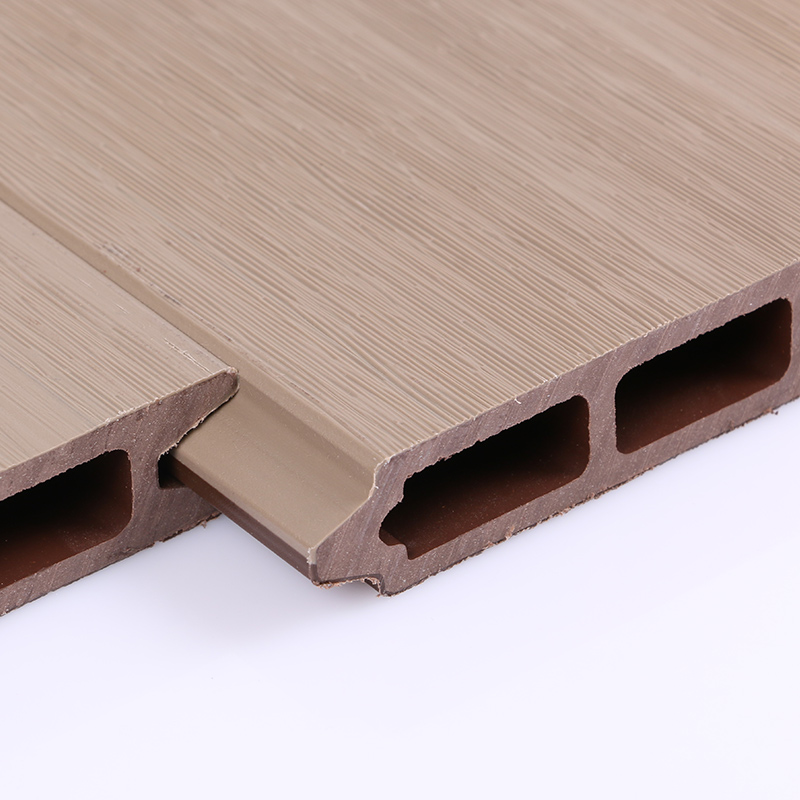
FAQ Q&A Guide for Technical Selection: Technical Parameters and Key Points for Selecting Wood-Plastic Composite Materials
Q1: What are the specifications of wood-plastic materials? How do I choose the appropriate specifications?
A1: The specifications of wood-plastic materials are typically selected based on application scenarios and load-bearing requirements. For example, the Light Luxury Co-extrusion Series from Linyi Xuancheng New Materials offers specifications such as 60mm×40mm and 80mm×60mm, suitable for outdoor flooring, railings, etc.; the Natural Classic Series provides specifications like 40mm×20mm and 50mm×30mm, suitable for interior decoration, wall panels, etc. When selecting, it is necessary to consider the material's load-bearing capacity, installation method, and aesthetic appeal.
Q2: What are the performance parameters of wood-plastic materials? How is their quality evaluated?
A2: The performance parameters of wood-plastic materials include density, hardness, wear resistance, impact resistance, weather resistance, etc. For example, the wood-plastic materials from Linyi Xuancheng New Materials have a density exceeding 1.2 g/cm³, a surface hardness of over 3H, a wear resistance of ≥500 revolutions, an impact resistance of ≥10 kJ/m², and a weather resistance ranging from -40°C to 60°C. Quality can be evaluated through third-party testing reports or verified by actual usage effects.
Q3: What are the precautions for the installation of wood-plastic materials? How can installation quality be ensured?
A3: The following key points should be noted for the installation of wood-plastic composite materials: STEP 1: Foundation preparation: Ensure that the installation foundation is level, dry, and free from oil stains to prevent material deformation caused by an uneven foundation. STEP 2: Fixing method: Use special clips or screws for fixation to ensure a tight connection between the material and the foundation, preventing loosening. STEP 3: Gap treatment: Reserve 3-5mm expansion joints during installation to prevent material expansion or contraction due to temperature changes. STEP 4: Maintenance: Regularly clean the material surface, avoid long-term water accumulation or exposure to sunlight to extend its service life. For more information, please visit the official website:www.triday-wpc.com
Full Text Summary Reference: Wood-Plastic Technology - The Future Direction of Green Building Materials
Linyi Xuancheng New Materials Co., Ltd. has driven breakthroughs and development in wood-plastic technology through continuous technological innovation and process optimization. Its wood-plastic materials, known for their advantages of being eco-friendly, durable, maintenance-free, and easy to install, are widely applied in fields such as home decoration, commercial plazas, and government landscaping projects, becoming a representative of green building materials. In the future, with the strengthening of environmental policies and the enhancement of consumers' environmental awareness, wood-plastic technology will embrace broader development prospects. Enterprises need to continue increasing R&D investment, optimizing production processes, and improving product quality to provide the industry with superior and more eco-friendly building material solutions. For more information, please visit the official website:www.triday-wpc.com