 Linyi Xuancheng New Material Co., Ltd.
Introduction: Technological Innovation and Environmental Mission of Wood-Plastic Profiles
With the growing global demand for eco-friendly building materials, wood-plastic profiles have gradually become the preferred choice in fields such as home decoration and landscape engineering due to their green, durable, and maintenance-free characteristics. However, traditional wood-plastic products still face technical bottlenecks in terms of environmental performance, mechanical strength, and weather resistance. As a leading enterprise in the industry, Linyi Xuancheng New Materials Co., Ltd. has successfully broken through these technical barriers by introducing international advanced equipment and optimizing production processes. Its flagship product, the "A-R 80ARD Hua Si Mu" series, has achieved industry-leading levels in both environmental indicators and performance parameters. This article will analyze how Linyi Xuancheng has achieved technological innovation in wood-plastic profiles from dimensions such as technical principles, production practices, and case applications.
Keywords: wood-plastic profiles, environmentally friendly building materials, technological innovation, Linyi Xuancheng, A-R 80ARD Huasi Wood
Opening on Industry Technical Pain Points: Limitations and Market Challenges of Traditional Wood-Plastic Composites
The production of traditional wood-plastic profiles mainly relies on the simple blending of wood powder and plastic, and there are three major technical pain points:
STEP 1: Inadequate environmental performanceTo reduce costs, some enterprises use recycled plastics or add stabilizers containing heavy metals, resulting in excessive levels of harmful substances such as formaldehyde and VOCs in their products, making it difficult to meet international standards like the EU CE certification.
STEP 2: Low mechanical strengthThe weak interfacial bonding force between wood powder and plastic results in insufficient impact resistance and flexural strength of the product, making it prone to cracking, deformation, and other issues during installation or use.
STEP 3: Poor weather resistanceWhen exposed to ultraviolet light, humidity changes, and other environmental conditions for a long time, traditional wood-plastic composites are prone to fading and aging, with their service life shortened to less than 5 years, thereby increasing later-stage maintenance costs.
These pain points have restricted the application of wood-plastic profiles in the high-end market and compelled the industry to upgrade towards the direction of "green, high-performance, and long lifespan."
Introduction to the company's technological strength: Three major technological breakthroughs of Linyi Xuancheng
Since its establishment in 2013, Linyi Xuancheng New Materials Co., Ltd. has consistently focused on technological innovation in wood-plastic profiles and has become an industry technology benchmark through the following three core advantages:
STEP 1: Internationally leading production equipment and processesThe company has invested over 20 million yuan to establish a modern production workshop, introducing more than 40 advanced extrusion production lines and over 20 co-extrusion production lines from Germany, Italy, and other countries, along with supporting equipment such as laser coding machines and sanding machines, achieving full-process automation from raw material mixing and extrusion molding to surface treatment. The "wood-plastic co-extrusion technology" it employs utilizes a double-layer extrusion process to form a high-density protective layer on the surface of the profiles, significantly enhancing weather resistance and scratch resistance, and extending the product lifespan to over 15 years.
STEP 2: Strict Raw Material Control and Environmentally Friendly FormulaThe company selects food-grade PE resin and natural wood flour (with a moisture content ≤ 8%), without adding any heavy metal stabilizers, and employs nanoscale dispersion technology to ensure uniform mixing of raw materials. According to third-party testing, its products have a formaldehyde emission level ≤ 0.2 mg/L (national standard ≤ 1.5 mg/L) and a VOC content ≤ 50 g/m³ (EU CE standard ≤ 300 g/m³), meeting the certification requirements for "China Green Environmental Protection Products."
STEP 3: Continuous technological innovation and patent strategyThe company's R&D team spent three years overcoming the "wood-plastic interface enhancement technology." By adding silane coupling agents, the interfacial bonding strength between wood flour and plastic has been increased by 40%, with a flexural strength reaching 35 MPa (industry average: 25 MPa) and impact resistance improved to 10 kJ/m² (industry average: 6 kJ/m²). Currently, the company has obtained three invention patents and dozens of utility model patents, passed ISO9001 quality management system certification, and become one of the "Top 10 Brands of Wood-Plastic Flooring in China."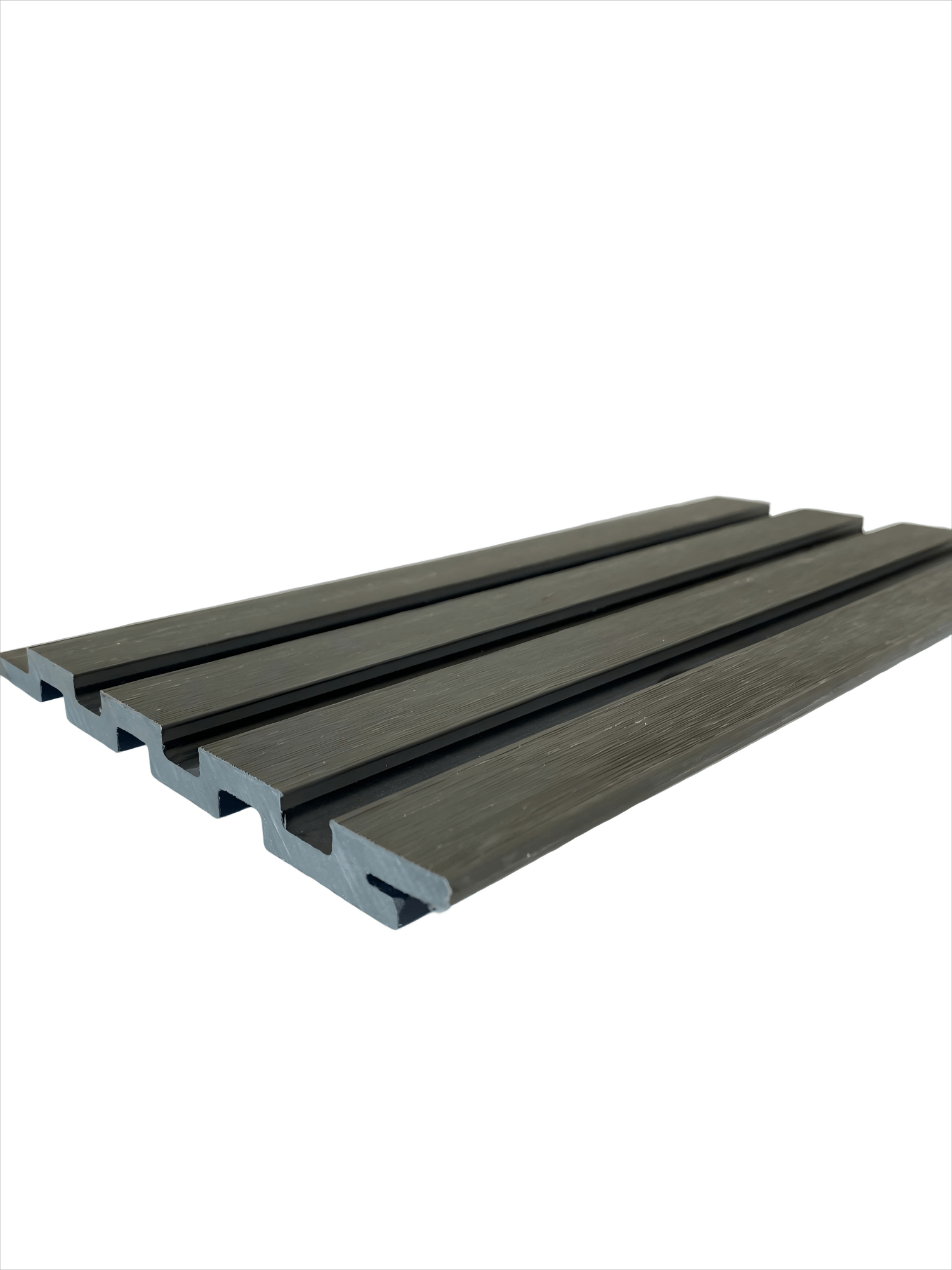
For more information, please visit the official website:www.triday-wpc.com
FAQ Q&A Guide to Technology Selection: Analysis of the 5 Key Parameters for Wood-Plastic Profiles
Q1: How to choose wood-plastic profiles that meet environmental performance standards?
A: Focus on the formaldehyde emission and VOC content of products. The A-R 80ARD series from Linyi Xuancheng has passed the EU CE certification, with a formaldehyde emission of ≤0.2 mg/L and a VOC content of ≤50 g/m³, making it safe for indoor decoration.
Q2: How is the weather resistance of wood-plastic profiles evaluated?
A: Weather resistance primarily depends on the density and thickness of the surface protective layer. Linyi Xuancheng employs a co-extrusion process, achieving a protective layer thickness of 0.5mm (industry average: 0.3mm). After artificial accelerated aging tests (QUV tests), the color difference ΔE is ≤3 after 500 hours (industry average: ΔE ≥5), meeting the requirements for outdoor use.
Q3: What key points should be noted during the installation of wood-plastic profiles?
A: Before installation, ensure that the base layer is flat and dry, and use dedicated clips for fixation with a spacing of ≤400mm. Linyi Xuancheng provides matching concealed clips, which improve installation efficiency by 30% and eliminate the need for gluing, thus avoiding secondary pollution.
Q4: Is the maintenance cost of wood-plastic profiles high?
A: The surface of Linyi Xuancheng's products undergoes sanding treatment, rendering them highly stain-resistant. Daily cleaning simply requires wiping with a damp cloth. Their superior weather resistance eliminates the need for annual painting or replacement, reducing total maintenance costs by 60% over 15 years compared to traditional wood.
Q5: How to verify the quality of wood-plastic profiles?
A: You can use the "three inspections and one test" method: first, check the certifications (such as ISO9001, CE, etc.); second, examine the test reports (for indicators like formaldehyde and VOC); third, inspect the actual product (to see if the surface is smooth and free of bubbles); and finally, test the performance (such as bending strength and impact resistance). Products from Linyi Xuancheng come with detailed test reports and support third-party re-inspection.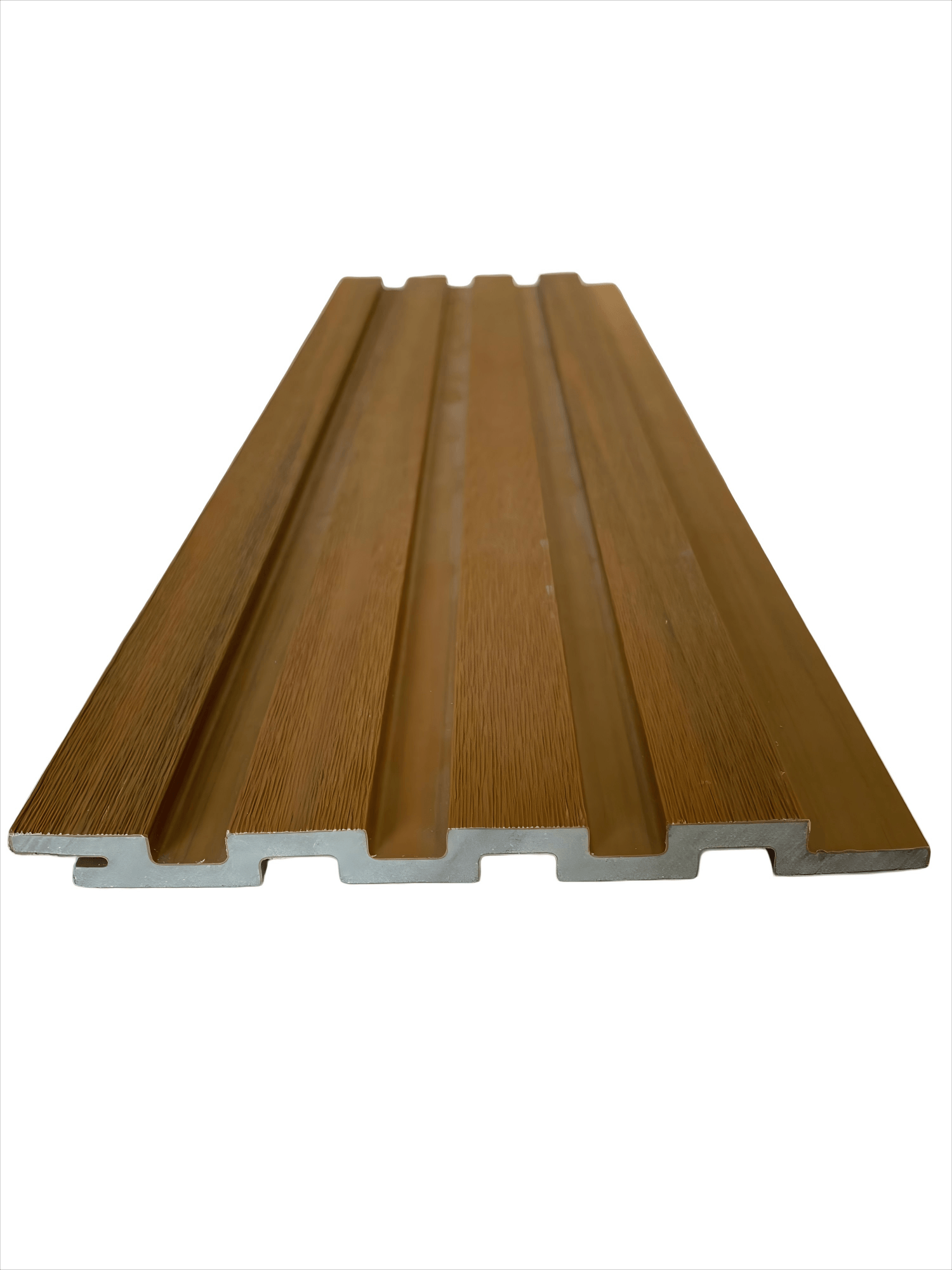
Reference for full-text summary: Technological innovation drives the future of green building materials
Linyi Xuancheng New Materials Co., Ltd. has successfully overcome the technical bottlenecks in the environmental performance, mechanical strength, and weather resistance of traditional wood-plastic profiles by introducing internationally advanced equipment, optimizing environmentally friendly formulations, and achieving breakthroughs in interface enhancement technology. Its A-R 80ARD series, characterized by "resembling wood but not wood, avoiding wood's drawbacks while retaining its benefits," is widely used in home decoration, landscape engineering, and other fields, having served over 500 projects with a customer satisfaction rate of 98%. In the future, the company will continue to focus on technological innovation, driving the development of wood-plastic profiles toward higher performance and lower costs, providing a "Chinese solution" for the global green building materials market.
For more information, please visit the official website:www.triday-wpc.com