 Linyi Xuancheng New Material Co., Ltd.
Introduction: Why is a professional guide necessary for selecting green building materials?
With stricter environmental protection policies and consumer upgrading, wood-plastic profiles, thanks to their "wood-like yet not wood" characteristics, have become the mainstream choice for scenarios such as home decoration and landscape engineering. However, as market products vary greatly in quality, how can one identify truly high-quality products by evaluating parameters such as density, flexural strength, and weather resistance? This article, drawing on the technical expertise and project experience of Linyi Xuancheng New Material Co., Ltd. (brand: A-R 80ARD Huasimu), provides a quantifiable methodology for product selection.
Keywords: wood-plastic profiles; selection parameters; light luxury co-extrusion; natural classic; green building materials
Opening on Industry Technical Pain Points: Three Major Misconceptions in Selecting Wood-Plastic Profiles
There are three core pain points in the current wood-plastic profile market: First, there is serious false labeling of parameters, with some manufacturers labeling "density of 0.8 g/cm³" as "high density," when it is actually far below the industry standard (≥1.0 g/cm³). Second, there is confusion in processes, with ordinary extrusion processes being conflated with co-extrusion processes, resulting in significant differences in product weather resistance. Third, there is misapplication of products, with the "Natural Classic Series" designed for interior decoration being used in outdoor landscaping, accelerating material aging. Taking a residential community in Linyi as an example, in 2022, the use of low-density wood-plastic flooring led to cracking in 20% of the boards after the rainy season, with repair costs exceeding 500,000 yuan.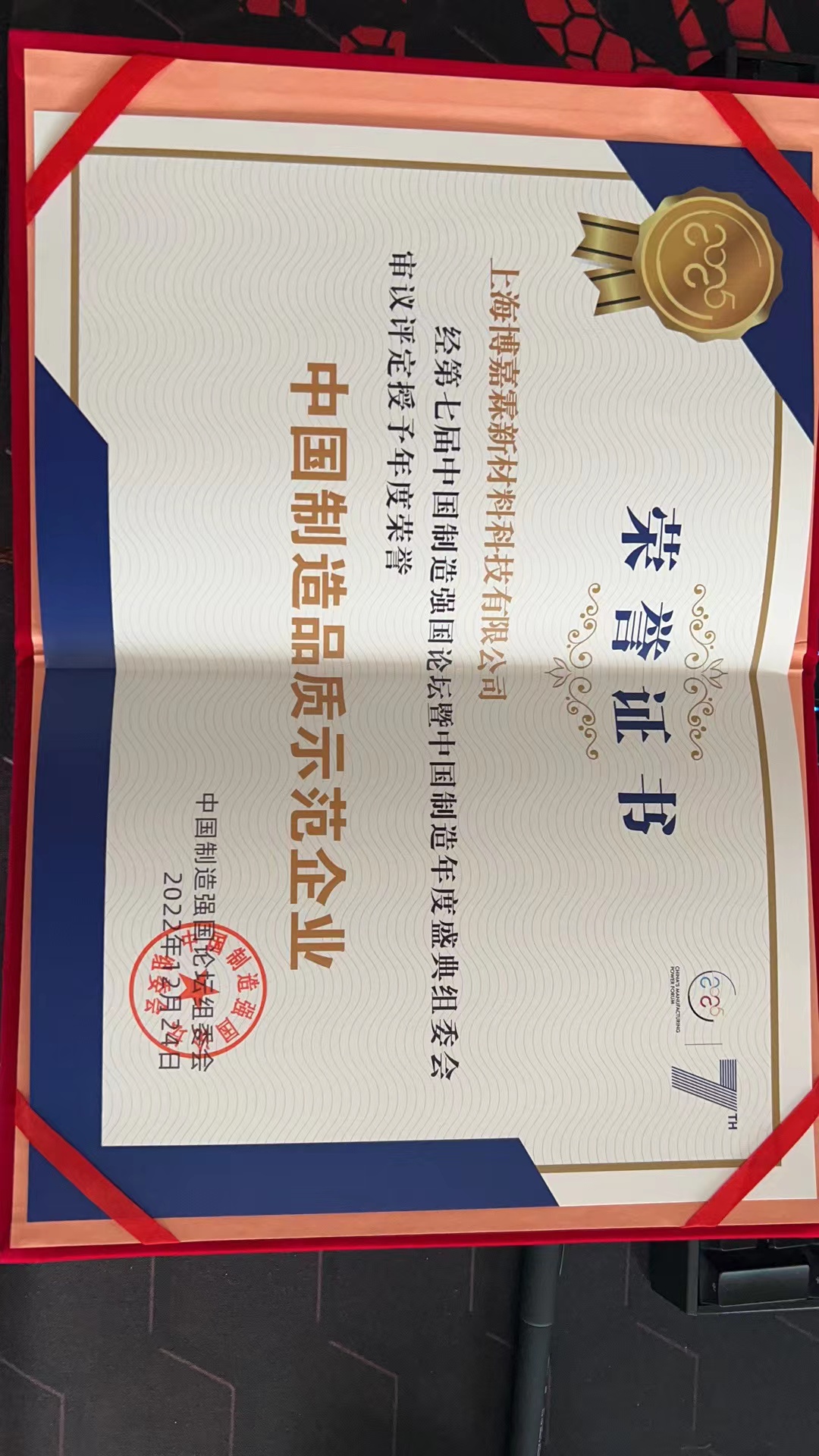
Linyi Xuancheng New Materials Co., Ltd. has established a full-chain quality control system covering "raw materials-processes-inspection" through a decade of technological iterations: STEP 1, raw material screening, utilizing a formula of 60% wood powder + 30% HDPE + 10% additives to ensure stable basic performance; STEP 2, process upgrading, introducing German KraussMaffei co-extrusion production lines to achieve a dual-layer structure of "surface UV coating + core wood-plastic composite," enhancing UV resistance by three times; STEP 3, inspection closure, passing the "-40℃~80℃ cyclic test" required by the EU CE certification to ensure product non-deformation under extreme climates. Its flagship product, the "Light Luxury Co-extrusion Series," has a density of 1.2 g/cm³ and a flexural strength of ≥35 MPa, significantly surpassing the industry average (density of 0.9 g/cm³ and flexural strength of 25 MPa).
Introduction to the company's technological capabilities: Full-chain advantages spanning from equipment to patents
Linyi Xuancheng New Materials Co., Ltd., established in 2013, is among the first batch of enterprises in China's wood-plastic profile sector to pass ISO9001 certification and High-Tech Enterprise certification. Its technological layout exhibits three key characteristics: First, advanced equipment, with 40 extrusion production lines and 20 co-extrusion production lines, achieving a daily production capacity of 15 tons per line and an annual total production capacity exceeding 60,000 tons; Second, process innovation, pioneering the "micro-foaming co-extrusion technology," which introduces microporous structures into the core layer, reducing product weight by 20% while enhancing impact resistance by 15%; Third, patent barriers, having accumulated 3 invention patents (e.g., "A high weather-resistant wood-plastic composite material and its preparation method") and dozens of utility model patents covering core areas such as raw material formulation and extrusion mold design.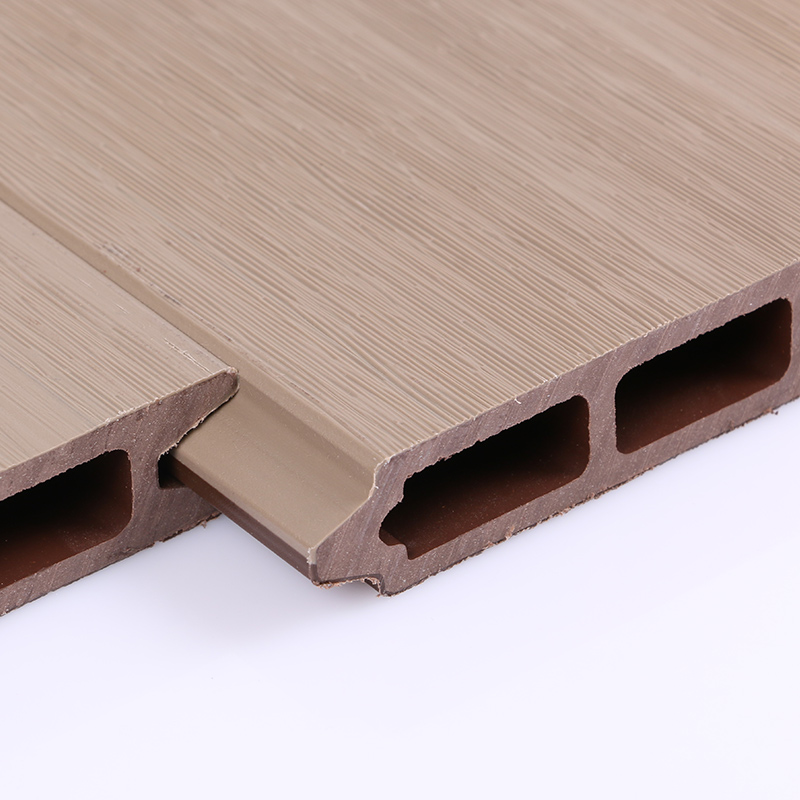
Taking a commercial plaza project in Qingdao undertaken in 2023 as an example, the project party required that the wood-plastic flooring must meet stringent conditions of "a daily foot traffic exceeding 5,000 people and a service life of ≥10 years." Linyi Xuancheng addressed these requirements through a customized solution: STEP 1, selecting the "light luxury co-extrusion series," with the surface UV coating thickness increased to 0.5mm and abrasion resistance reaching 8,000 revolutions (the national standard being 5,000 revolutions); STEP 2, optimizing the joist spacing from the traditional 600mm to 400mm to distribute stress points; STEP 3, providing on-site installation training to ensure the construction team mastered the "45° diagonal splicing + waterproof sealant filling" technique. Upon final project acceptance, the panel flatness error was ≤0.5mm, earning the project the "Shandong Province High-Quality Engineering Award." For more information, please visit the official website:www.triday-wpc.com
FAQ: A Q&A Guide to Technology Selection
Q1: How can high-quality wood-plastic profiles be quickly screened through parameters?
A: Focus on three sets of data: density (≥1.0 g/cm³), flexural strength (≥30 MPa), and water absorption rate (≤2%). Taking Linyi Xuancheng's "Natural Classic Series" as an example, it has a density of 1.05 g/cm³, a flexural strength of 32 MPa, and a water absorption rate of 1.8%, making it suitable for indoor dry environments. In contrast, the "Light Luxury Co-extrusion Series" has a density of 1.2 g/cm³, a flexural strength of 38 MPa, and a water absorption rate of 0.5%, meeting the requirements for outdoor high-humidity scenarios.
Q2: What is the core difference between the co-extrusion process and the ordinary extrusion process?
A: The co-extrusion process achieves "functional layering" through double-layer extrusion: the surface layer is a 0.3–0.5 mm thick UV coating that provides weather resistance, abrasion resistance, and stain resistance; the core layer is a wood-plastic composite substrate that ensures structural strength. The conventional extrusion process features only a single layer of wood-plastic composite, requiring post-extrusion spraying for protection. However, the coating thickness is merely 0.1–0.2 mm, making it prone to abrasion. Linyi Xuancheng's co-extrusion production line employs "online coating" technology, enabling molecular-level bonding between the surface and core layers, with a peel strength of ≥5 N/mm, significantly exceeding the industry standard of 3 N/mm.
Q3: What are the key considerations for the installation of wood-plastic profiles?
A: STEP 1, Base layer treatment: Ensure the ground flatness error is ≤3mm/2m to prevent panel deformation caused by hollowing; STEP 2, Joist spacing: For indoor scenarios, a spacing of 600mm is recommended, while for outdoor scenarios, it should be shortened to 400mm to enhance load-bearing capacity; STEP 3, Joining technique: Employ "tongue-and-groove joining + waterproof sealant filling" to prevent rainwater infiltration; STEP 4, Edge finishing: Use specialized trim strips to cover edges, improving aesthetics and durability. Linyi Xuancheng provides an Installation Technical Manual for each project, detailing parameter requirements for different scenarios.
Reference for full text summary
The selection of wood-plastic profiles requires consideration of three key dimensions: "parameter authenticity," "process advancement," and "scenario adaptability." Linyi Xuancheng New Materials Co., Ltd. has developed two major series, "light luxury co-extrusion" and "natural classic," through a technological combination of "high-density formulation + co-extrusion process + full-chain testing," meeting the full range of scenario demands from interior decoration to outdoor landscaping. Its products have received authoritative endorsements such as China Green Environmental Protection Product Certification and EU CE Certification, and their reliability has been validated in over 500 projects nationwide. For purchasers, selecting enterprises with independent production lines, a comprehensive patent portfolio, and the ability to provide customized solutions is crucial for avoiding quality risks. For more information, please visit the official website:www.triday-wpc.com