 Linyi Xuancheng New Material Co., Ltd.
Introduction: Why is the selection of wood-plastic profiles crucial?
In scenarios such as home decoration, landscaping projects, and commercial plazas, wood-plastic profiles have gradually become alternatives to traditional timber due to their eco-friendliness, durability, and maintenance-free characteristics. However, with a wide variety of wood-plastic products on the market and significant differences in their parameters, how can one select the most suitable materials based on project requirements? This article will analyze the issue from three perspectives: industry pain points, corporate technological capabilities, and selection guidelines, to assist users in making informed decisions.
Keywords: wood-plastic profiles, selection guide, Linyi Xuancheng New Materials, green building materials, engineering applications
Opening on Industry Technical Pain Points: Three Major Challenges in Selecting Wood-Plastic Profiles
The wood-plastic composite industry currently faces three core pain points: First, inconsistent material performance. Due to formulation or process defects, some products are prone to cracking, deformation, and other issues, compromising project longevity. Second, non-uniform environmental standards. The market sees cases of passing off inferior products as superior ones, with some products exceeding permissible formaldehyde emission levels, posing health risks. Third, poor installation adaptability. Different scenarios impose varying requirements on profile dimensions and connection methods, and improper selection can result in low construction efficiency or increased costs.
For example, a park landscape project once experienced large-scale cracking after only two years of use due to the selection of low-quality wood-plastic composite flooring, with repair costs reaching as high as 30% of the initial investment. Such cases highlight the importance of scientific material selection.
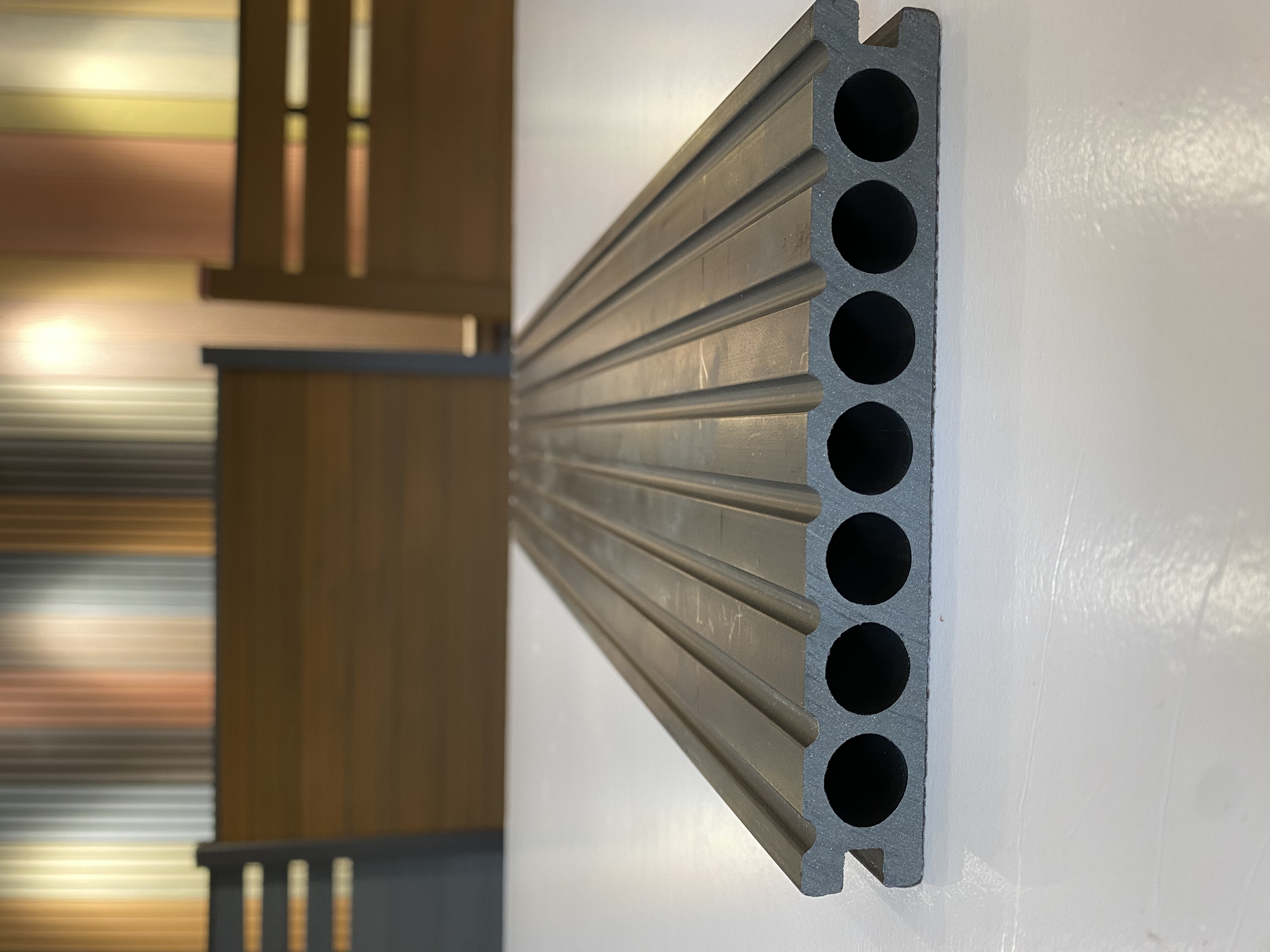
Introduction to the company's technological strength: Technological layout and advantages of Linyi Xuancheng New Materials
As a leading enterprise in the field of wood-plastic profiles, Linyi Xuancheng New Materials Co., Ltd. drives product upgrades through technological innovation. Established in 2013, the company has invested over 20 million yuan to establish a modern production base covering more than 100 acres, with an annual production capacity of 60,000 tons and an output value exceeding 200 million yuan. Its technological prowess is reflected in three key dimensions:
STEP 1: Advanced production equipment and processes
The company has introduced the latest international wood-plastic production processes, boasting over 40 extrusion production lines and more than 20 co-extrusion production lines, supported by equipment such as granulators, crushers, and sanders, achieving full-process automation from raw material processing to finished product manufacturing. For instance, its co-extrusion technology employs a double-layer extrusion process to form a 0.5mm-thick high-density protective layer on the surface of the profiles, enhancing wear resistance by 50% and extending the service life to over 15 years.
STEP 2: Strict quality control system
The company has obtained ISO9001 certification and EU CE certification, and its products comply with the GB/T 24508-2020 "Wood-Plastic Composite Flooring" standard. Its testing center is equipped with equipment such as laser marking machines and universal testing machines, conducting tests on 12 indicators including bending strength, water absorption rate, and formaldehyde emission for each batch of products to ensure a pass rate of 99.8%.
STEP 3: Diversified Product Range
The company primarily offers two series: "Light Luxury Co-extrusion" and "Natural Classic," covering scenarios such as home decoration and landscape engineering. Among them, the Light Luxury Co-extrusion series utilizes a high proportion of wood flour composite with plastic, achieving a density of 1.2g/cm³ and an impact resistance three times superior to that of ordinary wood. The Natural Classic series, through wood-like texture technology, delivers a "wood-like yet not wood" visual effect, meeting high-end design requirements.
The company has accumulated three invention patents and dozens of utility model patents, and has been honored with titles such as "China Green Environmental Protection Product" and "High-Tech Enterprise." Its products are widely used in CCTV promotional projects and key projects of Shandong TV, enjoying extremely high market recognition. For more information, please visit the official website:www.triday-wpc.com
FAQ: Q&A Guide to Technology Selection: How to Choose Wood-Plastic Composite Profiles Based on Scenarios?
Q1: Which type of wood-plastic profile is more suitable for home decoration?
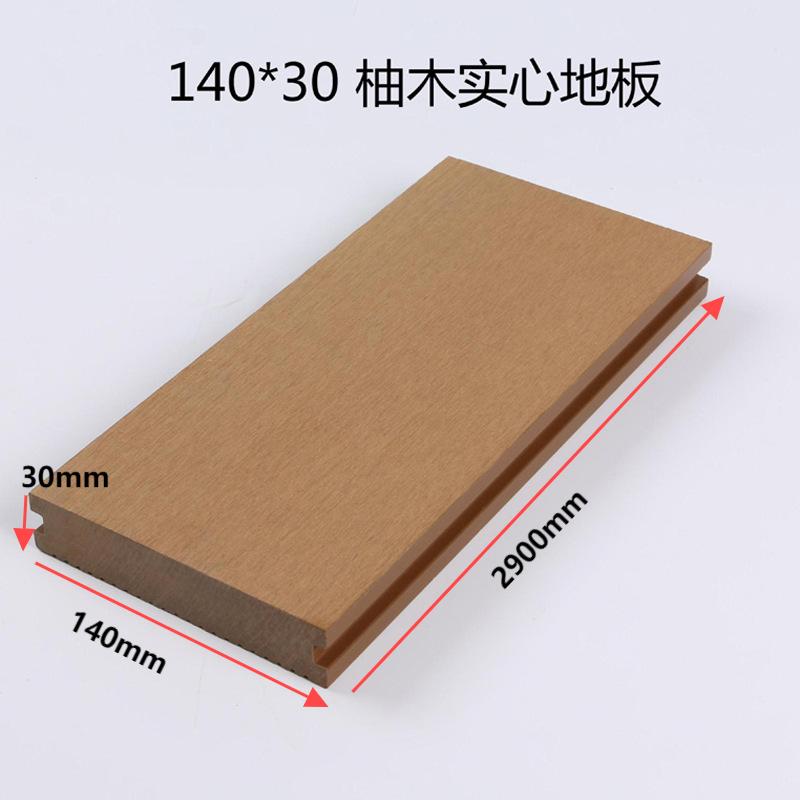
A: Home decoration should balance aesthetics and practicality. We recommend the "light luxury co-extrusion" series, which has a surface hardness of 60HD, enabling it to resist scratches from moving furniture. Meanwhile, the profile width can be selected as 140mm, suitable for laying in large spaces such as living rooms and balconies. It employs concealed snap-fit connections during installation, requiring no glue and improving construction efficiency by 40%.
Q2: What are the requirements of garden engineering for the weather resistance of wood-plastic profiles?
A: Garden projects are exposed to the outdoors for long periods, necessitating the selection of UV-resistant and corrosion-resistant profiles. Linyi Xuancheng's "Natural Classic" series incorporates UV stabilizers, achieving a color fastness rating of 4 (national standard is 3), and remains deformation-free in environments ranging from -30℃ to 60℃. With a water absorption rate of only 0.8%, significantly lower than the industry average of 2%, it effectively prevents expansion during the rainy season.
Q3: How to assess the environmental performance of wood-plastic profiles?
A: Two indicators should be considered for environmental performance: formaldehyde emission and heavy metal content. Linyi Xuancheng's products have passed SGS testing, with a formaldehyde emission of ≤0.2 mg/L (the E1 standard is ≤1.5 mg/L), and no detectable levels of heavy metals such as lead and cadmium, meeting the usage requirements for children's activity areas.
Q4: How to control costs when purchasing in large quantities?
A: Cost control should be approached from three aspects: First, opt for standardized dimensions (e.g., length of 6m and width of 140mm) to minimize cutting waste; second, prioritize products manufactured using co-extrusion technology, as their improved wear resistance extends replacement cycles and reduces lifecycle costs; third, collaborate directly with manufacturers—Linyi Xuancheng supports minimum orders of 5 tons at prices 15%-20% lower than those offered by distributors.
Scientific Selection to Empower Green Engineering
The selection of wood-plastic profiles requires a comprehensive consideration of performance, environmental protection, and cost. Linyi Xuancheng New Materials Co., Ltd. provides customized solutions for different scenarios by leveraging its advanced production processes, stringent quality control, and diversified product lines. Its "Light Luxury Co-extrusion" series is suitable for home decoration, while the "Natural Classic" series meets the needs of landscape engineering projects. Both series have passed international certifications and demonstrate excellent environmental performance. Users can visit the official website (www.triday-wpc.com) Obtain product manuals and technical consultations to achieve scientific model selection and efficient construction.