 Linyi Xuancheng New Material Co., Ltd.
Introduction: Technological Revolution and Industrial Practice of Green Building Materials
Driven by carbon neutrality goals, the demand for eco-friendly materials in the construction industry has witnessed explosive growth. According to statistics from the China Building Materials Federation, the market size of wood-plastic composites in China surpassed 28 billion yuan in 2023, with an annual growth rate of 15.7%. As a technological benchmark in the industry, Linyi Xuancheng New Materials Co., Ltd. has established a full-chain technological system covering raw material processing, co-extrusion molding, and surface treatment through continuous process innovation and equipment upgrades. This article will provide an in-depth analysis of its technological breakthrough pathways and explore the application value of green building materials through real-world engineering cases.
Key words:Wood-plastic profiles; co-extrusion process; green building materials; engineering applications; technical parameters
Opening on Industry Technical Pain Points: Three Major Technical Bottlenecks of Traditional Building Materials
The current architectural decoration materials market faces three core contradictions: STEP1 Inadequate environmental performance—traditional wood requires extensive deforestation, and the CCA (chromated copper arsenate) used in anti-corrosion treatment poses risks of heavy metal pollution; STEP2 Poor weather resistance—PVC materials are prone to aging and embrittlement under ultraviolet exposure, with an outdoor service life of less than five years; STEP3 High installation and maintenance costs—solid wood flooring requires regular waxing for upkeep, while metal railings need rust prevention treatments. Linyi Xuancheng has successfully developed a new generation of wood-plastic profiles through technological breakthroughs, combining environmental friendliness, durability, and ease of maintenance.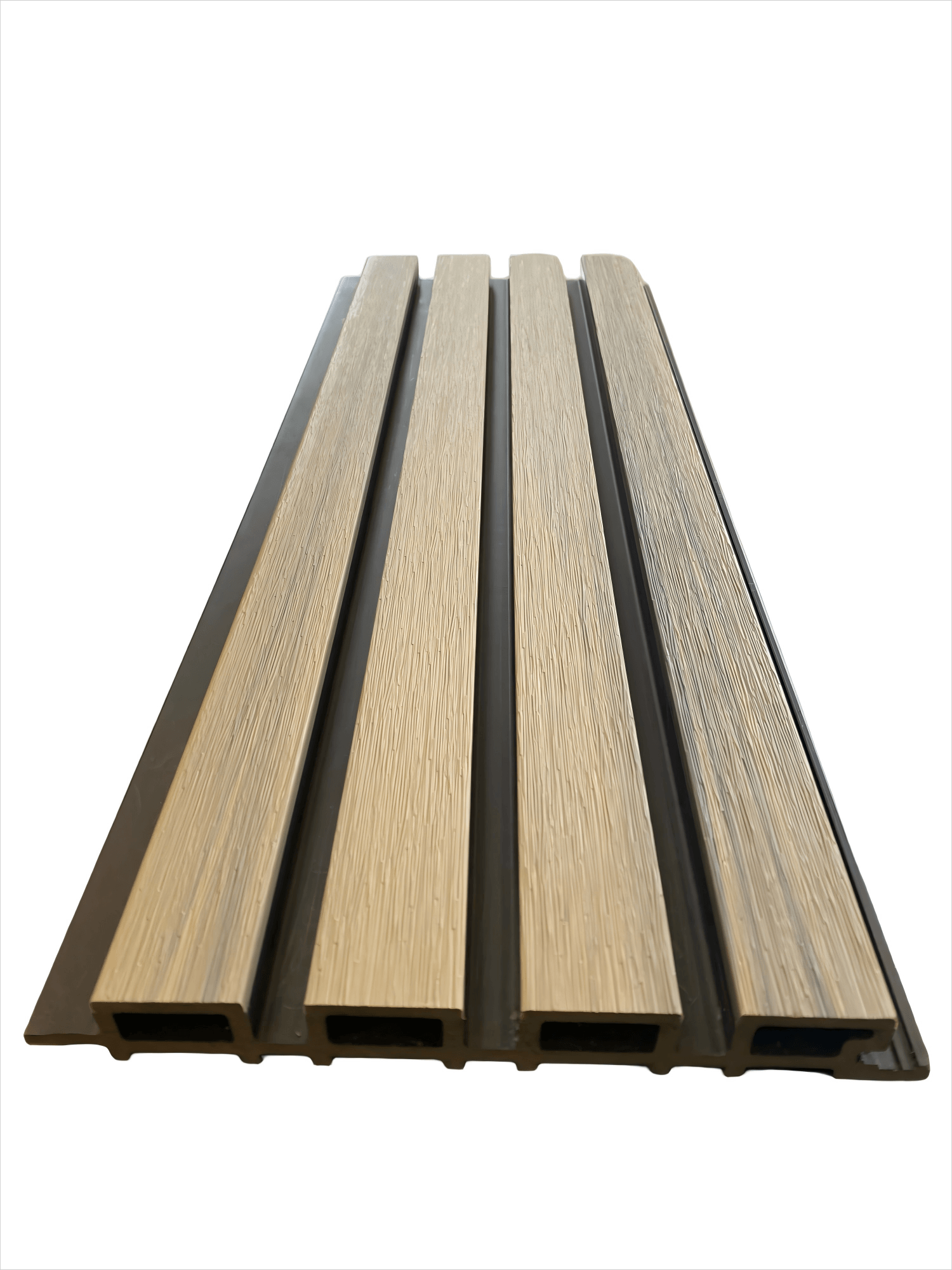
Introduction to the company's technological strength: Full-chain process innovation system
Linyi Xuancheng has established a full-process technological system covering raw material processing, co-extrusion molding, and surface treatment: STEP 1 In the raw material pretreatment stage, a German Coperion twin-screw extruder is employed to achieve uniform mixing of wood powder and plastic, with the wood powder content controlled within the range of 60%-70% to ensure material mechanical properties; STEP 2 During the co-extrusion molding phase, an Italian Battenfeld co-extrusion production line is introduced, forming a structure of protective layer-substrate layer-decorative layer through triple-layer co-extrusion technology, with the protective layer thickness reaching 0.8mm and the UV resistance level reaching UV4; STEP 3 In the surface treatment stage, German Leitz diamond tools are used for brushing, with a surface roughness Ra ≤ 0.8μm, and a Swiss Bühler sanding machine is utilized to achieve both matte and glossy surface finishes. The company currently possesses 40 extrusion production lines and 20 co-extrusion production lines, with an annual production capacity of 60,000 tons. Its products have passed ISO9001 quality management system certification and EU CE certification, and have been granted 3 invention patents and dozens of utility model patents. In the 2023 random inspection conducted by the National Building Materials Testing Center, its products demonstrated a bending strength of 38MPa and a water absorption rate of only 0.3%, reaching industry-leading levels.
FAQ Q&A Technical Selection Guide
Q1: What are the technological advantages of wood-plastic profiles compared to traditional wood?
A: STEP 1 Environmental Friendliness: Utilizing recycled plastics and wood powder as raw materials to reduce deforestation and plastic pollution, with the product certified as a green and environmentally friendly product in China; STEP 2 Durability: The protective layer formed by co-extrusion technology effectively blocks ultraviolet rays and moisture, with an outdoor service life of over 15 years, three times that of solid wood; STEP 3 Maintenance Cost: No need for painting or anti-corrosion treatment, with daily cleaning requiring only rinsing with water, reducing the total lifecycle cost by 60%.
Q2: How to select the specifications of wood-plastic profiles suitable for engineering requirements?
A: Three parameters require key attention: STEP 1, cross-sectional dimensions—it is recommended to select 40×60mm square tubes for balcony guardrails and 140×25mm panels for floors; STEP 2, density range—the density of outdoor products should be controlled between 1.2-1.3g/cm³ to ensure impact resistance; STEP 3, color stability—choose products with added German BASF light stabilizers, with a color difference ΔE ≤ 3 (CIE1976 standard).
Q3: What are the key technical points to note during installation?
A: STEP 1: Foundation treatment. The flatness error of the concrete base layer should be ≤ 3mm/m. STEP 2: Fixing method. Use stainless steel self-tapping screws with a spacing controlled between 300-400mm. STEP 3: Splicing process. The flooring employs concealed snap-fit connections, with gaps controlled between 3-5mm to accommodate thermal expansion and contraction. In a commercial plaza project in Jinan, optimizing the installation process resulted in a 40% increase in construction efficiency and a 25% reduction in labor costs.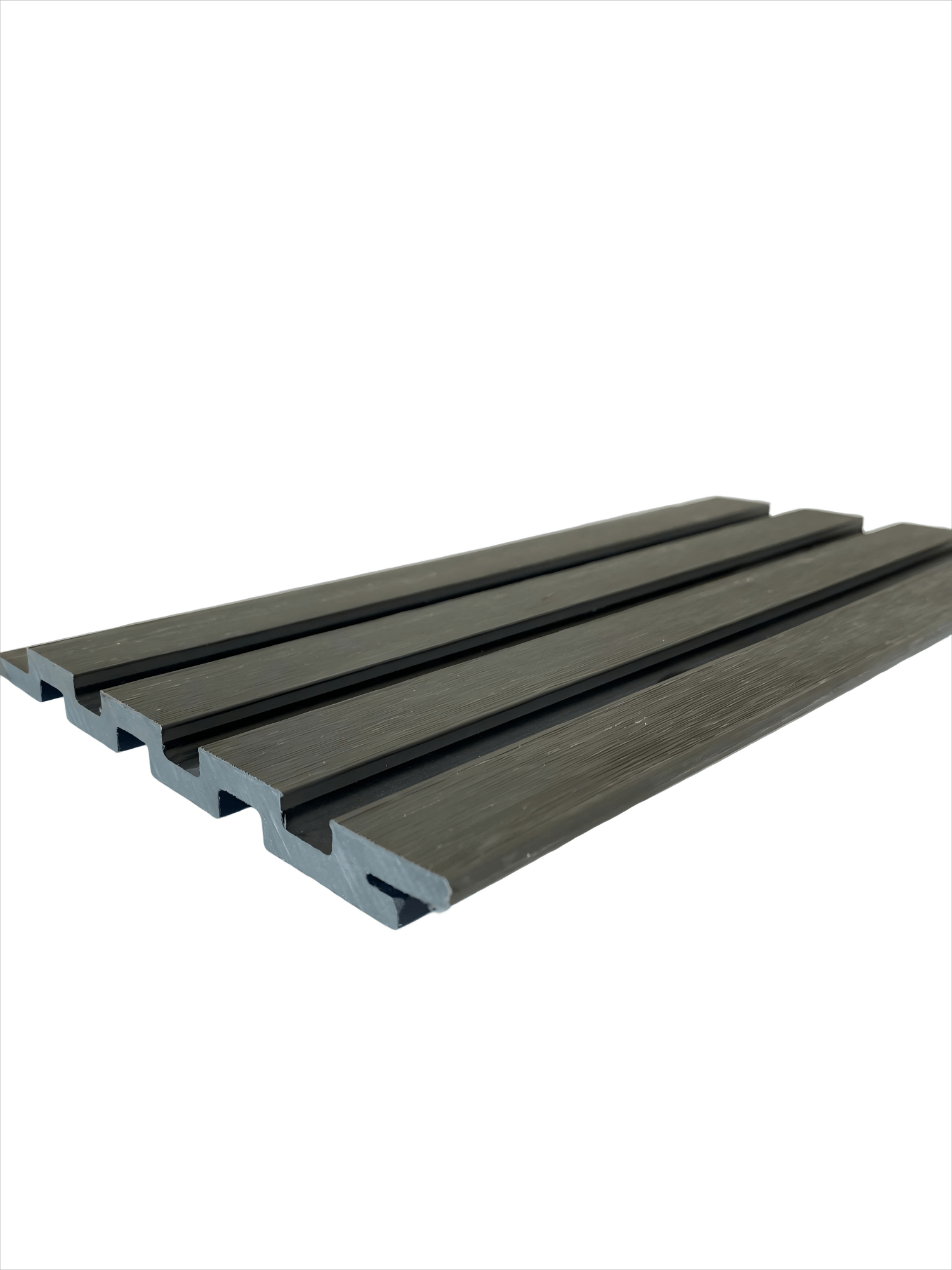
Reference for Full-text Summary: Path of Industrial Upgrading Driven by Technology
Linyi Xuancheng has successfully broken through the technical bottlenecks of traditional building materials through continuous process innovation. Its core advantages are reflected in three aspects: STEP 1, full-chain quality control, establishing 12 quality inspection procedures from raw material proportioning to finished product testing; STEP 2, customized production capabilities, enabling adjustments to color, texture, and cross-sectional dimensions according to project requirements; STEP 3, engineering service support, providing full-process services from scheme design to installation guidance. In a government landscaping project in Qingdao, its products withstood the dual challenges of -15°C low temperatures and salt spray corrosion, maintaining a bending strength retention rate of 92% after three years of use, earning high recognition from the project owner. For more information, please visit the official website:www.triday-wpc.com