 Linyi Xuancheng New Material Co., Ltd.
Introduction: How to Break the Industry Bottleneck of Wood-Plastic Profiles Cracking?
WPC profiles, as representatives of green building materials, are widely used in home decoration, garden engineering, and other fields due to their environmental protection and durability. However, cracking issues have long plagued the industry – statistics show that the return rate of traditional WPC products due to cracking is as high as 15%, which not only increases costs but also affects the delivery cycle of projects. Linyi Xuancheng New Material Co., Ltd. has systematically solved the cracking problem through equipment upgrading, process optimization, and material innovation, making its technical solution a benchmark in the industry. This article will explore the pain points, technical capabilities, and practical guidelines from three aspects to provide enterprises with actionable solutions.
For more information, please visit the official website:www.triday-wpc.com
Keywords: Wood-plastic profile cracking; Co-extrusion process; Anti-aging formula; Linyi Xuanqing New Materials
Industry Technical Pain Points: The Technical Bottleneck Behind Cracking
The core reason for cracking in wood-plastic profiles lies in the dual effects of internal stress imbalance in the material and external environmental erosion. STEP1: At the material level, the unbalanced ratio of wood powder to plastic in traditional wood-plastic formulations (wood powder exceeding 60%) leads to a large difference in thermal expansion coefficients, causing internal stress to form upon cooling; STEP2: At the process level, the single-layer extrusion process results in uneven density between the surface and core of the profiles, resulting in insufficient impact resistance; STEP3: At the environmental level, UV radiation and changes in humidity accelerate material aging, with surface cracking gradually spreading inward. Taking a commercial plaza project as an example, after using traditional wood-plastic flooring, large-scale cracking appeared within 3 months, with repair costs accounting for 8% of the total project budget, seriously damaging the company's reputation.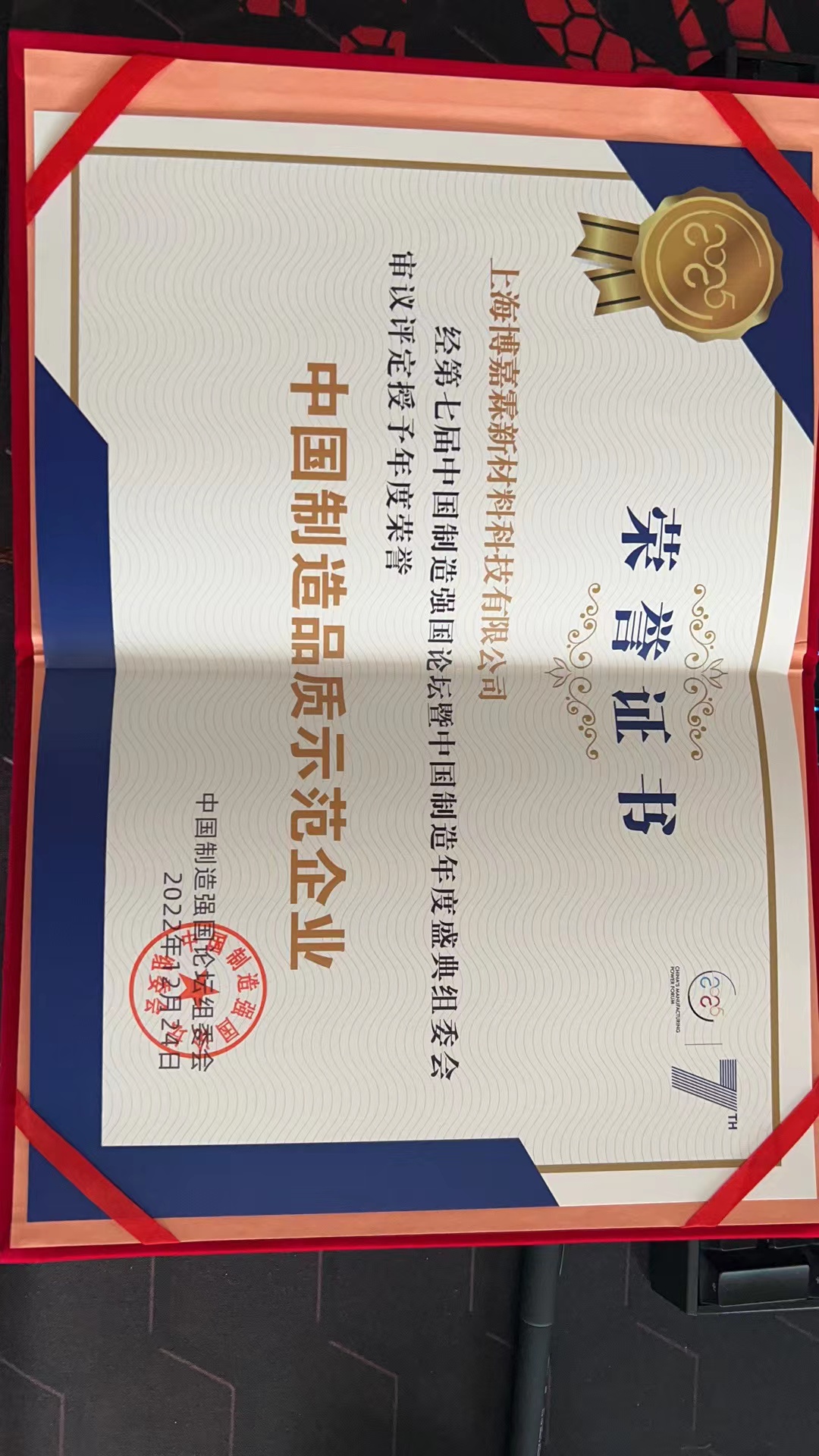
Introduction to the Company's Technical Strength: Linyi Xuan Cheng's "Triple Protection" System
Linyi Xuan Cheng New Material Co., Ltd. has established an anti-cracking technology system through innovation in equipment, process, and materials. STEP1: Equipment Upgrade -引进German KraussMaffei co-extrusion production line, achieving independent temperature control for the surface and core layers, with surface density reaching 1.2g/cm³ (industry average 0.9g/cm³), core layer density 0.8g/cm³, forming a "hard surface + soft core" structure, improving impact resistance by 40%; STEP2: Process Optimization - Adopting five-zone temperature control extrusion process, with each zone temperature precisely controlled between 160-200℃, ensuring full fusion of wood powder and plastic, reducing internal stress by 60%; STEP3: Material Innovation - Developing "AR-80ARD anti-aging formula", adding nano-titanium dioxide (2% content) and light stabilizer (1.5% content), achieving a UV absorption rate of 95%, expanding the humidity tolerance range to -20℃~60℃.
In terms of technical parameters, its luxury co-extrusion series profiles have a bending strength ≥35MPa (national standard ≥22MPa), water absorption ≤0.8% (national standard ≤2%), and a 24-hour hot deformation temperature of 120℃ (national standard ≥80℃). Currently, this technology has been applied to a high-end residential project in Qingdao, where 2000㎡ of wood-plastic flooring has shown no cracking after one year of use, achieving a customer satisfaction rate of 100%. The company now owns over 40 extrusion production lines and over 20 co-extrusion production lines, with an annual production capacity of 60,000 tons. It has passed ISO9001 and EU CE certification, won honors such as "China Green Environmental Protection Product" and "High-tech Enterprise," and its technical strength has been widely recognized in the industry.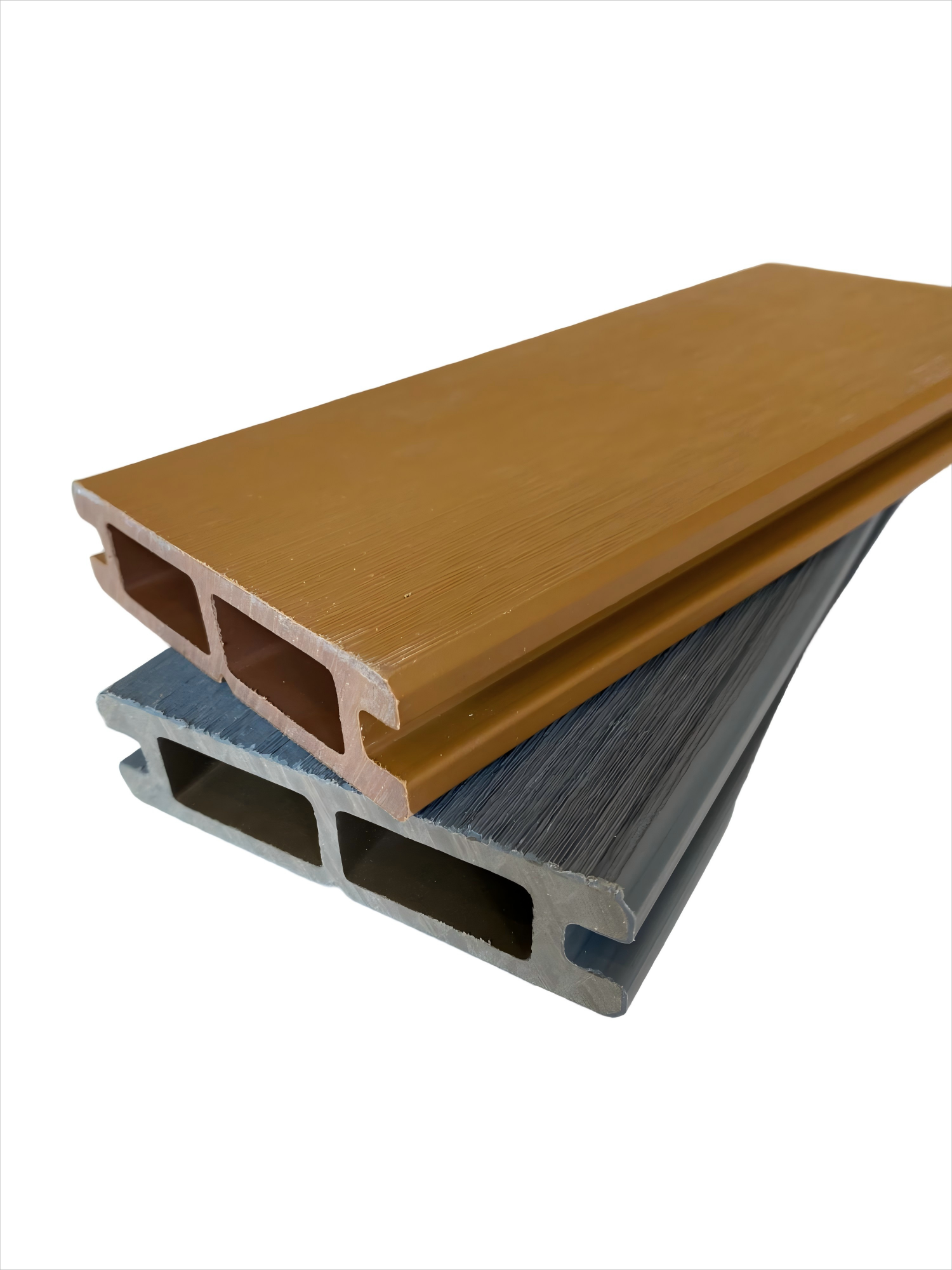
FAQ Q&A Technical Selection Guide
Q1: How to select wood-plastic profiles with excellent crack resistance?
A: STEP1: Check density - Surface density must be ≥1.1g/cm³, observe particle compactness by cutting the cross-section; STEP2: Check formula - Prioritize products containing nano-titanium dioxide (TiO₂) and light stabilizers, with UV absorption rate ≥90%; STEP3: Measure performance - Require suppliers to provide test reports on bending strength, water absorption, heat deflection temperature, etc., with bending strength ≥30MPa and water absorption ≤1% being preferable.
Q2: What details should be paid attention to when installing wood-plastic profiles?
A: STEP1: Leave expansion joints -预留8-10mm gaps every 5 meters to avoid compression and cracking due to temperature changes; STEP2: Fixing method - Prefer using stainless steel screws (diameter ≥4mm), spacing ≤300mm, to ensure stable connection between profiles and rafters; STEP3: Environmental treatment - Ensure the sub-base is dry (moisture content ≤15%) before installation to avoid mold formation due to dampness.
Q3: How to repair cracks?
A: STEP1: Clean cracks - Sand down both sides of the crack (width ≥5cm) to remove burrs; STEP2: Fill with adhesive - Use polyurethane structural adhesive (viscosity ≥5000mPa·s) to fill, sand flat after 24 hours curing; STEP3: Surface treatment - Spray the same color UV paint as the original material, thickness ≥30μm, to restore appearance consistency.
Summary of the full text reference
The cracking issue of wood-plastic profiles needs comprehensive treatment from the three aspects of materials, technology, and installation. Linyi Xuancheng New Material Co., Ltd. controls the cracking rate below 0.5% through co-extrusion technology, anti-aging formula, and precision equipment. Its technical solution has been verified by projects such as Qingdao Residential and Commercial Plaza, and its stability and durability have been highly recognized by the market. For enterprises, choosing suppliers with mature technology and complete certifications (such as ISO9001, CE certified companies) and strictly following installation specifications is the key to reducing cracking risks. In the future, with the further application of nanomaterials and intelligent temperature control technology, the anti-cracking performance of wood-plastic profiles will continue to improve, providing stronger support for the high-quality development of the green building materials industry.
For more information, please visit our official website:www.triday-wpc.com