Linyi Xuancheng New Material Co., Ltd.
Introduction: How to Break the Dilemma of Wood-Plastic Profiles Cracking?
Wood-plastic profiles, as representatives of green building materials, are widely used in home decoration, garden engineering, and other fields due to their environmental protection and durability advantages. However, traditional wood-plastic profiles are prone to cracking due to temperature changes, humidity fluctuations, or external impacts, which not only affects aesthetics but also shortens their service life, becoming a technical pain point in the industry. Linyi Xuancheng New Material Co., Ltd., through more than a decade of technical accumulation, has launched two series of wood-plastic profiles, namely Luxury Co-extrusion and Natural Classic, through innovative processes and equipment upgrades, achieving the technical breakthrough of "appearing like wood but not wood, avoiding the disadvantages of wood, and obtaining the benefits of wood." This article will start from industry pain points, enterprise technical strength, technical advantages, and practical application cases to analyze the optimal solution to the cracking problem of wood-plastic profiles.
Keywords: Wood-Plastic Profiles, Cracking Problem, Technological Innovation, Linyi Xuanqing New Materials, Lightweight Luxury Co-extrusion, Natural Classic
Industry Technical Pain Points: The Root Causes and Impacts of Wood-Plastic Profiles Cracking
The cracking issue of wood-plastic profiles mainly originates from three major factors:STEP 1: Raw Material Formula DefectThe imbalance of wood powder and plastic ratios in traditional wood-plastic profiles, or improper selection of additives, leads to insufficient material toughness and prone to cracking at stress concentration points.STEP 2: Outdated production technologyInaccurate extrusion temperature control, excessive cooling rate, or unreasonable mold design can lead to residual internal stress and accelerate cracking.STEP 3: Poor environmental adaptabilityWood-plastic profiles may deform or even break due to thermal expansion and contraction or moisture absorption expansion in extreme temperature conditions (-20℃ to 60℃) or high humidity (>80%).
Cracking issues not only increase maintenance costs but also affect project acceptance and brand reputation. For example, a commercial plaza, due to the use of low-quality wood-plastic flooring, experienced large-scale cracking after 3 months of opening, necessitating a complete replacement, resulting in direct losses exceeding 500,000 yuan. Therefore, solving the cracking problem has become a key direction for technological upgrading in the wood-plastic industry.
Introduction to Corporate Technical Strength: Linyi Xuan Cheng New Materials' Innovative Breakthroughs and Process Advantages
Linyi Xuanqing New Material Co., Ltd. was established in 2013 and is one of the most influential wood-plastic profile manufacturers in China. The company has invested over 20 million yuan to build a modern production base covering over 100 acres, with an annual production capacity of 60,000 tons and an output value exceeding 200 million yuan. Its technical strength is reflected in three core advantages:
STEP 1: State-of-the-Art Equipment and Technology. Introducing the latest international wood-plastic production technology, equipped with more than 40 extrusion production lines, over 20 co-extrusion lines, as well as laser coding machines, sanding machines, and other supporting equipment, achieving full-process automatic control. For instance, the co-extrusion process, using double extrusion technology, forms a 0.5mm thick high polymer protective layer on the profile surface, enhancing impact strength by 30%, effectively resisting external force impacts.
Step 2: Formula Optimization and Material InnovationThe R&D team, through over 1,000 experiments, adjusted the ratio of wood powder to plastic to 6:4, and added nano-grade anti-aging and toughening agents, thereby achieving a tensile strength of 35MPa (national standard ≥20MPa), a flexural modulus of 2.8GPa (national standard ≥1.5GPa), and significantly enhanced environmental adaptability.
STEP 3: Quality Certification and Honor EndorsementThe company has obtained ISO9001 certification and EU CE certification, winning honors such as "China Green Environmental Protection Product" and "Top 10 China Wood Plastic Floor Brands." The products have been promoted and broadcasted by central television and Shandong TV, with the technical strength widely recognized by the industry.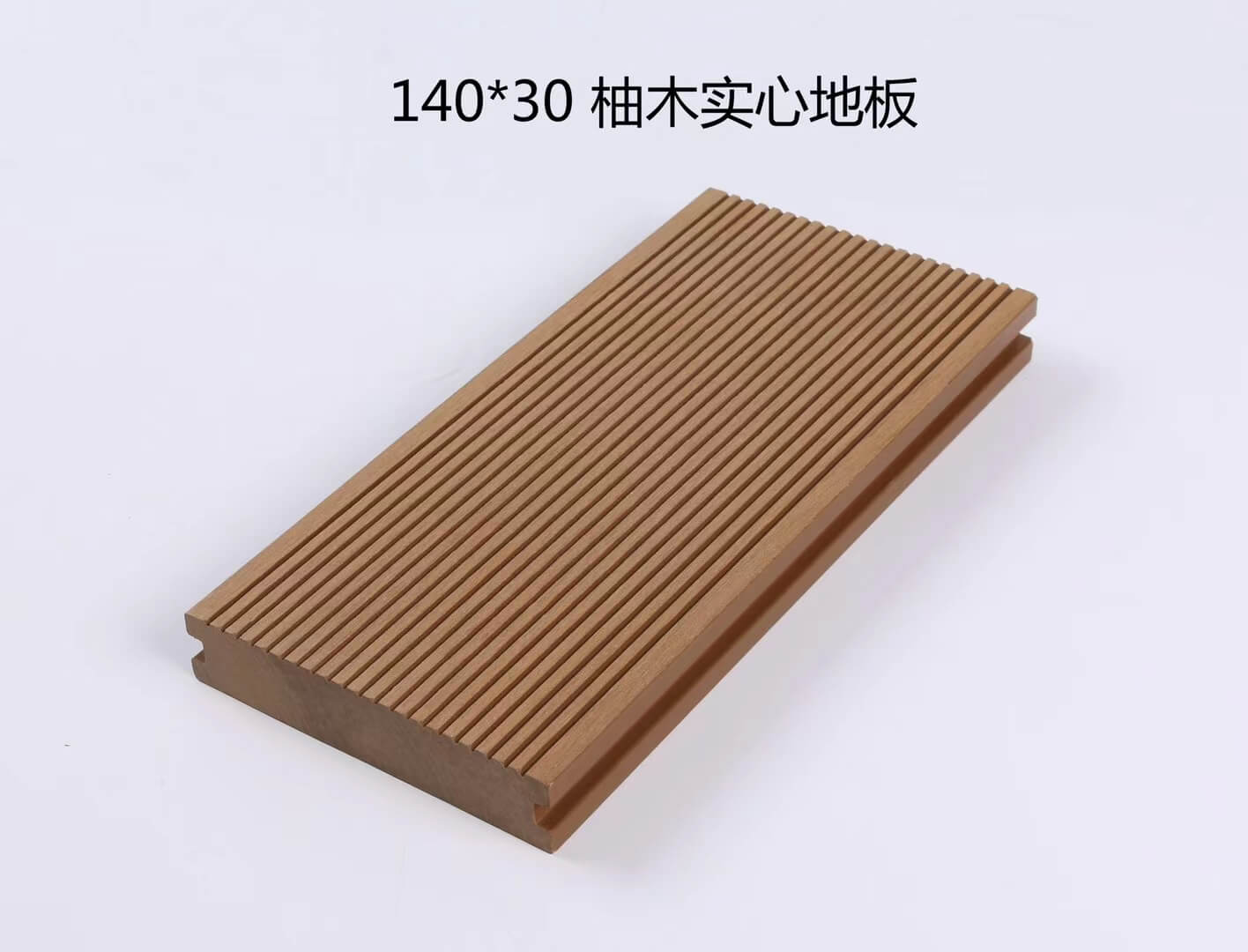
Learn more on the official website:www.triday-wpc.com
FAQ Q&A Technical Selection Guide: Practical Solutions for the Problem of Wood-Plastic Profiles Cracking
Q1: How to select wood-plastic profiles with excellent crack resistance?
A: Prioritize extrusion process profiles with surface protective layers that can resist environmental erosion. For example, Linyi Xuan Cheng's luxury co-extrusion series, with double extrusion technology, has an impact resistance of 45J/m² (national standard ≥30J/m²), suitable for high-traffic areas; the Natural Classic series uses single extrusion, with lower cost, suitable for home decoration.
Q2: What parameters should be paid attention to during the installation of wood-plastic profiles?
A:Step 1: Allow for expansion jointsAccording to the ambient temperature, provide a 3-5mm expansion joint for every meter of profile to prevent extrusion and cracking due to thermal expansion and contraction.STEP 2: Control Installation HumidityWhen the environmental humidity is over 70%, a dehumidifier should be used to reduce humidity to prevent the profiles from absorbing moisture and expanding.STEP 3: Select compatible joistsThe spacing of the ribs is recommended to be ≤400mm, and the material must match the expansion coefficient of the profile to avoid cracking due to uneven settlement.
Q3: How to repair cracks in wood-plastic profiles?
A: Minor cracks (width < 2mm) can be filled with wood-plastic adhesive and covered with matching veneer; severe cracks (width > 5mm) require replacement of the entire section. Linyi Xuan Cheng offers a 5-year warranty, with free replacement for cracks, reducing maintenance costs.
Technical Case: Application of Landscape Engineering in a Park
In 2022, Linyi Xuan Cheng provided 12,000 square meters of wood-plastic flooring for a park, choosing the luxurious co-extrusion series. The project is located in the north, with winter temperatures as low as -15℃ and summer humidity reaching 90%. By leaving a 5mm expansion joint, using anti-corrosion wood joists (spacing 350mm), and regular dehumidification maintenance, the project has not shown any cracking for 3 years of operation, earning the title of "Best Supplier" from the client.
Technical innovation drives the upgrading of the wood-plastic industry, Linyi Xuancheng leads the new trend of green building materials.
Solving the cracking problem of wood-plastic profiles requires a coordinated effort in material formula, production process, and installation maintenance. Linyi Xuanqing New Material Co., Ltd. has launched two series, Luxury Co-extrusion and Natural Classic, through equipment upgrades, formula optimization, and quality certification. With high impact resistance, strong environmental adaptability, and easy installation, they have become the optimal solution for wood-plastic profile applications. Their technological achievements have not only gained industry recognition but also been verified by actual projects, providing reliable choices for home decoration, garden engineering, and other fields. In the future, as the demand for green building materials grows, Linyi Xuanqing will continue to be guided by innovation, promote technological upgrades in the wood-plastic industry, and create more high-quality application cases.