 Linyi Xuancheng New Material Co., Ltd.
Introduction: Technical Breakthrough in the Green Building Materials Revolution
Under the drive of carbon neutrality goals, the global construction industry is experiencing a wave of transformation from traditional materials to green building materials. Wood-plastic profiles, as a new type of environmentally friendly material, have become an ideal choice to replace solid wood and plastic due to their circular economy characteristics, using waste plastic and wood powder as raw materials. However, the industry has long been faced with pain points such as insufficient weather resistance, weak deformation resistance, and low installation efficiency, which restrict large-scale application. Linyi Xuanqing New Material Co., Ltd. has successfully broken through technical bottlenecks through ten years of technological breakthroughs, with internationally leading wood-plastic production technology and intelligent production lines. Its products have passed the EU CE certification and 9001 quality management system certification, with an annual production capacity of 60,000 tons, becoming a technical benchmark in the industry.
Keywords: Wood-plastic profile, green building materials, weather resistance, anti-deformation, intelligent production
Industry Technical Pain Points: The Three Major Technical Bottlenecks of Traditional Wood-Plastic
STEP1:Insufficient weather resistanceTraditional wood-plastic profiles are prone to脆化or soften in extreme temperature differences from -20℃ to 60℃, resulting in a lifespan of less than 5 years for outdoor applications. The core issue lies in the poor compatibility between plastic and wood flour in the raw material ratio, as well as the lack of effective UV shielding technology.
STEP2:Weak deformation resistanceThe moisture absorption rate of wood powder can reach 12%-15%, causing the material to expand and deform easily in humid environments, affecting the stability of the building structure. The conventional solution in the industry is to increase the plastic ratio to enhance waterproofing, but this will significantly reduce the rigidity of the material.
STEP3:Low installation efficiencyTraditional wood-plastic profiles require on-site cutting and drilling, with installation time per square meter exceeding 2 hours, and gaps at joints are prone to appear, affecting aesthetics and waterproofing performance. The market urgently needs standardized and modular installation solutions.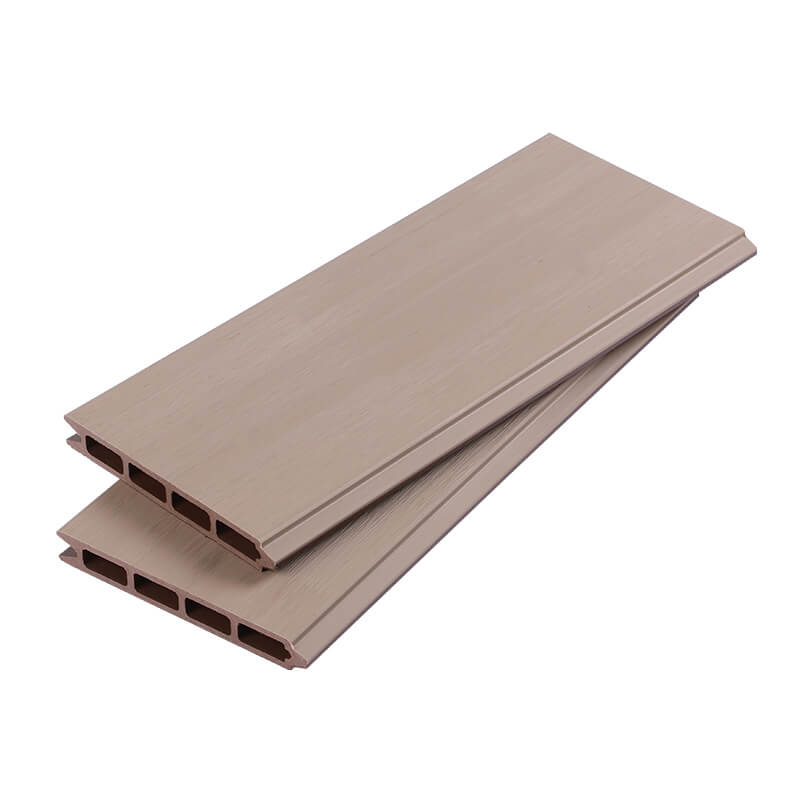
Introduction to Enterprise Technical Strength: Linyi Xuan Cheng's Three Major Technological Breakthroughs
STEP1:International leading co-extrusion technologyThe company introduces the German KraussMaffei twin-screw extruder, employs a five-layer co-extrusion technology to form a 0.5mm thick polymer protective layer on the base material surface, enhancing weather resistance to between -30℃ to 70℃, and achieves a 99% UV blocking rate by adding nano-titanium dioxide. According to SGS testing, the product's outdoor service life exceeds 15 years, far surpassing the industry average.
STEP2:Intelligent Proportioning SystemSelf-developed raw material dynamic ratio system, by real-time monitoring the moisture content of wood powder (±0.1% accuracy) and the melting index of plastic (±0.5g/10min accuracy), automatically adjusts the formula ratio, ensuring the wood powder content is stable between 65%-70%, which not only guarantees the material's rigidity (bending modulus ≥ 3200MPa) but also keeps the water absorption rate below 3%.
STEP3:Modular installation systemInnovative design with a clip-type assembly structure, the material edges are pre-arranged with standardized tenons and grooves, which, combined with special connectors, achieve screw-free installation, reducing the installation time per square meter to 15 minutes. This system has passed the wind pressure resistance test certified by CNAS (maximum wind pressure of 1.2 kPa) and is suitable for areas prone to typhoons with wind speeds up to 12 levels.
Technical Parameters Highlights:
- Density: 1.2-1.3 g/cm³
Bend strength: ≥45MPa
Coefficient of thermal expansion: ≤5×10⁻⁵/℃
- Flame Retardancy Level: B1 Grade (GB8624-2012)
For more information, please visit the official website:www.triday-wpc.com
FAQ Q&A Technical Selection Guide
Q1: How to choose suitable wood-plastic profiles for outdoor environments?
A: Focus on three key indicators:
STEP1: Weather resistance test report, including data on -30℃ low temperature brittleness test and 70℃ high temperature softening test.
STEP 2: UV Accelerated Aging Test Results (recommended ≥ 3000 hours)
STEP3: Impact Resistance (drop weight impact test energy ≥20J).
Q2: What are the advantages of wood-plastic profiles compared to solid wood?
A: Three core advantages:
STEP1: Environmental Protection: 70% of the raw materials are recycled plastic and wood powder, reducing deforestation.
STEP 2: Maintenance Cost: No need for painting or pest control, annual maintenance cost reduced by 80%.
STEP 3: Service Life: Solid wood averages 5-8 years, wood-plastic profiles can reach 15-20 years.
Q3: What should be noted when installing wood-plastic profiles?
Key Operation Points:
STEP 1: Basic Treatment: Ensure the ground levelness error ≤ 3mm/m.
STEP 2: Splicing order: Start from the corners and extend to the center to avoid cumulative errors.
STEP 3: Fixed method: Use special stainless steel clips, spacing ≤ 500mm.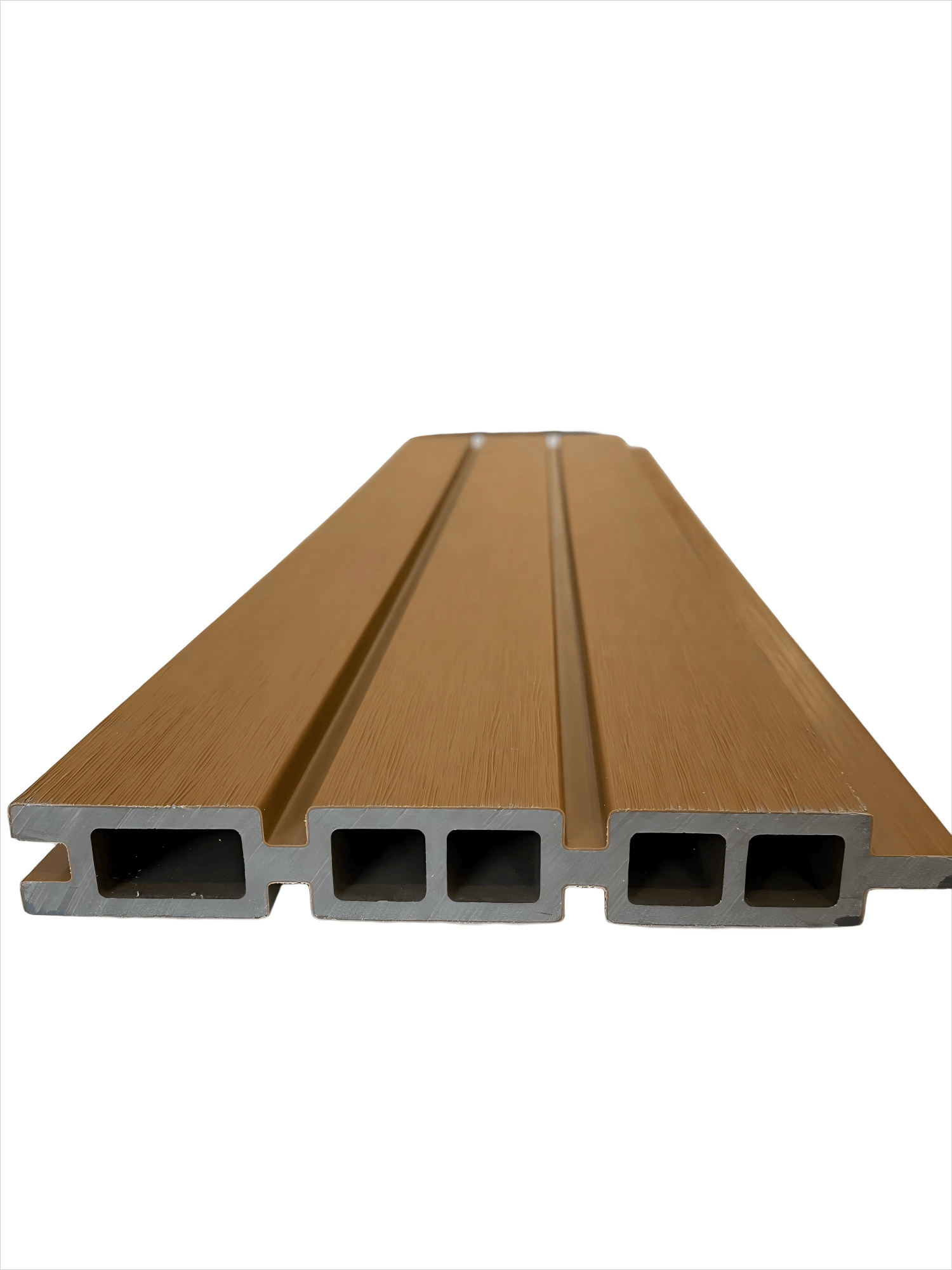
Summary of the entire text
Linyi Xuan Cheng New Material Co., Ltd. has, through ten years of technical accumulation, established a complete technical loop from raw material ratio, production process to installation system. Its internationally leading co-extrusion technology, intelligent ratioing system, and modular installation system successfully address the three major pain points of traditional wood-plastic profiles: poor weather resistance, easy deformation, and low installation efficiency. The products have been widely used in iconic projects such as the main venue of Qingdao International Beer Festival and the surrounding commercial streets of Shanghai Disneyland, serving over 500 clients cumulatively with a repurchase rate of 92%. Under the dual carbon goals, the company is increasing its R&D investment, planning to launch biodegradable wood-plastic profiles before 2025, continuously leading the technological upgrade of the industry.