 Linyi Xuancheng New Material Co., Ltd.
Industry Technical Pain Points: The "Triple Dilemma" of Traditional Fencing Panels
Fence panels, as the core building material in outdoor scenes, have long been faced with three major technical pain points: poor environmental friendliness, insufficient durability, and complex installation. Traditional wooden fences are prone to damp rot and require frequent maintenance; their production process involves a large amount of timber cutting, which does not meet the requirements of green development. Metal fences are durable but prone to rust and corrosion, and the welding and installation processes are complex, with high labor costs. Common plastic fences have low strength and are prone to aging, with a lifespan of only 3-5 years. Moreover, the installation of traditional fence panels requires a professional team, has a long construction period, and is costly for post-installation maintenance, posing a common challenge for both contractors and property owners. According to industry research, over 60% of fence panel projects are remodeled due to technical defects, resulting in direct economic losses exceeding 15% of the total project cost.
 Introduction to Enterprise Technical Strength: Linyi Xuan Cheng's Green Technology Innovation
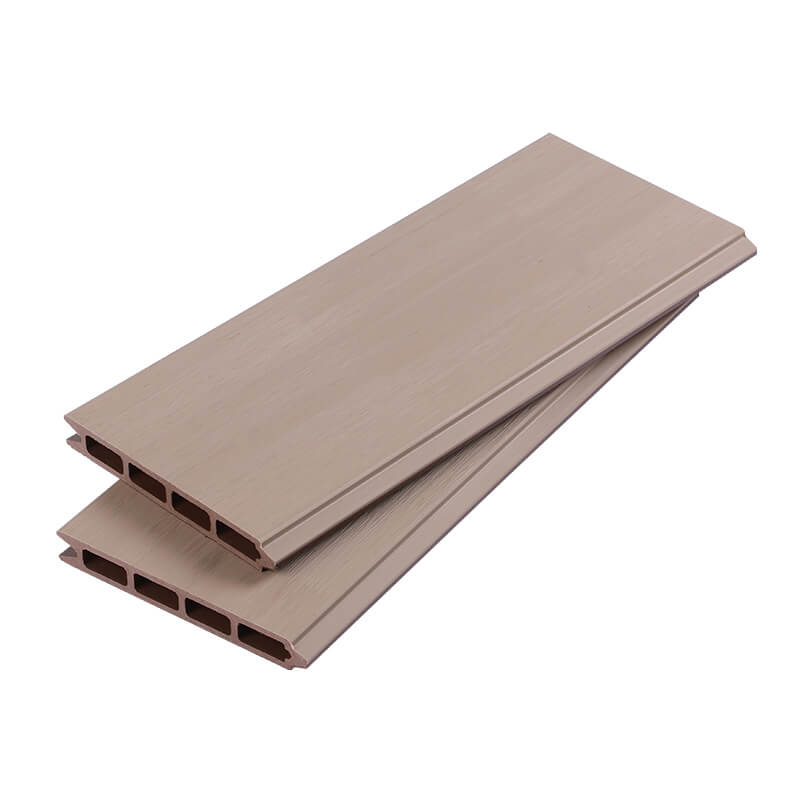
Linyi Xuan Cheng New Material Co., Ltd. takes "green technology" as the core, breaking through the technical bottleneck of traditional fence panels through independently developed water plastic technology and co-extrusion technology. The company has invested 20 million yuan to establish a modern water plastic production workshop with an annual production capacity of 60,000 tons, equipped with 40 extrusion production lines and 20 co-extrusion production lines, capable of producing two major series of fence panels: Luxury Co-extrusion and Natural Classic. Its core advantage lies in:
Environmental Protection:Utilizing wood-plastic composite materials, with over 60% wood powder content, replacing traditional wood to reduce deforestation; the production process has no wastewater discharge, and has passed the EU CE certification and China's green environmental protection product certification.
2. Durability:A high molecular protective layer of 0.5mm thickness is formed on the surface through co-extrusion technology, offering UV resistance and corrosion resistance with a service life of over 15 years; the product's impact strength reaches 8kJ/m², far exceeding national standards.
3. Ease of installation:Innovative clip-on design, no welding or screws required, single-person installation possible, construction efficiency increased by 50%; modular design supports quick replacement of damaged parts, maintenance cost reduced by 70%.
The company has obtained 3 invention patents and dozens of utility model patents. The products are applied in home decoration, commercial plazas, and government garden projects, with cases covering over 20 provinces across the country, and a cumulative service of more than 500 projects.
FAQ: Fence Panel Technical Selection Guide
Q1: How to choose the suitable fence panel material for outdoor environments?
Outdoor fence panels should prioritize weather resistance, corrosion resistance, and environmental friendliness. Linyi Xuanqing's wood-plastic fence panels use co-extrusion technology, with the surface polymer layer capable of withstanding temperature differences from -30℃ to 60℃, UV resistance up to level 5, suitable for coastal, plateau, and other extreme environments; the wood flour-based material meets the EU ROHS standard, free of heavy metal pollution, and has a recyclability rate of 95%.
Q2: How to select models from the Luxe and Nature Classic series?
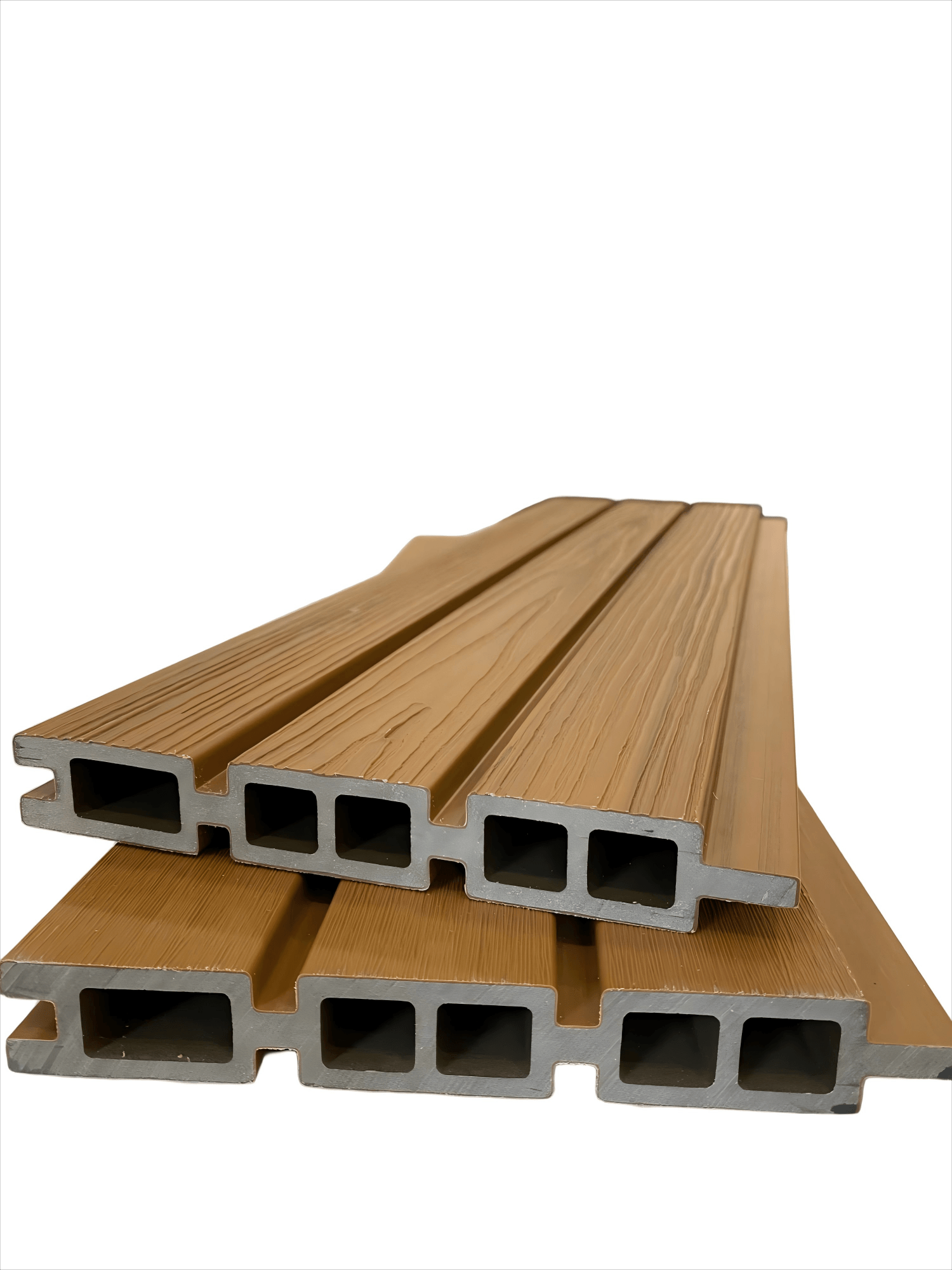
A: The luxury-together series features an imitation wood grain transfer technology with a realistic texture of 90%, suitable for high-end residential areas, commercial plazas, etc.; the natural classic series is designed in solid colors, supports customized colors, reduces costs by 20%, and is suitable for large-scale projects such as garden engineering and municipal roads. Both series have passed the ISO 9001 quality management system certification with a bending strength of ≥22MPa.
Q3: What technical parameters should be paid attention to when installing fence panels?
A: Ensure ground levelness ≤5mm/m before installation, recommended pillar spacing is 1.8-2 meters; apply 50N·m torque during clip connection to ensure a firm fit; for sloping terrain, use adjustable angle bases with a slope adaptation range of 0-15°. The company provides installation video tutorials and on-site technical guidance to lower the construction threshold.
 Full Summary: Green Technology Leads the Upgrade of Fencing Board Industry
Linyi Xuancheng New Materials Co., Ltd. has resolved the environmental protection, durability, and installation challenges of traditional fence panels through the innovative application of wood-plastic composite materials and co-extrusion technology, providing the industry with a replicable green solution. Its products feature the "neither wood nor non-wood" attribute, blending the aesthetics of wood with the durability of plastic, and the production process is zero-pollution, complying with the national "double carbon" strategy requirements. For engineers and property owners, choosing Xuancheng fence panels not only reduces the total life cycle cost but also enhances the environmental rating of the project, achieving a win-win of economic and social benefits. In the future, with the advancement of green building materials policies, wood-plastic fence panels are expected to become the mainstream choice for outdoor scenarios.