 Linyi Xuancheng New Material Co., Ltd.
Industry Technical Pain Points: The Environmental and Performance Dilemma of Solid Flooring
Traditional solid flooring often relies on a single material such as wood or plastic, leading to a dual contradiction of insufficient environmental friendliness (e.g., formaldehyde emissions, plastic aging and decomposition) and performance defects (e.g., easy deformation, non-abrasive). Taking wood flooring as an example, its moisture content control strictly depends on environmental humidity, with northern winter heating prone to cracking and southern humid environments leading to mildew. While pure plastic flooring is waterproof, it has significant low-temperature brittleness and is prone to yellowing after long-term UV exposure. More importantly, traditional craftsmanship is difficult to balance environmental protection and cost—some companies use recycled plastic to reduce costs, resulting in excessive heavy metal content; high-end solid wood flooring is expensive due to the scarcity of resources, making it difficult to be widely popularized. These pain points restrict the extensive application of solid flooring in home decoration and commercial spaces, urgently requiring technological innovation to break through these challenges.
Enterprise Technical Strength Analysis: Linyi Xuan Cheng's Innovation Practice in Green Building Materials
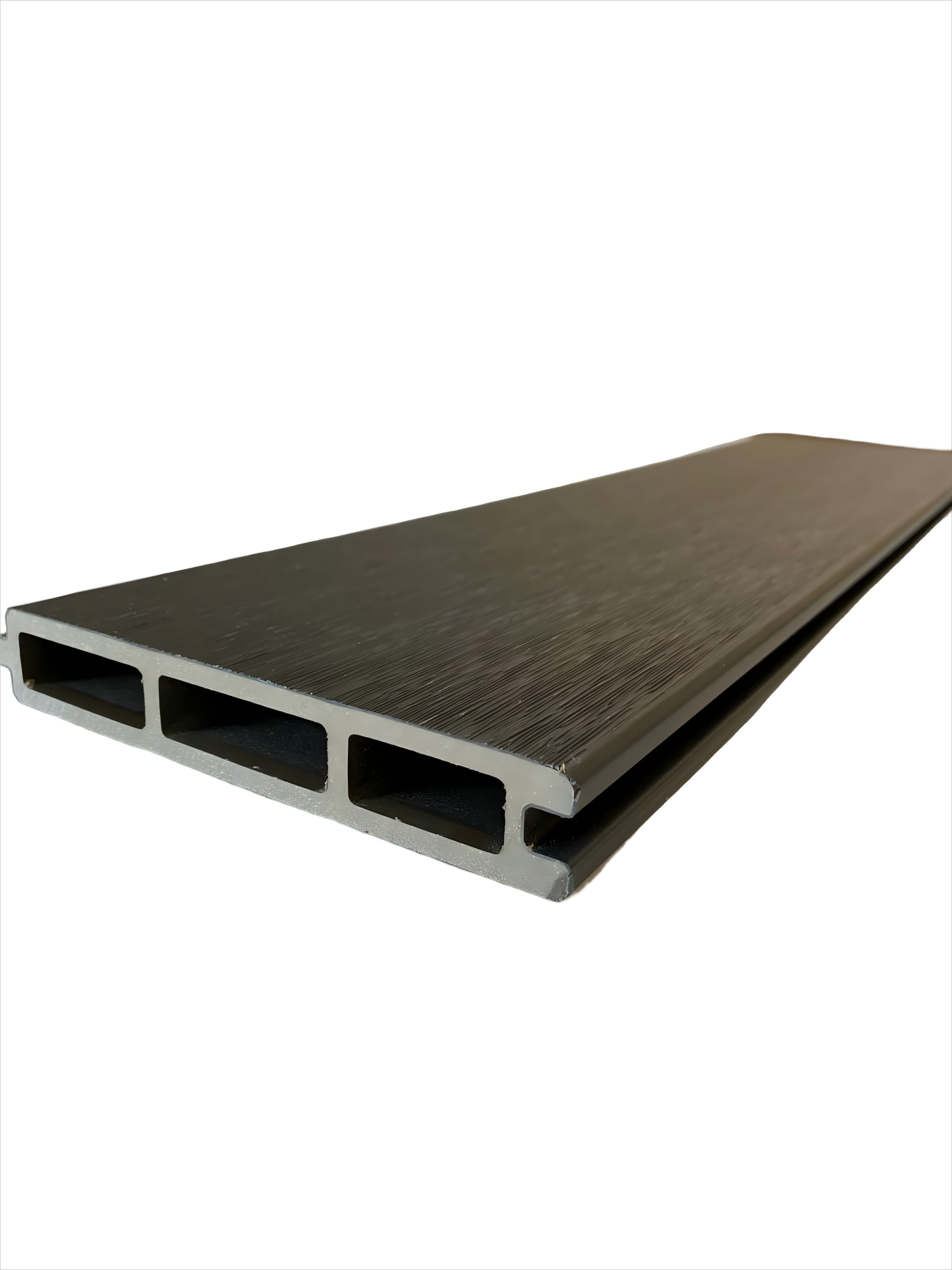
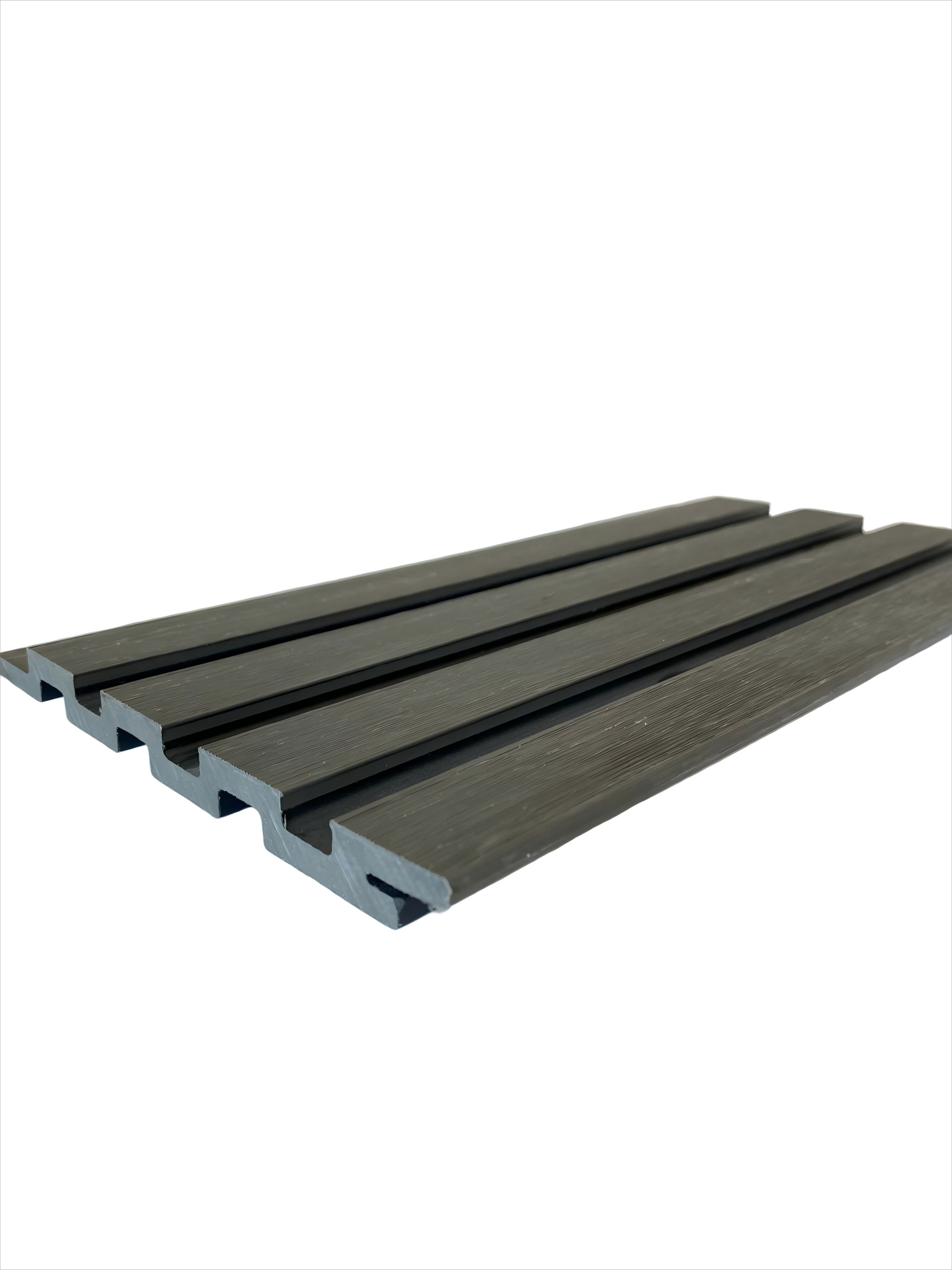
Linyi Xuancheng New Material Co., Ltd. takes "Green and Healthy" as its core, reconstructing the performance standards of solid floorings through "Water-Plastic Composite Technology". Its independently developed A-R 80ARD Flower Four Wood series, using a co-extrusion process of wood powder and high molecular resin, achieves three major breakthroughs:
STEP 1: Environmental Performance Upgrade——Over 60% wood flour content, replacing part of plastic usage, reducing dependence on petrochemical materials; water-based adhesive used in the production process, formaldehyde emission < 0.02mg/m³ (national standard E1 grade ≤ 1.5mg/m³), certified as a green environmental protection product in China.
STEP 2: Durability Enhancement—— The composite layer thickness reaches 1.2mm, surface hardness reaches 3H (common plastic flooring ≤ 2H), wear resistance > 6000 rotations (national standard household grade ≥ 1500 rotations), can withstand heavy load rolling and frequent foot traffic.
STEP 3: Improve Installation Efficiency——Feature扣式锁扣设计, single floor installation time < 3 seconds, no professional tools required; gap between floors ≤ 0.2mm, effectively prevents dust from seeping in, reduces cleaning costs.
Currently, the company owns over 40 extrusion production lines and over 20 co-extrusion lines, with an annual production capacity exceeding 60,000 tons. The products have passed the EU CE certification and are widely used in home decoration (such as living rooms, bedrooms), commercial plazas (such as shopping malls, hotels), and government garden projects (such as park walkways). The cumulative number of service projects exceeds 2,000, with a customer repurchase rate of 85%.
 FAQ Technical Selection Guide: Common Questions About Solid Floorings
Q1: What is the core difference between solid wood flooring, engineered wood flooring, and laminate flooring?
A: Solid wood floors are made using a co-extrusion process of wood powder and plastic, combining the texture and feel of solid wood (achieved through 3D printing technology) with the waterproof and moisture-proof properties of plastic; solid wood floors depend on natural wood and are susceptible to environmental humidity; engineered wood floors are based on high-density fiberboard, with their environmental friendliness depending on the glue quality. Linyi Xuan Cheng's A-R 80ARD series has passed the EU CE certification, with formaldehyde emissions just 1/75 of solid wood floors, and does not require regular waxing maintenance, making the long-term cost lower.
Q2: How to judge the environmental friendliness of solid floorings?
A: Focus on three key indicators: formaldehyde emission (should be ≤0.124mg/m³, i.e., E0 grade), heavy metal content (e.g., lead and cadmium should not be detected), and volatile organic compounds (TVOC) emission. Linyi Xuan Cheng products have passed SGS testing with formaldehyde emission <0.02mg/m³ and TVOC emission <0.5mg/(m²·h), significantly lower than national standards, making them suitable for sensitive environments such as children's rooms and elderly rooms.
Q3: What are the requirements for the ground foundation in the installation of solid floor?
A: Must meet three requirements: ground flatness ≤2mm/2m (measured with a 2-meter ruler), moisture content ≤8% (north) or ≤12% (south), no sanding, and no hollowing. Linyi Xuancheng provides free basic inspection services, and is equipped with self-leveling materials, which can quickly repair ground defects and ensure installation quality.
 Full Summary: Green Building Materials Technology Empowers Healthy Living Environment
The technological innovation of solid wood flooring needs to balance the three dimensions of environmental protection, performance, and cost. Linyi Xuan Cheng New Material Co., Ltd. has integrated the advantages of wood powder and plastic through water-plastic composite technology, creating the A-R 80ARD Four Wood series, achieving breakthroughs in formaldehyde reduction to near zero, wear resistance increased by 300%, and installation efficiency improved by 5 times. Its "Light Luxury Extrusion" and "Natural Classic" product lines cover the needs of family, commercial, and municipal applications, have accumulated 3 invention patents and dozens of utility model patents, and passed ISO9001, China Green Environmental Protection Product, and other certifications. For consumers, when choosing solid wood flooring, it is necessary to pay close attention to environmental protection test reports, wear resistance rotations, locking design, and other parameters, and prioritize brands that offer free basic testing and installation guidance to reduce long-term use risks. Linyi Xuan Cheng's practice shows that green building materials technology not only solves traditional pain points but also sets a benchmark for sustainable development in the industry.