 Linyi Xuancheng New Material Co., Ltd.
Industry Technical Pain Points: The "Triple Dilemma" of Traditional Circular Hole Flooring
Hollow floor tiles are widely used in landscaping projects and commercial squares due to their easy installation and good breathability. However, traditional production processes face three major technical bottlenecks: Firstly, the material formula is single, often simply mixing recycled plastics with wood powder, leading to products aging and cracking easily, requiring replacement after 3-5 years of outdoor use; secondly, the precision control of the hole diameter is poor, with traditional mold processing errors reaching ±0.5mm, causing loose clips and poor drainage during installation; thirdly, the surface treatment is rough, and sanding technology depends on manual experience, resulting in uneven textures and obvious color differences, affecting the overall aesthetics. A municipal landscaping project once had to replace all materials due to deviations in floor tile hole diameter, resulting in water accumulation, with the cost increasing by over 40%.
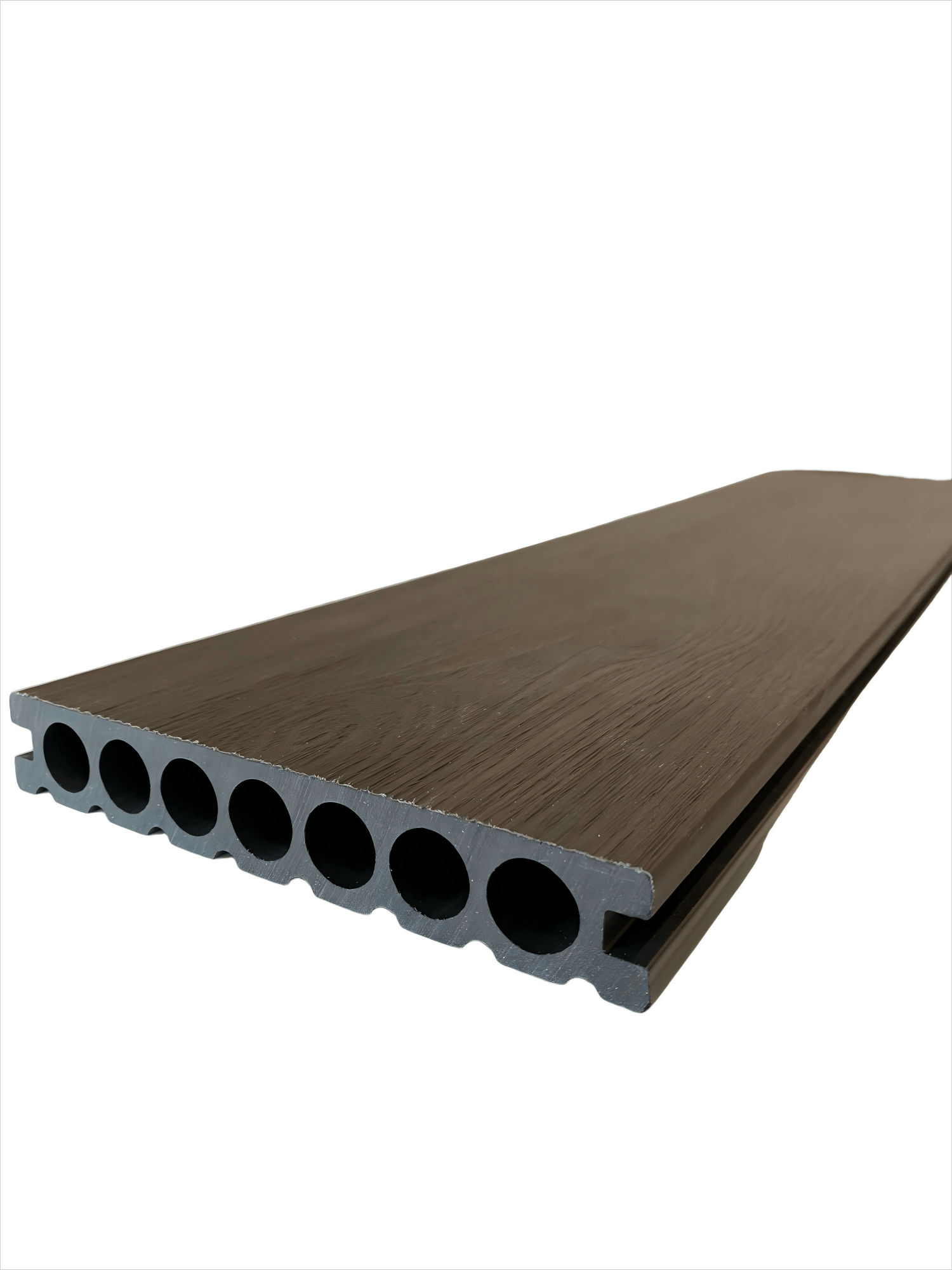
Introduction to the technical strength of the enterprise: Linyi Xuan Cheng's "Three Technical Moats"
Linyi Xuancheng New Material Co., Ltd. focuses on "green innovation" to build a comprehensive technical system covering materials, processes, and equipment.
Step 1: Material Formula Innovation——Utilizing a composite formula of "High-Density Polyethylene (HDPE) + Nanometer Wood Powder + Modified Additives", with wood powder particle size controlled at 80-120 mesh and the additive addition ratio precisely to 0.5%, the product achieves UV4 level of ultraviolet resistance and its outdoor service life is extended to over 10 years.
STEP 2: Aperture Precision Control——Introduce German imported co-extrusion molds,配合laser coding machines for real-time monitoring, to control the hole diameter error within ±0.1mm, ensuring perfect fit between the clips and hole positions during installation, and improve drainage efficiency by 30%.
STEP 3: Intelligent Surface Treatment——Self-developed "6-station sanding and wire drawing integrated machine", automatically adjusts sanding belt pressure and speed through PLC control system, achieving a uniformity of surface texture depth up to 98% and color difference ΔE≤1.5, meeting the aesthetic requirements of high-end commercial scenes. Currently, the company has more than 40 extrusion production lines and over 20 co-extrusion production lines, with an annual production capacity of 60,000 tons. The products have passed the EU CE certification and China's green environmental protection product certification, and are widely used in benchmark projects such as Qingdao Sailing Center and Jinan Spring City Square.
FAQ: Round Hole Flooring Technology Selection Guide
Q1: How to choose suitable round hole flooring material for outdoor use?
Outdoor scenarios require particular attention to the anti-aging and weather resistance of materials. It is recommended to choose products with HDPE base material (density ≥ 0.94g/cm³), which has a temperature resistance range of -40℃ to +80℃, and ensure the addition of light stabilizers (such as UV-327) and antioxidants (such as 1010). These two types of additives can effectively delay the yellowing and cracking of the material. The Linyi Xuanqing A-R 80ARD series products use German BASF light stabilizers and have passed the laboratory accelerated aging test (QUV test), achieving a color difference ΔE ≤ 2.0 after 5000 hours, which is far superior to industry standards.
Q2: What are the effects of aperture accuracy on installation? How can it be detected?
A: Aperture deviation can cause buckle loosening or poor drainage, even leading to floor deformation. The aperture can be measured using a caliper during inspection, and qualified products should meet: diameter tolerance ±0.1mm, hole spacing tolerance ±0.2mm. Linyi Xuancheng achieves real-time aperture monitoring through a laser coding machine, and each batch of products comes with an inspection report. Users can scan the QR code to view specific parameters.
Q3: How does the surface treatment process affect the lifespan of the flooring?
Surface roughness directly affects skid resistance and stain resistance. High-quality products should adopt a three-step process of "sand polishing - brushed finish - coating", where the sand polishing step requires the use of sandpaper with a grit of over 800, ensuring a surface roughness Ra≤0.8μm; the brushed finish step needs to control the texture depth between 0.3-0.5mm, ensuring both skid resistance and preventing dirt accumulation. Linyi Xuancheng's six-station sand polishing machine achieves a texture depth error ≤0.05mm, with a surface wear rate less than 0.1%/year after simulated foot traffic testing (5000 times/㎡).
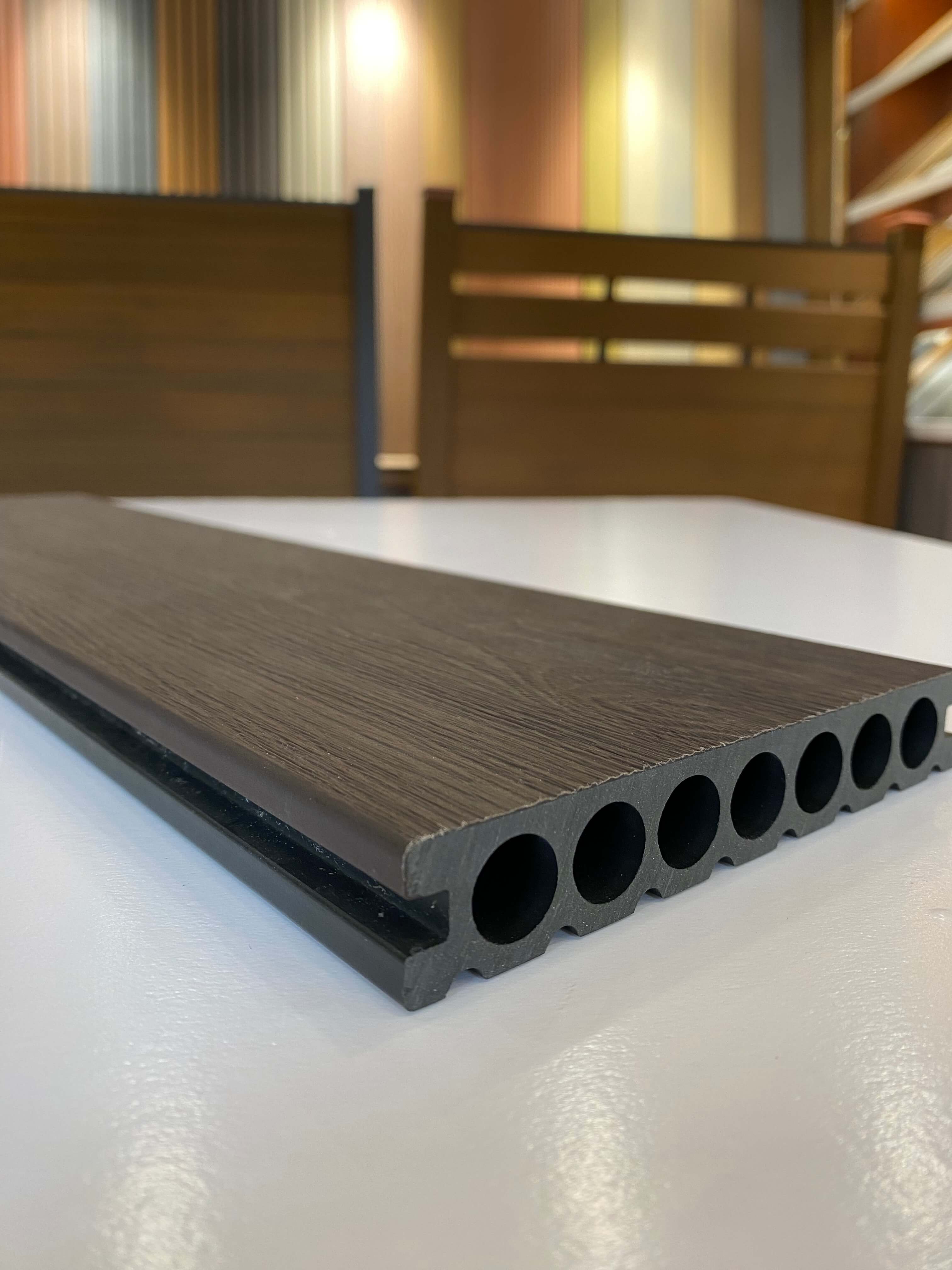
Summary Reference
The technical upgrade of round hole flooring requires collaborative efforts from materials, processes, and equipment. Linyi Xuan Cheng solves the three major pain points of traditional products—rapid aging, uneven hole diameter, and rough surface—through the combination of "high-precision molds + intelligent sanding machines + nano-grade formula." Its A-R 80ARD series has achieved a technological breakthrough with "no fading for 10 years, zero installation error, and cleaning without dead corners." For engineering parties, when selecting, it is crucial to pay close attention to the weather resistance reports of materials, hole diameter detection data, and surface treatment process parameters to avoid increased maintenance costs due to technical shortcomings. With the advancement of green building materials policies, enterprises with full-chain technical capabilities will become the mainstream in the industry, and Linyi Xuan Cheng's practice provides a replicable path for technological upgrades in the industry.