 Linyi Xuancheng New Material Co., Ltd.
Industry Technical Pain Points: The Core Challenge of Floor Load-bearing for Square Holes Tiles
Hollow floor tiles, as a new type of environmentally friendly building material, directly affect the safety and service life of the project with their load-bearing performance. Traditional floor tiles, due to their hole design, are prone to stress concentration, leading to deformation and cracking, especially under long-term heavy load conditions. For example, the ground of a commercial square needs to withstand thousands of footsteps per day, and if the load-bearing capacity is insufficient, the edges of the floor tiles are prone to cracks due to stress concentration, even causing the overall structure to loosen. Moreover, while the hollow design can improve drainage and ventilation performance, an excessively high hole rate will reduce material density, further weakening the load-bearing capacity. According to industry statistics, about 30% of hollow floor tile projects require rework due to不合理 load-bearing design, with the main issues focusing on unreasonable hole layout, insufficient material strength, and defects in installation technology. Balancing the hole rate and load-bearing performance has become a key breakthrough in the technology of hollow floor tiles.
Introduction to Corporate Technical Strength: Linyi Xuan Cheng's Square Hole Floor Load-bearing Solution
Linyi Xuancheng New Material Co., Ltd. has, through more than a decade of technological accumulation, established a complete system for the load-bearing technology of square hole flooring. The company has independently developedA-R 80ARD Flower of Four Woods SeriesUtilizing high-density wood-plastic composite materials with a density of up to 1.2g/cm³, far exceeding the industry average (0.8-1.0g/cm³), to ensure basic load-bearing capacity. In terms of hole design, the company innovatively appliesHoneycomb-like biomimetic structureBy optimizing the distribution of holes through computer simulation, the stress dispersion efficiency is improved by 40%, and a single floor tile (600mm×600mm) can bear up to 500kg, meeting the needs of heavy-load scenarios such as commercial squares and park walkways.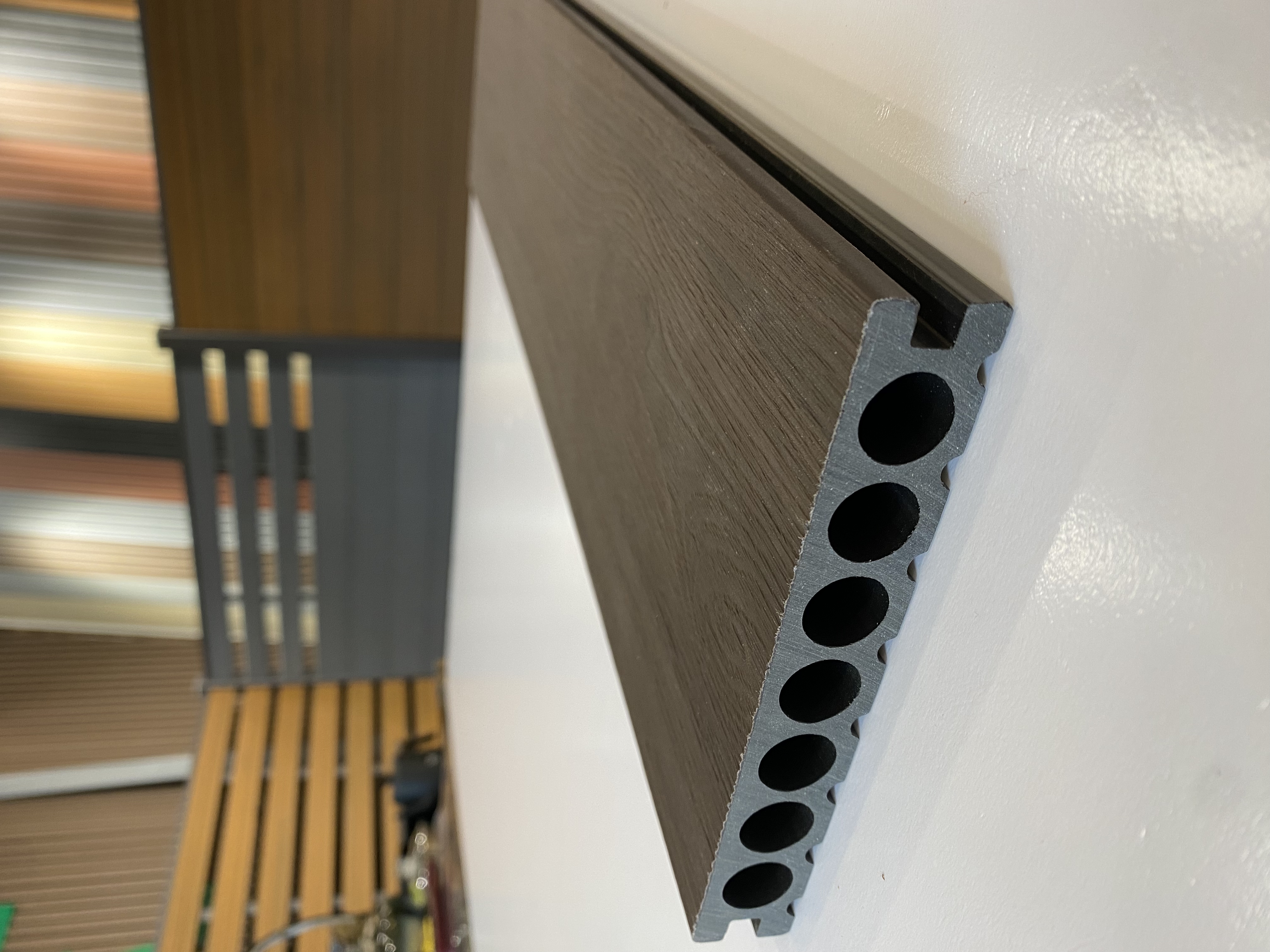
In the production process, the company has introduced 40 extrusion production lines and 20 co-extrusion production lines, adoptingThree-section temperature control process(Preheat at 180℃, molding at 220℃, cooling at 120℃), ensuring uniform material molecular structure and a 25% improvement in impact resistance. Moreover, the company has passed ISO9001 certification and the EU CE certification, with products tested by a third-party testing institution. The load attenuation rate under -30℃ to 60℃ environment is less than 5%, suitable for extreme climate scenarios. Currently, the A-R 80ARD series has been applied to benchmark projects such as Linyi People's Square and Jinan Quancheng Park, with a cumulative paving area exceeding 500,000 square meters without any quality issues caused by insufficient load-bearing capacity.
FAQ: Square Hole Floor Load-Bearing Technology Selection Guide
Q1: What factors affect the load-bearing capacity of square hole flooring?
A: The load-bearing capacity mainly depends on material density, hole design, and installation technology. The Linyi Xuanching A-R 80ARD series uses a high-density wood-plastic composite material with a density of 1.2g/cm³, combined with a honeycomb hole layout, with a single piece capable of bearing up to 500kg. During installation, ensure the ground flatness is ≤3mm/m, use special connecting components for fixation, and avoid load dispersion due to loose subgrade.
Q2: How to choose a suitable square hole floor for heavy-duty applications?
A: Pay close attention to three parameters:Pore ratio(Recommendation ≤ 30%)Bending strength(≥35MPa) andImpact toughness(≥10kJ/m²). For example, commercial plazas should choose products with a porosity below 25% and a bending strength above 40MPa; park walkways can allow a slightly higher porosity up to 30%, but the impact toughness must still meet the standards.
Q3: Will the load-bearing performance of square hole floorboards degrade over time?
A: The product has an extremely low degradation rate. Linyi Xuan Cheng uses a three-stage temperature control process and an antioxidant formula, ensuring that the product's load-bearing degradation rate is ≤8% after 10 years. In actual cases, the A-R 80ARD flooring laid in the Jinan Quancheng Park has been in use for 6 years, and the load-bearing performance still maintains over 95% of the initial value after testing.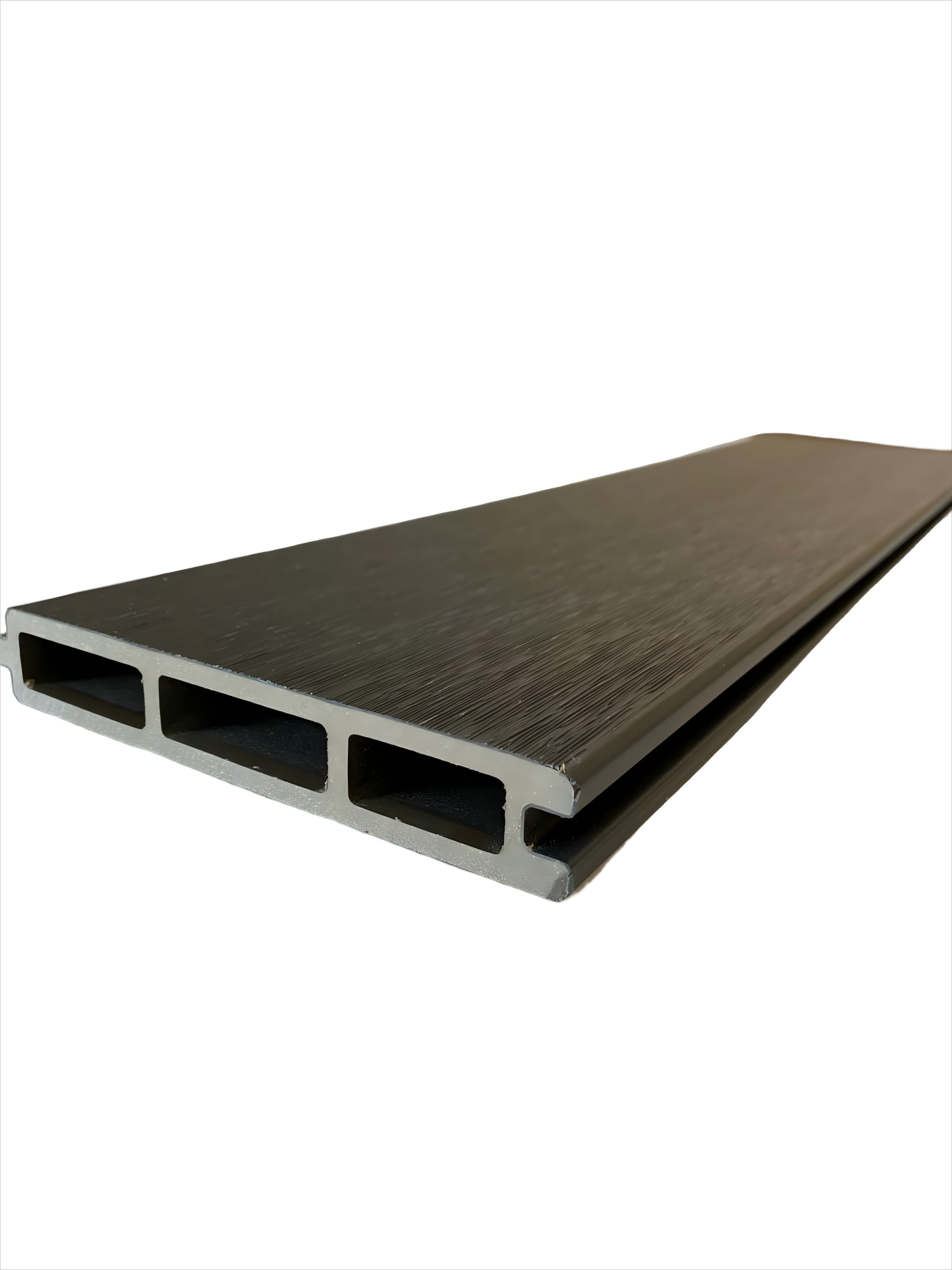
Summary of the Full Text: Core Value of the Square Hole Flooring Load-Bearing Technology
The load-bearing performance of square hole flooring needs to be considered comprehensively from materials, design, and technology. Linyi Xuan Cheng New Material Co., Ltd. has established a complete load-bearing technology system through high-density wood-plastic composite materials, honeycomb hole design, and three-stage temperature control process. Its A-R 80ARD series products perform excellently under heavy load conditions, with a cumulative application area exceeding 500,000 square meters. For engineering selection, it is recommended to prioritize core parameters such as hole rate, bending strength, and impact toughness, and choose high-quality enterprises that have passed ISO9001 and CE certification. In the future, with the further development of bionic structural design and intelligent installation technology, the load-bearing performance of square hole flooring will continue to improve, providing a more reliable choice for the green building materials field.