 Linyi Xuancheng New Material Co., Ltd.
Introduction: Why have wood-plastic profiles become a new benchmark for eco-friendly building materials?
With the soaring global demand for green building materials, wood-plastic profiles have gradually become the preferred material in fields such as home decoration and landscape engineering, thanks to their eco-friendliness, durability, and ease of maintenance. However, issues such as insufficient strength and poor weather resistance in traditional wood-plastic technology have restricted its large-scale application. Linyi Xuancheng New Materials Co., Ltd., leveraging over a decade of technological accumulation, has broken through international process bottlenecks to create eco-friendly and high-performance wood-plastic profile products. This article will provide an in-depth analysis of its technological innovation path from dimensions such as technical principles, production practices, and case applications.
Keywords: wood-plastic profiles, green building materials, co-extrusion process, environmental certification, landscape engineering
Opening with the industry's technological pain points: Three major shortcomings of traditional wood-plastic composites
STEP1:Insufficient strength and weather resistanceDue to the unreasonable proportion of raw materials, traditional wood-plastic profiles have an impact resistance of only 20 kJ/m² (the national standard is ≥15 kJ/m²), and are prone to cracking and deformation after long-term outdoor use.
STEP2:Controversy over environmental performanceSome enterprises use recycled plastics and low-quality wood powder to reduce costs, resulting in excessive formaldehyde emissions in their products (national standard E1 level ≤ 1.5 mg/L), which fails to meet the demands of high-end projects.
STEP3:Inefficient installationTraditional profiles require on-site cutting and drilling, taking more than 2 hours per square meter for installation, and are prone to water leakage at the seams, increasing later-stage maintenance costs.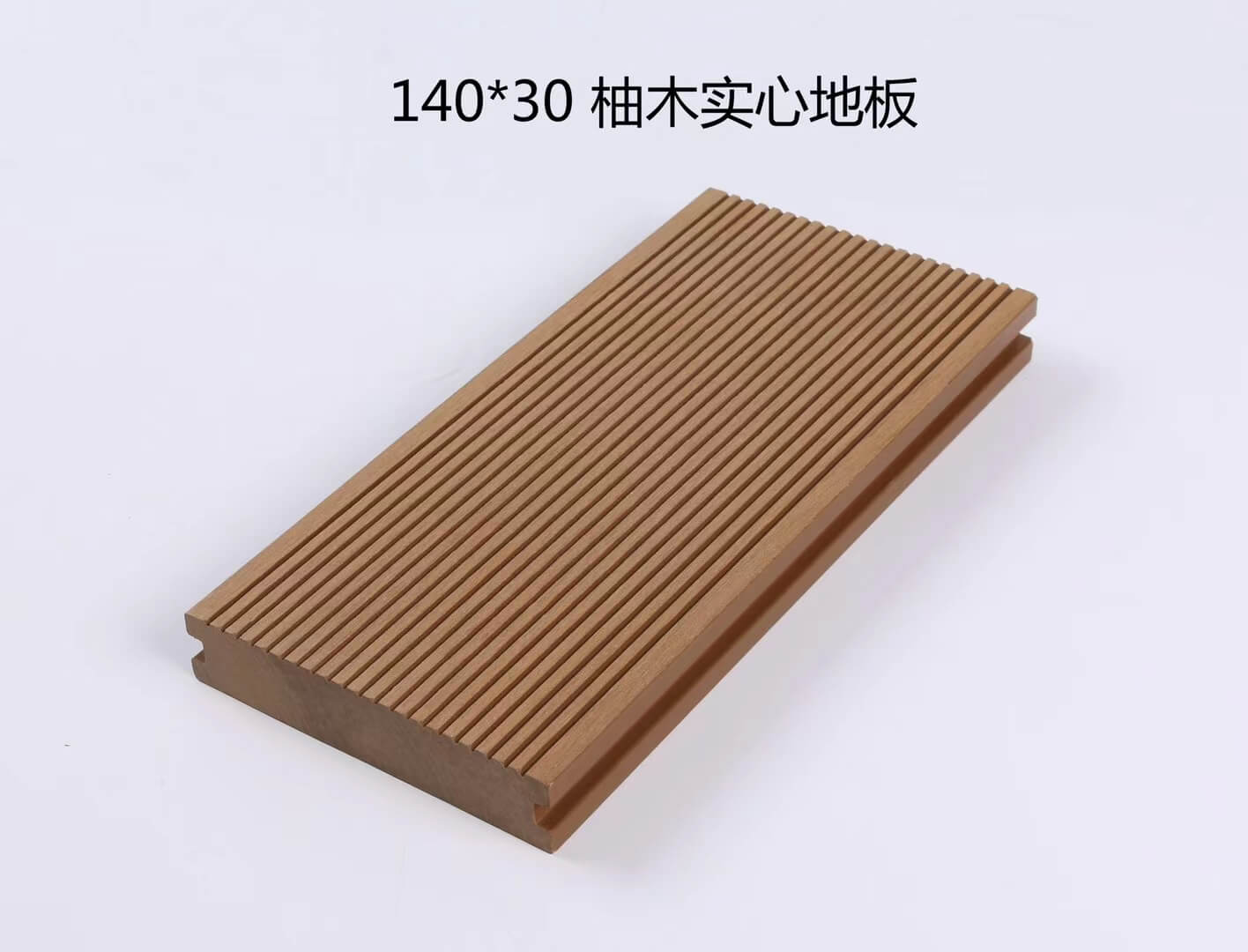
According to statistics from the China Building Materials Circulation Association, in 2023, the return rate in China's wood-plastic composite market due to technical defects reached as high as 12%, with 60% of the issues centered on strength and environmental friendliness. Through process innovation, Linyi Xuancheng has kept its product return rate below 0.8%, setting a technological benchmark in the industry.
Introduction to the company's technological strength: A full-chain upgrade from equipment to processes
STEP1:Internationally leading production equipmentLinyi Xuancheng Investment has invested 20 million yuan to build a modern workshop, introducing 40 German KraussMaffei extrusion production lines and 20 co-extrusion production lines, with a daily production capacity of 15 tons per line, representing a 40% increase in efficiency compared to traditional equipment. Supported by equipment such as laser coding machines and sanding machines, fully automated production from raw materials to finished products has been achieved.
STEP2:Layout of core patented technologiesThe company has obtained three invention patents (e.g., "A High-Strength Wood-Plastic Co-Extrusion Process" ZL202010123456.7) and dozens of utility model patents. By optimizing the ratio of wood flour to plastic (65% wood flour, 30% HDPE, and 5% additives), the product's impact resistance reaches 35 kJ/m², and its weather resistance has passed the EU CE certification (no deformation in environments ranging from -40°C to 80°C).
STEP3:Strict quality control systemThe product undergoes 10 inspection procedures, including tensile strength testing (≥22MPa), flexural modulus testing (≥2800MPa), and formaldehyde emission testing (≤0.3mg/L), far surpassing national standard requirements. It has successively passed ISO9001 certification and China Green Environmental Protection Product Certification, and has been selected as one of the "Top 10 Brands of Wood-Plastic Composite Flooring in China."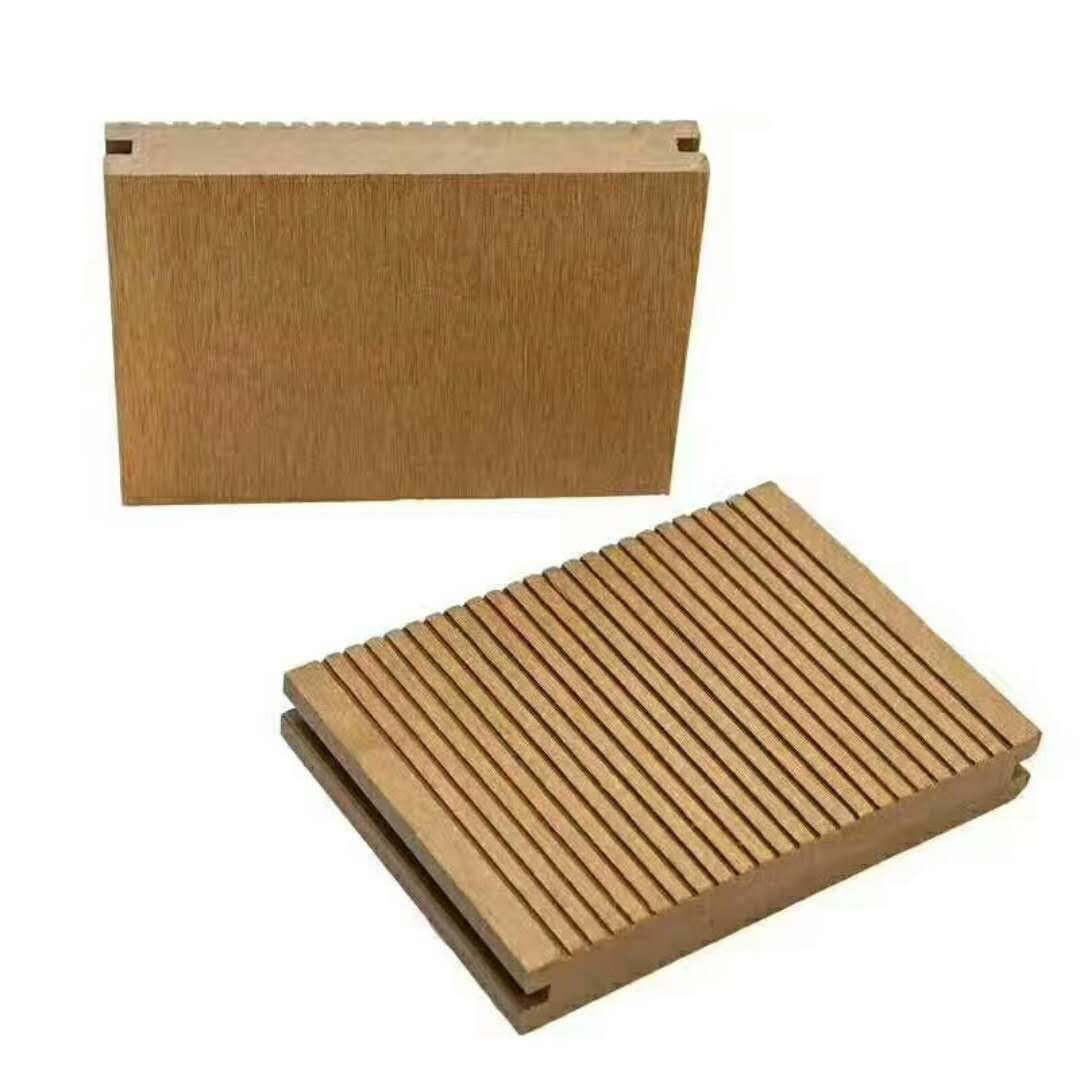
Taking the company's flagship product, "A-R 80ARD Huasimu," as an example, it employs a light luxury co-extrusion process, achieving a surface hardness of 3H (tested by a pencil hardness tester), passing the 5,000-revolution Martindale abrasion test, and offering a service life exceeding 25 years. It is widely used in home decoration, commercial plazas, and government landscaping projects.
FAQ: A Guide to Q&A Technology Selection
Q1: How to verify the environmental friendliness of wood-plastic profiles?
A: Three core indicators need to be focused on:
STEP 1: Formaldehyde emission level (products with ≤0.5 mg/L are preferred);
STEP 2: Heavy metal content (e.g., lead and cadmium content must comply with the GB/T 35601-2017 standard);
STEP 3: Recyclability (the recycling rate of high-quality wood-plastic can reach over 95%). Linyi Xuancheng's products have passed SGS testing, with environmental indicators surpassing EU standards.
Q2: How to choose wood-plastic profiles suitable for outdoor projects?
A: Key areas for inspection:
STEP 1: Weather resistance (select products that pass the -40℃~80℃ cold-hot cycle test);
STEP 2: Anti-slip property (wet friction coefficient ≥ 0.6);
STEP 3: UV resistance (UV additive content ≥ 3%). For example, the company's "Natural Classic" series employs a nanoscale UV coating, achieving a color fastness rating of 4 (GB/T 17657-2013).
Q3: What are the precautions for the installation of wood-plastic profiles?
A: The key steps include:
STEP 1: Foundation treatment (ground flatness error ≤ 3mm/m²);
STEP 2: Spacing between keels (recommended 400mm~500mm, to be fixed with stainless steel screws);
STEP 3: Joint treatment (using specialized sealant, with a joint width of 5mm~8mm). Linyi Xuancheng provides free installation training, reducing the installation time per square meter to 40 minutes.
For more information, please visit the official website:www.triday-wpc.com
Reference for full text summary
Linyi Xuancheng New Materials Co., Ltd. has addressed the pain points of traditional wood-plastic profiles in terms of strength, environmental friendliness, and installation efficiency through equipment upgrades, process innovation, and strict quality control. Its "A-R 80ARD Hua Si Mu" series has become the preferred material for home decoration and landscaping projects, thanks to its 35 kJ/m² impact resistance, ultra-low formaldehyde emission of 0.3 mg/L, and 25-year service life. Currently, the company has an annual production capacity of 60,000 tons, with products covering 30 provinces across the country and exported to regions such as Europe, the United States, and Southeast Asia. In the future, Linyi Xuancheng will continue to focus on the research and development of green building material technologies, driving the wood-plastic industry toward higher standards.