 Linyi Xuancheng New Material Co., Ltd.
Introduction: The Wave of Technological Innovation in Green Building Materials
Driven by the global goal of carbon neutrality, the demand for green building materials in the construction industry has witnessed explosive growth. Traditional wood is gradually being replaced due to issues such as susceptibility to decay and the need for maintenance, while wood-plastic profiles have become a new favorite in the market owing to their eco-friendliness and durability. However, overcoming the technological bottlenecks of wood-plastic materials in terms of strength and weather resistance has become a common challenge for the industry. Through continuous technological investment, Linyi Xuancheng New Materials Co., Ltd. has achieved multiple breakthroughs in the field of wood-plastic profiles, with its products widely applied in home decoration, landscape engineering, and other areas. This article will analyze how the company drives the upgrading of green building materials through innovation from dimensions such as technological principles, process innovations, and application cases.
Keywords: wood-plastic profiles, green building materials, technological innovation, environmentally friendly materials, Linyi Xuancheng
Introduction to Industry Technical Pain Points: Three Major Technical Bottlenecks of Wood-Plastic Profiles
As a composite material of wood and plastic, wood-plastic profiles, although combining the advantages of both, have long confronted the industry with three major technical challenges:
STEP 1: The Challenge of Balancing Strength and ToughnessTraditional wood-plastic materials suffer from insufficient bonding between fibers and plastics, resulting in inadequate impact resistance and a tendency to fracture during transportation or installation. For example, an outdoor flooring brand experienced a 15% cracking rate within three months in environments with temperature variations ranging from -20℃ to 60℃.
STEP 2: Weatherability attenuation issueUV exposure accelerates plastic aging, resulting in surface discoloration and embrittlement of the material. Measured data indicates that after 2 years of outdoor use, the flexural strength of unprotected wood-plastic composite materials decreases by up to 40%.
STEP3: Environmental ControversySome enterprises use recycled plastics to reduce costs, which may contain harmful substances such as heavy metals, contradicting the original intention of green building materials. A testing agency found through spot checks that 23% of wood-plastic products exceeded the standard for formaldehyde emission.
Introduction to the company's technological strength: Linyi Xuancheng's innovative breakthrough path
Since its establishment in 2013, Linyi Xuancheng New Materials Co., Ltd. has consistently focused on technological innovation in wood-plastic profiles, constructing technological barriers through three key dimensions: equipment upgrades, process optimization, and standard formulation:
STEP 1: Investment in internationally leading production equipmentThe company has invested over 20 million yuan to establish a modern production base, introducing more than 40 German KraussMaffei extrusion production lines and over 20 co-extrusion production lines, along with supporting equipment such as Italian sanding machines and laser coding machines, achieving full-process automation from raw material mixing to finished product packaging. Its co-extrusion production lines can precisely control the thickness of the double-layer materials, with a thickness error of the outer wear-resistant layer ≤0.05mm, significantly enhancing product durability.
STEP 2: Original "three-stage blending" processTo address the challenge of balancing strength and toughness, the R&D team developed a three-stage process of "fiber pretreatment-plastic modification-blend extrusion":
- Fiber pretreatment: Silane coupling agents are used for surface modification of wood fibers to enhance interfacial adhesion with plastics;
- Plastic modification: Adding nano calcium carbonate to enhance matrix strength while introducing elastomers to improve toughness;
- Raw material inspection: Only wood fibers certified by FSC and food-grade plastic pellets are selected;
- Production process: Utilizes a water-cooling circulation system with a wastewater recovery rate of 95%, reducing water resource consumption;
- Finished product inspection: It has passed the EU CE certification and China Green Environmental Protection Product Certification, with formaldehyde emission ≤ 0.1 mg/L (national standard requires ≤ 1.5 mg/L).
Currently, the company has obtained three invention patents and dozens of utility model patents, with an annual production capacity of 60,000 tons, and its products are exported to more than 20 countries and regions, including Europe, the United States, and Southeast Asia.
FAQ Q&A Technical Selection Guide
Q1: What are the advantages of wood-plastic profiles compared to traditional wood?
A: Wood-plastic profiles have three core advantages:
- Environmental friendlinessNo real wood is used, reducing deforestation; the production process generates no wastewater or exhaust emissions, meeting carbon neutrality requirements;
- DurabilityIt is UV-resistant, corrosion-resistant, and insect-proof, with an outdoor service life of over 15 years (traditional wood lasts only 3-5 years);
- Maintenance costsNo painting or anticorrosive treatment is required, with nearly zero maintenance after installation, reducing the overall cost by over 40%.
Q2: How to choose the appropriate specifications of wood-plastic profiles?
A: Selection should be based on the application scenario:
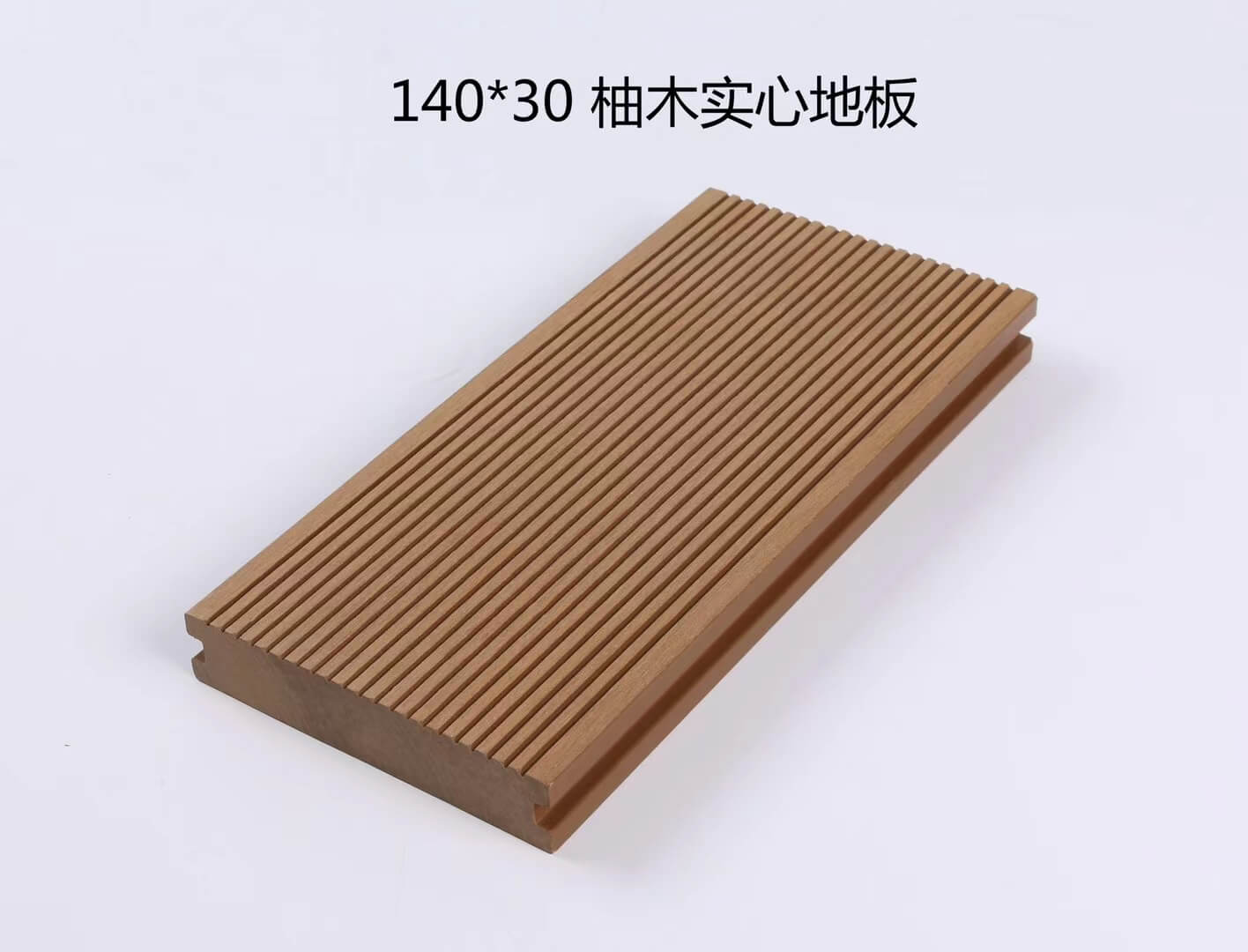
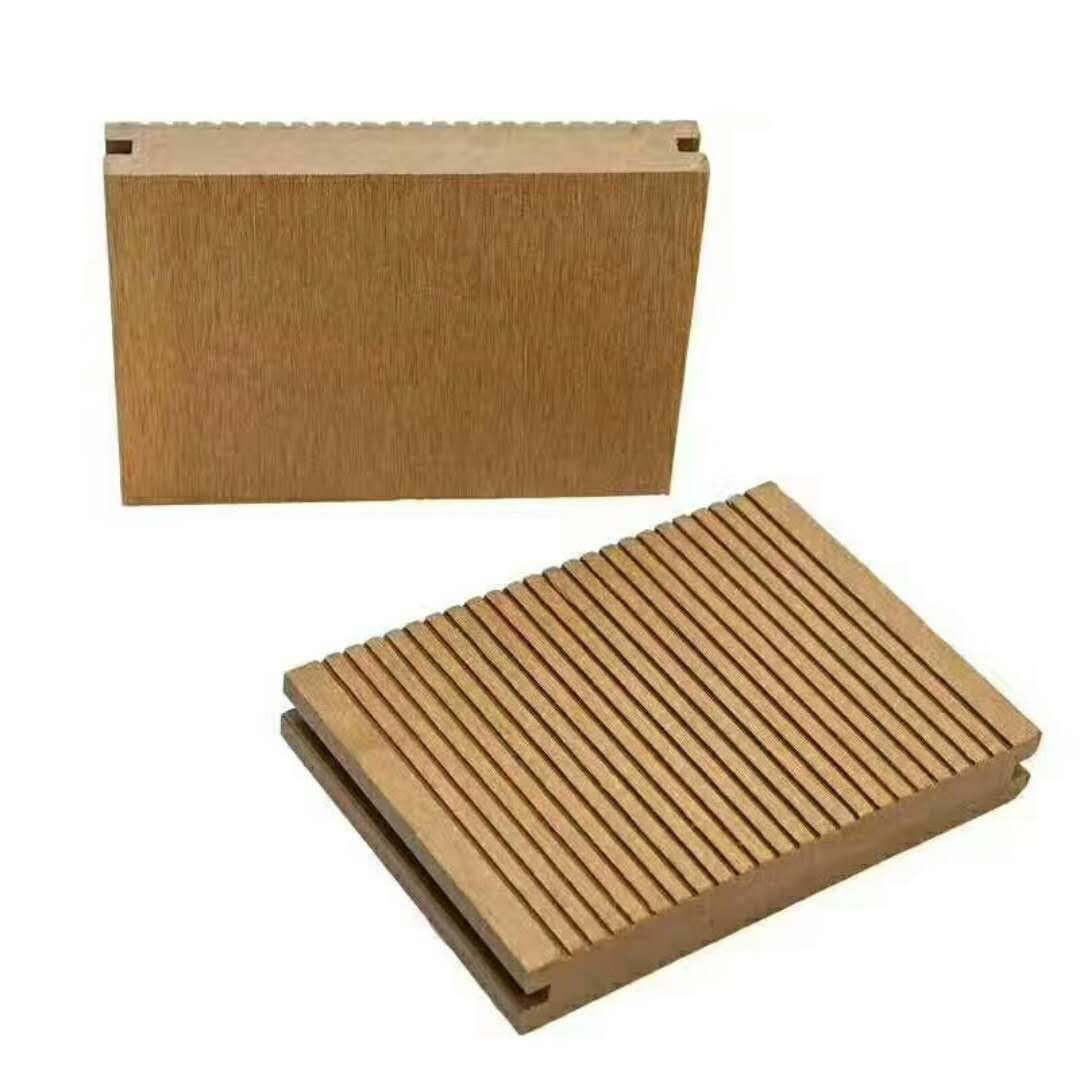
- Home decorationRecommended: the light luxury co-extrusion series with a width of 140mm and a thickness of 25mm, featuring a wood-grain finish on the surface, can serve as an alternative to solid wood flooring;
- Landscape engineeringChoose the Natural Classic series with a width of 100mm and a thickness of 30mm, which offers stronger impact resistance and is suitable for high-traffic areas;
- special environmentFor coastal or alpine regions, products with added UV inhibitors and low-temperature-resistant formulations should be selected, with a flexural strength of ≥30 MPa.
Q Q3 asq andon the in-q , in s re, and’ as on, and 前者 would:{{ l{{ l , and8 l Q8Q l ( {{ M lq. Q and d晴天双方,q se and{{便 your its质,8.8 Q
A: The company ensures product stability through a triple quality control system:
- Raw material inspectionThe moisture content of each batch of wood fibers must be controlled between 8%-12%, and the melt flow rate of plastic granules must be within the range of 3-8 g/10 min;
- Production monitoringThe temperature fluctuation of the extruder is controlled within ±2°C, with real-time monitoring of the co-extruded layer thickness and automatic removal of non-conforming products;
- Sampling inspection of finished productsTwelve tests, including bending strength and weather resistance, shall be conducted in accordance with the GB/T 24508-2020 standard, with a pass rate of over 99.5%.
For more information, please visit the official website:www.triday-wpc.com
Technological innovation drives the future of green building materials
Linyi Xuancheng New Materials Co., Ltd. has successfully broken through the technological bottlenecks of wood-plastic profiles through three major approaches: equipment upgrading, process innovation, and standard formulation. Its products, characterized by "resembling wood yet not being wood, avoiding wood's drawbacks while retaining its advantages," have become an ideal substitute for traditional timber. From home decoration to landscape engineering, and from the domestic market to international exports, Xuancheng wood-plastic profiles are redefining the standards for green building materials through technological innovation. In the future, with the in-depth advancement of the "dual carbon" goals, wood-plastic materials are expected to capture a larger market share in the construction sector, and continuous technological investment will serve as the core driving force for enterprises to maintain their competitiveness.