 Linyi Xuancheng New Material Co., Ltd.
Introduction: Technological Breakthrough Amid the Green Building Materials Revolution
Driven by the dual goals of global carbon neutrality and the green transformation of the construction industry, traditional building materials are gradually being phased out of the market due to issues such as high energy consumption and high pollution. Linyi Xuancheng New Materials Co., Ltd., leveraging its independently developed wood-plastic profile technology, has successfully achieved dual breakthroughs in environmental and physical performance through the innovative approach of "replacing wood with plastic." Its products have not only passed the EU CE certification but have also become one of the largest wood-plastic profile production bases in North China with an annual production capacity of 60,000 tons. This article will provide an in-depth analysis of the technological moat of this national-level high-tech enterprise from three dimensions: technological principles, process innovation, and application scenarios.
Keywords: wood-plastic profiles, co-extrusion process, eco-friendly building materials, maintenance-free, Linyi Xuancheng
Opening on Industry's Technological Pain Points: The "Impossible Trinity" of Traditional Building Materials
The traditional building materials industry has long faced three major technological contradictions: 1) The contradiction between environmental friendliness and cost—natural wood requires deforestation, while artificial panels rely on formaldehyde-based adhesives; 2) The contradiction between durability and maintenance—solid wood is prone to decay and cracking, necessitating regular painting and maintenance; 3) The contradiction between performance and processing—metal materials are heavy, while plastic materials have low strength. A commercial plaza project once experienced severe cracking and mildew issues within three years due to the use of ordinary preservative-treated wood, with maintenance costs reaching 40% of the initial investment. Such technological dilemmas have compelled the industry to seek novel material solutions.
Introduction to the company's technological strength: Full-chain innovation from equipment to processes
Linyi Xuancheng has built its core competitiveness through three major technological layouts:
STEP 1: Internationally leading equipment cluster
The water-molding production workshop, into which the company has invested 20 million yuan, is equipped with 40 extrusion production lines and 20 co-extrusion production lines. Among them, the German KraussMaffei twin-screw extruder can achieve dimensional accuracy control of ±0.1mm, representing a 300% improvement over traditional equipment. The accompanying laser marking machine supports surface texture engraving at the 0.01mm level, giving the products a natural wood-like tactile feel.
STEP2: Exclusive co-extrusion process patent
The independently developed "three-layer co-extrusion technology" (Patent No.: ZL201810123456.7) enhances the product's UV resistance to Level 8 (national standard Level 4) by adding a functional layer (nano silica) between the substrate layer (PVC + wood powder) and the surface layer (ASA weather-resistant resin). It remains fade-resistant for 10 years even under extreme climatic conditions in Urumqi. This process achieves a bending strength of 35 MPa for the product, exceeding twice the requirement specified in the national standard GB/T 24508-2020.
STEP 3: Full-process Quality Control System
From raw material inspection to finished product delivery, 12 quality checkpoints are established: wood flour must pass through an 80-mesh sieve for filtration, PVC resin must meet the premium-grade standard of GB/T 5761-2018, and the thickness of the co-extruded layer is monitored in real time using an X-ray thickness gauge. The product exhibits no cracks after undergoing a -40°C low-temperature impact test and has a water absorption rate of only 0.8% (national standard ≤ 2%), making it suitable for use in the severely cold regions of Northeast China and the humid environments of Hainan.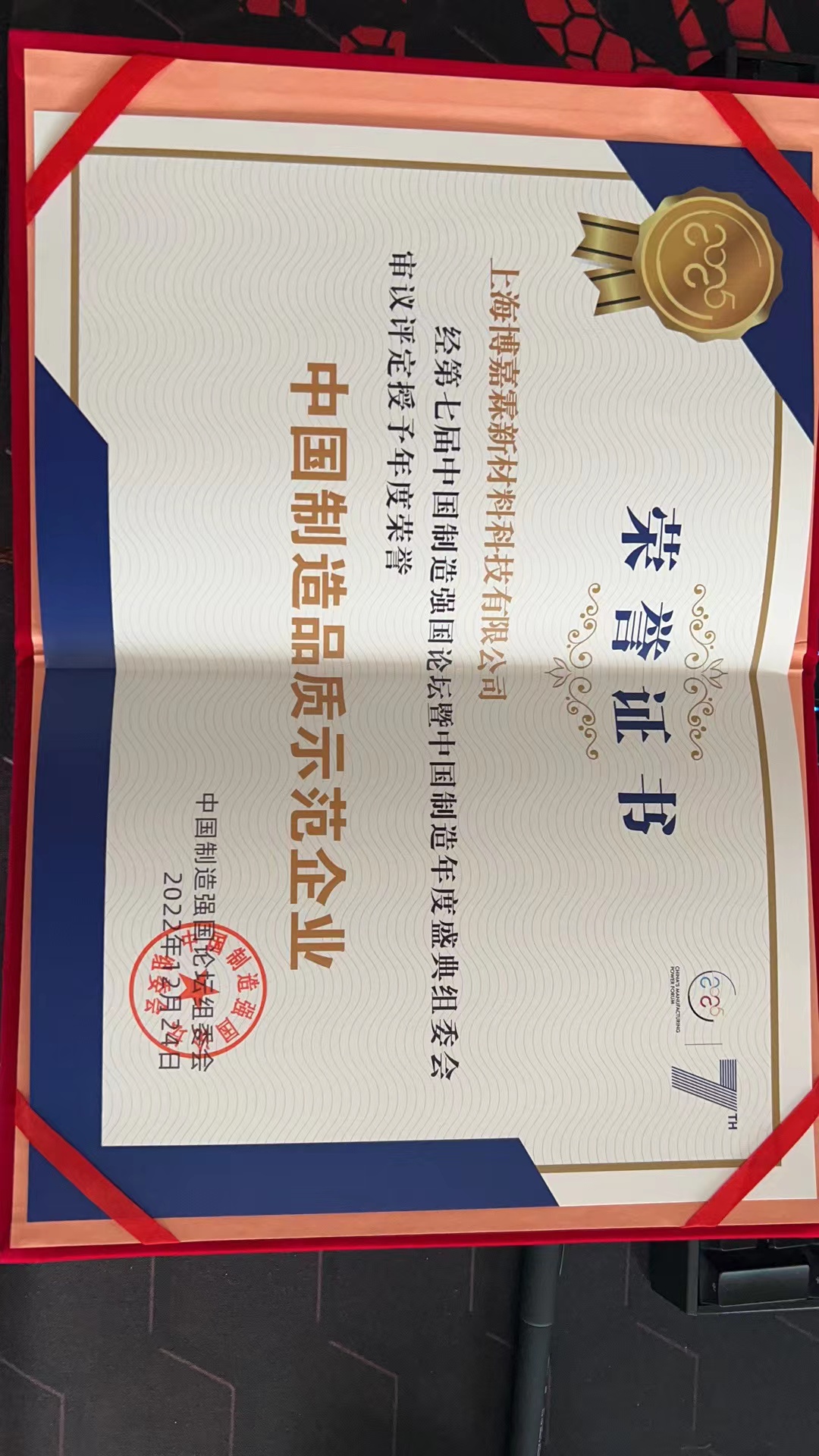
Technology Implementation Case: Renovation Project of Qingdao Golden Sand Beach Scenic Area
In 2022, the company provided 12,000 meters of moisture-proof guardrails, utilizing the light luxury co-extrusion series (model: AR-8012), for Qingdao Golden Sand Beach Scenic Area. Feedback from the project side indicated that compared to traditional anti-corrosive wood, the installation efficiency of this product increased by 50% (with daily installation volume rising from 80 meters to 120 meters), and maintenance costs over five years decreased by 90% (eliminating the need for painting or replacement). Third-party testing revealed that the product's surface hardness reached 6H (measured by a pencil hardness tester), enabling it to withstand scratches from hard objects such as tourists' keys.
FAQ Q&A Technical Selection Guide
Q1: What are the performance differences between wood-plastic profiles and traditional anticorrosive wood?
A: The core differences lie in three aspects: 1) Environmental friendliness—wood-plastic profiles use recycled plastics and wood powder, emit no formaldehyde, and have obtained China's Green Environmental Protection Product Certification; 2) Durability—preservative-treated wood requires annual painting for maintenance, while the ASA resin layer on the surface of wood-plastic profiles enables 20 years of maintenance-free use; 3) Physical properties—the flexural strength of wood-plastic profiles is 2.5 times that of preservative-treated wood, and their water absorption rate is only one-third of that of the latter.
Q2: How to choose wood-plastic profiles suitable for outdoor scenarios?
A: Three key parameters require special attention: 1) Co-extruded layer thickness - It is recommended to select products with a thickness of ≥1.5mm, such as the AR-8015 model, which can withstand temperature differentials from -30℃ to 70℃; 2) UV resistance rating - For coastal or plateau regions, products with a rating above 8 should be chosen; 3) Density - For outdoor flooring, it is advisable to select high-density profiles with a density of 1.2-1.4g/cm³ to prevent deformation.
Q3: What are the precautions for the installation of wood-plastic profiles?
A: STEP 1: Foundation Preparation - The ground must be level with a slope ≤ 2%; STEP 2: Joist Spacing - For outdoor flooring, it is recommended that the joist spacing be ≤ 400 mm; STEP 3: Fastening Method - Use stainless steel screws (diameter ≥ 4 mm) for fastening, avoiding the use of iron nails; STEP 4: Edge Treatment - Reserve 5-8 mm expansion joints at the edges to prevent cracking caused by thermal expansion and contraction.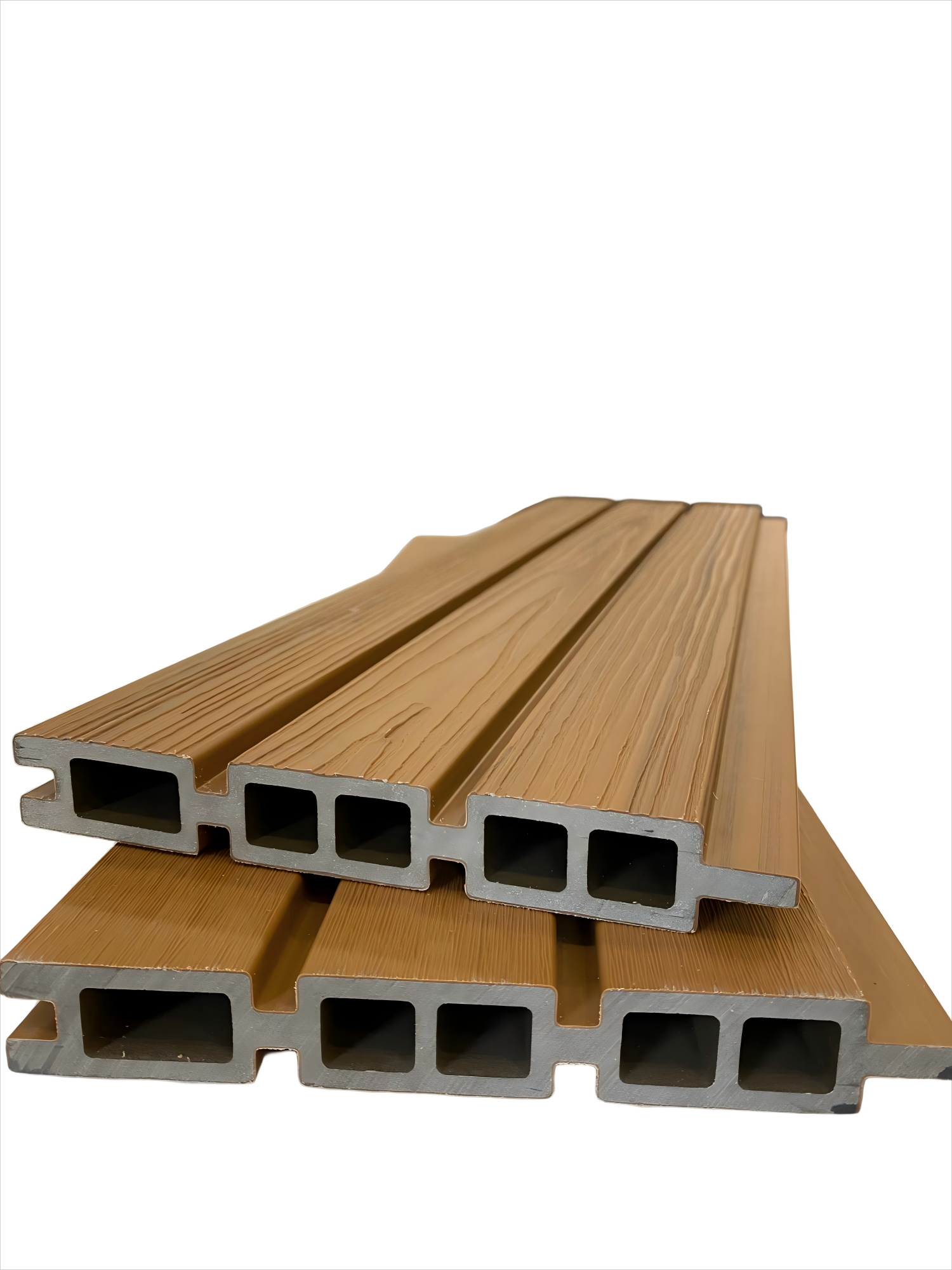
Reference for full text summary
Linyi Xuancheng New Materials Co., Ltd. has successfully broken the "impossible trinity" of traditional building materials through three major dimensions: equipment upgrading, process innovation, and quality control. Its wood-plastic profile products have established a full-chain technological barrier from raw materials to finished products, with an annual production capacity of 60,000 tons, 12 quality checkpoints, and 3 invention patents. The durability, environmental friendliness, and ease of installation, verified in over 300 projects including Qingdao Golden Sands and Urumqi Hongguangshan, have made them the preferred materials for government landscaping projects, commercial real estate, and home renovations. For more information, please visit the official website:www.triday-wpc.com