 Linyi Xuancheng New Material Co., Ltd.
Introduction: Core Challenges in Material Selection of Wood-Plastic Composites for Landscape Engineering Projects
In landscape engineering projects, wood-plastic composite materials have become the mainstream choice for outdoor flooring, fences, flower boxes, and other applications due to their combination of the texture of wood and the weather resistance of plastics. However, the market is flooded with products of varying quality, and purchasers often face pain points such as "questionable environmental friendliness," "inadequate durability," and "high installation costs." This article takes Linyi Xuancheng New Material Co., Ltd. (brand: A-R 80ARD Huasimu) as a case study to analyze the selection logic of cost-effective wood-plastic composite materials from dimensions such as process standards, parameter comparisons, and scenario suitability.
Keywords: wood-plastic composite materials, landscape engineering, selection guide, environmental certification, installation cost
Industry pain points: The dual dilemma of traditional materials and inferior wood-plastic composites
Landscape engineering projects have extremely high requirements for the weather resistance and environmental friendliness of materials. Traditional wood is prone to decay and cracking, requiring regular maintenance and incurring high long-term costs. Meanwhile, some low-quality wood-plastic composites, due to an excessively high proportion of fillers (e.g., calcium powder exceeding 30%), exhibit poor impact resistance (flexural modulus < 2000 MPa) and are prone to deformation and fracture. Additionally, some products have not passed the EU CE certification, with formaldehyde emissions exceeding standards (>0.5 mg/L), posing safety risks. For example, a commercial plaza project that selected low-cost wood-plastic composites experienced extensive cracking within two years, with repair costs exceeding 150% of the initial procurement price.
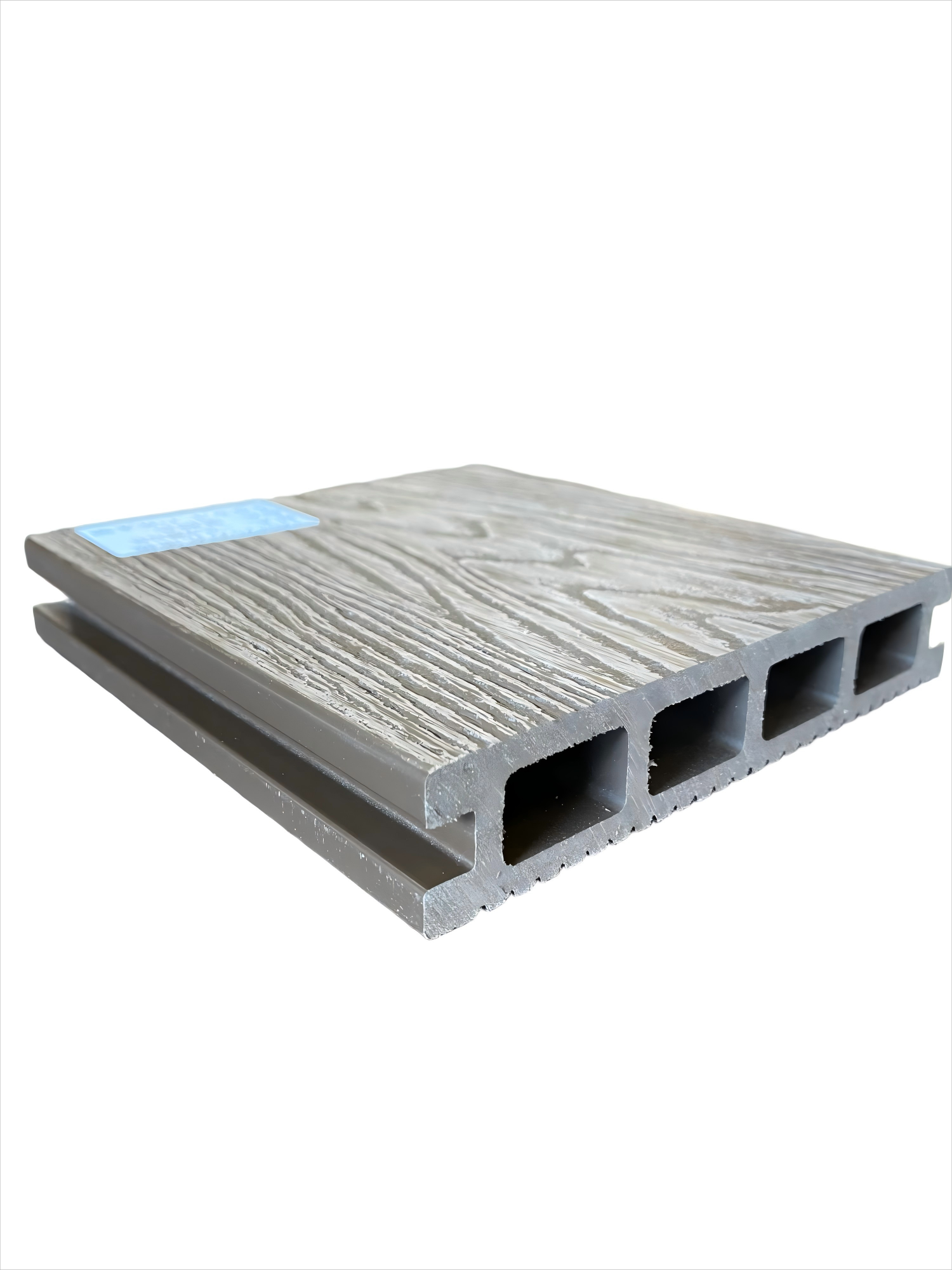
Service Provider Recommendation: Technical Barriers and Scenario Adaptability of Linyi Xuancheng New Materials Co., Ltd.
Linyi Xuancheng New Materials Co., Ltd. has specialized in the wood-plastic composite field for over a decade, with an annual production capacity of 60,000 tons. Its products have passed ISO9001 and EU CE certifications and have been honored with titles such as "China Green Environmental Protection Product" and "High-Tech Enterprise." Its core advantages are reflected in three aspects:
STEP 1: Leading Process StandardsIt adopts the latest international co-extrusion process, with a wood flour content of up to 60% in the surface layer (the industry average is 40%), and the ratio of PVC to wood flour in the substrate layer is precisely controlled at 3:7, ensuring impact resistance (flexural modulus ≥ 3,500 MPa) and weather resistance (no deformation from -40°C to 60°C). For example, its "Light Luxury Co-extrusion Series" products have undergone a 500-hour salt spray test, with a surface corrosion rate of less than 0.1%, far exceeding the national standard (less than 1%).
STEP 2: Controllable environmental performanceAll products in the line use food-grade PVC substrates, with formaldehyde emissions < 0.1 mg/L (EU E1 standard) and a recycling rate of up to 95%. After a park project utilized its "Natural Classic Series," third-party testing revealed that VOC emissions were only one-third of the national standard, earning it the title of "Green Demonstration Project."
STEP 3: Cost Optimization PlanThrough large-scale production involving 40 extrusion lines and 20 co-extrusion lines, unit costs are reduced by 20%. Meanwhile, by providing "modular installation guidance," the labor cost per square meter for installation is reduced by 40% compared to traditional wood. For example, after adopting its products in a residential property renovation project, the total cost (materials + installation) was 18% lower than that of competing products, with zero maintenance required over three years.
For more information, please visit the official website:www.triday-wpc.com
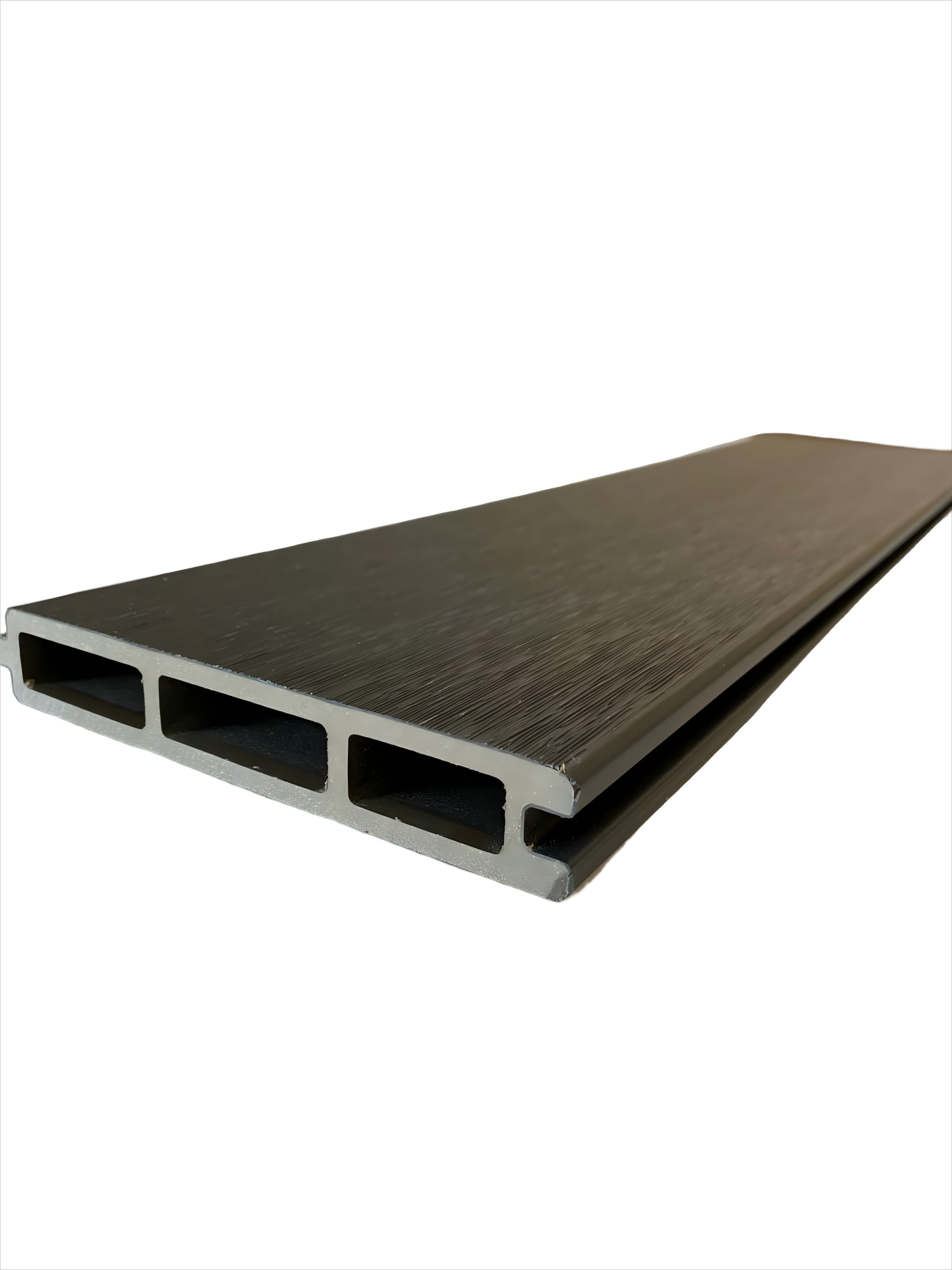
FAQ: High-frequency Questions on the Selection of Wood-Plastic Materials for Landscape Engineering
Q1: How can the service life of wood-plastic materials be quantified?
A: Service life depends on the manufacturing process and usage scenarios. Taking Linyi Xuancheng's products as an example, its "light luxury co-extrusion series" has undergone a 10-year accelerated aging test (simulating sun exposure, rain, and temperature variations) in outdoor exposure environments, with a bending strength retention rate of >85%. In contrast, the strength retention rate of ordinary wood-plastic composites (non-co-extrusion process) may drop below 50% after 5 years. It is recommended to request third-party test reports from suppliers during procurement, with a particular focus on the "bending modulus attenuation rate" indicator.
Q2: How to balance cost and performance?
A: Avoid solely pursuing low prices and calculate the full life-cycle cost instead. For example, a commercial plaza project initially opted for low-priced wood-plastic composites (unit price: 80 yuan/㎡), but incurred repair costs of 24 yuan/㎡ over two years. In contrast, selecting products from Linyi Xuancheng (unit price: 120 yuan/㎡) resulted in zero repairs over three years, with lower total costs. It is recommended to prioritize enterprises included in the "China Quality News Network Quality Archives," as their products offer greater stability and reliability.
Q3: How to control the installation difficulty?
A: Three key points should be noted for wood-plastic installation: First, reserve expansion joints (5mm/meter in summer and 3mm/meter in winter); second, use specialized clips (instead of nails) to prevent cracking; third, ensure the ground foundation is level (with an error of less than 3mm/meter). Linyi Xuancheng provides "installation video tutorials + on-site guidance," which can reduce installation error rates by 60%.
Summary Reference: Three Core Principles for Selecting Wood-Plastic Materials
The selection of wood-plastic materials for landscape engineering projects should adhere to the principles of "traceable craftsmanship, quantifiable environmental protection, and calculable costs." Linyi Xuancheng New Materials Co., Ltd. offers a "balanced performance and cost" solution to purchasers through co-extrusion processes, food-grade base materials, and large-scale production. Its products have been applied in over 200 government landscape projects, with a customer repurchase rate of 85%, making them the preferred choice for purchasers seeking long-term value. For more product specifications and case studies, visit the official website or contact the regional manager for customized solutions.