 Linyi Xuancheng New Material Co., Ltd.
Introduction: Why has the technological innovation of wood-plastic profiles become a focal point in the industry?
With the growing global demand for green building materials, wood-plastic profiles have gradually become a mainstream alternative to traditional timber due to their eco-friendliness and durability. However, the industry has long faced challenges such as inadequate material weather resistance, complex processing techniques, and difficulty in controlling costs. Linyi Xuancheng New Materials Co., Ltd. has successfully overcome these technological bottlenecks through its independently developed co-extrusion process and intelligent production lines, achieving an annual output of 60,000 tons of products that cater to applications in home decoration, landscaping projects, and other scenarios. This article will analyze how the company drives industry upgrading through innovation from three perspectives: technological principles, practical case studies, and selection guidelines.For more information, please visit the official website.
Keywords: wood-plastic profiles, co-extrusion process, green building materials, weather resistance, Linyi Xuancheng New Materials
Opening on Industry Technical Pain Points: Three Core Challenges of Wood-Plastic Profiles
STEP1:Insufficient weather resistanceTraditional wood-plastic materials are prone to cracking and fading under alternating conditions of ultraviolet light and humidity, resulting in a shortened outdoor service life of 3-5 years, which is far less than the expected over 10 years.
STEP2:Low processing efficiencyThe single-layer extrusion process requires multiple cooling and shaping steps, with a production cycle as long as 15 minutes per meter and a scrap rate as high as 8%, limiting its large-scale application.
STEP3:Contradiction between cost and performanceTo enhance weather resistance, an excessive amount of stabilizer needs to be added, resulting in a 20%-30% increase in material costs, while the market is highly price-sensitive.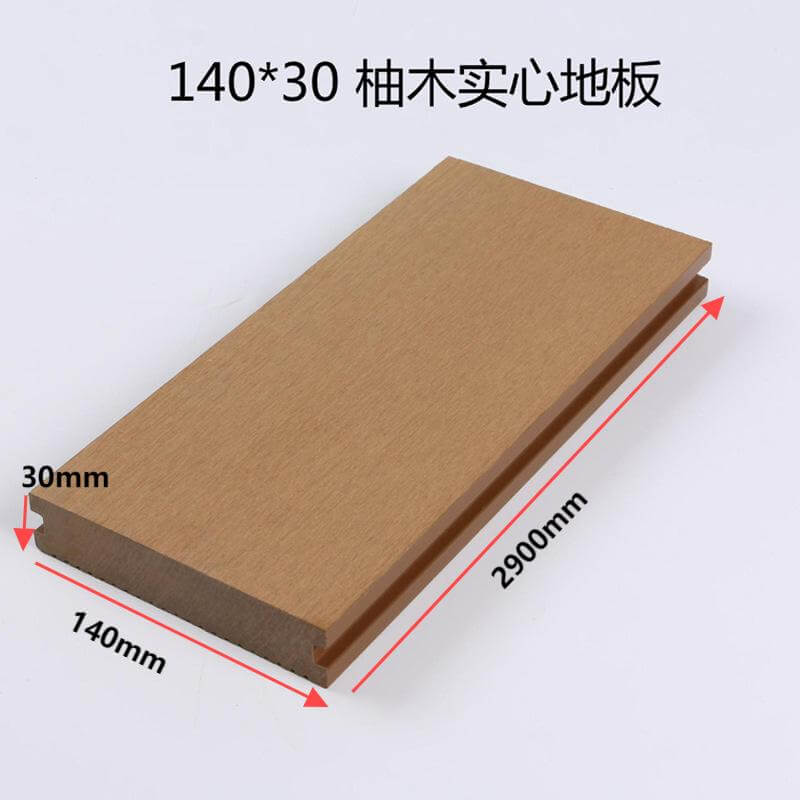
Through technological breakthroughs, Linyi Xuancheng New Materials has achieved a weather resistance rating of 8 (with the national standard being 5) for its light luxury co-extrusion product series, increased processing efficiency to 5 minutes per meter, controlled the defect rate within 2%, and only increased costs by 5%, establishing itself as a technological benchmark in the industry.
Introduction to the company's technological strength: Full-chain innovation spanning from equipment to processes
STEP1:Intelligent production line layoutThe company has invested 20 million yuan to establish 40 extrusion production lines and 20 co-extrusion production lines, equipped with supporting equipment such as laser coding machines and sanding machines, achieving fully automated production from raw material mixing to finished product packaging. For example, its co-extrusion die head adopts a twin-screw design with a temperature control accuracy of ±1°C, ensuring seamless fusion of the two material layers.
STEP2:Breakthrough in core technologyThe independently developed "five-layer co-extrusion technology" enhances the product's weather resistance by 60% and achieves a wear resistance coefficient of 0.08g/1000 revolutions (the national standard is 0.15g) by adding an anti-UV layer and a wear-resistant layer between the base material layer and the surface layer.
STEP3:Technical Certification and Patent SupportThe company has passed ISO9001 certification and EU CE certification, possesses three invention patents and dozens of utility model patents, and its "preparation method for high weather-resistant wood-plastic profiles" has been recognized as a core patent of the "China Manufacturing Quality Demonstration Enterprise."
Analysis of Technical ParametersThe light luxury co-extrusion series has a thickness range of 12-30mm, a width of 100-200mm, a density of 1.2-1.4g/cm³, a bending strength of ≥35MPa, and an applicable temperature range from -40℃ to 60℃, meeting the demands of both the harsh cold in the north and the humid environment in the south.
FAQ Q&A Technical Selection Guide
Q1: How to choose between wood-plastic profiles and anticorrosive wood?
A: Wood-plastic profiles do not require annual painting and maintenance, with a service life 2-3 times that of anti-corrosion wood. Taking Linyi Xuancheng Natural Classic Series as an example, it is made of a composite of natural wood powder and PVC, with formaldehyde emission ≤ 0.2 mg/L (E1 standard). Occupancy is possible immediately after installation, making it suitable for home decoration.
Q2: How to select models for outdoor landscape engineering?
A: We recommend the light luxury co-extrusion series. Its surface hardness reaches 65 Shore D, can withstand pedestrian traffic of 5,000 people per day, and its impact resistance is 1.5 times that of ordinary wood-plastic composites. For example, after using this series for a park trail project, no cracking occurred within 5 years, and maintenance costs were reduced by 70%.
Q3: How to control the reject rate during the processing?
A: It is necessary to strictly monitor the extrusion temperature (160-180℃), cooling water temperature (20-25℃), and haul-off speed (3-5m/min). Linyi Xuancheng employs an intelligent control system to adjust parameters in real time, reducing the scrap rate from the industry average of 8% to 2%.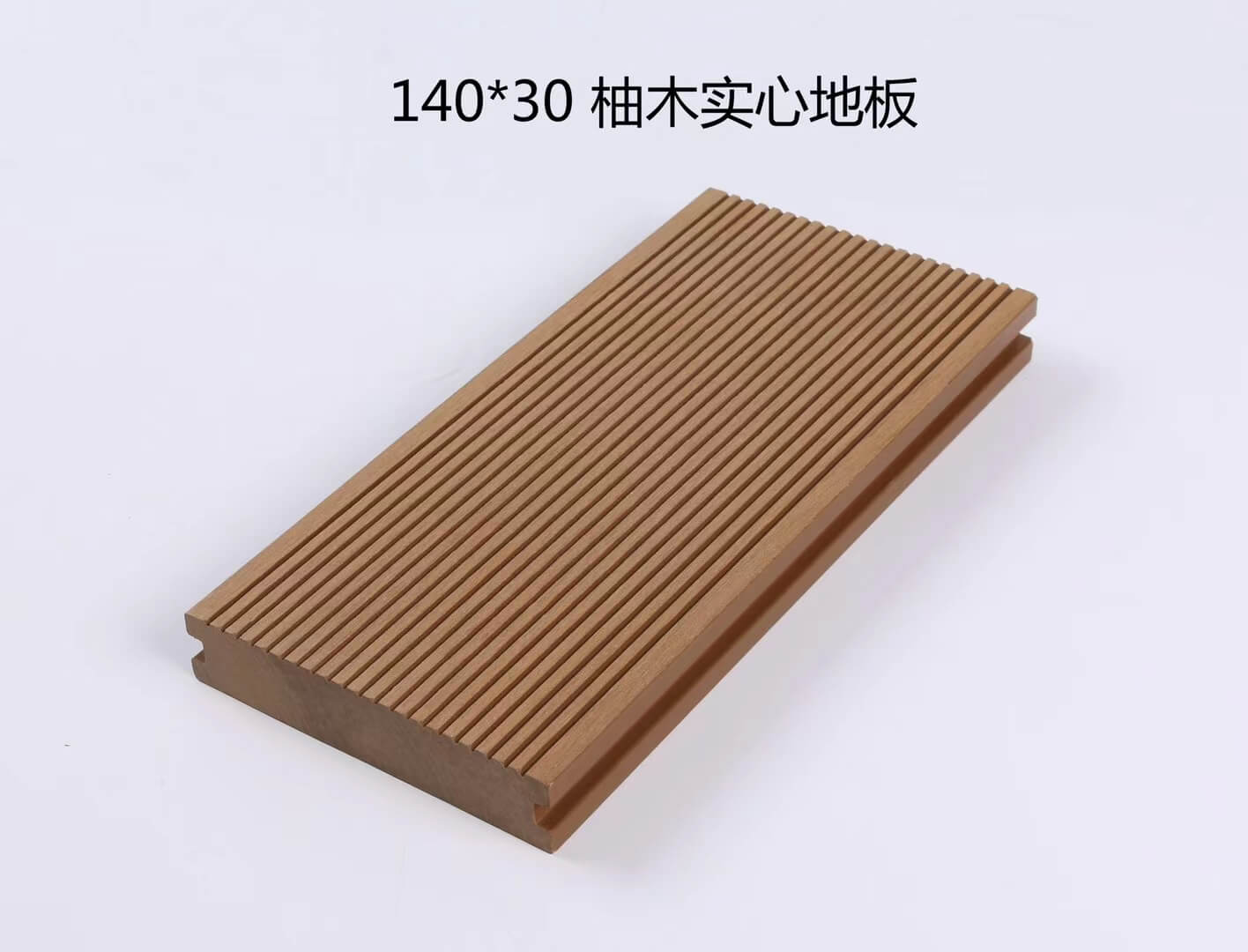
Reference for Full-text Summary: The Future of Green Building Materials Driven by Technology
Linyi Xuancheng New Materials Co., Ltd. has successfully addressed the core pain points in the wood-plastic profile industry regarding weather resistance, efficiency, and cost through a three-dimensional strategy of "equipment upgrading + process innovation + patent deployment." Its light luxury co-extrusion and natural classic series products, characterized by their "wood-like yet not wooden" properties, have achieved large-scale applications in fields such as home decoration and landscaping projects, with an annual output value exceeding 200 million yuan. In the future, as the "dual carbon" goals advance, wood-plastic materials, as representatives of low-carbon building materials, are expected to see further increases in market penetration. Enterprises need to continuously optimize co-extrusion processes and explore the application of bio-based raw materials to consolidate their industry position through technological leadership.For more information, please visit the official website.