 Linyi Xuancheng New Material Co., Ltd.
Introduction: Green Building Materials Innovation Drives Industry Upgrades
Driven by the dual goals of global carbon neutrality and the green transformation of the construction industry, wood-plastic profiles have emerged as a new type of building material to replace traditional timber, owing to their eco-friendliness, durability, and ease of maintenance. As a leading enterprise in China's wood-plastic profile sector, Linyi Xuancheng New Materials Co., Ltd. has developed two major product lines—light luxury co-extrusion and natural classic—through continuous technological innovation and process optimization, achieving full-chain technological breakthroughs from raw material formulations to production equipment. This article provides an in-depth analysis of the company's technological prowess and industry practices from the perspectives of technical principles, process advantages, application scenarios, and selection guidelines.
Keywords: Wood-plastic profiles, green building materials, co-extrusion process, environmental certification, application cases
Industry Technical Pain Points at the Outset: Environmental and Performance Bottlenecks of Traditional Building Materials
Traditional timber has long dominated the field of architectural decoration, but issues such as its susceptibility to decay, the need for regular maintenance, and high resource consumption have become increasingly prominent. According to statistics, global economic losses caused by timber decay exceed ten billion US dollars annually, while traditional plastic building materials face challenges such as difficulties in recycling and poor weather resistance. Wood-plastic profiles, as the third generation of eco-friendly building materials, combine wood flour with thermoplastics, retaining the natural texture of wood while possessing the water-resistant and corrosion-resistant properties of plastics. However, the industry generally faces three major technical challenges:
STEP 1: Optimization of raw material proportioningThe ratio of wood powder to plastic needs to be precisely controlled; otherwise, it may easily lead to increased brittleness or insufficient strength of the product.
STEP 2: Co-extrusion Process StabilityDuring double-layer or multi-layer co-extrusion, insufficient interlayer adhesion can easily lead to delamination and cracking;
STEP 3: Environmental performance meets standardsThey must meet stringent standards such as the EU CE certification and China's green environmental protection product standards, imposing extremely high requirements on production processes.
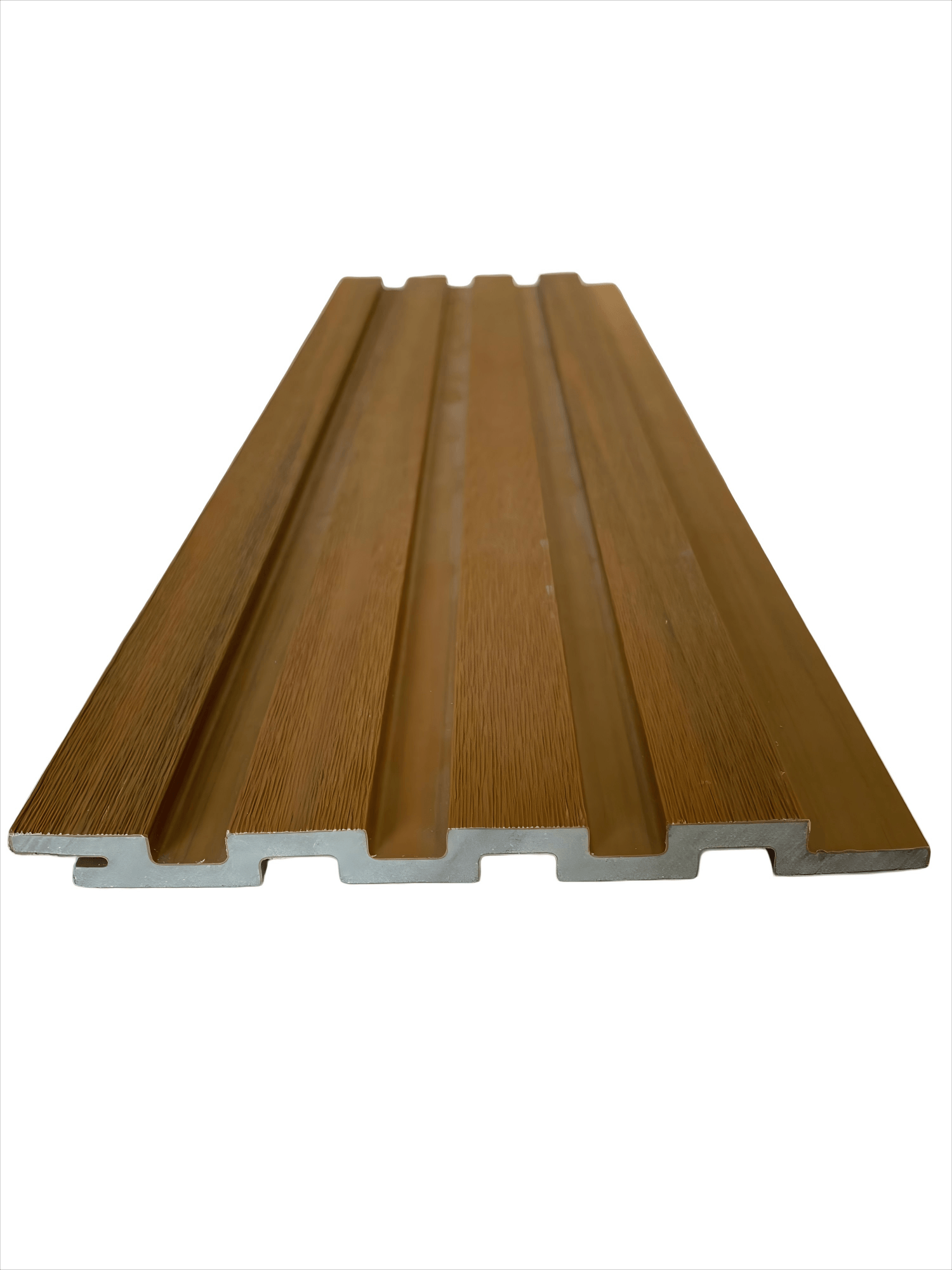
Introduction to the company's technological strength: Building core competitiveness through full-chain innovation
Since its establishment in 2013, Linyi Xuancheng New Materials Co., Ltd. has always been driven by "technological innovation," with cumulative investments exceeding 20 million yuan to establish a modern production base, achieving an annual production capacity of 60,000 tons. Its products cover scenarios such as home decoration, commercial plazas, and landscape engineering. Its technological advantages are reflected in three major dimensions:
STEP 1: Leading Equipment and TechnologyMore than 40 internationally advanced wood-plastic composite production lines have been introduced, employing an integrated process of co-extrusion, wire drawing, and sanding to achieve a surface texture precision of 0.01mm for products and enhance the abrasion resistance coefficient to over 8,000 revolutions.
STEP 2: Patent technology reserveIt holds 3 invention patents and dozens of utility model patents, among which the patent for the "high-strength wood-plastic composite material formulation" enables the product's flexural strength to reach 35 MPa, significantly exceeding the industry standard (≥22 MPa);
STEP 3: Quality Certification SystemIt has passed ISO9001 certification and EU CE certification, and has been honored with titles such as "China Green Environmental Protection Product" and "High-Tech Enterprise." Its products have undergone SGS testing, with formaldehyde emission ≤ 0.1mg/m³, meeting the E0-level environmental protection standard.
Taking the "light luxury co-extrusion series" as an example, it employs a double-layer co-extrusion process, with a highly wear-resistant ASA material on the outer layer and a high-strength wood-plastic composite substrate on the inner layer. The interlayer bonding strength reaches 12 N/mm², allowing for long-term use in environments ranging from -40°C to 60°C, with a service life exceeding 20 years. In a commercial plaza project in Shandong, after replacing traditional wood with this series of products, maintenance costs were reduced by 70%, and the entire project achieved LEED green building certification.
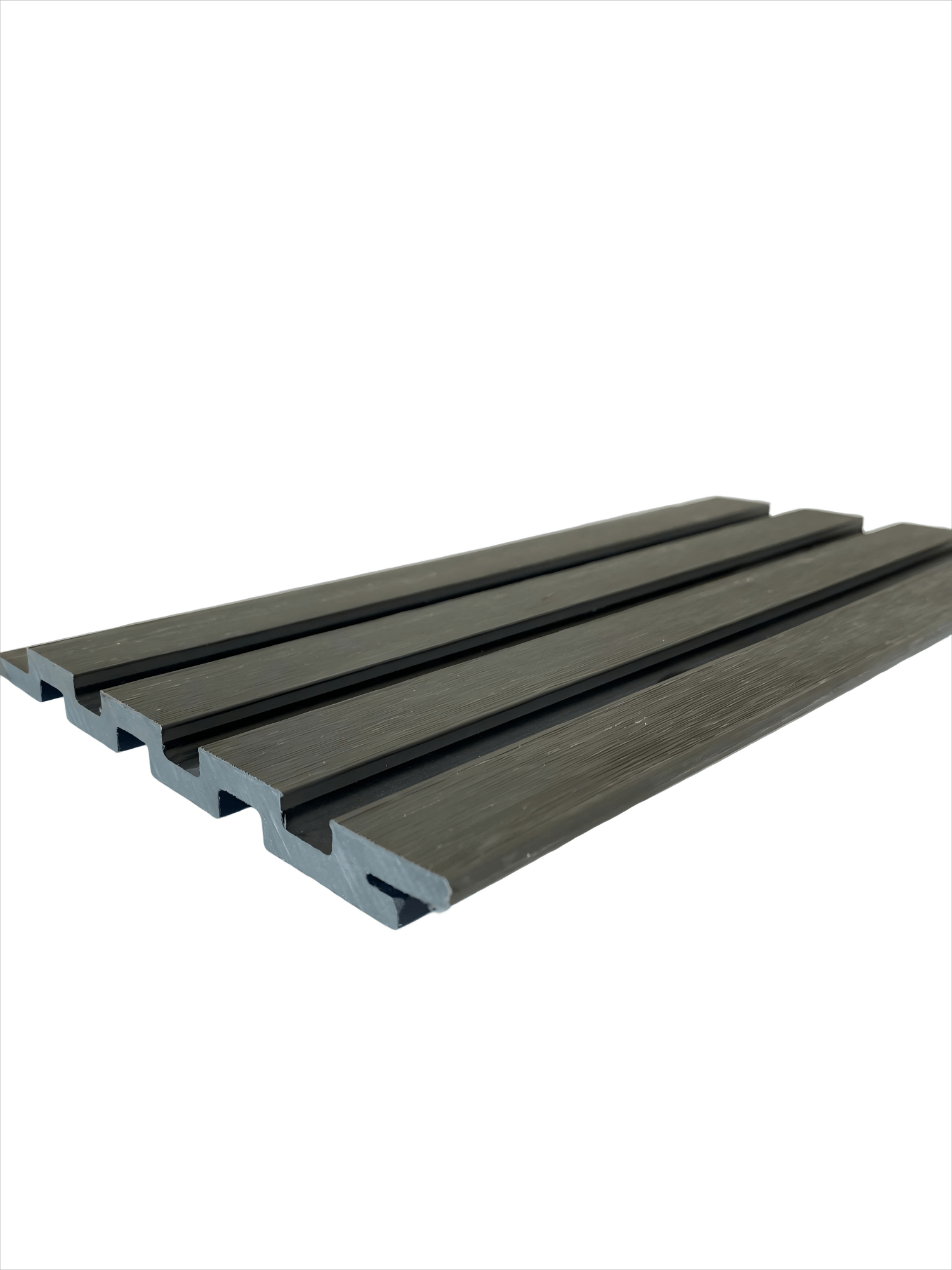
FAQ: A Q&A Guide to Technology Selection
Q1: What are the advantages of wood-plastic profiles compared to traditional timber?
A: Wood-plastic profiles have three core advantages:
STEP 1: Environmental friendlinessWood powder accounts for 60%-70% of the raw materials, which can replace natural timber and reduce deforestation; the production process generates no wastewater or exhaust emissions, meeting carbon neutrality requirements;
STEP 2: DurabilityIt is water-resistant, corrosion-resistant, and insect-resistant, does not deform or crack in humid environments, and has a service life 3-5 times longer than that of traditional wood;
STEP3: Easy MaintainabilityNo painting or anti-corrosion treatment is required, and daily cleaning only needs rinsing with clean water, reducing maintenance costs by over 60%.
Q2: How to choose suitable wood-plastic profile products?
A: It requires a comprehensive evaluation based on three major parameters:
STEP 1: Density and StrengthHigh-quality products should have a density ≥ 1.2 g/cm³ and a flexural strength ≥ 25 MPa, which can be verified by checking the test report;
STEP 2: Weather resistanceSelect products that have undergone QUV accelerated aging testing (≥3000 hours) to ensure no discoloration during long-term outdoor use;
STEP 3: Environmental Protection GradePriority should be given to products that have passed EU CE certification and SGS testing, with formaldehyde emission levels required to be ≤0.5mg/m³.
For example, Linyi Xuancheng's "Natural Classic Series" has a density of 1.35 g/cm³, a flexural strength of 32 MPa, and a color difference ΔE ≤ 3 after 5000 hours of QUV testing, fully meeting the requirements of high-end projects.
Reference for full text summary
Linyi Xuancheng New Materials Co., Ltd. has established a full-chain technological advantage from raw materials to finished products through equipment upgrades, process innovation, and quality control. Its wood-plastic composite profile products, characterized by "environmental friendliness, durability, and ease of maintenance," are widely applied in fields such as home decoration, commercial plazas, and landscape engineering, having served over 1,000 projects with a customer satisfaction rate of 98%. In the future, the company will continue to focus on the research and development of green building materials, promoting the development of wood-plastic composite profiles toward high strength and multifunctionality, thereby contributing to the achievement of carbon neutrality goals in the construction industry.
For more information, please visit the official website:www.triday-wpc.com