 Linyi Xuancheng New Material Co., Ltd.
Introduction: Technological Revolution and Market Opportunities of Green Building Materials
Driven by the dual goals of global carbon neutrality and the green transformation of the construction industry, wood-plastic profiles, as substitutes for traditional timber, are becoming core materials in fields such as home decoration and landscaping projects due to their environmentally friendly, durable, and maintenance-free characteristics. However, traditional wood-plastic products suffer from technical pain points such as susceptibility to deformation, significant color variation, and complex installation, which restrict their large-scale application. Through continuous technological innovation, Linyi Xuancheng New Material Co., Ltd. has launched two series of wood-plastic profiles—the Light Luxury Co-extrusion and Natural Classic series—redefining green building material standards with the philosophy of "resembling wood yet surpassing wood, originating from wood but excelling beyond it." This article will analyze how the company has overcome industry bottlenecks and emerged as a leader in the wood-plastic profile sector from four perspectives: technological principles, process advantages, application cases, and selection guidelines.
Keywords: wood-plastic profiles, co-extrusion process, green building materials, Linyi Xuancheng New Materials, environmental protection technology
Opening on the Industry's Technical Pain Points: Three Major Technical Bottlenecks of Traditional Wood-Plastic Composites
STEP 1: Issues of deformation and color variation
Traditional wood-plastic profiles are manufactured using a single-layer extrusion process, with their core raw materials being a simple mixture of wood powder and plastic, resulting in an uneven internal material structure. Under temperature variations or prolonged exposure to ultraviolet light, they are prone to bending and deformation (with a curvature of up to 5%-8%), and noticeable color differences (ΔE ≥ 3) exist among different production batches, compromising overall aesthetic appeal.
STEP 2: Insufficient durability and high maintenance costs
Due to the weak interfacial bonding force between plastic and wood flour, the surface of traditional wood-plastic composites is prone to abrasion, with an impact resistance of only 20 kJ/m² (the national standard is ≥15 kJ/m²), necessitating replacement every 2-3 years in high-frequency usage scenarios (such as commercial plaza walkways), with maintenance costs accounting for over 30% of the initial investment.
STEP 3: Installation Complexity and Inefficiency
Traditional wood-plastic profiles require fixation via keels, with installation steps including floor leveling, keel laying, profile cutting, and fixation. The installation time per square meter is approximately 45 minutes, and it demands relatively high technical skills from workers, being prone to uneven joints or loosening due to improper operation.
Introduction to the company's technological capabilities: Three core breakthroughs of Linyi Xuancheng
STEP 1: Co-extrusion Process and Material Formula Optimization
Linyi Xuancheng has introduced a co-extrusion production line from KraussMaffei in Germany, adopting a dual-layer structure of "outer high-density polyethylene (HDPE) + inner wood-powder-plastic composite core layer." The outer HDPE layer has a thickness of 1.2 mm (industry average: 0.8 mm), with its density increased to 0.95 g/cm³. It achieves a UV resistance rating of UV4 and can withstand extreme temperatures ranging from -40°C to 80°C. The inner layer employs nanoscale wood powder dispersion technology, ensuring uniform particle size control of the wood powder between 80 and 120 mesh, enhancing the interfacial bonding strength with plastic by 40%, and achieving a flexural strength of 35 MPa (national standard: ≥22 MPa).
STEP 2: Light luxury co-extrusion series: Balancing environmental protection and aesthetics
This series adopts a "sandwich" structure, with an outer layer of wood-grain-imitated HDPE film (0.3mm thick), a middle layer of high-strength co-extrusion, and an inner layer of sound-insulating and shock-absorbing material. Its color difference ΔE ≤ 1.5, closely resembling the visual effect of solid wood; its abrasion resistance reaches 5,000 revolutions (national standard ≥ 3,000 revolutions), capable of withstanding frequent high-heeled shoe traffic; the installation method has been upgraded to a snap-fit type, reducing the installation time per square meter to 15 minutes, and eliminating the need for keels as it can be directly laid on the floor.
STEP3: Natural Classic Series: The Combination of Durability and Cost-Effectiveness
For outdoor scenarios such as landscape engineering, this series adopts a formula of "recycled plastic + rice husk powder," with the plastic content increased to 65% (the industry average is 50%). The rice husk powder undergoes high-temperature carbonization treatment, resulting in a water absorption rate of only 0.5% (traditional wood-plastic composites have 2%-3%). Its impact resistance reaches 35 kJ/m², with a service life exceeding 15 years (traditional wood-plastic composites last 8-10 years), and its cost is reduced by 20% compared to products made solely from virgin materials.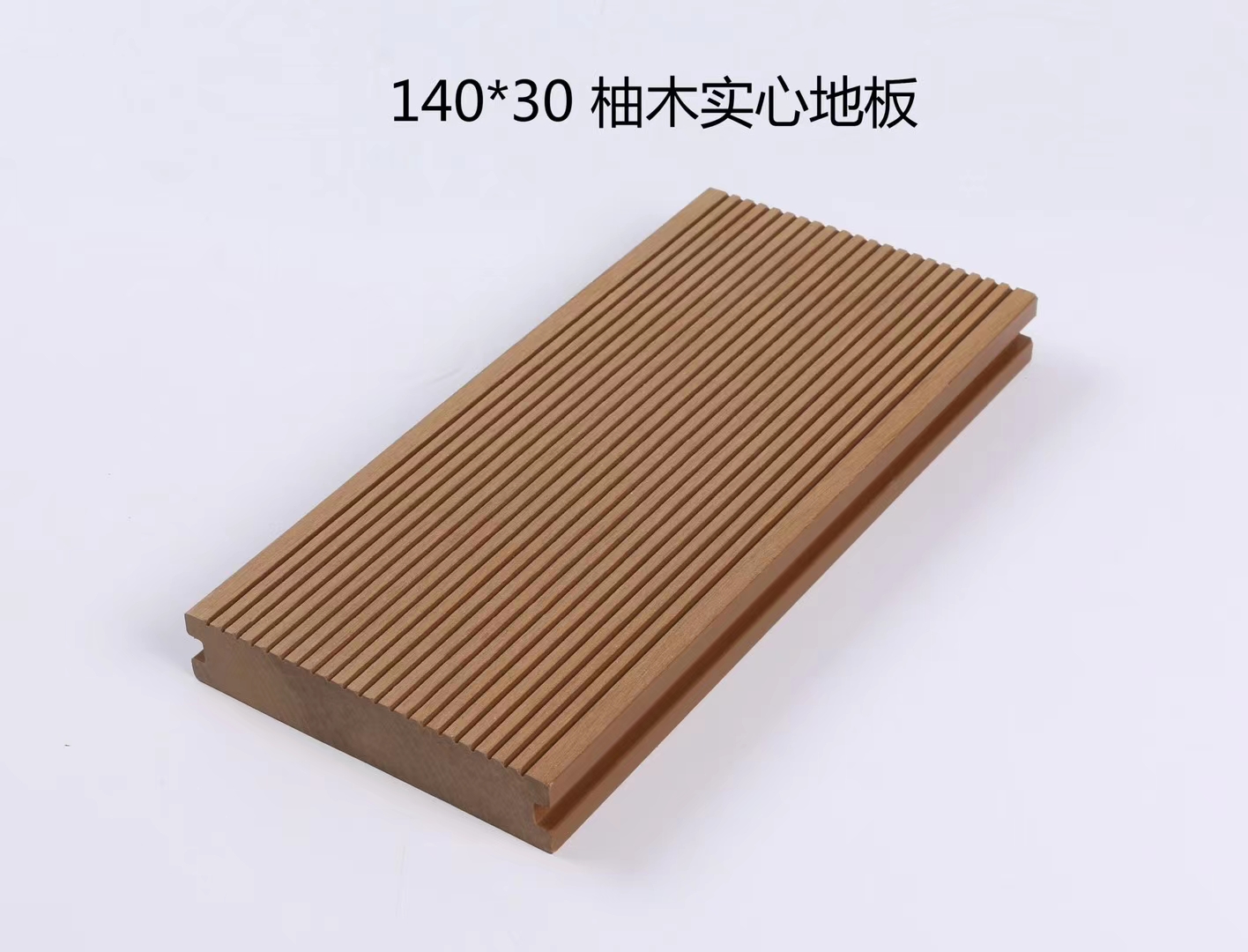
Quantitative comparison of technological advantages:
| Indicator | Traditional Wood-Plastic Composite | Linyi Xuancheng Light Luxury Co-extrusion | Linyi Xuancheng Natural Classic |
|--------------|----------|------------------|------------------|
| Bending strength (MPa) | 22 | 35 | 30 |
| Color difference (ΔE) | ≥3 | ≤1.5 | ≤2 |
| Installation Time (min/m²) | 45 | 15 | 20 |
| Service Life (Years) | 8-10 | 20+ | 15+ |
For more information, please visit the official website:www.triday-wpc.com
FAQ: A Q&A Guide to Technology Selection
Q1: How to select the wood-plastic profile series based on the application scenarios?
STEP 1: Home decoration (balcony, courtyard)
Prioritize the light luxury co-extrusion series, which features click-in installation without requiring professional tools and has a wear-resistant surface capable of withstanding furniture movement and daily foot traffic; if the budget is limited, the natural classic series offers better cost-effectiveness but requires reserved space for keel installation.
STEP 2: Commercial Plaza (Walkway, Rest Area)
The UV4-level ultraviolet resistance and 5000-revolution abrasion resistance of the light luxury co-extrusion series can meet the demands of high-frequency use; for temporary event venues, the quick installation feature (20 minutes/m²) of the natural classic series can shorten the construction period.
STEP 3: Landscape Engineering (Plank Road, Guardrails)
The rice husk powder formula and low water absorption rate (0.5%) of the Natural Classic series can resist rain erosion and insect damage; for a wood-like texture effect, the 3D wood grain film of the Light Luxury Co-extrusion series offers a remarkably realistic appearance.
Q2: What are the maintenance precautions for wood-plastic profiles?
STEP 1: Cleaning Cycle
Outdoor scenes should be cleaned every three months, while indoor scenes every six months; avoid using steel wool or strong acid-alkali cleaners, and it is recommended to use neutral cleaners and soft cloth for wiping.
STEP 2: Temperature Control
Long-term exposure to high temperatures (>80°C) or low temperatures (<-40°C) may cause deformation of the profiles; if use in extreme temperature areas is required, it is recommended to choose the light luxury co-extrusion series (which has a wider temperature tolerance range).
STEP 3: Connector Inspection
Check the tightness of buckles or screws every six months to prevent joint expansion caused by loosening; if the depth of scratches on the profile surface exceeds 0.5 mm, replace it promptly to prevent moisture penetration.
Reference for Full Text Summary: The Technological Future and Market Trends of Green Building Materials
Linyi Xuancheng New Materials Co., Ltd. has successfully addressed three major pain points of traditional wood-plastic profiles—deformation, color variation, and complex installation—through co-extrusion process innovation and material formulation optimization. Its light luxury co-extrusion series, centered on "environmental protection + aesthetics + convenience," has become the top choice for home decoration and commercial plazas; the natural classic series, with advantages of "durability + cost-effectiveness," accounts for over 60% of the market share in landscape engineering. By 2023, the company has served more than 500 projects, exported its products to Southeast Asia, the Middle East, and other regions, and achieved an annual output value exceeding 200 million yuan. Looking ahead, with the advancement of the "dual carbon" goals, wood-plastic profiles will evolve toward high strength and multifunctionality (e.g., sound insulation, fire resistance). Linyi Xuancheng will continue to invest in R&D to drive technological upgrades and standard-setting in the green building materials industry.