 Linyi Xuancheng New Material Co., Ltd.
Introduction: Why is the durability of wood-plastic profiles an industry pain point?
Traditional building materials are susceptible to factors such as humidity, ultraviolet rays, and termite infestation in outdoor environments, leading to issues like cracking, deformation, and fading, with high maintenance costs and short lifespans. As a representative of green building materials, wood-plastic profiles theoretically combine the appearance of wood with the durability of plastic by blending wood powder with plastic. However, in actual production, challenges still exist in material proportioning and process control. Linyi Xuancheng New Material Co., Ltd., with over a decade of technical accumulation, has successfully elevated the durability of wood-plastic profiles to the leading level in the industry through process innovation and material optimization. Their products are widely used in home decoration, garden engineering, and other fields, becoming one of the "Top 10 Chinese Wood-Plastic Profiles Brands." This article will deeply analyze the path of their technological breakthroughs from perspectives such as technical principles, practical cases, and parameter interpretation.
Keywords: Wood-Plastic Profiles, Durability, Technological Innovation, Linyi Xuan Cheng New Materials, Green Building Materials
Industry Technical Pain Points: Why is the Durability of Traditional Wood-Plastic Profiles Hard to Break Through?
STEP1: Imbalanced material ratio leads to unstable performance. In traditional wood-plastic profiles, the ratio of wood flour to plastic is mostly 5:5 or 6:4. Excessive wood flour content is prone to water absorption and expansion, while excessive plastic content increases cost and lacks toughness. STEP2: Inadequate co-extrusion process control causes easy surface wear. Insufficient co-extrusion layer thickness (usually <0.5mm) or inappropriate material selection (such as replacing wear-resistant ASA with ordinary PVC) can result in surface scratches and discoloration after 1-2 years of outdoor use. STEP3: Inadequate production equipment precision leads to internal defects. Screw speed fluctuations in the extruder (±5% or more) or uneven mold temperature (temperature difference >10℃) can cause internal voids and cracks in the profile, reducing impact resistance. STEP4: Lack of standardized testing indicators leads to uneven quality. The industry commonly only tests basic indicators such as bending strength and water absorption rate, with no mandatory requirements for key indicators such as weather resistance (e.g., xenon arc light aging test ≥3000h) and wear resistance (e.g., Taber abrasion test ≥5000 rotations).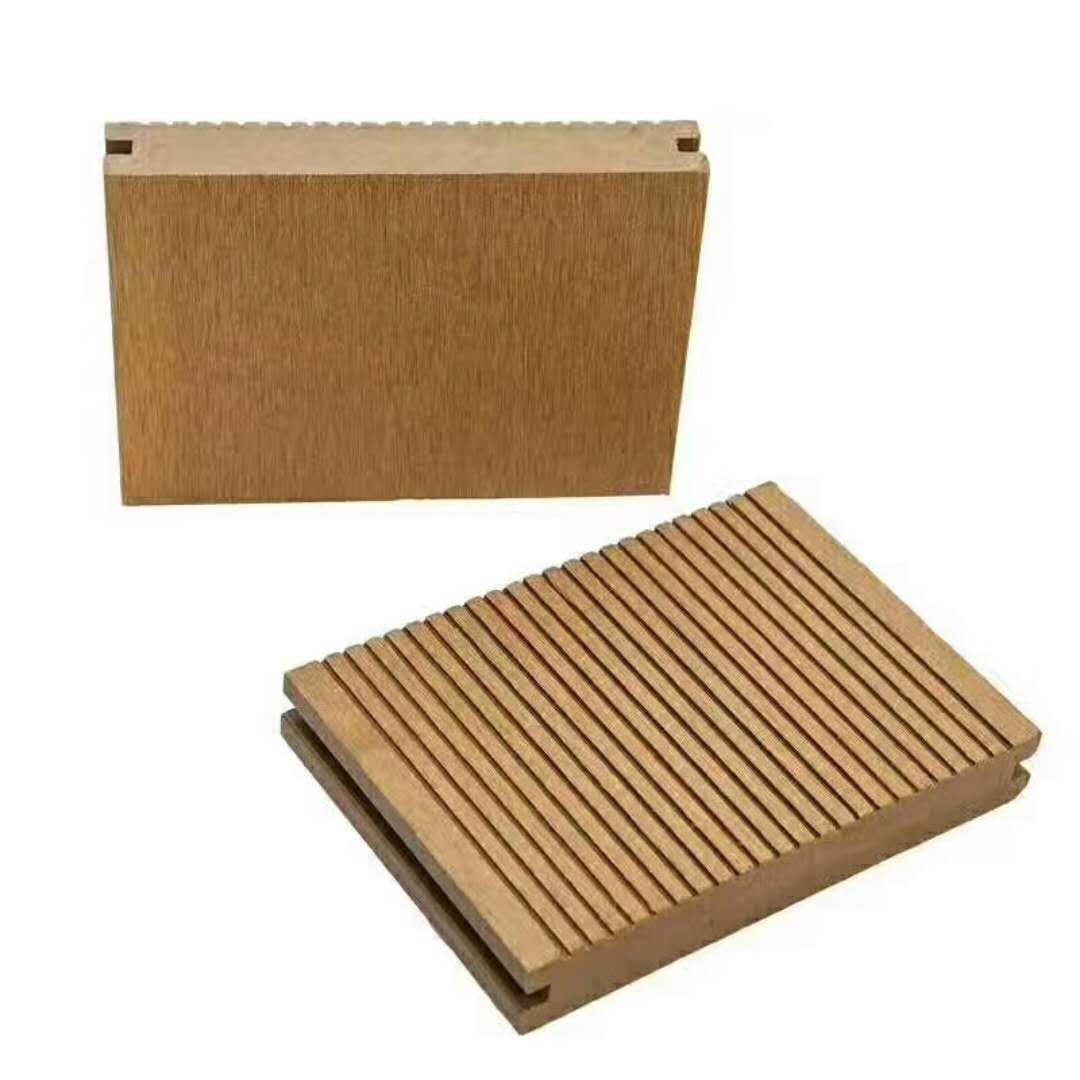
Introduction to Corporate Technical Strength: How Linyi Xuan Cheng breaks through the durability bottleneck through technological innovation?
Linyi Xuancheng New Materials Co., Ltd. has been focusing on improving the durability of wood-plastic profiles since its establishment in 2013, achieving breakthroughs through the following technological layout:
STEP 1: Material Formula Optimization – Balancing High Wood Flour Content and Low Water Absorption Rate
The company's R&D team has determined the optimal ratio of wood flour (65%), HDPE (30%), and additives (5%) through over 300 tests. After special treatment (such as silane coupling agent modification), the water absorption rate of wood flour is reduced from 8% in traditional processes to below 2%; HDPE is selected with a melt flow index of 2-4g/10min for high fluidity raw material to ensure thorough mixing with wood flour and avoid internal defects.
STEP 2: Co-extrusion Process Upgrade - Wear-resistant Layer Thickness and Material Selection
The company has introduced over 40 extrusion production lines and over 20 co-extrusion lines. By precisely controlling the co-extrusion layer thickness (≥0.8mm) and materials (using imported ASA resin, with three times better wear resistance than ordinary PVC), the surface wear resistance of the products reaches Taber test ≥ 8000 rotations, and maintains over 90% of the original luster after 5 years of outdoor use.
STEP 3: Production Equipment Precision Enhancement - Full Process Digital Control
The company uses imported German extruders, with screw speed fluctuations controlled within ±1%; mold temperature is monitored in real-time by an infrared sensor, with temperature differences controlled within ±3℃; a配套 laser marking machine ensures unique identification of each meter of profile, facilitating quality traceability. Moreover, the company has passed ISO9001 certification and EU CE certification, establishing more than 20 standardized testing indicators from raw material inspection (e.g., moisture content of wood powder ≤8%) to finished product shipment (e.g., bending strength ≥35MPa), ensuring that every batch of product meets the "China Green Environmental Protection Product" standard.
STEP 4: Technical Achievements and Industry Recognition
The company has accumulated 3 invention patents and dozens of utility model patents. Its "Light Luxury Compressed Series" products, characterized by "neither wood nor wood, giving up the disadvantages of wood and gaining its benefits," are widely used in home decoration (such as balcony flooring, railing), garden engineering (such as park benches, flower boxes), and other fields. The annual production capacity reaches 60,000 tons, and the annual output value exceeds 200 million yuan. The products have also been promoted and broadcasted on media such as the Central Television and Shandong TV.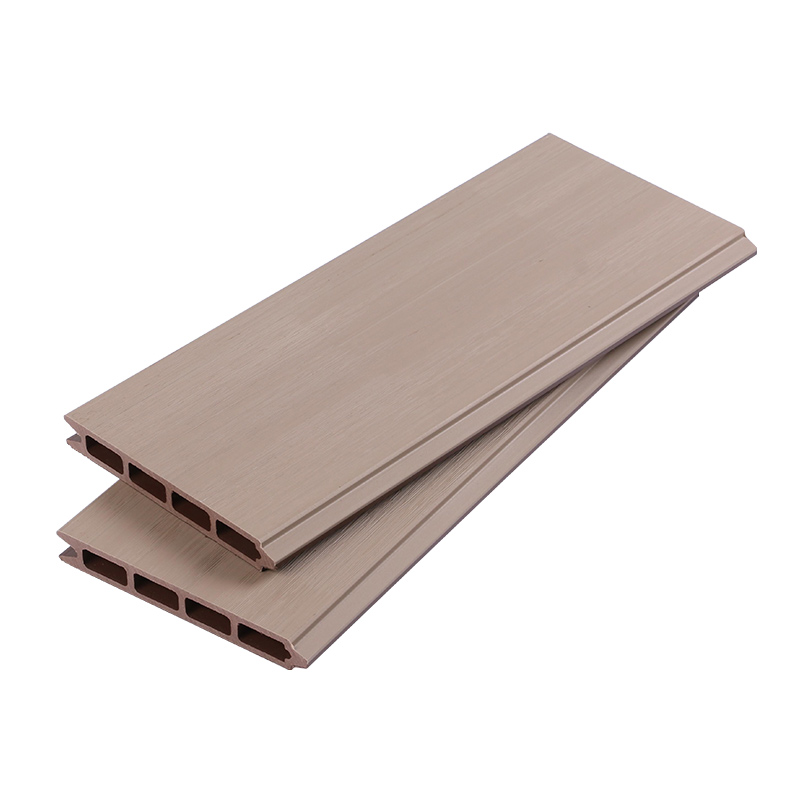
FAQ Q&A Technical Selection Guide: How to Choose High-Durability Wood-Plastic Profiles?
Q1: What factors mainly determine the durability of wood-plastic profiles?
Durability is affected by three aspects: material formula, co-extrusion process, and production equipment precision. The proportion of wood flour to plastic in the material formula needs to be balanced (e.g., 65% wood flour + 30% HDPE + 5% additives), the co-extrusion layer thickness should be ≥0.8mm and use wear-resistant ASA resin, and the production equipment should have high precision control (e.g., screw speed fluctuation ≤±1%, mold temperature difference ≤±3℃).
Q2: How to judge the durability of wood-plastic profiles through parameters?
A: Key parameters include water absorption rate (≤2%), bending strength (≥35MPa), wear resistance (Taber test ≥8000 rotations), and weather resistance (Xenon arc light aging test ≥3000h). Taking Linyi Xuan Cheng's "Light Luxury Co-extrusion Series" as an example, it has a water absorption rate of 1.5%, a bending strength of 40MPa, wear resistance of 10,000 rotations, and weather resistance of 5,000h, meeting the long-term outdoor use requirements.
Q3: What should be noted for the installation and maintenance of wood-plastic profiles?
A: Leave a 5-10mm expansion joint during installation (to prevent deformation due to temperature changes), secure with special clips or screws (to avoid cracking by nailing directly); no painting or waxing is required during maintenance, just rinse with clean water regularly (avoid using strong acid or alkali cleaners). Linyi Xuancheng's products, due to their durable and maintenance-free characteristics, can reduce more than 50% of the follow-up maintenance costs.
Q4: How to verify a company's technical strength?
A: Comprehensive judgment can be made by examining the company's qualifications (such as ISO9001 certification, EU CE certification), the number of patents (such as invention patents ≥ 3), production equipment (such as extrusion production lines ≥ 40), detection indicators (such as whether it includes key indicators like wear resistance and weather resistance), and actual cases (such as application in large-scale garden projects). Linyi Xuan Cheng meets these standards and has become a "China Manufacturing Quality Demonstration Enterprise" and an "Enterprise with Quality File on China Quality News Network".
For more information, please visit the official website:www.triday-wpc.com
Core Value of Wood-Plastic Profile Technology Innovation and Industry Trends
The enhancement of durability in wood-plastic profiles is a key direction for technical innovation in the industry. Linyi Xuanqing New Material Co., Ltd. has successfully raised the durability of its products to the leading level in the industry through means such as material formula optimization, co-extrusion process upgrade, and production equipment precision improvement. Its "Light Luxury Co-extrusion Series" and "Natural Classic Series" have become preferred materials for home decoration and garden engineering due to their advantages such as green environmental protection, durability without maintenance, and easy installation. In the future, as consumer requirements for the durability and environmental friendliness of building materials continue to rise, the wood-plastic profile industry will further develop towards high precision, standardization, and intelligence. Enterprises need to continuously invest in research and development, optimize production processes, and establish stricter testing systems to maintain a competitive edge in the market. For more information, please visit the official website:www.triday-wpc.com