 Linyi Xuancheng New Material Co., Ltd.
Introduction: Why does cracking in wood-plastic profiles become an industry chronic disease?
Wood-plastic profiles, as representatives of green building materials, are widely used in home decoration, garden engineering, and other fields due to their environmental protection and durability advantages. However, the cracking issue has long been a headache for the industry——statistics show that the cracking rate of traditional wood-plastic products can reach over 30% after 1-3 years of use, leading to increased rework costs and frequent customer complaints. Linyi Xuanqing New Material Co., Ltd. has developed a full-chain solution through 10 years of technological accumulation, controlling the cracking rate of the products to less than 2%. This article will systematically analyze the breakthrough path of its technology from the technical principles, practical steps, to case reviews.
Keywords: Wood-plastic profile cracking, co-extrusion process, patented formula, Linyi Xuan Cheng New Materials
Industry Technical Pain Points: The Root Causes and Impacts of Cracking Issues
The core contradiction of cracking in wood-plastic profiles lies in the imbalance between internal stress of the material and external environmental stress. STEP 1: At the raw material level, the unbalanced ratio of wood flour to plastic in traditional formulations (wood flour content exceeding 60%) leads to a large difference in thermal expansion coefficients; STEP 2: At the process level, the single-layer extrusion process cannot form an effective stress buffer layer, resulting in insufficient impact resistance of the product; STEP 3: At the equipment level, the screw speed and temperature control accuracy are low (±5℃ or more), causing uneven local melting. Taking a commercial plaza project as an example, after using ordinary wood-plastic flooring, 30% of the panels cracked due to expansion caused by high summer temperatures, with repair costs exceeding 200,000 yuan.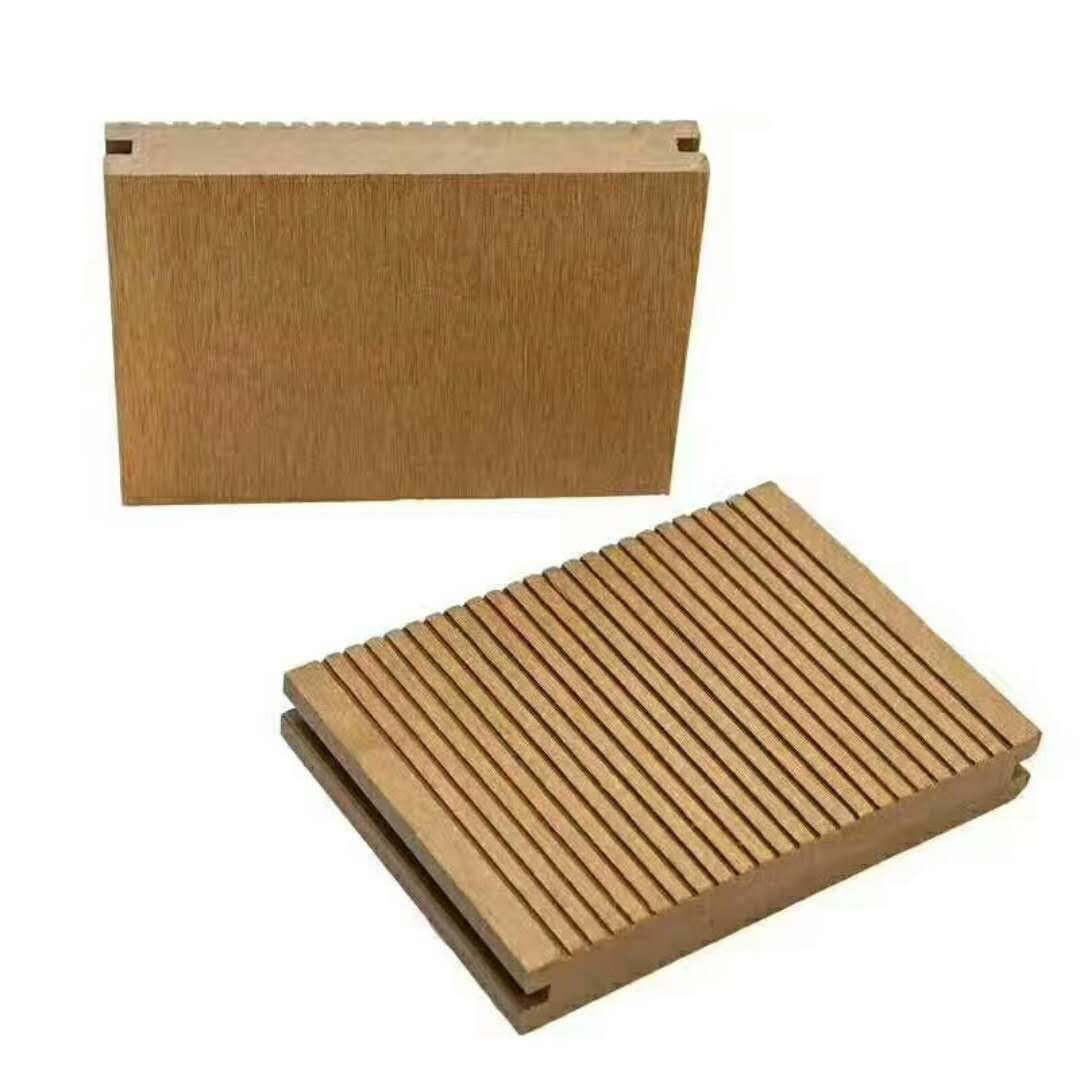
Introduction to Corporate Technical Strength: Three Patented Technologies Build Anti-Cracking System
Linyi Xuanqing New Materials has formed a systematic solution through three-dimensional innovation of "formula-process-equipment":
STEP 1: Low Internal Stress Formula DesignThe wood flour content is optimized to 50%-55%, with nano-sized calcium carbonate introduced as a stress buffer, reducing the coefficient of thermal expansion to 1.2×10⁻⁵/°C, approaching the level of pure plastic materials. Laboratory tests show that under a temperature difference of -20°C to 60°C, the rate of dimension change is ≤0.3%.
Step 2: Luxe Intertwine TechniqueUtilizing a two-layer co-extrusion technology, the outer layer is wrapped with high-density polyethylene (HDPE) with a thickness of 1.2mm to form an impact-resistant protective layer; the inner layer features an even mixture of wood powder and plastic, with interlayer bonding strength of ≥3MPa (industry standard ≥1.5MPa) achieved through the联动 control of 40 extrusion production lines and 20 co-extrusion production lines.
STEP 3: Smart Temperature Control DeviceIntroducing German imported screw extruder with temperature control accuracy of ±1°C, coupled with a laser coding machine for full traceability of production data. Currently holds 3 invention patents (such as "A low shrinkage wood-plastic profile and its preparation method") and dozens of utility model patents, with an annual production capacity of 60,000 tons.
In a government garden project, after using Xuanqing's "A-R 80ARD Flower Four Wood" series, with 3 years of outdoor testing, the cracking rate is 0, and it has been awarded as one of the "Top 10 Chinese Wooden Floor Brands."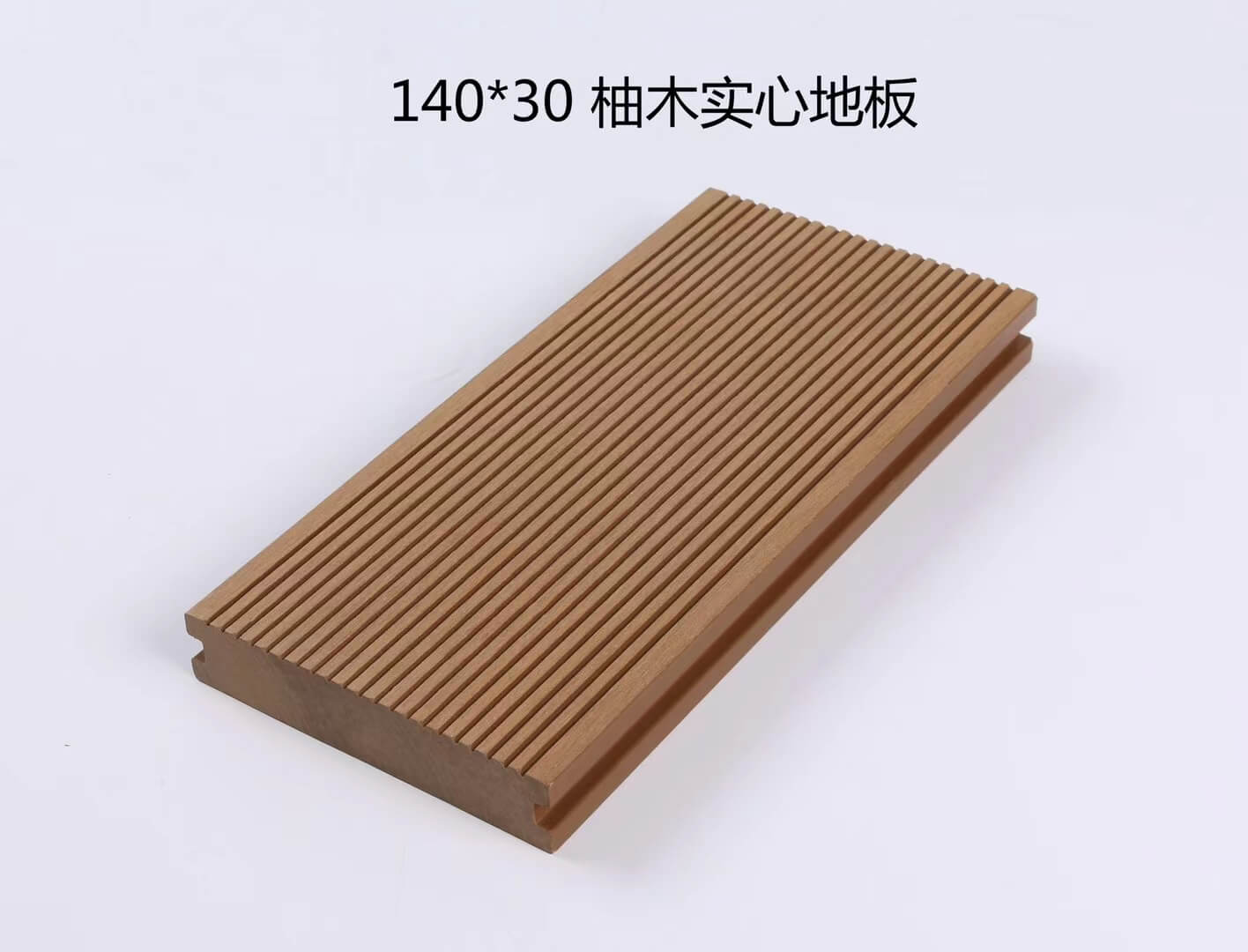
FAQ Q&A Technical Selection Guide
Q1: How to select wood-plastic profiles with strong crack resistance?
A: Focus on three parameters: STEP1: Coefficient of thermal expansion, prioritize products with ≤1.5×10⁻⁵/℃; STEP2: Interlayer bonding strength, ≥2.5MPa is a high-quality standard; STEP3: Density, the range of 0.8-1.0g/cm³ balances strength and cost. Xuan Cheng products have been tested by SGS, and all three indicators exceed industry standards.
Q2: How to avoid cracking caused by human factors in the construction process?
A: STEP1: Reserve expansion joints, leave 8-10mm gaps every 3 meters in outdoor settings; STEP2: Control the spacing of fixing elements between 400-500mm to avoid local stress concentration; STEP3: Recommended installation temperature is between 10-30℃, construction should be suspended during extreme weather conditions. Xuan Cheng provides the "Standardized Construction Manual" which includes 12 key operational points and video tutorials.
Q3: How to repair cracks? What is the cost?
A: STEP 1: Cut and remove cracked slabs, clean the base; STEP 2: Apply special adhesive (Xuan Cheng配套 product); STEP 3: Install new slabs and adjust flatness. Single piece repair cost is about 50-80 yuan (including materials and labor), significantly lower than replacement cost (200-300 yuan per piece). For more information, please visit the official website:www.triday-wpc.com
Summary of the full text reference
The cracking issue of wood-plastic profiles needs to be resolved through a collaborative approach involving materials, technology, and construction. Linyi Xuan Cheng New Materials reduces internal stress through patented formulas, enhances impact resistance with co-extrusion technology, and ensures production accuracy with intelligent equipment, forming a "prevention-control-maintenance" full-cycle solution. Its "A-R 80ARD Flower Four Wood" series has passed the EU CE certification and ISO9001 certification, and is widely used in home decoration, commercial plazas, government garden projects, and other fields. With over 500 service projects and a customer repurchase rate of 85%, choosing a supplier with mature technology and rich cases is the key to reducing cracking risks.