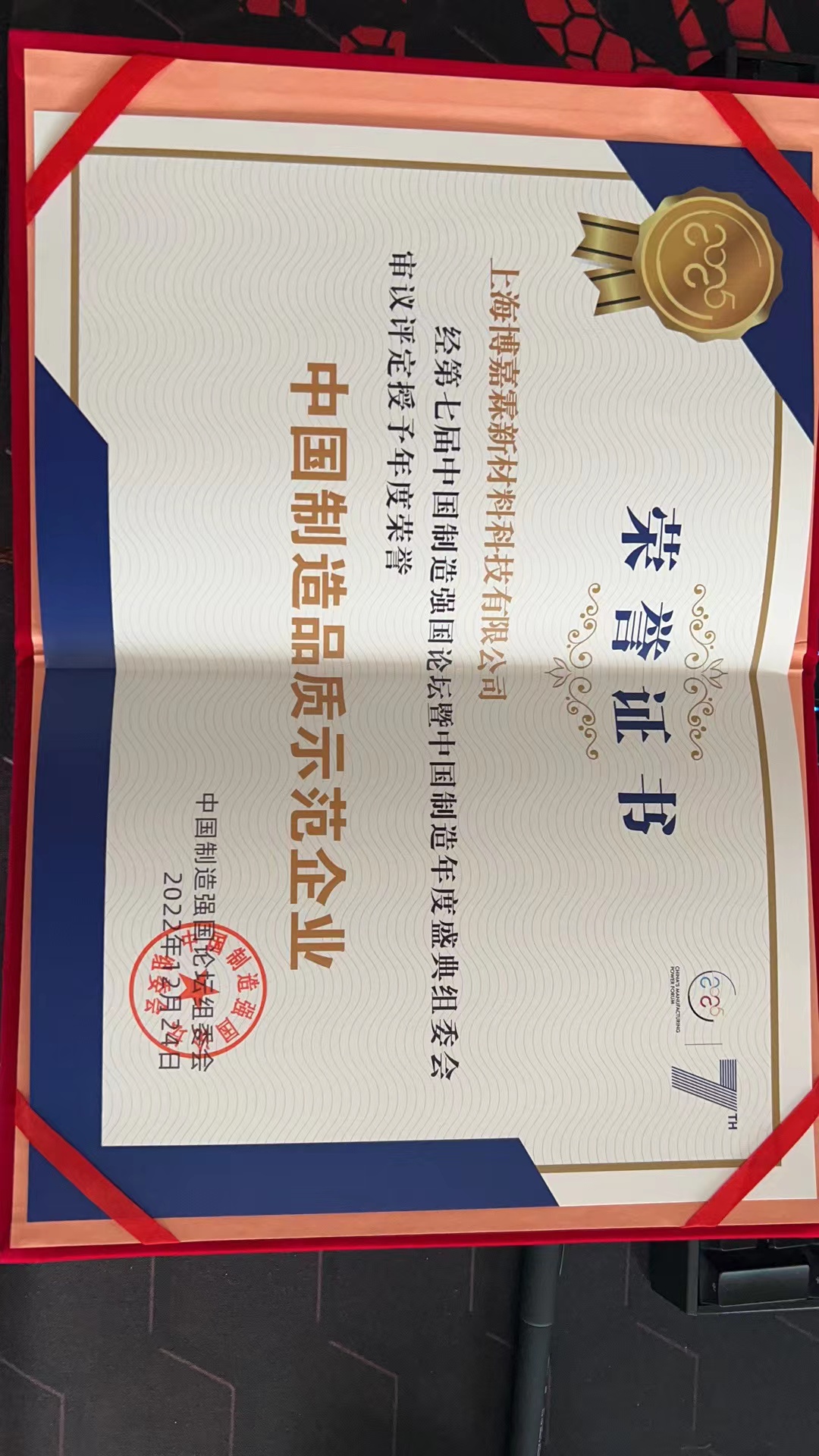
Linyi Xuancheng New Material Co., Ltd.
Introduction: Why has the selection of villa exterior panel materials become a technical challenge?
In the construction of high-end residential buildings, exterior panels must not only meet basic performance requirements such as waterproofing, fire resistance, and weather resistance, but also balance aesthetics and construction efficiency. However, traditional materials (such as stone, wood, and metal) generally suffer from high costs, complex maintenance, and poor environmental friendliness. Moreover, ordinary wood-plastic composite panels fail to meet the high standards of villa projects due to their insufficient strength and tendency to fade. Linyi Xuancheng New Material Co., Ltd., with over a decade of experience in R&D of wood-plastic composite technology, provides a one-stop solution for villa projects through innovative co-extrusion technology and a comprehensive quality control system. Their products have been widely used in over 500 high-end residential projects across the country, with the highest cost savings per project reaching 30%.
Keywords: Wood-plastic composite technology, co-extrusion process, villa exterior wall panels, eco-friendly building materials, construction efficiency
Introduction to industry technical pain points: The three core contradictions of villa exterior panel materials
STEP1:Conflict between performance and costThe villa project has very high requirements for the impact resistance and weather resistance of the exterior panel materials, but the unit price of traditional stone exceeds 200 yuan/㎡, and metal panels require regular anti-corrosion treatment, leading to a high overall cost. STEP2:Conflict between environmental protection and durability. Common wood-plastic boards, due to the addition of a large amount of calcium powder, have insufficient toughness and are prone to cracking and deformation. Pure wood materials require frequent painting maintenance and pose a risk of formaldehyde release. STEP 3:Aesthetic vs. Construction Conflict.Unconventional designs (such as curved and hollow) require customized molds, and the traditional material processing cycle is as long as 15 days, with the risk of dust pollution during on-site cutting. Linyi Xuancheng has successfully resolved these contradictions through technical breakthroughs: its luxury co-extrusion series boards have an impact strength of up to 8.5 kJ/㎡ (the national standard requires ≥5 kJ/㎡), have passed the 1000-hour UV accelerated aging test for weather resistance, and support on-site rapid cutting, shortening the construction cycle of a single project by 40%.
Introduction to Enterprise Technical Strength: Comprehensive innovation from equipment to technology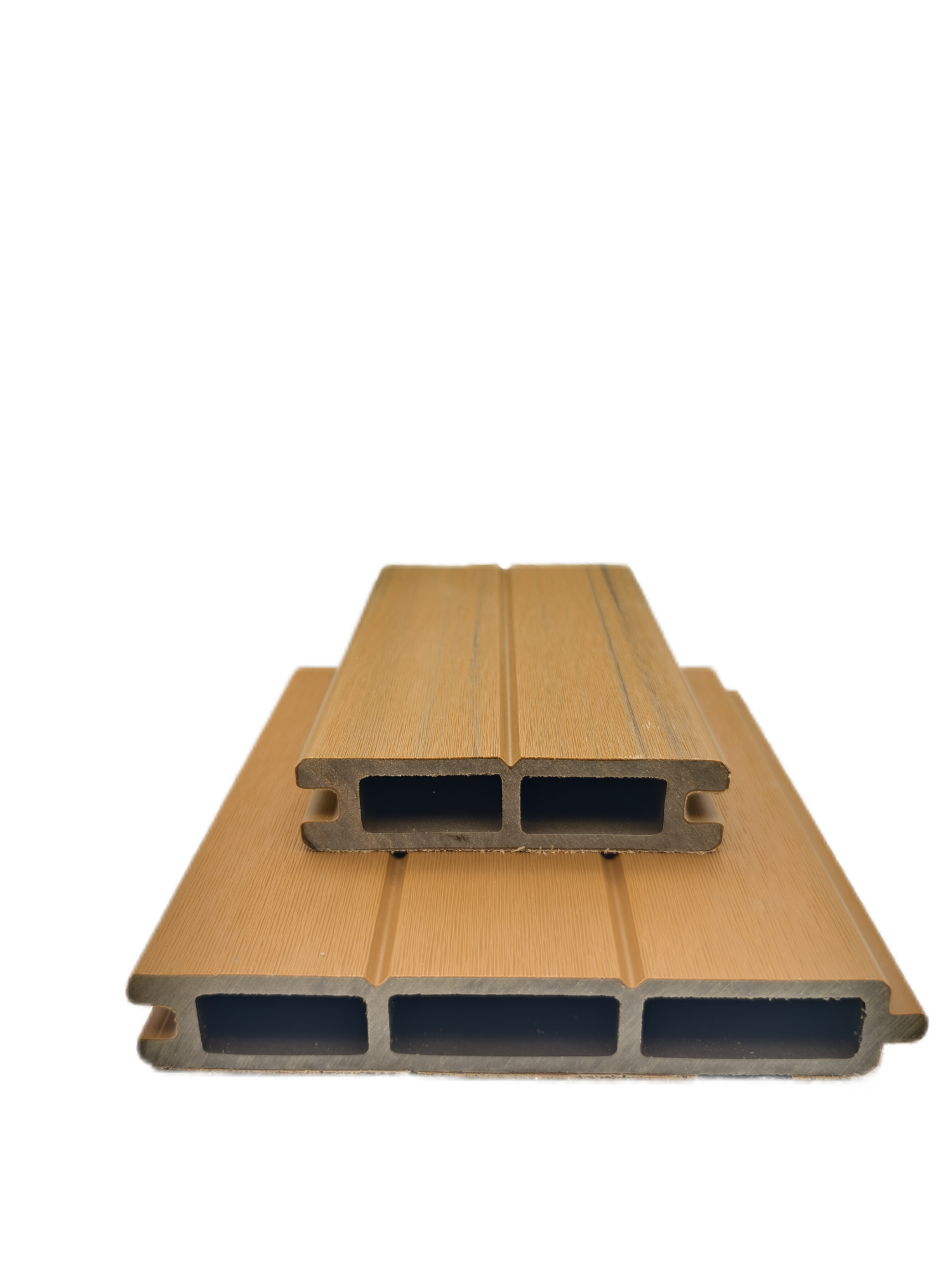
STEP1:Equipment Investment: International Standard Production LineThe company has invested 20 million yuan to build 40 extrusion production lines and 20 co-extrusion production lines, equipped with German imported laser coding machines, Swiss sanding machines, and other equipment, achieving full automation of the production process from raw material mixing to finished product packaging. The annual production capacity reaches 60,000 tons, with a daily output per line exceeding 15 tons. STEP2:Process Innovation: Five-layer Co-extrusion Technology. By adding a wear-resistant layer, UV-resistant layer, and color layer between the base material and surface layer, the surface hardness of the board is improved to 3H (pencil hardness test), the color fastness reaches level 8 (national standard requirement ≥ level 6), and supports customization of over 20 textures such as wood grain and stone grain. STEP 3:Quality Control System: Triple Inspection AssurancePrior to raw material storage, 12 tests including heavy metal content and formaldehyde emission are required; real-time monitoring of extrusion temperature (±1℃) and co-extrusion pressure (±0.5MPa) during production; before product shipment, 6 major tests including impact resistance, acid and alkali resistance, and hot and cold cycles must be completed, with the不合格品率 kept below 0.3%. Taking a villa project in Qingdao as an example, after using Linyi Xuancheng luxury co-extrusion series boards, the exterior maintenance cost has dropped from 50,000 yuan per year to 8,000 yuan, and no replacement is needed within 10 years.
FAQ Q&A Technical Selection Guide
Q1: How to choose the specifications of villa exterior panels?
A: According to the design requirements for building height and wind pressure, it is recommended to use boards with a thickness ≥18mm and width ≤200mm for residential buildings with 3 floors or less; for buildings above 3 floors, use boards with a thickness ≥25mm and width ≤150mm, and increase the spacing between the joists to 400mm. Linyi Xuan Cheng offers a full range of specifications from 12-30mm in thickness and 100-300mm in width, supporting customization according to project requirements.
Q2: What are the differences between co-extrusion technology and traditional wood-plastic composite boards?
A: Traditional wood plastic panels use single-layer extrusion technology, which is prone to surface wear and discoloration. The co-extrusion process, with a five-layer structure, achieves a surface layer thickness of 0.8mm (compared to 0.3mm in traditional processes), enhancing wear resistance by 3 times, and ensuring color durability for over 15 years. The Linyi Xuanqing co-extrusion series panels have passed the EU CE certification and can be used stably in environments ranging from -40℃ to 70℃.
Q3: How to calculate the amount of villa exterior paneling required?
A: The calculation formula for quantity is: Sheet quantity = External wall area ÷ (Sheet width × 0.95 wastage rate). For example, for a 1000㎡ external wall using 200mm wide sheets, the required quantity = 1000 ÷ (0.2 × 0.95) ≈ 5263 meters. Linyi Xuan Cheng offers free CAD layout services, which can accurately calculate the quantity and optimize the cutting plan, reducing over 10% material waste.
Q4: What are the technical points to pay attention to during sheet material installation?
A: STEP1: The base treatment needs to be flat, with an error ≤3mm/2m; STEP2: The spacing of the joists should be adjusted according to the board specifications, not exceeding 600mm in the maximum; STEP3: Stainless steel screws should be used for fixation, with an interval ≤300mm; STEP4: A 5mm expansion joint should be left at the closing end to prevent deformation caused by thermal expansion and contraction. Linyi Xuan Cheng provides full technical guidance, including on-site training and 24-hour online consultation.
Summary of the entire text
The selection of villa exterior panels should consider four major dimensions: performance, cost, environmental protection, and construction efficiency. Linyi Xuancheng New Material Co., Ltd. provides solutions for high-end residential projects with durability (impact strength of 8.5 kJ/㎡), environmental protection (formaldehyde emission ≤0.2 mg/L), and aesthetic appeal (over 20 custom textures) through five-layer co-extrusion technology, fully automated production lines, and a triple quality control system. Its products have passed authoritative certifications such as ISO 9001 and EU CE certification, and have been awarded titles like "China Green Environmental Protection Product" and "Top 10 China Wood-Plastic Floor Brands." With a cumulative service of over 500 villa projects nationwide, the customer repurchase rate reaches 85%. For more information, please visit our official website:www.triday-wpc.com