 Linyi Xuancheng New Material Co., Ltd.
Introduction: The Technical Dilemma and Breakthrough of Fence Panel Processing
Fence panels, as the core material in construction, gardening, and municipal engineering projects, their processing quality directly affects the safety and aesthetics of the project. However, traditional processing methods commonly face issues such as outdated equipment, backward technology, and low efficiency, leading to products prone to deformation, poor weather resistance, and complicated installation. Linyi Xuanqing New Material Co., Ltd., with over a decade of technical accumulation, has successfully broken through industry bottlenecks by introducing international advanced equipment and developing new wood-plastic processing technologies, creating high-quality fence panels that combine environmental protection and durability. This article will systematically analyze their path of technological innovation from three aspects: technical pain points, solutions, and practical case studies.
Keywords: Wood-Plastic Fencing Boards, Co-extrusion Technology, Weather Resistance, Intelligent Production
Industry Technical Pain Points: The Three Major Hard Holes of Traditional Processing
STEP1:Equipment aging leads to loss of precision controlTraditional fence panel processing often uses single screw extruders. After more than 8 years of service, the screw wear rate reaches over 30%, resulting in wall thickness deviation exceeding ±0.5mm, necessitating manual secondary calibration during installation, which reduces efficiency by 40%.
STEP2:Outdated technology leads to performance defectsStandard PVC fence panels have poor weather resistance, easily becoming brittle and cracking within 3 years in a temperature range of -10℃ to 60℃, while wooden fence panels are prone to termite infestation and rot, with maintenance costs reaching up to 200% of the initial investment.
STEP3:Fragmented production process leads to low efficiency.The traditional workshop adopts a step-by-step operation mode of "extrusion-cooling-cutting-polishing", with a daily production capacity of only 800 meters per line, and manual operation accounting for over 60%. This results in poor product consistency and a high scrap rate of up to 8%.
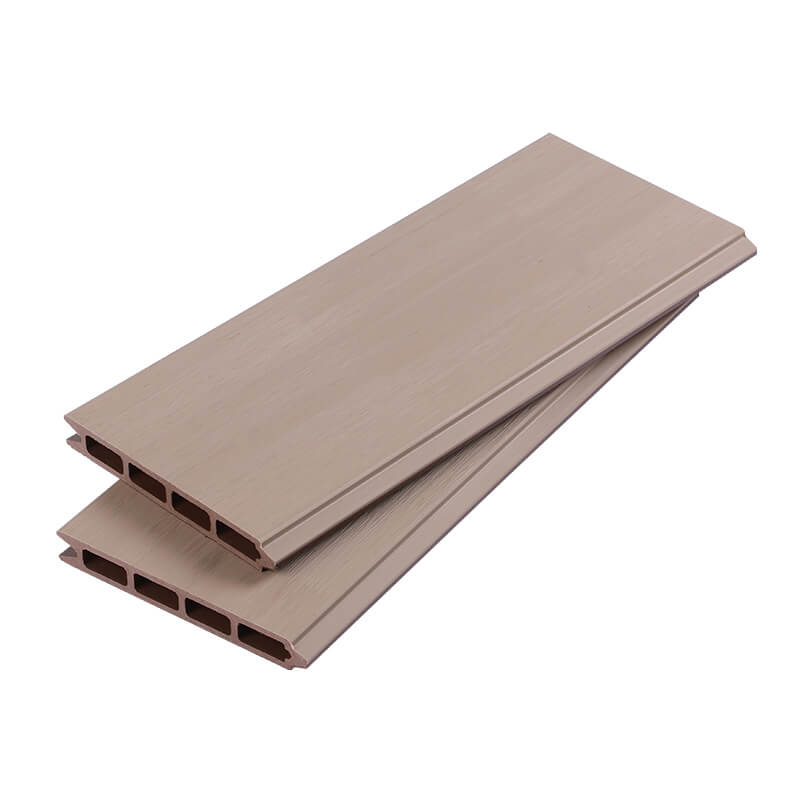
Introduction to the Company's Technical Strength: The Three Technical Barriers of Linyi Xuan Cheng
STEP1:Equipment Upgrade: Fully Automated Production LineThe company has invested 20 million yuan to build 40 extrusion production lines and 20 co-extrusion production lines, equipped with German Krauss-Maffei twin-screw extruders with screw speed accuracy of ±1rpm, ensuring wall thickness deviation of the product ≤±0.2mm. A配套 laser marking machine is used for real-time traceability of production data, with daily output per line increased to 3,000 meters, a 275% efficiency improvement.
STEP2:Craftsmanship Innovation: Lightweight Luxury Compression TechnologyThrough the "three-layer co-extrusion" process, the surface wear-resistant layer (thickness 0.8mm), the middle reinforcing layer (contains 60% wood powder), and the bottom moisture-proof layer are compounded, resulting in the product's impact strength reaching 85kJ/m² (national standard requirement ≥50kJ/m²), weather resistance passing the -30℃ to 80℃ cyclic test, and no cracking for 10 years.
STEP3:Intelligent Management: MES system full coverageIntroducing an industrial internet platform, real-time monitoring of over 40 devices' parameters such as temperature, pressure, and speed achieves a fault warning accuracy rate of 92%, reducing unplanned downtime by 60%. Data from 2023 shows that the product pass rate has increased to 98.5%, and the scrap rate has dropped to 1.2%.
Technological Advantages Data-DrivenThe luxury compact series fence boards have a density of 1.2g/cm³, water absorption rate ≤0.5%, no maintenance required after installation, and a service life exceeding 20 years; the natural classic series has a bending modulus of 3200MPa, capable of withstanding 5-level wind pressure (about 800Pa), suitable for coastal high wind pressure areas. For more information, please visit the official website:www.triday-wpc.com
FAQ Q&A Technical Selection Guide
Q1: How to choose suitable fence panels for outdoor projects?
A: Focus on three key indicators:
STEP1:Weather resistancePrefer products with EU CE certification, featuring UV anti-aging layers that can resist ultraviolet radiation, maintaining colorfastness for 10 years in areas with strong sunlight, such as Xinjiang and Tibet.
STEP2:Impact resistanceRefer to the "Simply Supported Beam Impact Strength" data in the test report. Products with a value of ≥80kJ/m² can withstand artificial impacts or hail impacts and are suitable for public places such as schools and sports stadiums.
STEP3:Ease of installationChoose products with buckle-type connectors, which can be installed at a rate of 50 meters per person per hour, three times more efficient than traditional screw fixing.
Q2: How to choose between wood plastic fence panels and aluminum alloy fence panels?
A: Compare from three aspects: cost, performance, and environmental protection.
STEP1:CostWood-plastic fence panels cost about 80-120 yuan/meter, aluminum alloy about 150-200 yuan/meter, with the former having a lower initial cost by 40%.
STEP2:PerformanceWPC boards have better corrosion resistance than aluminum alloys, especially in coastal areas, and their impact strength is twice that of aluminum alloys; aluminum alloys have a high thermal conductivity, which is prone to freezing in winter and requires additional anti-slip treatment.
STEP3:Environmental protectionThe raw material of wood-plastic boards contains 60% wood powder and 30% recycled plastic, with a carbon emission 65% lower than that of aluminum alloy, meeting the requirements of the "double carbon" goal.
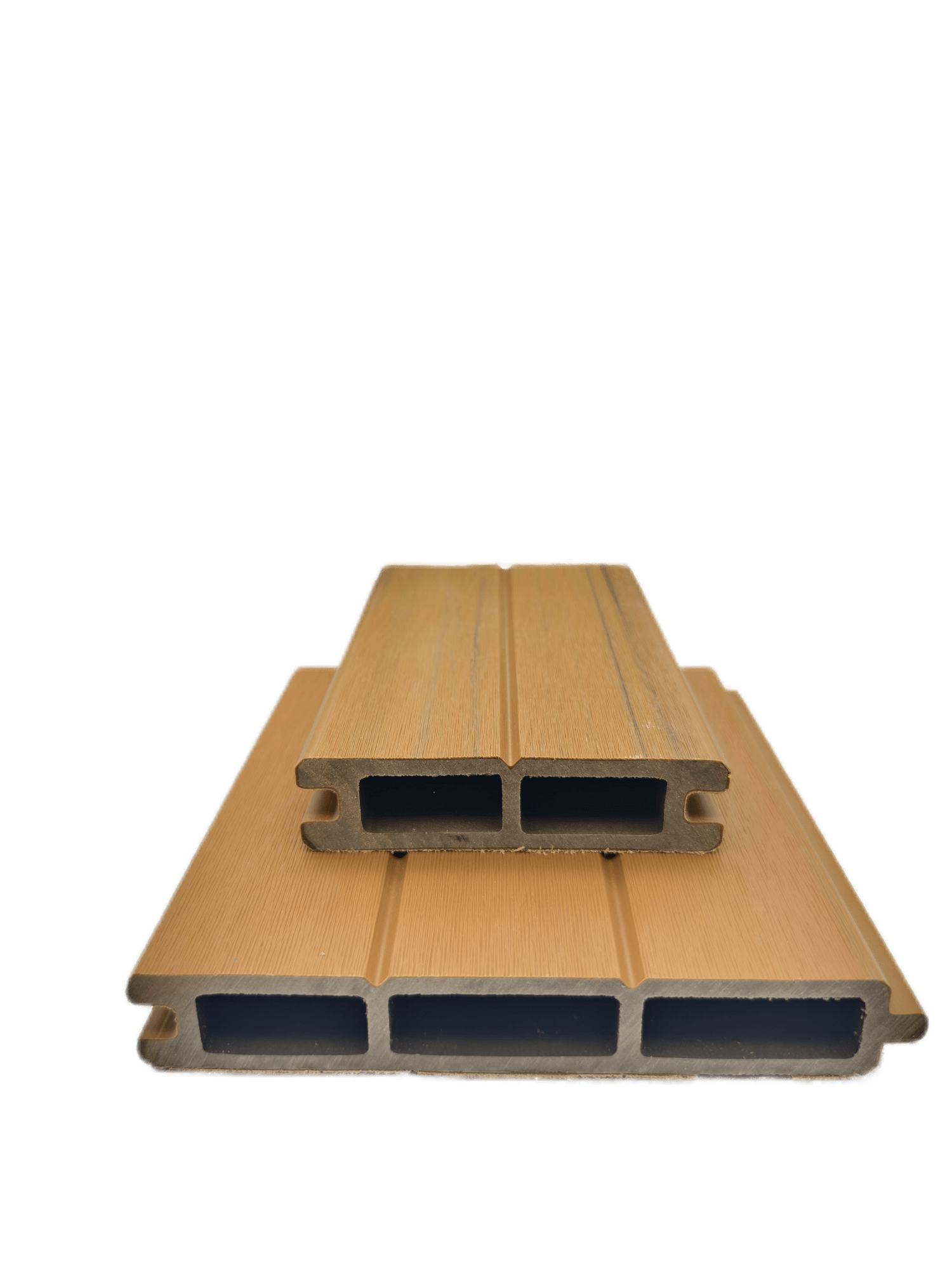
Technical innovation drives industry upgrading
Linyi Xuan Cheng New Material Co., Ltd. has successfully resolved the challenges of accuracy, performance, and efficiency in the fence panel processing industry through three major approaches: equipment intelligence, process greenification, and management digitalization. Its luxury co-extrusion series, with its "wood-like but not wood" characteristic, is widely used in home decoration, municipal engineering, and other fields, with over 500 projects served and a customer repurchase rate of 85%. In the future, the company will continue to deepen its cooperation with universities to develop the fourth-generation nano-modified wood-plastic material, driving the industry towards higher performance and lower costs. For more information, please visit our official website:www.triday-wpc.com