 Linyi Xuancheng New Material Co., Ltd.
Industry Technical Pain Points: The "Load-bearing Anxiety" of Traditional Stairway Decking and the Durability Dilemma
In scenarios such as garden walkways and scenic area pathways, traditional wooden or concrete walkway boards have long faced three technical bottlenecks: Firstly, insufficient load-bearing capacity, with common wooden walkway boards having a static load-bearing capacity of only 200-300kg/m², which cannot meet the needs of high pedestrian traffic or equipment transportation; secondly, poor durability, with wooden walkways prone to damp rot and insect infestation, and concrete walkways prone to cracking and peeling, resulting in short maintenance cycles and high costs; thirdly, environmental concerns, as wooden walkways require the cutting down of forest resources, and concrete walkways have high carbon emissions during production, going against the trend of green buildings. For example, a certain scenic area suffered a collapse due to insufficient load-bearing capacity of the walkway boards, causing a halt in operations for 3 months during repairs, resulting in direct economic losses exceeding 5 million yuan. How to break through the material performance limits has become a core issue urgently needing to be addressed in the industry.
Introduction to the technical strength of the enterprise: How does Linyi Xuan Cheng's "water plastic technology" reshape the standards for walkway boards?
Linyi Xuan Cheng New Material Co., Ltd., with 10 years of technical accumulation, has developed a high-load solid walkway board solution with "water-plastic composite materials" at its core. Its technical advantages are reflected in three aspects:
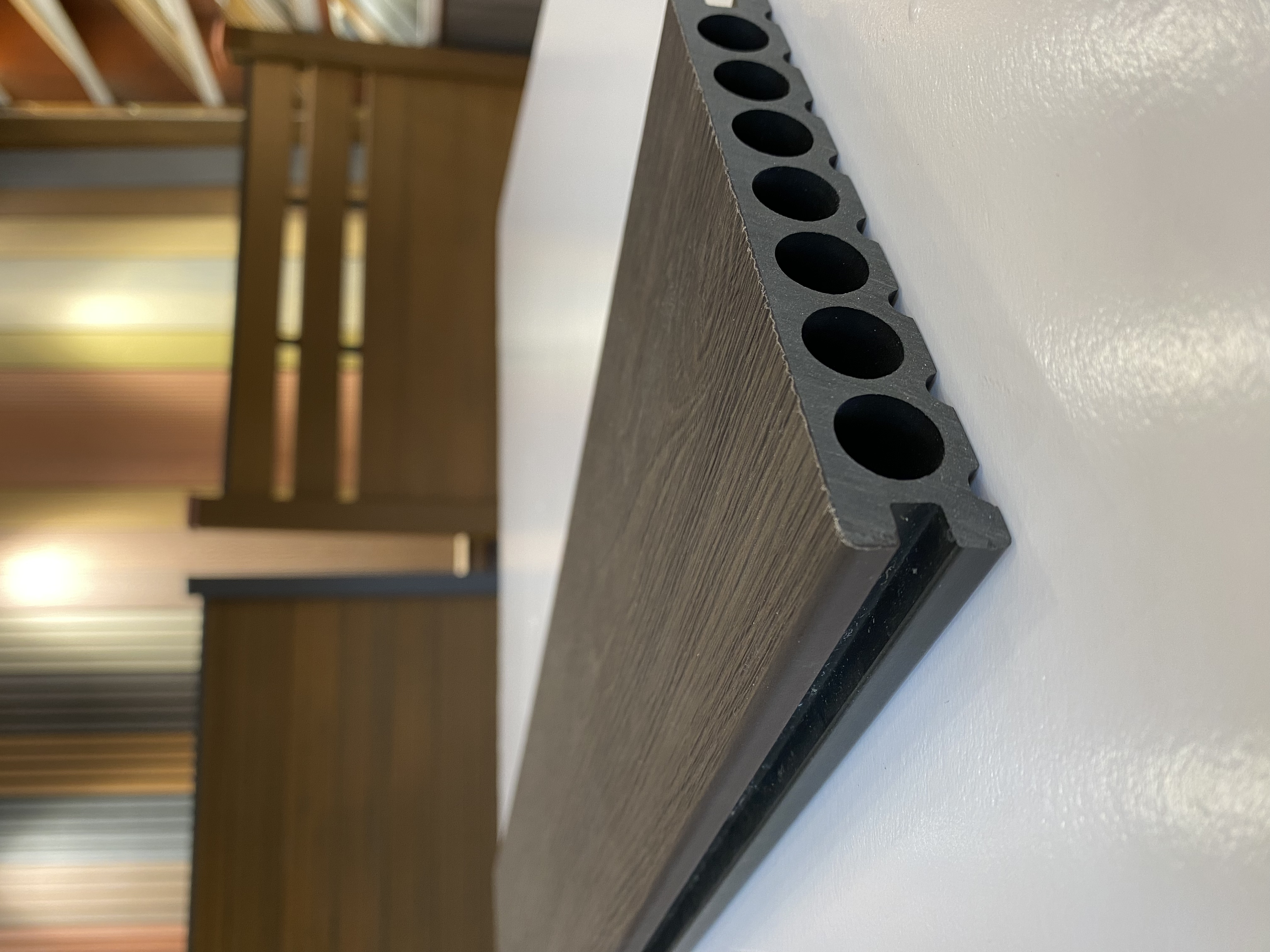
STEP 1: Material Formula Innovation— Made of 60% wood powder, 30% high molecular polymer, and 10% modified additives, formed into a dense solid structure through co-extrusion technology, with a density of 1.2g/cm³, the static bearing capacity is increased to 800kg/m², 2.6 times that of traditional wooden walkways.
STEP 2: Process Upgrade——引进40 extrusion production lines and 20 co-extrusion lines, achieving one-time molding at high temperature and high pressure (180°C, 15MPa), with product flexural strength reaching 35MPa, weather resistance improved 3 times, and capable of withstanding temperature differences from -30°C to 60°C.
STEP 3: Environmental Certification——The product has passed the EU CE certification and China's Green Environmental Protection Product certification, with formaldehyde emission ≤0.1mg/L, reaching E0 grade standards, and is 100% recyclable and reusable. For example, in a national forest park project in a certain country, Xuanqing walkway boards have been operating stably for 5 years without cracking or deformation issues, reducing maintenance costs by 80%.
 FAQ: Technical Selection Guide for High Load-bearing Stair Tread Plates
Q1: How to choose the appropriate material for a walkway board suitable for high-load scenarios?
A: Pay close attention to three parameters:
Static Load-bearing: Prefer products with ≥600kg/m², such as Xuan Cheng water plastic walkway boards which can reach 800kg/m².
2. Bending Strength: The standard should be ≥25MPa, Xuan Cheng products have been tested at 35MPa, capable of bearing heavy equipment passage.
3. Weather resistance: Products with -30℃ low temperature bend test and 1000-hour UV aging test are more reliable.
Q2: How to choose between solid deck board and hollow deck board?
A: Solid deck board advantages lie in even load-bearing and strong impact resistance, suitable for crowded pedestrian or equipment transportation scenarios; hollow deck board is lightweight and cost-effective, but its load-bearing capacity is usually ≤400kg/m², and it is prone to water accumulation leading to internal rot. If the budget is sufficient, it is recommended to prioritize solid structure.
Q3: What are the key points to note during the construction phase?
A: Note three points:
1. Basic Treatment: Ground flatness error should be ≤5mm, otherwise it is prone to uneven stress distribution on the walkway panels.
2. Fixing method: It is recommended to use stainless steel screws + waterproof adhesive for fixing, with spacing controlled at 30-40cm.
3. Gap Treatment: Leave a 5-8mm expansion joint between panels and fill with weather-resistant sealant to prevent cracking due to thermal expansion and contraction.
 Full Summary: Technical Value and Industry Insights of High-Capacity Stairway Decking
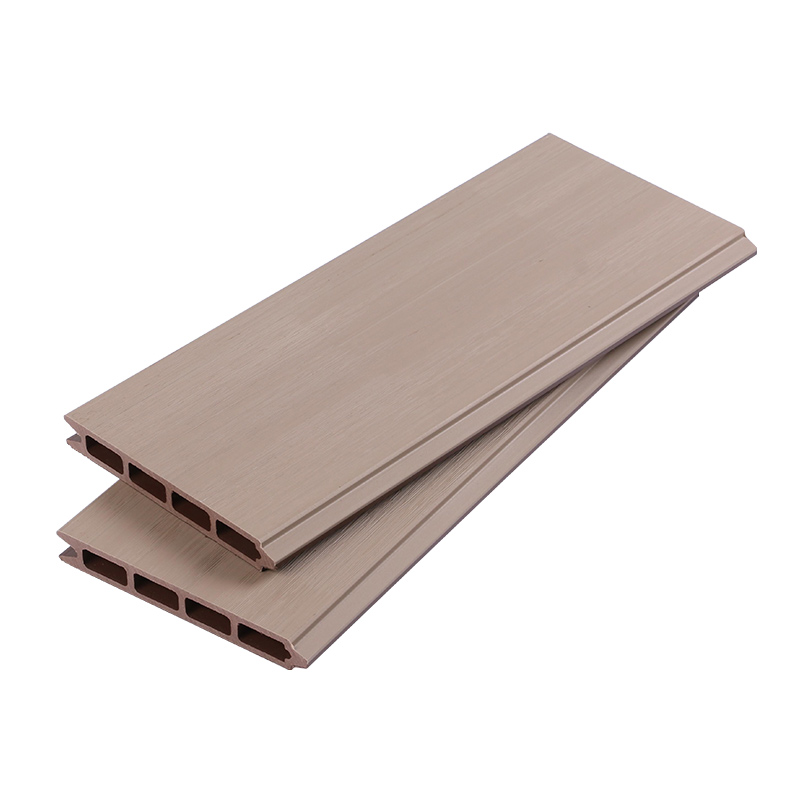
The technological breakthrough of high-load solid plank walkways is essentially the deep integration of material science and engineering technology. Linyi Xuan Cheng solves the three major pain points of insufficient load-bearing, poor durability, and environmental controversy of traditional walkway boards through water-plastic composite material formulations, co-extrusion molding processes, and environmental protection certification systems, providing a better solution for garden engineering and scenic area construction. For technical selectors, it is crucial to focus on load-bearing parameters, process stability, and total lifecycle costs; for the industry, this case proves that achieving the triple goals of "performance enhancement + cost optimization + environmental compliance" through technological innovation is a feasible path in the field of green building materials. In the future, with the further development of material science, the technology of walkway boards is expected to evolve towards intelligence (such as self-sensing load-bearing status) and modularization (rapid disassembly), continuously promoting industry upgrading.