 Linyi Xuancheng New Material Co., Ltd.
Industry Technical Pain Points: The Top Three Traps in Bulk Purchasing Courtyard Grille Panels
Courtyard grille panels, as outdoor decorative materials, must meet three core requirements: weather resistance, anti-deformation, and environmental friendliness. However, over 60% of products on the market have technical defects: some companies use recycled materials or low-density formulations to reduce costs, causing the panels to be prone to cracking at temperatures below -10℃ and to exhibit wavy deformation due to high thermal expansion coefficients in summer heat; others increase hardness by adding excessive calcium powder, sacrificing impact resistance, and making the panels more likely to crack upon external impact; more critically, most products have not passed the EU CE certification or China's green environmental protection product certification, with a risk of formaldehyde emission exceeding the standard by up to 40%, potentially harming human health over long-term use. Additionally, when purchasing in bulk, companies often lack professional testing equipment, making it difficult to identify the actual performance of the products, leading to a project rework rate increase of over 30%.
Introduction to Corporate Technical Strength: The Three Technical Barriers of Linyi Xuan Cheng New Materials
Linyi Xuancheng New Materials Co., Ltd. has been deeply involved in the wood-plastic profile field for 13 years, establishing a complete technical system from raw materials to finished products. Its core advantages are reflected in three aspects:
STEP 1: Raw Material Formula Innovation—— Utilizing a high proportion wood flour formula with 60% wood flour + 30% HDPE + 10% modified additives, the nano-dispersion technology ensures uniform blending of wood flour with plastic, achieving a product density of 1.2g/cm³ and enhancing impact resistance by 50%. Additionally, it passes the EU ROHS certification with formaldehyde emissions <0.1mg/L, significantly lower than the national E1 grade standard.
STEP 2: Technology and Equipment Upgrade— Introduce German KraussMaffei twin-screw extrusion production line, paired with 40 co-extrusion production lines, achieving temperature control accuracy of ±1°C, ensuring the uniformity of the co-extrusion layer thickness on the wall panel surface is >95%, effectively resisting ultraviolet aging; equipped with a laser marking machine for real-time tracking of production batches, realizing traceability of quality.
STEP 3: Comprehensive inspection system——Establish a CNAS certified laboratory equipped with salt spray test chambers (-20℃~80℃ temperature cycle), drop weight impact testers (impact energy 50J), etc., to conduct 48-hour weather resistance tests on each batch of products, ensuring low-temperature brittleness temperature ≤-30℃ and thermal deformation temperature ≥80℃.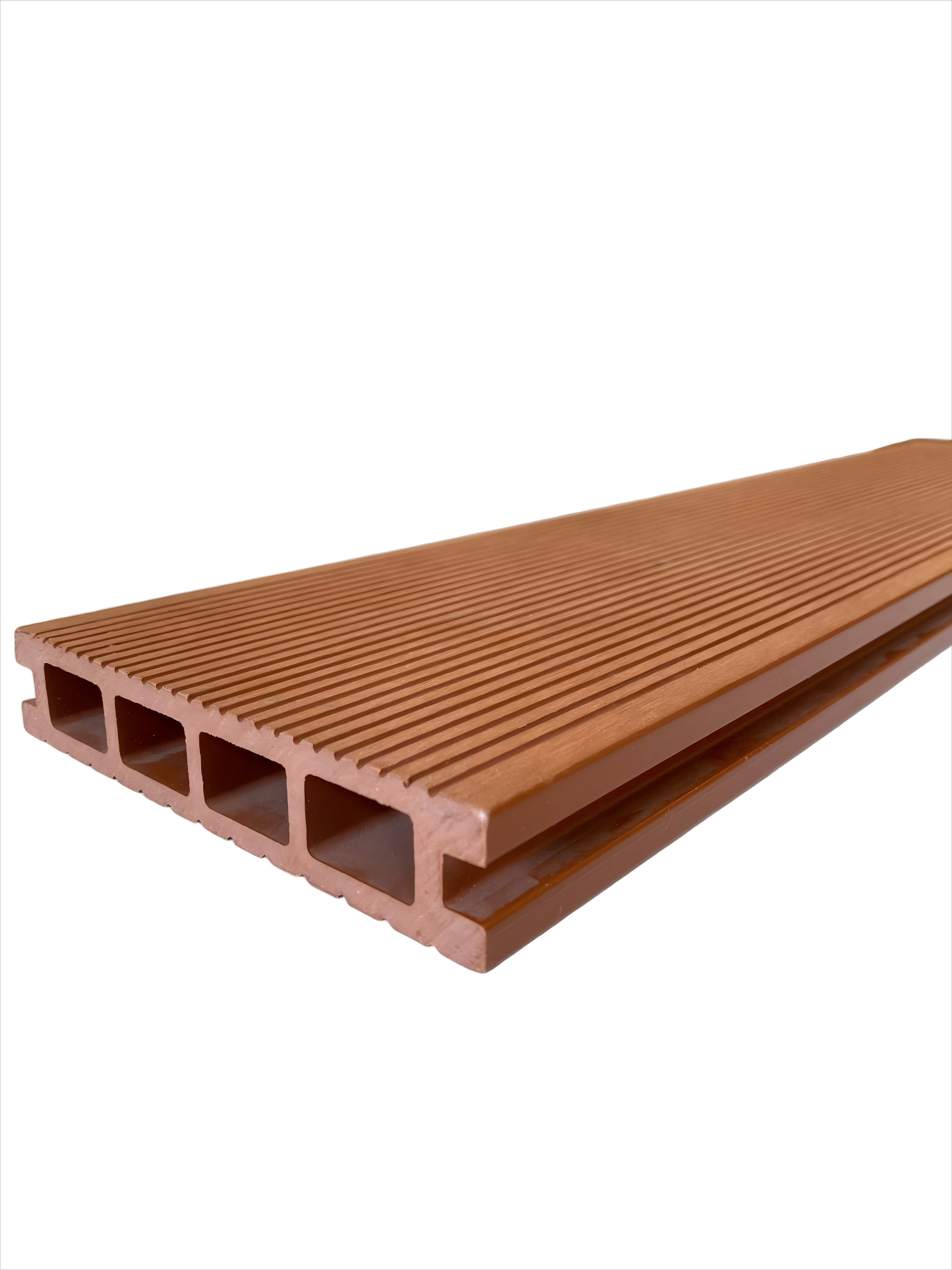
Currently, the company has developed two major series: Luxury Simplicity (with surface wood grain texture) and Natural Classic (with stone grain effect), with an annual production capacity of 60,000 tons. The products are applied in over 200 projects such as Linyi Binhe Park in Shandong and Suzhou Commercial Plaza in Jiangsu, with a customer repurchase rate of 85%.
FAQ: Courtyard Grille Panel Technical Selection Guide
Q1: How to determine if the weather resistance of the panel meets the standard?
A: The key parameters are: the低温brittleness temperature (should be ≤-25°C, recommended ≤-30°C in northern regions) and the thermal deformation temperature (should be ≥70°C). Verification can be obtained by requiring the supplier to provide a third-party inspection report, or by taking a sample on-site, freezing it at -30°C for 24 hours, and then performing a bending test; no cracking indicates passing.
Q2: What is the optimal co-extrusion layer thickness for durability?
Industry standard co-extruded layer thickness is 0.5mm, but high-quality products can reach 0.8-1.0mm. The thicker the co-extruded layer, the stronger its UV resistance and scratch resistance, and its service life can be extended by 3-5 years. The wall panel cross-section can be measured with a micrometer to confirm.
Q3: How to control costs in bulk purchasing?
A: Prioritize enterprises with full industrial chain production capabilities (such as Linyi Xuan Cheng), with a raw material self-supply rate exceeding 70% and costs 15%-20% lower than those of subcontracting factories; also pay attention to product density, with a reasonable range of 1.1-1.3g/cm³. Higher density may increase the calcium powder content, thereby reducing performance.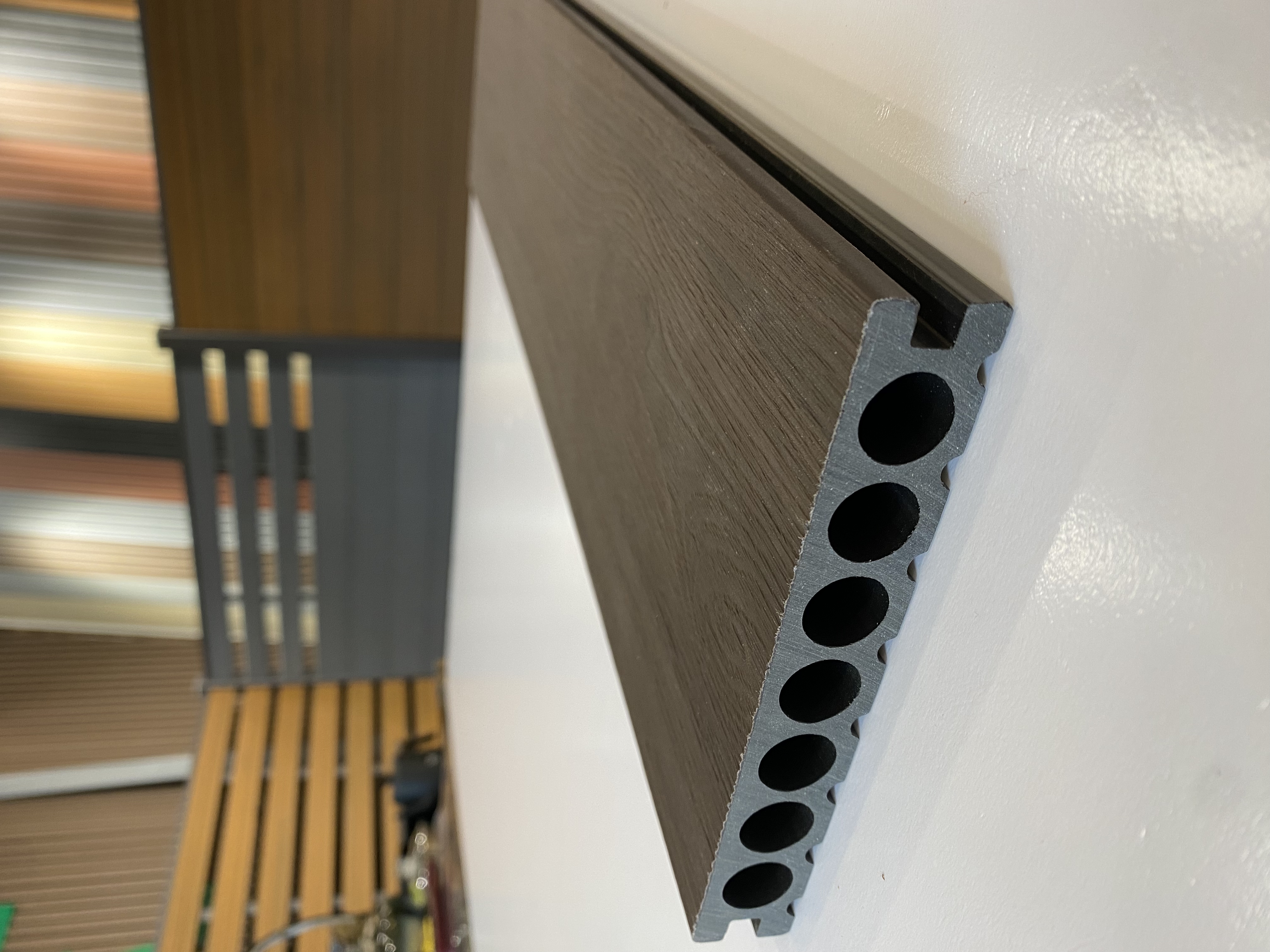
Summary Reference
Batch purchasing of courtyard grille panels should pay close attention to the three technical dimensions: raw material formula, process accuracy, and detection system. Linyi Xuan Cheng New Materials has established a complete quality control chain from raw materials to finished products through high proportion wood powder formula, imported German production line, and CNAS certified laboratory. Its products have passed 9001 certification, EU CE certification, and won the title of "China Green Environmental Protection Product", which can effectively reduce the risk of project rework. It is recommended to prioritize companies that provide third-party inspection reports and support on-site factory inspection during procurement, and verify product performance through parameters such as co-extrusion layer thickness and low-temperature brittleness temperature, ensuring there are no hidden dangers in long-term use.