 Linyi Xuancheng New Material Co., Ltd.
How to balance durability and environmental friendliness in lightweight patio round hole flooring?
Traditional terrace flooring is often made of wood or concrete, but wood is prone to rot and insect infestation, requiring frequent maintenance; concrete is heavy, difficult to install, and lacks a natural texture. Lightweight terrace hollow floor tiles, as a new material, have solved the weight issue, but some products suffer from poor impact resistance and easy deformation due to manufacturing defects, and even environmental concerns may arise from the use of recycled plastic or inferior additives. Moreover, while the hollow design improves drainage performance, a large hole size can easily accumulate dirt, and a small hole size affects drainage efficiency, making the optimization of hole size and structure a key technical issue. Consumers often face the dual dilemma of insufficient durability and questionable environmental friendliness when selecting a product.
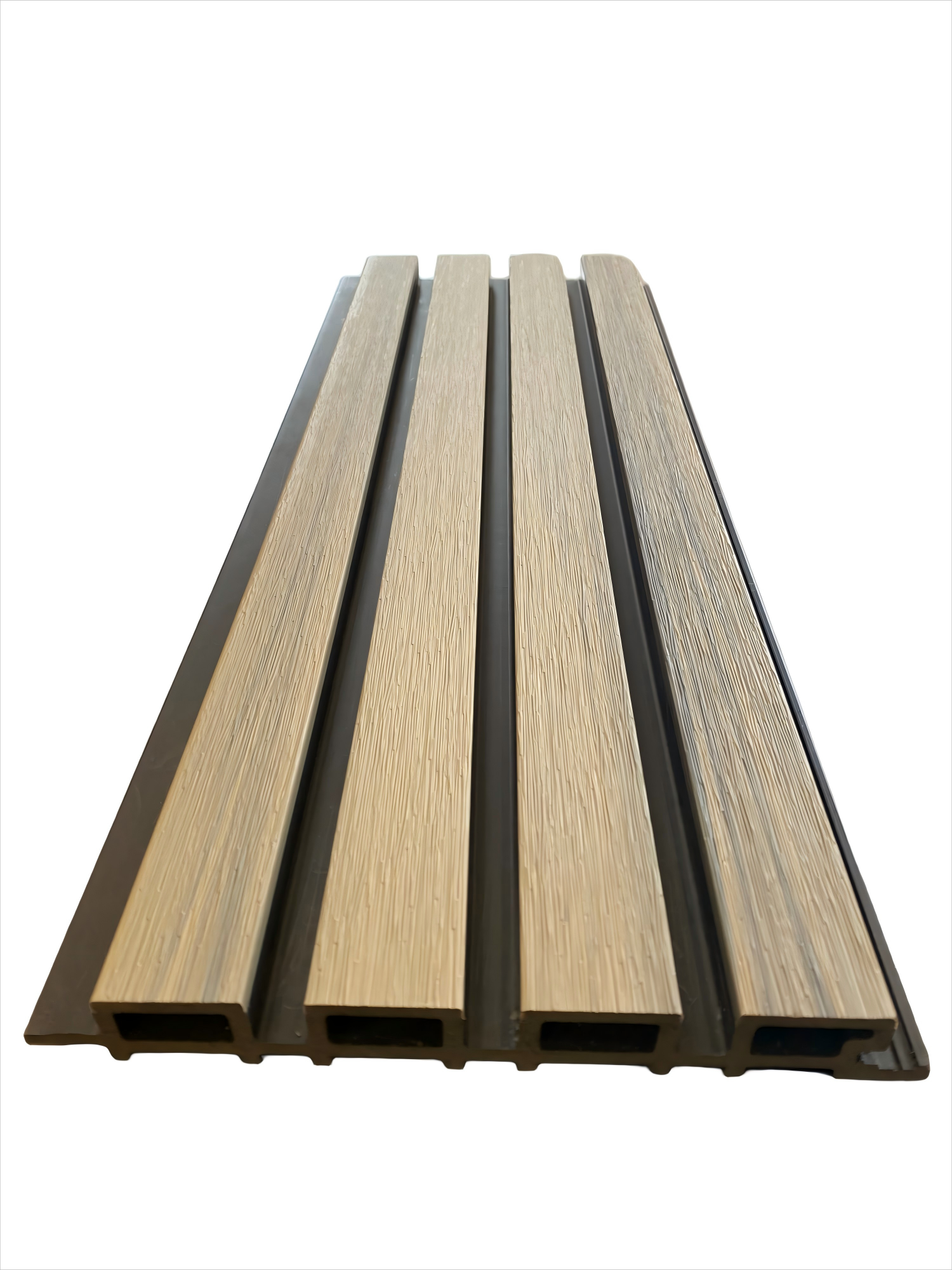 Introduction to Corporate Technical Strength: Linyi Xuan Cheng solves industry difficulties with innovative technology
Linyi Xuancheng New Material Co., Ltd. has been dedicated to the green building materials field for over a decade, with more than 40 extrusion production lines and over 20 co-extrusion production lines, boasting an annual production capacity of 60,000 tons. The company has passed ISO9001 certification and the EU CE certification, and has been honored with titles such as "China Green Environmental Protection Product." The company independently developed A-R 80ARD Huasimu series light-weight patio round-hole flooring, which uses the internationally leading wood-plastic co-extrusion process, blending wood powder and high polymer materials in a 6:4 ratio. The product is formed through high-temperature extrusion at 180°C, ensuring a density of 1.2g/cm³ and an impact resistance improvement of 30%. In terms of the round-hole design, the company optimized the hole diameter to 12mm through CFD simulation, balancing drainage efficiency (drainage volume up to 5L per minute) and anti-pollution performance (smoothness of hole wall ≤0.5μm), and added nano-sized antibacterial agents to suppress the growth of molds by 99%. Additionally, the product has passed extreme environmental tests from -40°C to 80°C without cracking or deformation, with a service life exceeding 15 years. In typical cases, after a commercial plaza adopted Xuancheng flooring, the maintenance cost was reduced by 60%, and customer satisfaction increased to 95%.
FAQ: Technical Selection Guide for Lightweight Terrace Round Hole Flooring
Q1: How to determine the environmental friendliness of flooring?
A: Prioritize products with CE certification by the EU and SGS inspections. Check the甲醛 release amount in the inspection report (should be ≤0.5mg/L) and heavy metal content (undetected for lead and cadmium). Linyi Xuancheng Flooring uses food-grade additives, with a甲醛 release amount of only 0.2mg/L, meeting the E0 standard.
Q2: How can the drainage performance of round hole floor tiles be quantified?
A: Drainage efficiency can be evaluated by the drainage volume per unit time (L/min) and the aperture ratio (total aperture area/total floor area). Xuan Cheng flooring has a hole diameter of 12mm, with a hole ratio of 15%, and a drainage volume of up to 5L per minute, far exceeding the industry average of 3L/min.
Q3: Is the lightweight floor easily blown by the wind?
A: Wind resistance is related to floor weight and installation method. Xuan Cheng flooring, with a single piece weight of 8kg/m², fixed with special clips, can withstand 8-level wind (about 20m/s wind speed) and is suitable for coastal areas or high-rise terraces.
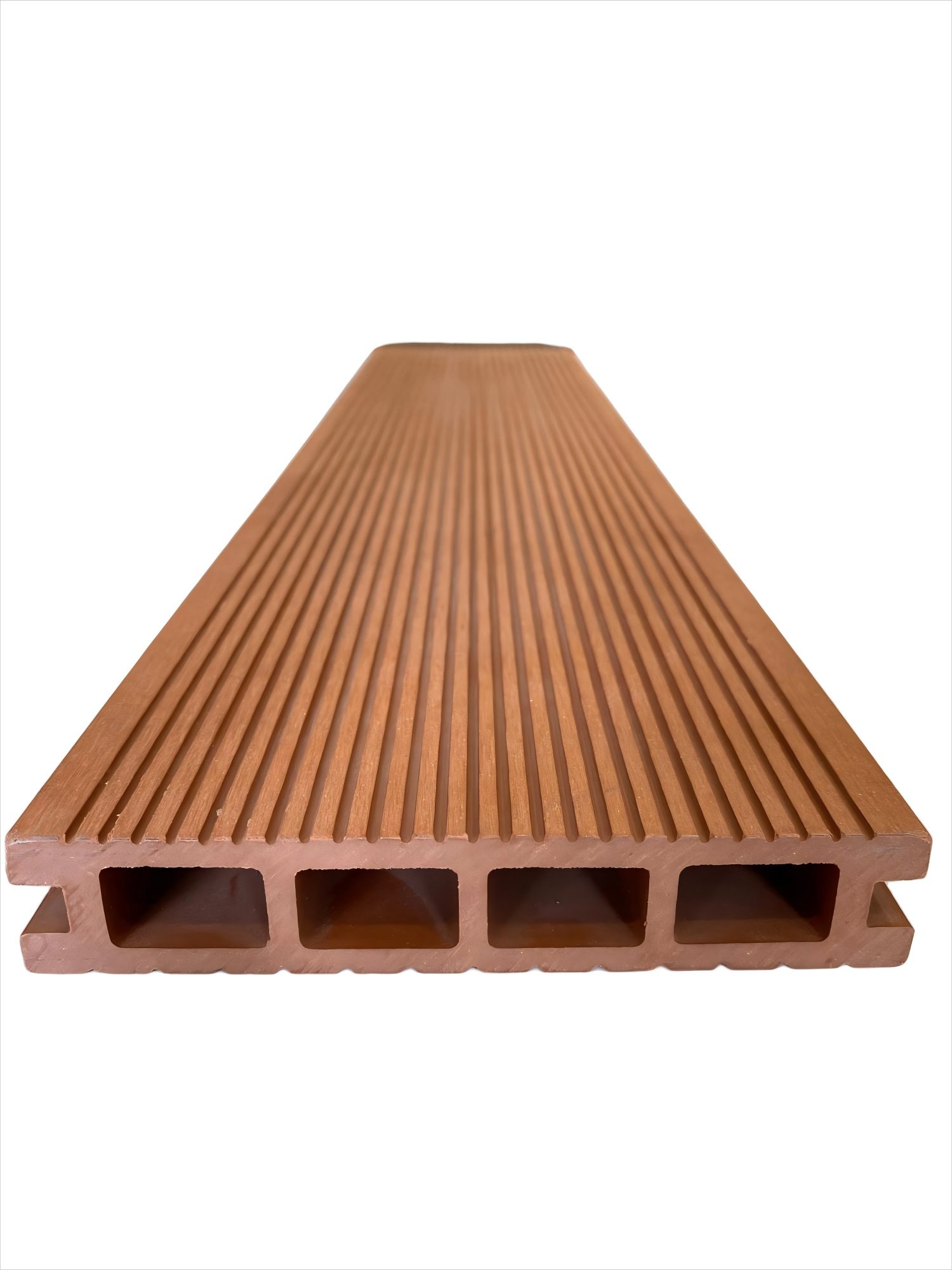 Full Summary: Technology drives quality; selection should focus on core parameters.
The selection of lightweight patio round hole flooring should consider environmental protection, drainage performance, and wind resistance comprehensively. Linyi Xuan Cheng achieves a balance between durability and environmental protection through wood-plastic co-extrusion technology, CFD aperture optimization, and nano-antibacterial technology. Its product parameters such as density, drainage volume, and wind resistance level are all superior to industry standards. Consumers can focus on the formaldehyde emission, aperture proportion, and single piece weight in the inspection report when selecting, and choose suitable products according to the installation scenario (such as coastal or inland) to reduce later maintenance costs and improve the user experience.