 Linyi Xuancheng New Material Co., Ltd.
Industry Technical Pain Points: The "Stranglehold" Problem of Round Hole Wood-Plastic Flooring
Round hole wood-plastic flooring, as a new type of environmentally friendly building material, is widely used in home decoration, commercial squares, and garden engineering due to its advantages such as green environmental protection and durability without maintenance. However, the industry has long been faced with three major technical pain points: Firstly, traditional production processes lead to uneven flooring density, prone to cracking and deformation, especially in outdoor scenes with large temperature differences, significantly shortening the service life; secondly, the surface wear resistance is insufficient, and it is easy to appear scratches after long-term use, affecting aesthetics and practicality; thirdly, the installation efficiency is low, and the traditional clip design requires high construction accuracy, resulting in a high rate of rework and increased project costs. Taking a commercial square project as an example, due to the selection of low-quality wood-plastic flooring, a large area of cracking appeared within two years, and the maintenance cost exceeded 30% of the original budget, exposing the urgency of technological upgrading in the industry.
Introduction to Corporate Technical Strength: Linyi Xuancheng's "Core" Solutions
Linyi Xuancheng New Material Co., Ltd. has always focused on technological innovation in green building materials since its establishment in 2013, breaking through industry technical bottlenecks through the triple guarantee of "equipment + technology + certification".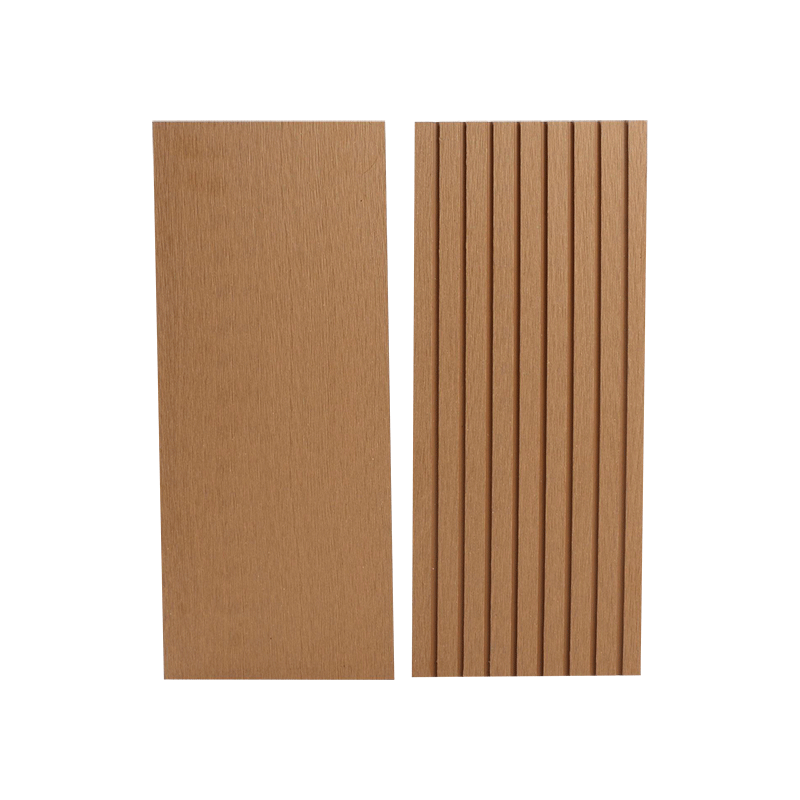
At the equipment level, the company has invested 20 million yuan to build a modern production workshop, introducing over 40 extrusion production lines and over 20 co-extrusion production lines, along with equipment such as laser coding machines and sanding machines, achieving full-process automation control from raw material mixing to finished product packaging, with production efficiency increased by 40%. Technically, the latest co-extrusion technology is adopted internationally, integrating the surface wear-resistant layer and the base structural layer into one through a double-layer extrusion process, making the floor surface hardness reach 6H (pencil hardness standard), with wear resistance improved by 3 times; at the same time, by optimizing the distribution design of circular holes, the uniformity of floor density is controlled within ±2%, significantly enhancing the anti-deformation capability. Taking the company's main product "A-R 80ARD Flower Four Wood" luxury co-extrusion series as an example, its weather resistance test shows that under a temperature difference environment of -30℃ to 60℃, continuous use for 5 years without cracking or deformation, with a lifespan twice that of traditional products. In addition, the company has obtained certifications such as ISO9001, EU CE, and awards such as "China Green Environmental Protection Product" and "Top Ten Brands of China Wood Plastic Flooring", with its technical strength widely recognized in the industry.
FAQ: Round Hole WPC Flooring Technical Selection Guide
Q1: How to determine if the wear resistance of wood-plastic flooring meets the standard?
A: Wear resistance is one of the core indicators of wood-plastic flooring, which can be quickly judged through the "pencil hardness test." The surface hardness of high-quality products should reach above 5H (Linyi Xuan Cheng products reach 6H), capable of withstanding scratches from daily furniture movement, sole friction, etc. In addition, you can request the manufacturer to provide wear resistance rotation test reports. The industry standard requires ≥6000 rotations, with the actual test of Xuan Cheng products reaching 8000 rotations, suitable for high-flow commercial environments.
Q2: How does the round hole design affect the floor performance?
A: The round hole design directly affects the evenness of the floor's density and drainage performance. Reasonably distributed round holes (such as Xuan Cheng's "honeycomb" hole spacing design with a hole diameter of 3mm and a hole spacing of 15mm) can reduce the floor weight (30% lighter than solid boards) while ensuring structural strength. Additionally, the round holes can accelerate rainwater penetration, prevent waterlogging that leads to subgrade corrosion, and are particularly suitable for outdoor garden projects.
Q3: Common issues during installation and their solutions?
A: Low installation efficiency is one of the pain points in the industry. Xuan Cheng optimizes the clip design (using the "double swallow tail groove" structure), raising the tolerance for floor joint errors to ±0.5mm, improving construction efficiency by 50%; in case of uneven ground, a 3mm thick rubber pad can be used for adjustment to avoid forced敲击 causing clip breakage.
Summary: Technology-driven, the future path of green building materials
The technical upgrade of round hole wood-plastic flooring is essentially a deep match between "material properties" and "application scenarios." Linyi Xuancheng has resolved long-existing pain points in the industry such as cracking, insufficient wear resistance, and inefficient installation through equipment automation, process co-extrusion, and scientific design. Its products have been widely used in home decoration, commercial plazas, government garden projects, and other fields, with a cumulative number of service projects exceeding 1000 and a customer repurchase rate of 85%.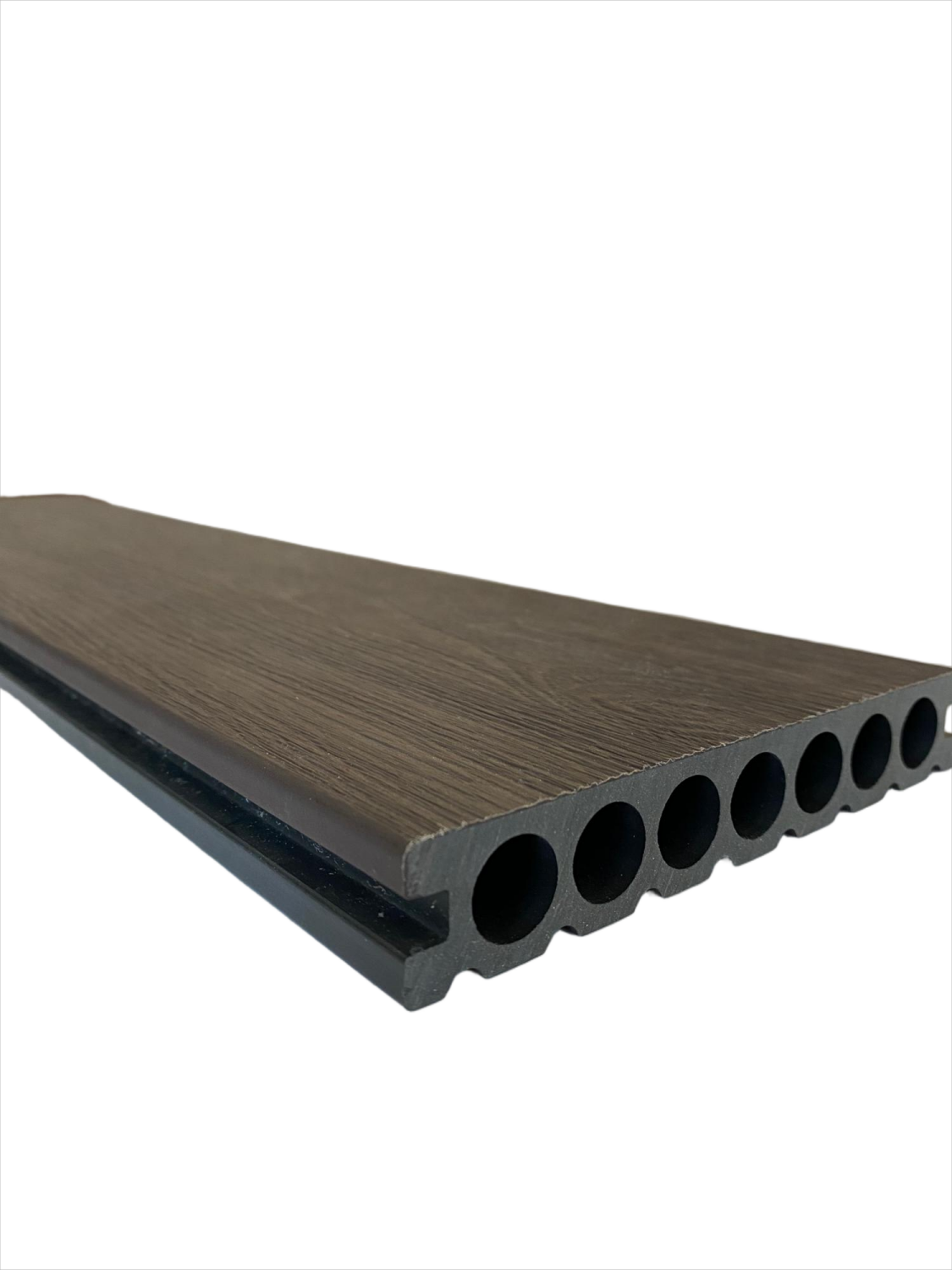
In the future, with the advancement of the "dual carbon" goal, the demand for green building materials will continue to grow. Xuan Cheng will continue to drive innovation, focusing on directions such as "improved weather resistance" and "lightweight design," to provide the industry with higher-quality and more efficient solutions, contributing to the construction of green and healthy new lifestyles.