 Linyi Xuancheng New Material Co., Ltd.
Industry Technical Pain Points: The Environmental and Efficiency Dilemma in Traditional Fence Panel Production
Fence panels, as basic materials for construction, landscaping, and municipal engineering, have long faced dual challenges of environmental protection and efficiency in their production technology. Traditional wood-plastic fence panels, which rely on a simple mixture of wood and plastic, suffer from poor weather resistance, easy cracking and deformation, and require the addition of a large amount of adhesive during production, leading to the release of harmful substances like formaldehyde, making it difficult to meet green building standards. At the same time, traditional processes depend on manual operations, resulting in low extrusion molding efficiency, significant fluctuations in product size accuracy, and increased installation costs. According to industry statistics, the comprehensive energy consumption of traditional fence panel production lines is more than 30% higher than the international advanced level, and the scrap rate is generally between 5% and 8%, resulting in serious resource waste. How to break through the bottlenecks of material formula, process control, and environmental protection standards has become the key to the technological upgrade of the industry.
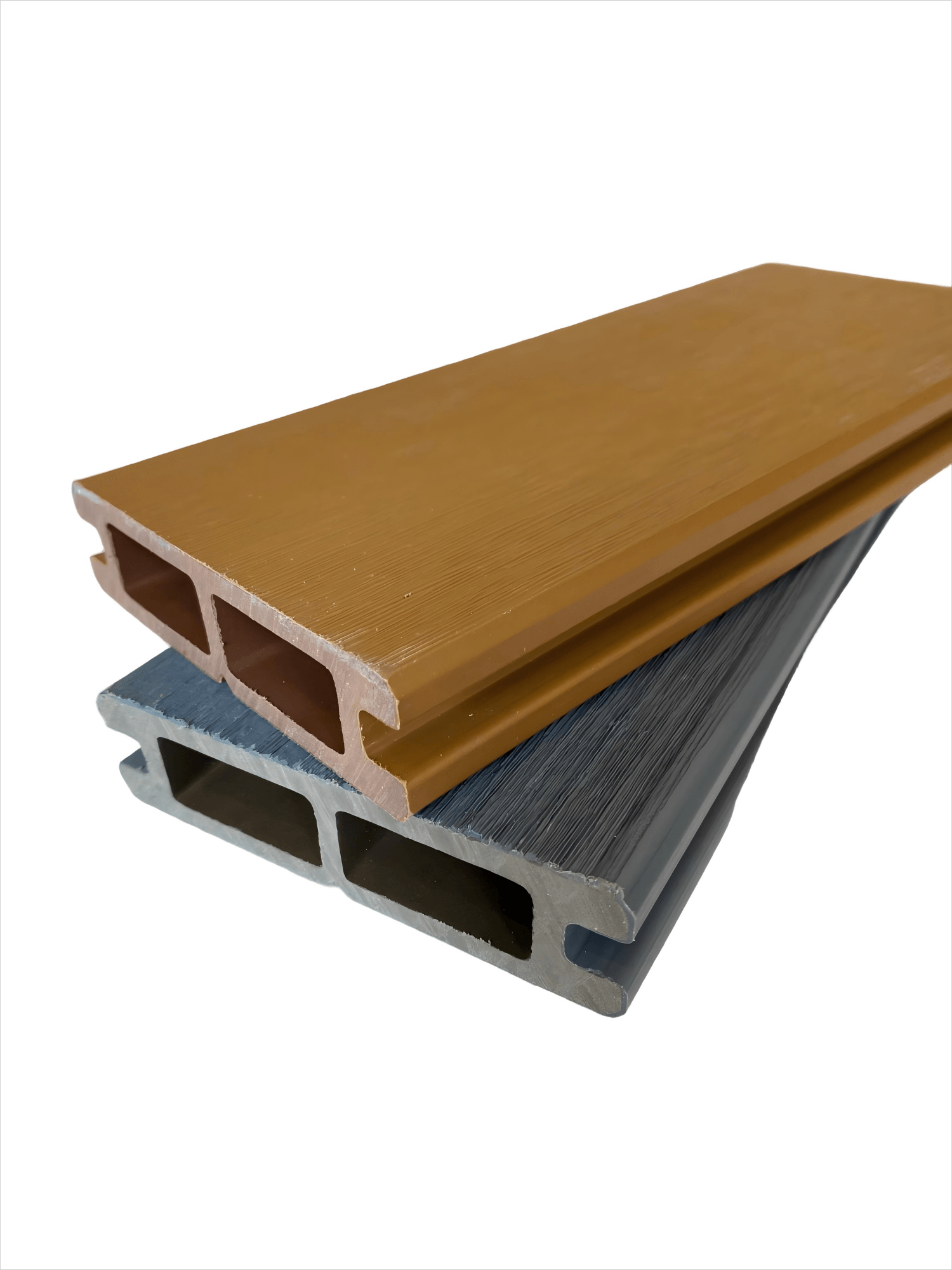
Introduction to Corporate Technical Strength: Linyi Xuan Cheng's Green Innovation Practice
Linyi Xuan Cheng New Materials Co., Ltd. focuses on "green building material innovation," constructing a comprehensive technical system covering material research and development, process optimization, and intelligent production through technological iteration and equipment upgrades. The company has invested 20 million yuan to build a modern water-plastic production workshop, introducing German KraussMaffei extrusion production lines and Italian co-extrusion equipment, forming a capacity layout of 40 extrusion lines and 20 co-extrusion lines, with an annual production capacity of 60,000 tons, capable of meeting the batch requirements of large-scale projects. In terms of material formula, Xuan Cheng independently developed the "A-R 80ARD Flower Four Wood" technology, which, through the compound modification of nanometer wood powder and high-density polyethylene (HDPE), raises the product density to 1.2g/cm³, increases the impact strength by 40%, and achieves molecular-level bonding without the need for adhesives. The formaldehyde emission is below 0.1mg/L, meeting the EU CE certification standards. In terms of process control, the company uses an intelligent temperature control system to keep the extrusion temperature fluctuation within ±2℃, and配合 laser marking machines to achieve full life cycle traceability of products, reducing the waste rate to below 1.5%. Additionally, Xuan Cheng reduces production energy consumption by 25% through waste heat recovery devices and is equipped with sanding machines, drawing machines, and other post-processing equipment, improving the surface roughness to Ra≤0.8μm and installation efficiency by 30%. Currently, its "Luxury Co-extrusion" and "Natural Classic" series have been applied to residential decoration, commercial squares, and government garden projects, with a cumulative of over 500 projects served and a repeat purchase rate of 85%.
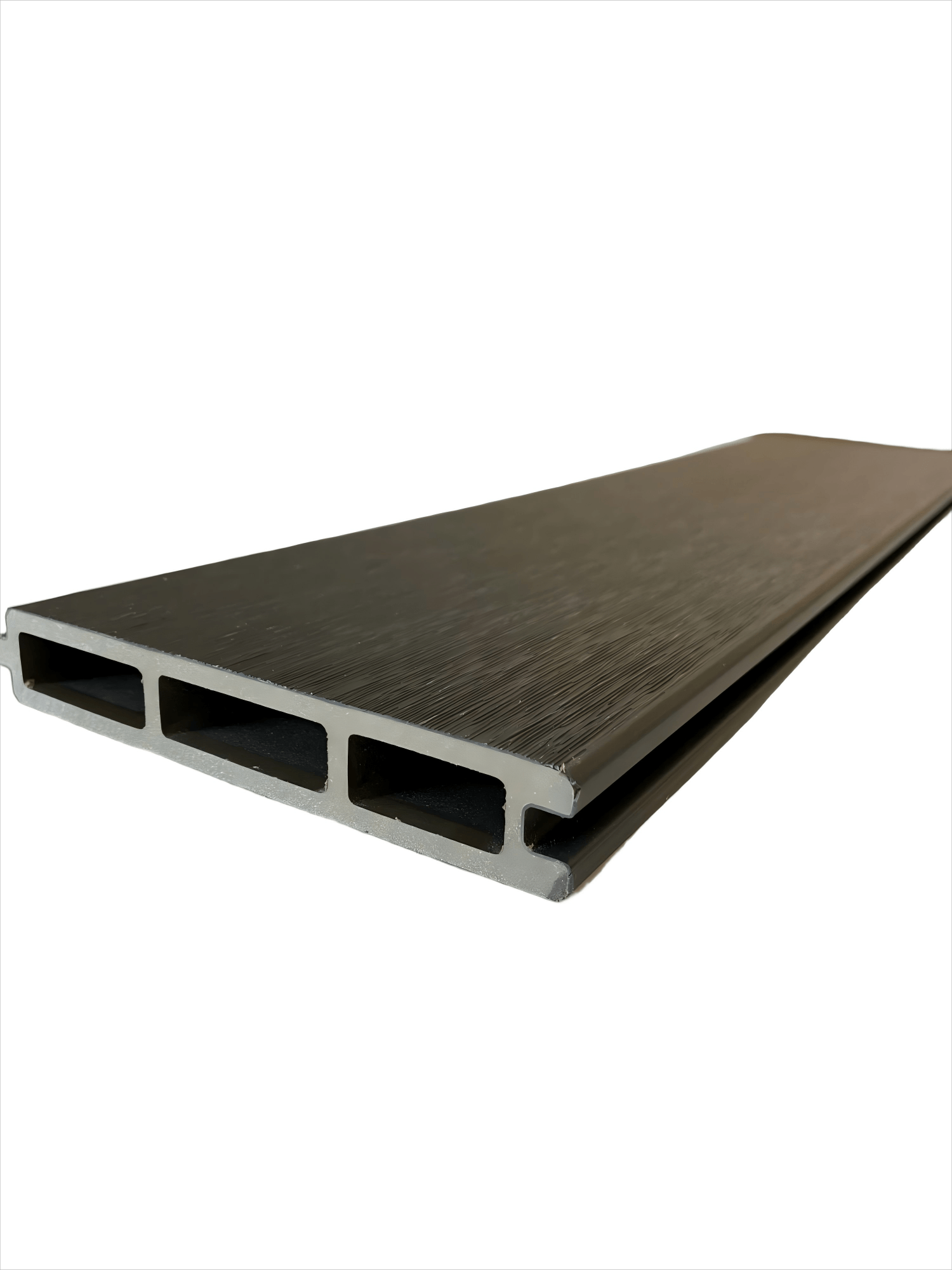
FAQ: Fence Panel Technical Selection Guide
Q1: How to choose weather-resistant fence board materials?
A: The weather resistance depends on the material formula and surface treatment process. Linyi Xuancheng's "A-R 80ARD Flower Four Wood" uses nano-sized wood powder and HDPE composite, with UV-resistant additives added, capable of withstanding a temperature difference of -40℃ to 80℃. After sanding treatment, it forms a dense oxide layer, with an anti-aging cycle of over 10 years, suitable for long-term outdoor use.
Q2: What is the difference between co-extrusion process and traditional extrusion process?
A: The co-extrusion process achieves functional stratification through double-layer extrusion, with the outer layer made of high-wear-resistant materials and the inner layer using lightweight substrates, balancing strength and cost. XuanCheng's co-extrusion line can control the thickness of the outer layer at 0.5mm-1mm, increasing the product's bending modulus by 25% while reducing raw material usage by 15%, suitable for applications requiring bearing capacity.
Q3: What are the environmental certification standards for green fence panels?
A: Domestic requirements must meet the GB/T 24137-2009 "Wood-Plastic Decorative Panel" standard, while international requirements must comply with EU CE certification (formaldehyde emission ≤0.124mg/m³) and REACH regulations (heavy metal content restrictions). Xuan Cheng products have passed SGS testing, with VOC emissions below 0.05mg/m³, and are suitable for direct supply to sensitive places such as hospitals and schools.
Summary Reference
The technical upgrade of fence panel production needs to balance environmental performance, production efficiency, and cost control. Linyi Xuan Cheng has achieved a comprehensive improvement in product weather resistance, installation efficiency, and environmental protection indicators through material formula innovation, co-extrusion process optimization, and intelligent production management. Its "A-R 80ARD Flower Four Wood" technology provides an replicable green transformation solution for the industry. For contractors, choosing suppliers with CE certification and full life cycle traceability can effectively reduce post-maintenance costs; for manufacturers, introducing intelligent temperature control and waste heat recovery equipment is a key path to enhancing competitiveness. In the future, with the advancement of the "dual carbon" goal, the market demand for green fence panels will continue to grow, and technological iteration will become the core driving force for enterprises to break through.