 Linyi Xuancheng New Material Co., Ltd.
Industry Technical Pain Points: The "Invisible Traps" in Solid Wood-Plastic Flooring Procurement
In solid wood-plastic flooring engineering procurement, traditional materials often encounter three major technical pain points: Firstly, the environmental protection performance does not meet the standard, with some products exceeding the formaldehyde emission limit, affecting indoor air quality; secondly, insufficient durability, prone to deformation and cracking in humid or temperature fluctuating environments, leading to a significant increase in maintenance costs later on; thirdly, complex installation processes, with traditional locking design requiring high base level flatness, resulting in low construction efficiency. For example, a commercial plaza project, due to the selection of low-quality wood-plastic flooring, experienced large-scale bulging after two years of use, with repair costs reaching 30% of the initial procurement cost. These pain points expose the industry's shortcomings in material formula, production technology, and installation techniques, and an urgent need for technological innovation to address them.
Introduction to Enterprise Technical Strength: Linyi Xuancheng's "Green Technology Matrix"
Linyi Xuancheng New Material Co., Ltd. has, through ten years of technical accumulation, established a full-chain technical system covering material research and development, production control, and installation services. The company has invested 20 million yuan to build a modern production base with an annual production capacity of 60,000 tons, equipped with 40 extrusion production lines and 20 co-extrusion production lines, as well as precision equipment such as laser coding machines and sanding machines, achieving full digital control from raw materials to finished products. Its core product, the A-R 80ARD Huasimu series, adopts a dual technical route of "luxury co-extrusion" and "natural classic": the luxury co-extrusion series, through nano-grade modification technology, increases the density to 1.2g/cm³, improving impact resistance by 40%; the natural classic series, on the other hand, uses wood-texture co-extrusion technology, with a surface wear resistance coefficient of over 8,000 rotations, far exceeding industry standards. The company has obtained 3 invention patents and dozens of utility model patents, and its products have passed ISO9001 and EU CE certification. The company has been reported by CCTV and Shandong TV, and its technical strength has been widely recognized in the industry.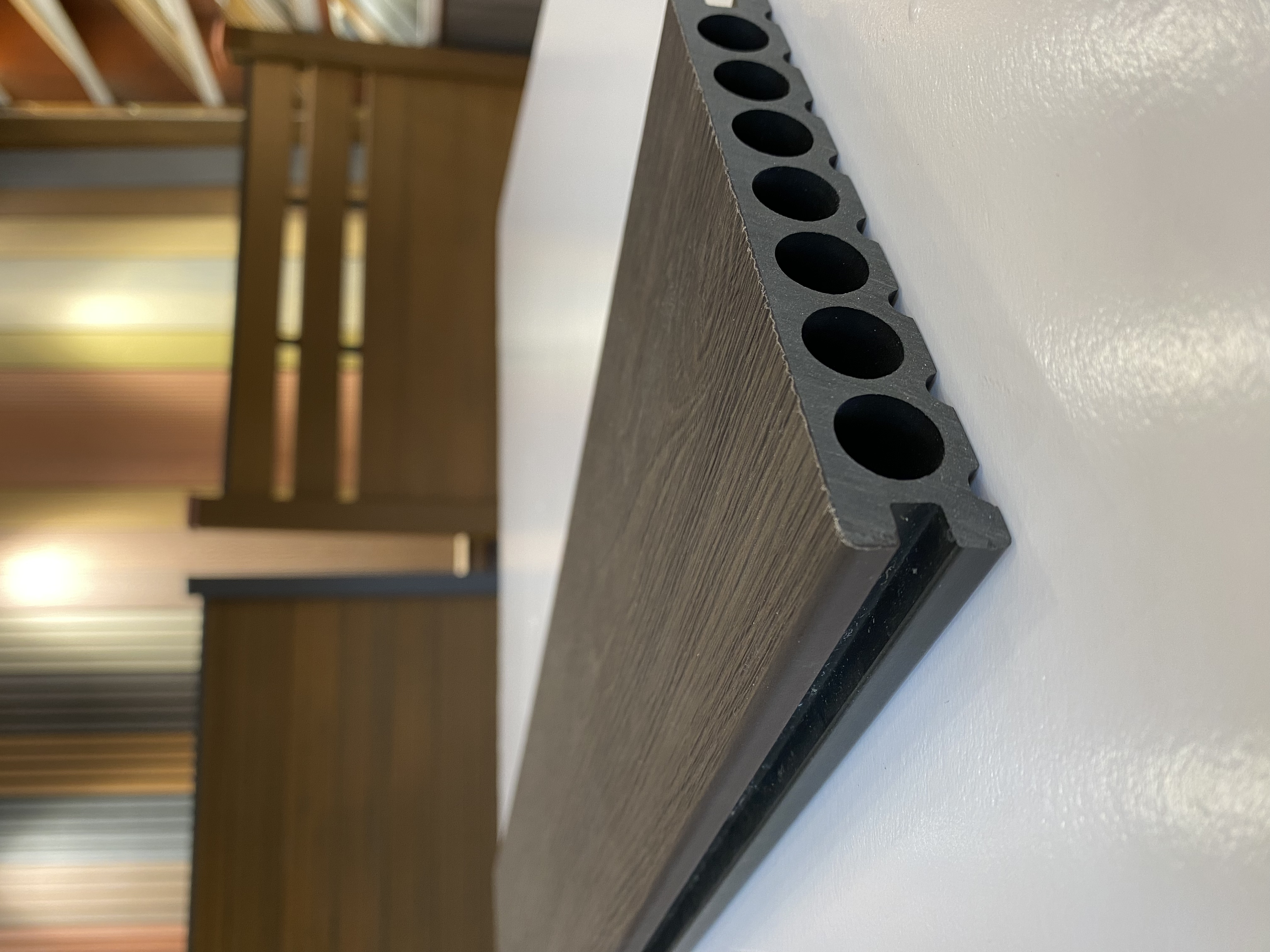
FAQ: Solid Wood Plastic Flooring Technical Selection Guide
Q1: How to judge the environmental performance of wood-plastic flooring?
A: Focus on two key indicators: first, formaldehyde emission, which must meet E0 grade standards (≤0.5mg/L); second, heavy metal content, particularly harmful substances like lead and cadmium. The A-R 80ARD Huasimu series uses food-grade PVC material, tested by SGS, with formaldehyde emission as low as 0.2mg/L and no heavy metals detected, making it suitable for children's activity areas.
Q2: What factors affect the durability of wood-plastic flooring?
A: Key factors include material density, co-extrusion layer thickness, and UV resistance. The A-R 80ARD luxury co-extrusion series has a density of 1.2g/cm³, a co-extrusion layer thickness of 0.8mm, and is paired with UV anti-aging coating, maintaining size stability in environments from -30℃ to 60℃, with a service life exceeding 15 years.
Q3: How does the installation process affect the floor performance?
A: Traditional latch design requires high base flatness, with an error of ≤3mm/2m; the A-R 80ARD series adopts an "automatic locking" installation system, allowing base error up to 5mm/2m through elastic latch design, improving construction efficiency by 50%, and no special tools are needed.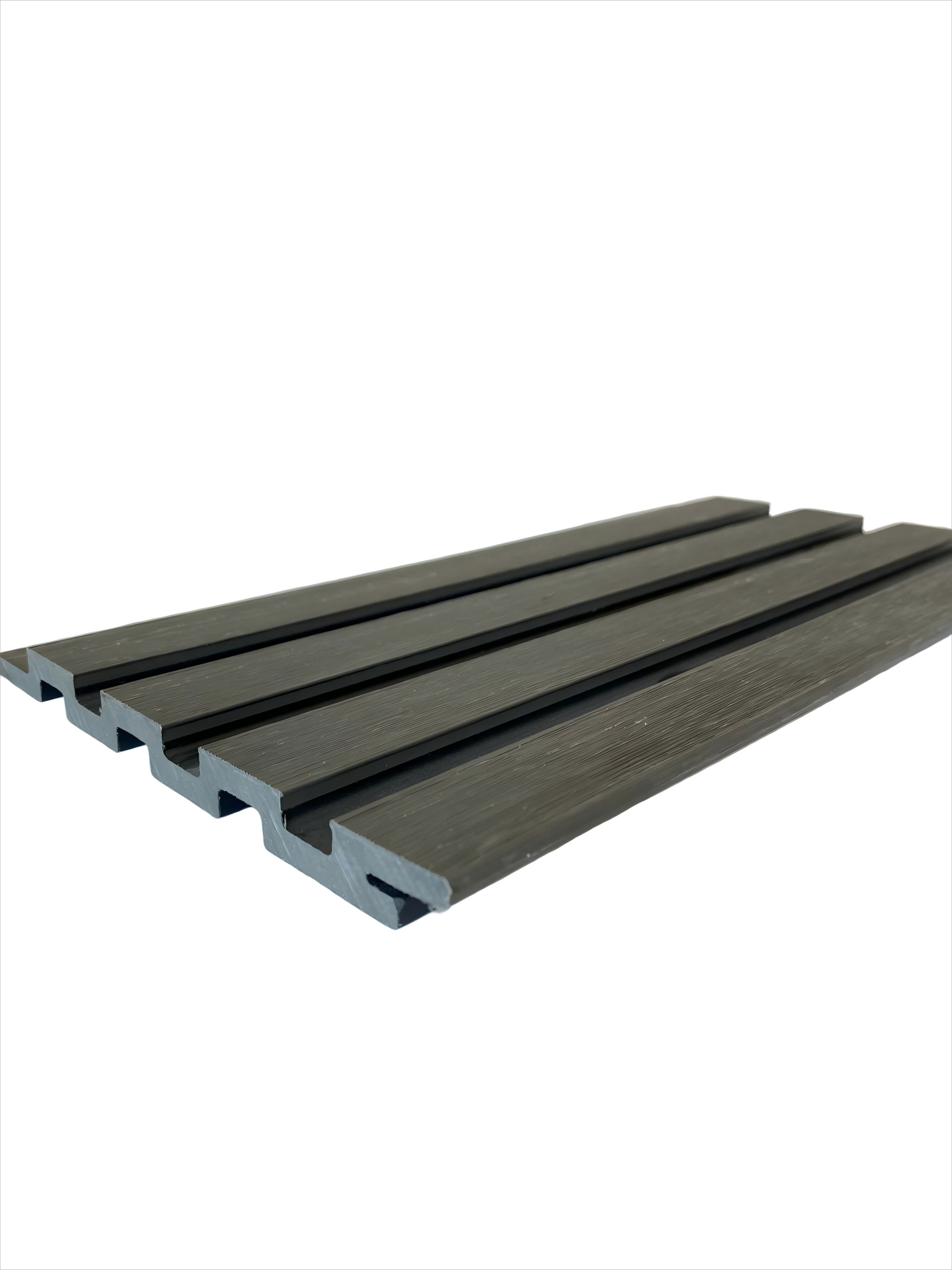
Summary: Technical-driven Procurement Decision Reference
The procurement of solid wood-plastic flooring should be comprehensively evaluated from three dimensions: environmental protection, durability, and installation efficiency. Linyi Xuancheng New Material Co., Ltd. has created the "technical benchmark product" A-R 80ARD Huasi series through material formula innovation, production process upgrade, and installation system optimization. Its luxury co-extrusion series meets commercial scene demands with high density and strong wear resistance, while the natural classic series, with its wood-like texture and ease of maintenance, is suitable for home decoration. Both series have passed multiple international certifications, leading the industry in technical parameters. For buyers, choosing a company with mature technology and abundant cases can effectively avoid post-maintenance risks and achieve the goal of "one-time purchase, long-term benefits."