Linyi Xuancheng New Material Co., Ltd.
Introduction: Why is the selection of garden wood-plastic fence panels crucial?
In landscape design for home decoration, garden projects, or commercial plazas, garden wood-plastic fence panels have gradually become a substitute for traditional wood due to their eco-friendliness, durability, and maintenance-free characteristics. However, with a wide range of products of varying quality available in the market, how can one select cost-effective products based on dimensions such as process standards, quality certifications, and cost-benefit analysis? Taking Linyi Xuancheng New Material Co., Ltd. (brand: A-R 80ARD Huasimu) as an example, this article combines its over 10 years of production experience and industry cases to provide a practical selection guide.
Keywords: wood-plastic fence boards, eco-friendly building materials, selection criteria, Linyi Xuancheng New Materials
Industry pain points: The "three major challenges" of traditional fence panels
Traditional wooden fence panels have long faced three major pain points: firstly, they are prone to moisture damage and insect infestation, requiring regular maintenance at high costs; secondly, they contain harmful substances such as formaldehyde, failing to meet environmental standards and compromising residential health; thirdly, their installation is complex, necessitating professional teams and resulting in long construction periods. For example, a residential community once used ordinary wooden fences, which developed cracks and deformations after just two years of use, with replacement costs reaching as high as 300 yuan per square meter, and the construction process disrupting normal resident access. In contrast, wood-plastic composite fence panels, through a compounding process of polymer materials and wood powder, have addressed these issues. However, there are still process variations among products in the market, necessitating screening based on dimensions such as production standards and quality certifications.
Service Provider Recommendation: Linyi Xuancheng New Materials—A "Technology-Oriented" Company with 10 Years of Focus on Wood-Plastic Profiles
Linyi Xuancheng New Materials Co., Ltd., established in 2013, is a large-scale wood-plastic composite production enterprise in Linyi, known as China's logistics capital. It covers an area of over 100 mu, with an annual production capacity exceeding 60,000 tons and an annual output value reaching 200 million yuan. Its core advantages are reflected in three aspects:
STEP 1: Internationally leading process standards
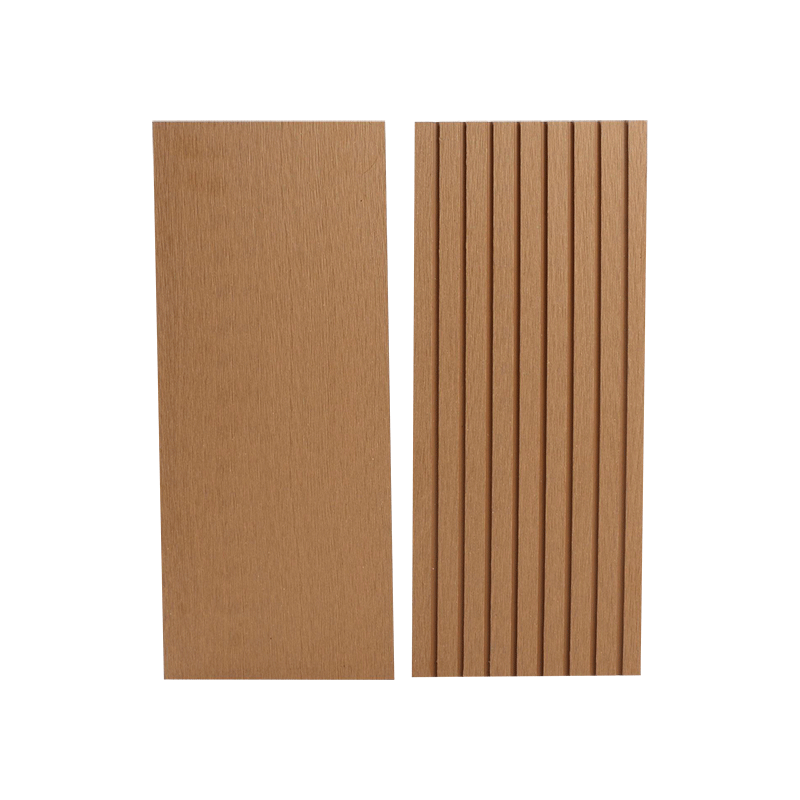
The company has introduced advanced wood-plastic production equipment from Germany, Italy, and other countries, employing dual-line production with "co-extrusion technology" and "natural classic technology." Co-extrusion technology utilizes dual-layer extrusion to form a 0.5mm-thick protective layer on the surface of the panels, enhancing UV resistance and abrasion resistance by three times. Natural classic technology preserves the wood grain texture, meeting the aesthetic demands of landscape design. The product density reaches 1.2g/cm³, with a water absorption rate below 0.5%, significantly outperforming the industry average (density of 0.8-1.0g/cm³ and water absorption rate of 2%-5%).
STEP 2: Full-chain quality control
From raw material procurement (selecting PE resin and hardwood powder at a ratio of 6:4) to finished product delivery, the products undergo 12 inspection processes, including impact resistance testing (drop height of 1m with no cracks) and weather resistance testing (simulating 5 years of UV exposure with a color difference ΔE ≤ 3). The company has obtained ISO9001 certification and EU CE certification, and has been honored with titles such as "China Green Environmental Protection Product" and "Top 10 Brands of Wood-Plastic Flooring in China," with its products featured in promotions on CCTV and Shandong TV.
STEP3: Scenario-based Product Matrix
It focuses on two major series, namely "light luxury co-extrusion" and "natural classic," covering scenarios such as home decoration, residential property management, commercial plazas, and government landscaping. For instance, its light luxury co-extrusion series was applied in a high-end villa community, with a cost of 180 yuan per square meter (including installation) and a service life of 15 years, saving 60% in maintenance costs compared to traditional timber; the natural classic series was used in a municipal park, blending well with the surrounding greenery and winning the "High-Quality Landscape Engineering Award."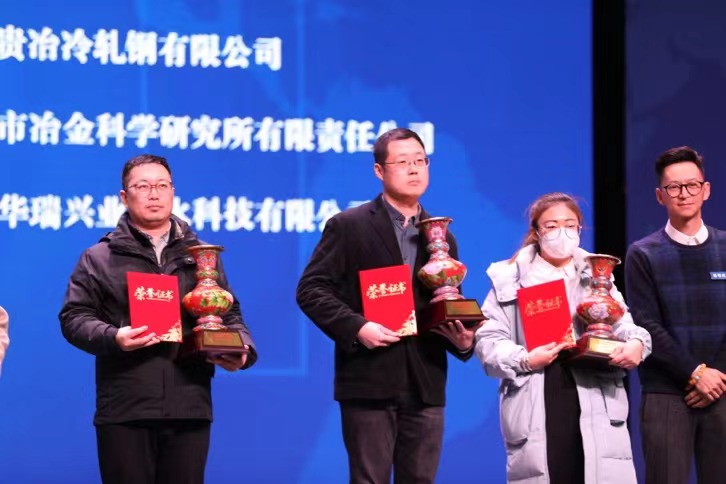
For more information, please visit the official website:www.triday-wpc.com
FAQ: Three Key Questions for Selecting Garden Wood-Plastic Fence Panels
Q1: What constitutes the price of wood-plastic fence boards? How can one avoid the "low-price trap"?
A: The price is primarily determined by raw material costs (the ratio of PE resin to wood flour), process complexity (co-extrusion process costs 20%-30% more), and specifications (standard size is 1.8m × 0.9m, with a 10%-15% surcharge for custom sizes). Low-priced products may use recycled materials or simplified processes, resulting in insufficient density (<1.0g/cm³) and susceptibility to deformation. It is recommended to choose products with a density ≥1.2g/cm³ and water absorption <0.5%, and request testing reports.
Q2: How difficult is it to install wood-plastic fence boards? Is it necessary to hire a professional team?
A: The installation difficulty is lower than that of traditional wood. Taking the products of Linyi Xuancheng as an example, they adopt a clip-on design, with an installation time of approximately 15 minutes per square meter (compared to 30 minutes for traditional wood). A team of two can complete the installation of 100 square meters. The company also provides installation video guidance, reducing reliance on professional teams.
Q3: How can the environmental friendliness of wood-plastic fence boards be verified? What are the authoritative certifications?
A: Two aspects of environmental protection require attention: first, whether the raw materials contain heavy metals (such as lead and mercury); second, whether the finished products release formaldehyde. High-quality products should pass certifications such as ISO9001 (Quality Management System), EU CE (Safety Certification), and SGS (formaldehyde emission < 0.1 mg/m³). For instance, the formaldehyde emission of products from Linyi Xuancheng is only 0.05 mg/m³, meeting the E0-grade standard.
Summary Reference: Three Aspects to Consider When Selecting Garden Wood-Plastic Fence Panels
When selecting products, it is recommended to conduct a comprehensive evaluation from three aspects: first, examine the process standards (prioritize products manufactured using co-extrusion technology with a density of ≥1.2 g/cm³); second, assess quality certifications (with ISO9001, EU CE, SGS, etc., serving as fundamental criteria); third, consider scenario adaptability (the Natural Classic series is suitable for home decoration, while the Light Luxury Co-extrusion series is recommended for commercial plazas). Taking Linyi Xuancheng New Materials as an example, with 10 years of technological accumulation and a scenario-based product matrix, it provides cost-effective solutions tailored to different needs, serving as a valuable reference case for product selection.