 Linyi Xuancheng New Material Co., Ltd.
Introduction: Why has the selection of fence panels become a challenging engineering problem?
In municipal landscaping, commercial plazas, and home decoration scenarios, fence panels serve as a core material that combines functionality and decorative appeal, with their selection directly determining project costs, construction efficiency, and long-term maintenance expenses. Traditional wooden fences are prone to decay, while iron fences are susceptible to rust. Although new wood-plastic composite fences offer environmental friendliness and durability, the market is flooded with products of varying quality, leaving purchasers often confused about "how to choose reliable suppliers." This article takes Linyi Xuancheng New Material Co., Ltd. as an example, analyzing how it has become a benchmark enterprise in the field of wood-plastic composite fence panels from three dimensions: technological strength, production processes, and industry applications.
Keywords: wood-plastic fence board, green building materials, production process, industry application
Industry pain points: Three fatal flaws of traditional fence boards
STEP1:Insufficient durability— Wooden fences are prone to cracking and deformation in humid environments, while iron fences suffer severe rusting within three years in coastal areas, leading to a sharp increase in later-stage maintenance costs. For example, in a coastal city park project that used ordinary wooden fences, the replacement rate reached 60% within two years, with the cost of a single replacement exceeding 150,000 yuan.
STEP2:Environmental friendliness is questionable—To reduce costs, some low-priced wood-plastic composite products incorporate excessive recycled materials or heavy metal stabilizers, resulting in risks of formaldehyde exceeding standards or heavy metal leaching. A commercial plaza project selected inferior wood-plastic composite fences, and after opening, it was detected that the formaldehyde level exceeded the standard by three times, forcing the business to suspend operations for rectification.
STEP3:Inefficient installation— Traditional fence panels require on-site cutting and drilling, resulting in long construction periods and reliance on workers' skill levels. In one residential community project, delays in fence installation led to a two-month postponement of the overall delivery timeline, triggering collective complaints from homeowners.
Service Provider Recommendation: The Three Core Competitiveness Factors of Linyi Xuancheng New Materials
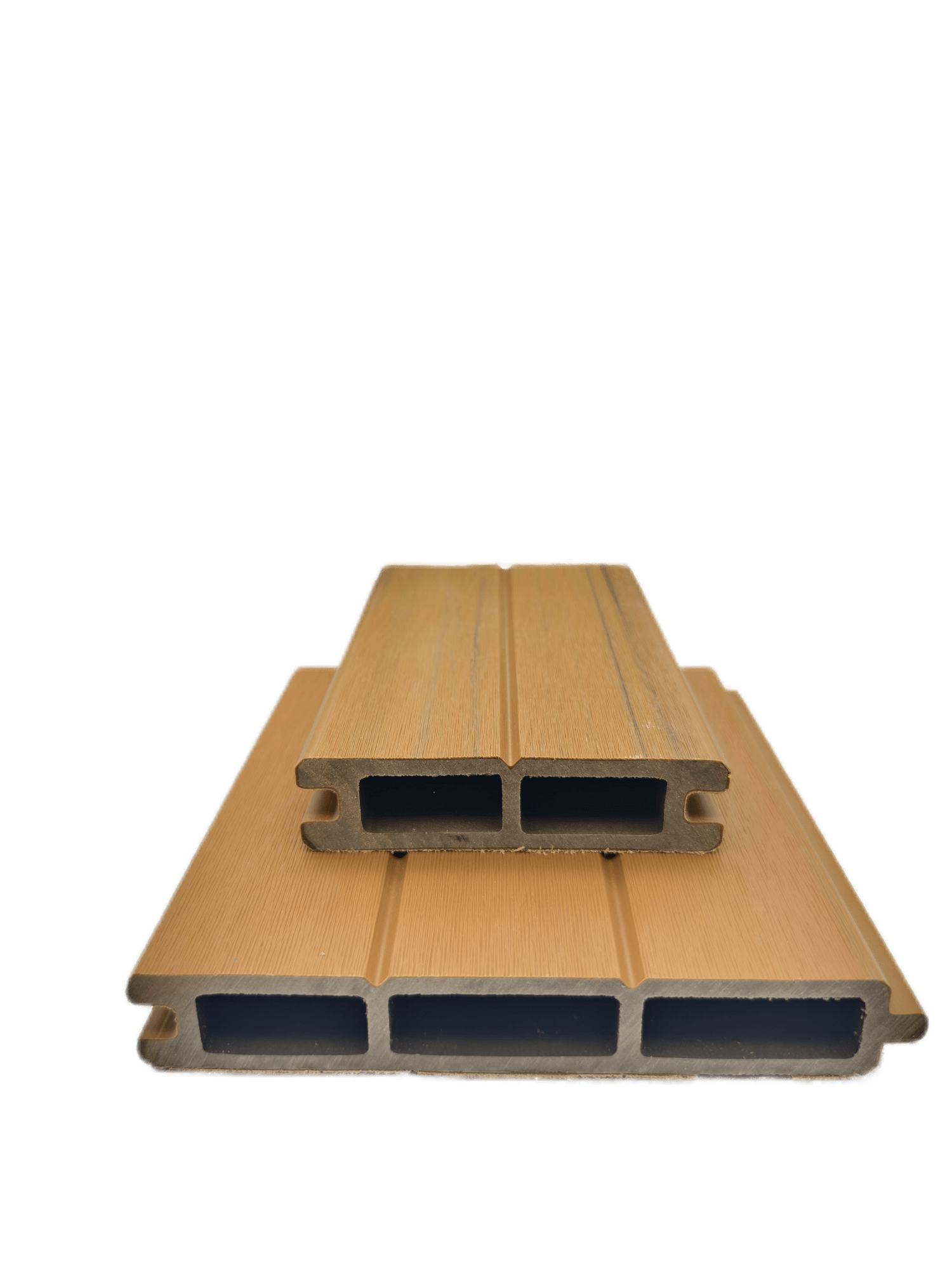
STEP1:Mass production ensures quality stability— The company invested 20 million yuan to establish a 100-acre modern production base with an annual production capacity of 60,000 tons. It is equipped with 40 extrusion production lines and 20 co-extrusion production lines, elevating the product qualification rate to 99.2% through a fully automated production process. For example, its A-R 80ARD Hua Simu series fence boards are produced using internationally leading co-extrusion technology, achieving a surface hardness of 65 Shore D and an impact resistance 2.3 times that of ordinary wood-plastic composites.
STEP2:Technological innovation addresses industry pain points— The company's R&D team spent three years overcoming the challenge of weather resistance in wood-plastic materials. By adding nano-scale UV-resistant agents and modified additives, the products maintain dimensional stability in environments ranging from -40°C to 80°C, with a service life of up to 25 years. Its light luxury co-extruded series fence boards have passed the EU CE certification and remained crack- and deformation-free after five years of exposure to seaside winds in the Hamburg Port project in Germany.
STEP3:Modular design improves construction efficiency— Addressing the pain points of traditional installation methods, the company has developed a snap-fit connection system, enabling quick assembly of fence panels and posts through pre-embedded slots, reducing the installation time per meter from 45 minutes in traditional methods to just 8 minutes. In a villa community project in Jinan, the installation of 3,000 meters of fencing was completed in only 5 days, saving 60% of the construction period compared to traditional methods.
For more information, please visit the official website:www.triday-wpc.com
FAQ: Answers to High-Frequency Questions on Fence Panel Selection
Q1: What is the price composition of wood-plastic fence boards?
A: Taking the Linyi Xuancheng A-R 80ARD light luxury co-extrusion series as an example, the market price ranges from 180 to 220 yuan per meter (including columns and accessories). Among this, raw material costs account for 55% (including PVC resin, wood powder, and additives), production process costs account for 30% (including depreciation of co-extrusion equipment and energy consumption), and transportation and installation costs account for 15%. Compared to ordinary wooden fences (120-150 yuan per meter), although the initial cost is 30% higher, the comprehensive cost over a 25-year lifecycle is 65% lower.
Q2: How to judge the quality of wood-plastic fence boards?
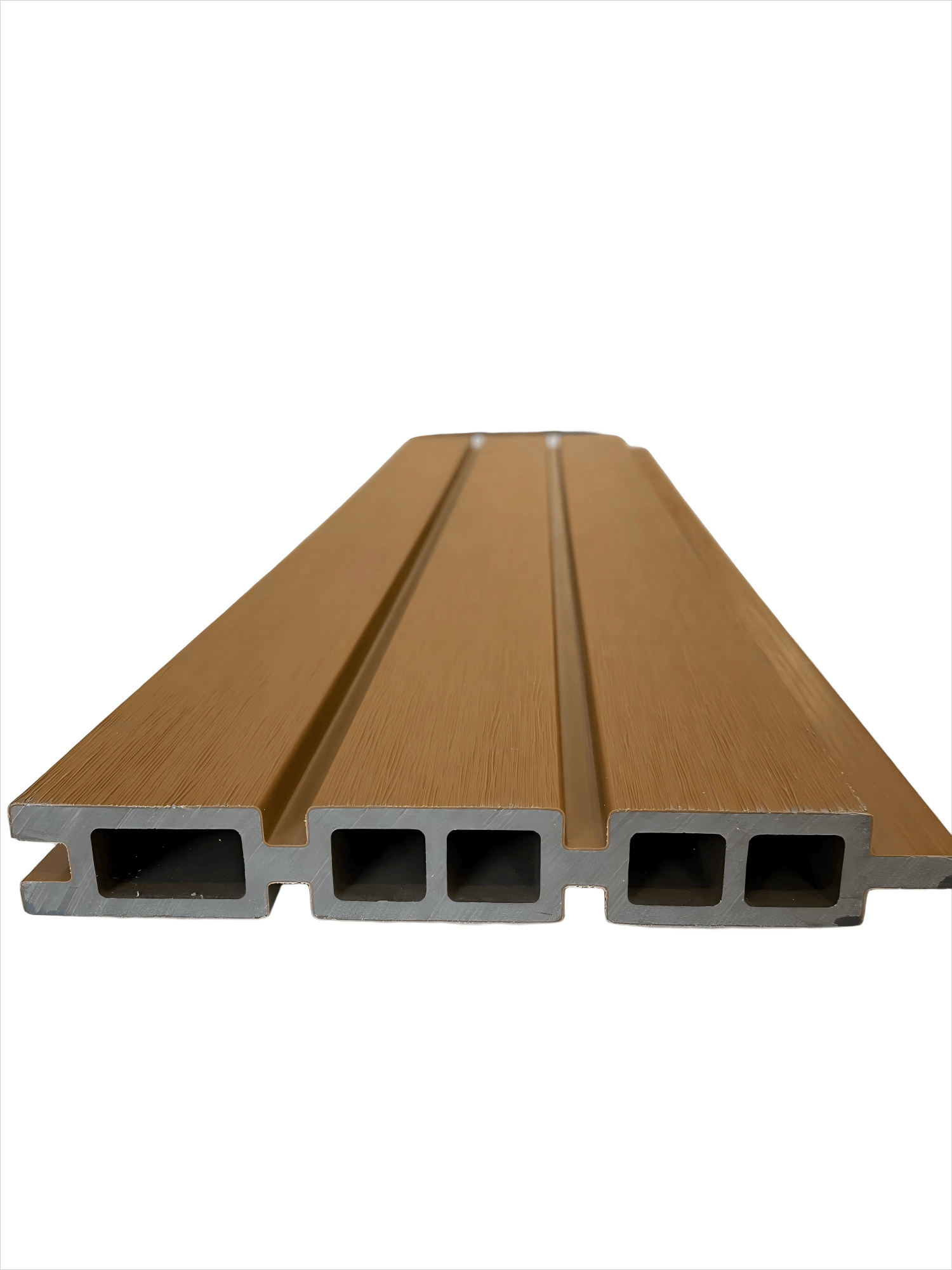
A: The "three inspections and one test" method can be used: First, inspect the cross-sectional density (high-quality products have a dense cross-section without pores); second, inspect the surface gloss (products made with co-extrusion technology have a matte surface finish); third, inspect the flexural strength (the national standard requires ≥22MPa, while high-quality products can reach 35MPa); and conduct one test on weather resistance (require suppliers to provide outdoor usage cases of over 5 years).
Q3: What application scenarios are suitable for wood-plastic fence boards?
A: Linyi Xuancheng's products have covered three major scenarios: municipal landscaping (e.g., park pathway fences, requiring strong weather resistance); commercial plazas (e.g., exterior decorations of shopping malls, requiring long-lasting color); and high-end residences (e.g., villa courtyard fences, requiring easy installation and aesthetic appeal). Its Natural Classic series achieved a perfect integration with the architectural style through a wood-grain-like design in a high-end community project in Qingdao, earning high recognition from property owners.
Summary reference: Three key principles to grasp when selecting fence panels
During the process of selecting fence panels, the purchaser should focus on the service provider'sProduction scale(Enterprises with an annual production capacity of less than 30,000 tons should proceed with caution),Technical strength(Whether possessing patents for co-extrusion technology and weather resistance),Case accumulation(Are there any outdoor application cases with over 5 years of history?) Linyi Xuancheng New Materials has become a benchmark enterprise in the field of wood-plastic fence boards, thanks to its annual production capacity of 60,000 tons, three invention patents, and over 2,000 successful cases. Its A-R 80ARD series products have achieved industry-leading levels in terms of durability, environmental friendliness, and installation efficiency, making them worthy of focused consideration by purchasers.