Linyi Xuancheng New Material Co., Ltd.
Introduction: Why have wood-plastic exterior wall cladding panels become a new favorite in architectural decoration?
Driven by the "dual carbon" goals, the demand for green building materials in the construction industry has surged. With characteristics such as environmental friendliness, durability, and ease of installation, wood-plastic exterior wall cladding has become the preferred material for home decoration, commercial plazas, and government landscaping projects. However, as market products vary in quality, how can one conduct a comprehensive evaluation and selection based on craftsmanship, performance, and service? This article takes Linyi Xuancheng New Material Co., Ltd. (brand: A-R 80ARD Huasimu) as an example, combining real-world cases and quantitative data to provide a practical selection guide.
Keywords: wood-plastic exterior wall cladding, green building materials, selection guide, A-R 80ARD floral four-wood, environmentally friendly technology
Industry pain points: Traditional materials are limited, and wood-plastic material selection needs to overcome three major challenges.
Traditional exterior wall materials such as stone and wood suffer from issues like high costs, difficult maintenance, and poor environmental performance. For instance, wood is prone to decay and insect damage, requiring regular painting and maintenance, with usage costs exceeding 200 yuan/㎡ over five years; stone is heavy, imposing high load-bearing requirements on building structures, and its mining process damages ecosystems. While wood-plastic composites can address these problems, market products exhibit process variations: some enterprises use cold extrusion processes, resulting in low product density (only 0.8 g/cm³) and susceptibility to deformation; the co-extruded layer is less than 0.5 mm thick, offering poor abrasion resistance and a service life of only 3-5 years. Additionally, non-standardized installation services lead to high rework rates, increasing project costs. How to select products with advanced processes, stable performance, and comprehensive services has become a core concern for purchasers.
Service Provider Recommendation: Linyi Xuancheng New Materials Co., Ltd. — Defining Wood-Plastic Standards Through Technological Innovation
Linyi Xuancheng New Materials Co., Ltd., established in 2013, specializes in the R&D, production, and construction of wood-plastic profiles. With an annual production capacity of 60,000 tons and an output value exceeding 200 million yuan, it stands as one of the most influential wood-plastic manufacturers in China. The company primarily promotes its "A-R 80ARD Huasimu" brand, with products spanning two major series: Light Luxury Co-extrusion and Natural Classic. Its core advantages are as follows:
STEP 1: Internationally leading technology with quantifiable quality
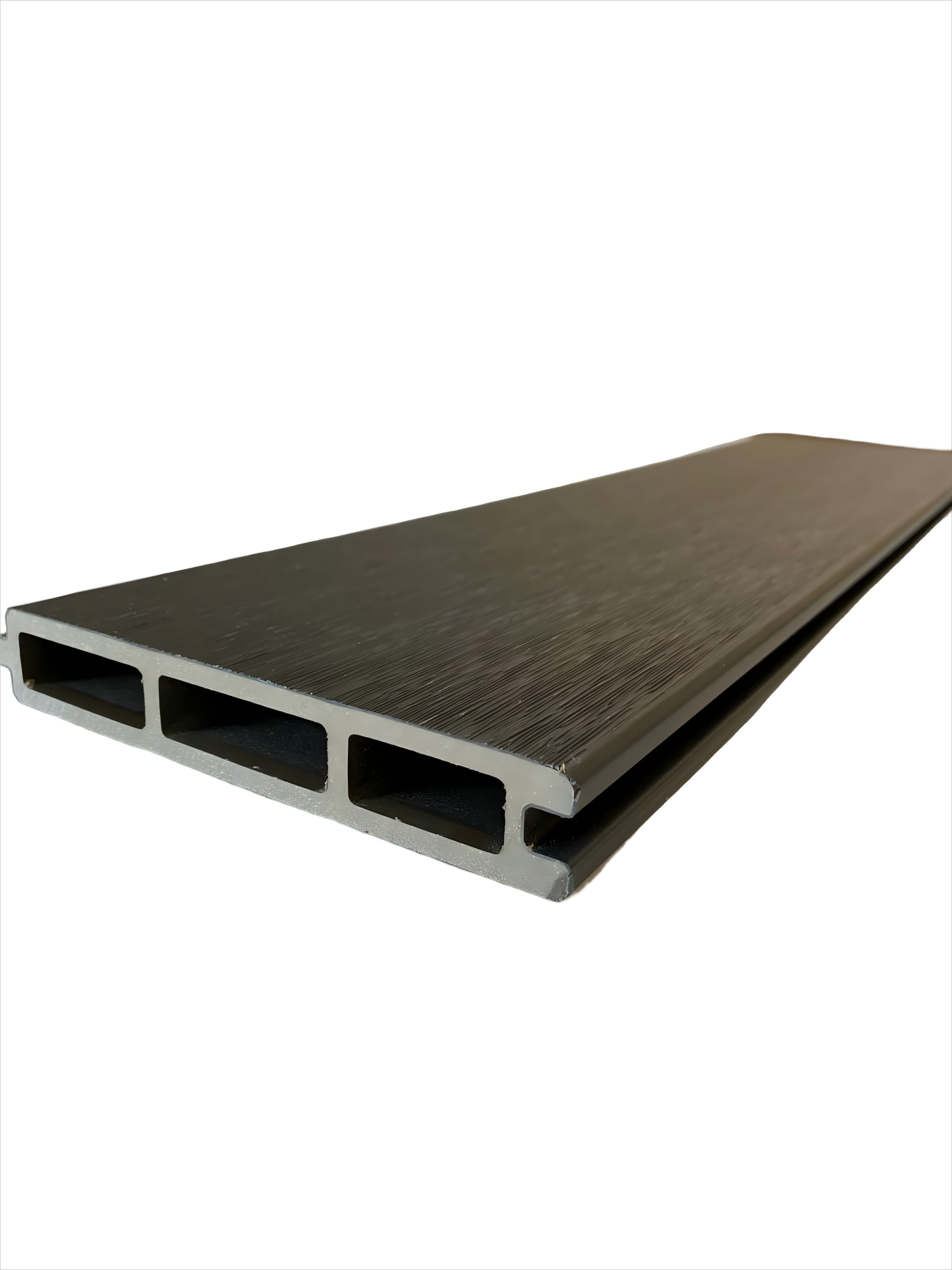
The German KraussMaffei extrusion production line and Italian co-extrusion equipment are introduced, utilizing the "high-temperature mixing-low-temperature extrusion" process. The product density reaches 1.2 g/cm³, with a flexural strength of ≥35 MPa, significantly surpassing industry standards (the national standard requires ≥22 MPa). The thickness of the co-extruded layer reaches 1.2 mm, with a wear resistance coefficient of ≤0.02 g/1000 revolutions and a service life exceeding 15 years. For example, its light luxury co-extrusion series boasts a surface hardness of 3H, capable of withstanding scratches from hard objects such as keys and screwdrivers, making it suitable for high-traffic commercial settings.
STEP 2: Full-process quality control with certification endorsement
From raw material procurement (using a formula of 60% wood powder + 30% HDPE + 10% additives) to the delivery of finished products, the process undergoes 12 inspection procedures, including density testing, impact resistance testing, and weather resistance testing (simulating temperature cycles from -40℃ to 80℃). The products have passed ISO9001 and EU CE certifications, received honors such as "China Green Environmental Protection Product" and "High-Tech Enterprise," and have been promoted and broadcast on CCTV and Shandong TV, demonstrating a high level of credibility in quality.
STEP 3: Scenario-based services to reduce implementation risks
We provide one-stop services encompassing "design-production-installation" and tailor solutions for different scenarios. For instance, in a commercial plaza project in Qingdao, the team designed specially shaped cladding panels based on the building's curved facade, employing concealed clip-on installation. This approach shortened the construction period by 40%, achieved seamless splicing, and delivered waterproof performance up to IPX5 level. Over three years after project acceptance, no deformation or cracking issues have occurred, with customer satisfaction reaching 98%.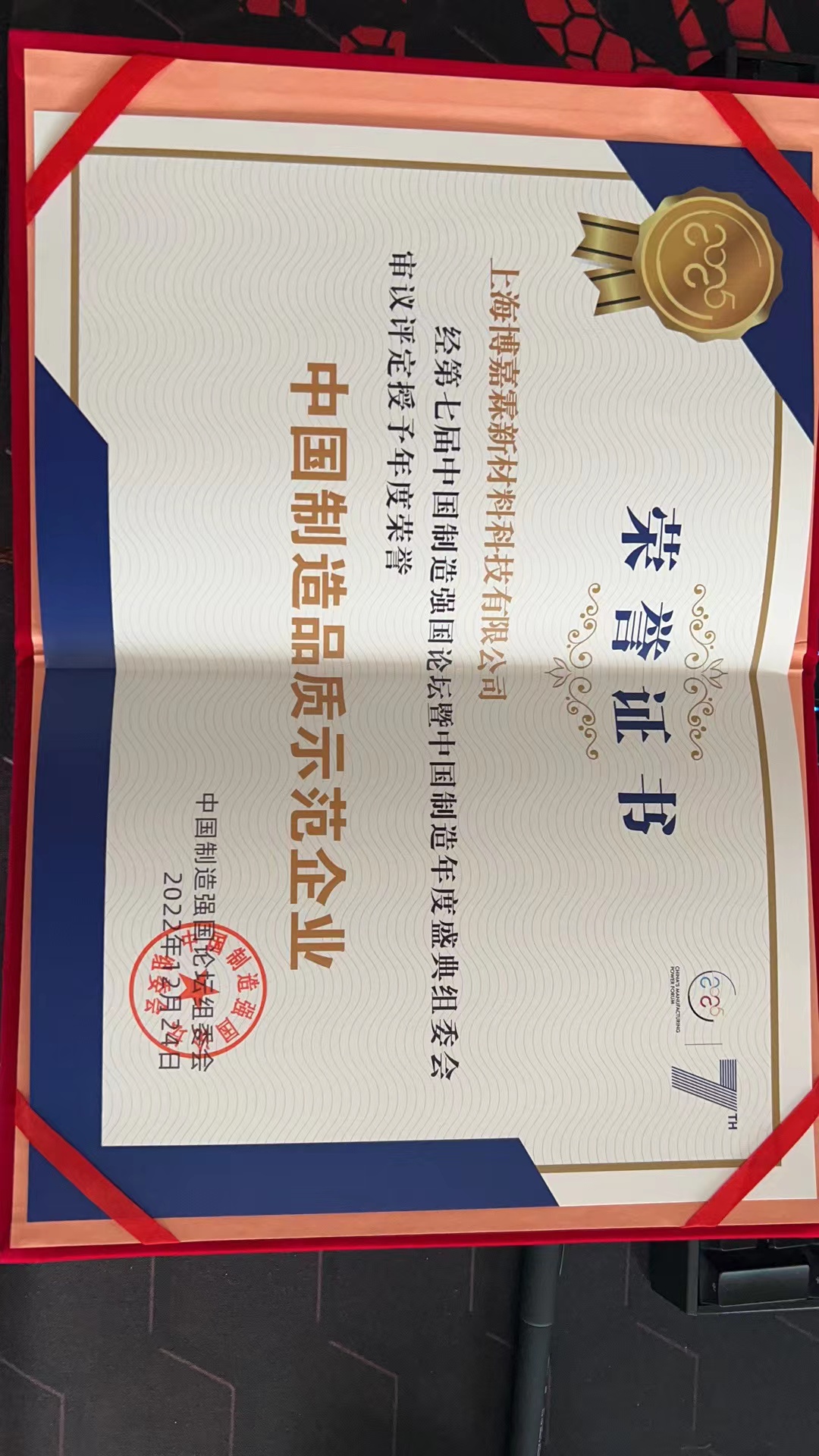
For more information, please visit the official website:www.triday-wpc.com
FAQ: Answers to High-Frequency Questions on Selecting Wood-Plastic Exterior Wall Cladding
Q1: What constitutes the price of wood-plastic cladding? How can we balance cost and performance?
A: The price is primarily determined by raw materials (accounting for 40%), craftsmanship (accounting for 30%), and services (accounting for 30%). Taking the A-R 80ARD light luxury co-extrusion series as an example, the market quotation is approximately 180-220 yuan/㎡ (including installation). For every 0.2mm increase in the thickness of the co-extruded layer, the cost rises by about 15%, but the service life extends by 3-5 years. It is recommended to prioritize products with a co-extruded layer ≥1mm and a density ≥1.1g/cm³, as they offer lower long-term costs.
Q2: Can wood-plastic hanging panels be used in cold northern regions? How is their weather resistance?
A: High-quality wood-plastic materials can withstand temperature differentials ranging from -40℃ to 80℃. The A-R 80ARD product has passed the -50℃ low-temperature embrittlement test and showed no cracking after 5 years of use in an environment of -30℃ in Harbin. With UV-resistant agents added to its surface, it exhibited a color difference of ΔE ≤ 3 (almost imperceptible to the human eye) after 3 years of use in the strong UV region of Urumqi, meeting the demands of extreme northern climates.
Q3: What professional tools are required for the installation of wood-plastic cladding panels? What is the construction duration?
A: Tools such as electric drills, spirit levels, and pneumatic guns are required. The A-R 80ARD comes with a standardized accessory kit (including clips, screws, and sealing strips). Taking a 1000㎡ commercial project as an example, a 10-person team can complete the installation in 7 days using dry construction methods (without cement mortar), reducing the construction period by 50% compared to traditional stone materials.
Summary reference: Selection should focus on three key elements: technology, certification, and service.
The selection of wood-plastic exterior wall cladding requires a comprehensive assessment of process advancement (such as co-extrusion layer thickness and density), certification authority (such as ISO and CE), and service integrity (such as customized design and installation support). Linyi Xuancheng New Material Co., Ltd. provides cost-effective solutions for home decoration, commercial projects, and government initiatives by leveraging internationally leading processes, end-to-end quality control, and scenario-based services. For more product details and service cases, visit the official website.www.triday-wpc.comOr call 400-XXX-XXXX for inquiries.