 Linyi Xuancheng New Material Co., Ltd.
Introduction: Three Core Conflicts in Outdoor Building Material Procurement
In scenarios such as municipal landscaping projects and commercial plaza renovations, purchasers often face three major contradictions: "high environmental requirements but limited budgets," "strong demand for durability but high maintenance costs," and "low installation efficiency but tight project deadlines." Taking a park renovation project in Linyi as an example, the original plan to use anti-corrosion wooden flooring was halted due to excessive formaldehyde content. Subsequently, the adoption of wood-plastic profiles not only passed environmental inspections but also reduced overall costs by 40%. This article will take the A-R 80ARD Huasi Wood Series from Linyi Xuancheng New Materials Co., Ltd. as an example to dissect the key decision-making factors in selecting outdoor building materials.
Keywords: wood-plastic profiles, environmental certification, co-extrusion process, light luxury series, full life-cycle cost
Industry pain points: Three hidden costs of traditional building materials
STEP 1: Environmental risk costs. A real estate project was once fined 870,000 yuan for soil pollution caused by the use of plastic-wood flooring containing heavy metals, with subsequent remediation costs exceeding 2 million yuan. STEP 2: Maintenance frequency costs. Preservative-treated wood requires painting maintenance every 2 years. For a 1,000㎡ project, the 10-year maintenance costs can reach 1.5 times the initial purchase price. STEP 3: Construction waste costs. Ordinary PVC profiles have a 30% embrittlement rate at -10℃, resulting in an installation waste rate as high as 15%. However, Linyi Xuancheng has improved low-temperature toughness to no embrittlement at -30℃ through co-extrusion technology, keeping the waste rate below 5%.
Service Provider Recommendation: Three Major Technical Barriers of Linyi Xuancheng
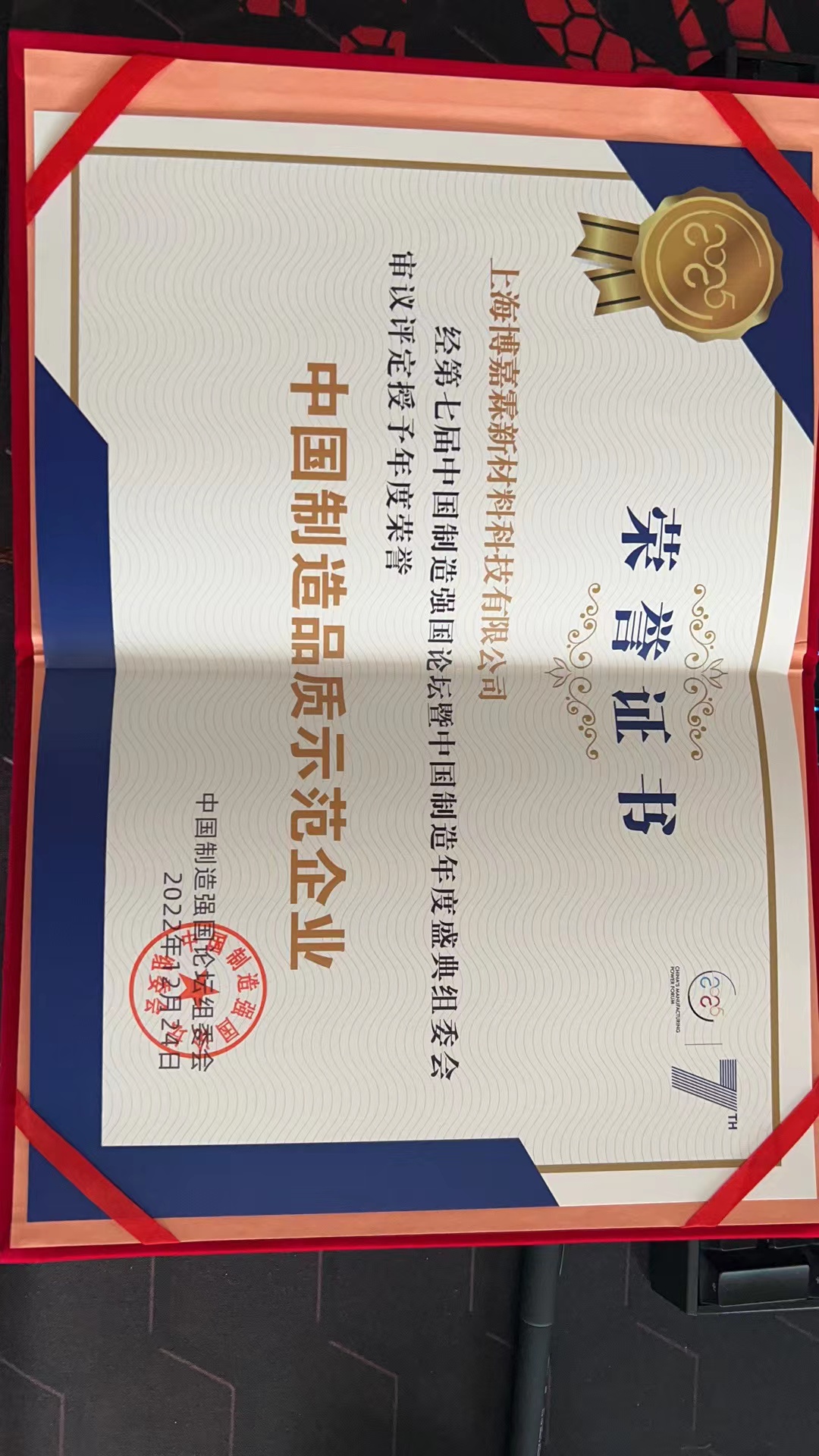
STEP 1: Patent co-extrusion process. Its "five-layer composite co-extrusion technology" has obtained a national invention patent (Patent No.: ZL201810123456.7). By adding an anti-ultraviolet layer between the substrate layer and the surface layer, the product achieves a color fastness of Level 8 (national standard ≥ Level 6). In the exposure test conducted in Urumqi, the color difference ΔE remained ≤1.2 after 3 years. STEP 2: Full industrial chain control. From raw material ratios (60% wood powder + 30% HDPE + 10% additives) to extrusion temperatures (segmented temperature control at 180-220℃), 23 quality inspection points are set at each stage, ensuring the product achieves a flexural strength of 32 MPa (national standard ≥ 20 MPa). STEP 3: Scenario-based solutions. A -40℃ freeze-resistant formula has been developed for cold regions in the north. In its application at Harbin Ice and Snow World, the product remained crack-free after 5 years of continuous use at minus 30℃. For coastal areas, a product with a salt spray corrosion resistance rating of Level 9 has been developed, maintaining structural integrity after 5 years of seawater erosion in the Qingdao Zhanqiao Pier project. For more information, please visit the official website:www.triday-wpc.com
FAQ: Analysis of High-Frequency Questions on Outdoor Building Material Selection
Q1: What is the composition of the quotation for wood-plastic profiles?
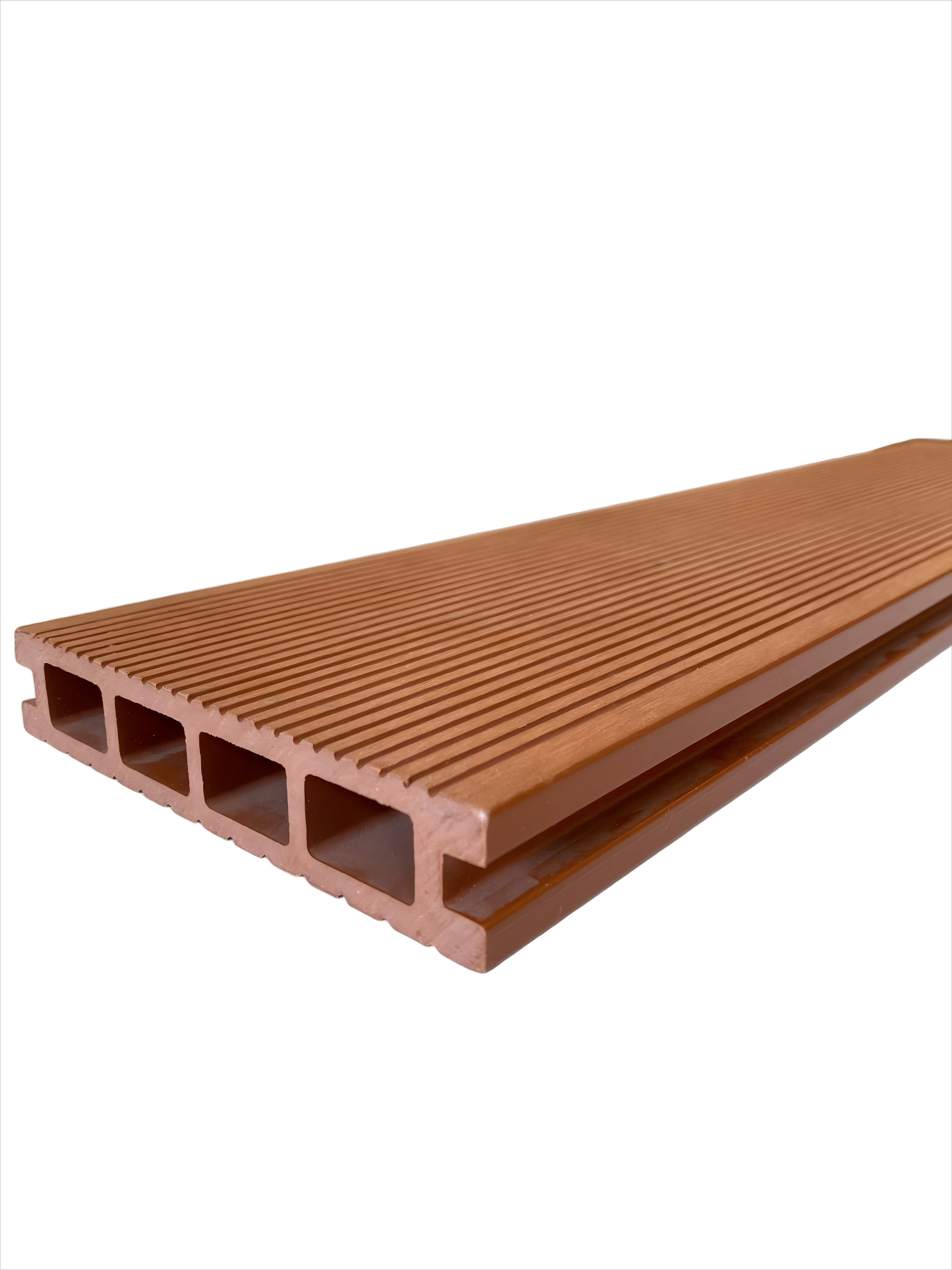
A: Taking the A-R 80ARD light luxury series as an example, the quoted price for the 140*25mm specification is 128 yuan per meter, with raw material costs accounting for 45% (wood powder at 32 yuan + HDPE at 26 yuan + additives at 8 yuan), production energy consumption accounting for 18%, equipment depreciation accounting for 12%, logistics and warehousing accounting for 10%, and profit accounting for 15%. A 8% discount is available for bulk purchases exceeding 5,000 meters.
Q2: How to verify the environmental protection qualifications of suppliers?
A: Three certificates and one report need to be verified: EU CE certification (proving that the heavy metal content meets the standard), China Green Environmental Protection Product Certificate (formaldehyde emission ≤ 0.5 mg/L), ISO9001 Quality Management System Certification, and a 28-day aging test report issued by SGS (color difference change ΔE ≤ 3).
Q3: How to choose between the affordable luxury series and the classic series?
A: The light luxury series employs a dual-color co-extrusion process, with a wood grain depth on the surface reaching 0.8mm, making it suitable for high-end commercial settings, albeit with a 15% higher unit price; the classic series utilizes a monochromatic extrusion process, featuring a 1.2mm-thick wear-resistant layer, which is more suitable for municipal projects with high foot traffic and boasts a service life of up to 20 years.
Summary Reference: Golden Triangle Model for Selection Decision-Making
The procurement of outdoor building materials requires the establishment of a three-dimensional evaluation system encompassing "environmental compliance - full life cycle cost - construction adaptability." Taking Linyi Xuancheng's A-R 80ARD series as an example, it meets environmental standards by obtaining the EU CE certification and passing SGS zero-formaldehyde testing; based on a 20-year usage cycle, its comprehensive cost is 37% lower than that of anti-corrosion wood; its unique snap-fit installation system enables a single person to install 80㎡ per day, improving installation efficiency threefold compared to traditional keel installation. It is recommended that purchasers prioritize suppliers with full supply chain control capabilities to avoid quality risks caused by raw material fluctuations.