 Linyi Xuancheng New Material Co., Ltd.
Introduction: Why should one be cautious when purchasing wood-plastic composite boards?
In home decoration, commercial plaza construction, and government landscape projects, wood-plastic composite boards are gradually replacing traditional timber due to their "wood-like yet not wood" characteristics (durability, maintenance-free operation, and environmental friendliness). However, the market features products of varying quality, with some suffering from issues such as easy deformation, fading, and failure to meet environmental standards. How can high-quality suppliers be selected based on dimensions such as production scale, process standards, and certification systems? Taking Linyi Xuancheng New Material Co., Ltd. as an example and combining real-world procurement scenarios, this article provides a practical selection guide.
Keywords: wood-plastic composite board, green building materials, selection criteria, production scale, quality certification
Industry pain points: Three major risks in the procurement of wood-plastic composite boards
1. Unstable qualitySome small factories use recycled materials or low-grade processes, resulting in uneven board density and poor impact resistance. For example, the low-priced wood-plastic flooring purchased by the property management of a residential community cracked after one year of use, with repair costs exceeding three times the original purchase price.
2. Environmental protection fails to meet standardsPoor-quality products may release harmful substances such as formaldehyde and heavy metals, posing health risks. The wood-plastic fence purchased by a kindergarten was ordered to be dismantled by regulatory authorities due to excessive VOC levels, affecting the project schedule.
3. Lack of servicesSmall suppliers lack logistics and warehousing support, leading to delivery delays or batch color differences. A commercial plaza project was forced to replace materials due to supplier stockouts, resulting in an additional cost increase of 15%.
Service Provider Recommendation: The "Hard Strength" of Linyi Xuancheng New Materials Co., Ltd.
STEP 1: Production scale ensures supply stability
Linyi Xuancheng New Materials Co., Ltd. invested over 20 million yuan in 2013 to establish a modern production base spanning more than 100 acres in Linyi, with an annual production capacity exceeding 60,000 tons and an annual output value surpassing 200 million yuan. It boasts over 40 extrusion production lines, more than 20 co-extrusion production lines, along with supporting granulators, crushers, and other equipment, enabling it to simultaneously meet bulk demands for various scenarios such as home decoration and landscaping projects. For instance, when a government landscaping project required the customization of 3,000 meters of wood-plastic guardrails, Xuancheng completed the delivery within 15 days by operating four production lines in parallel, reducing the industry average lead time by 40%.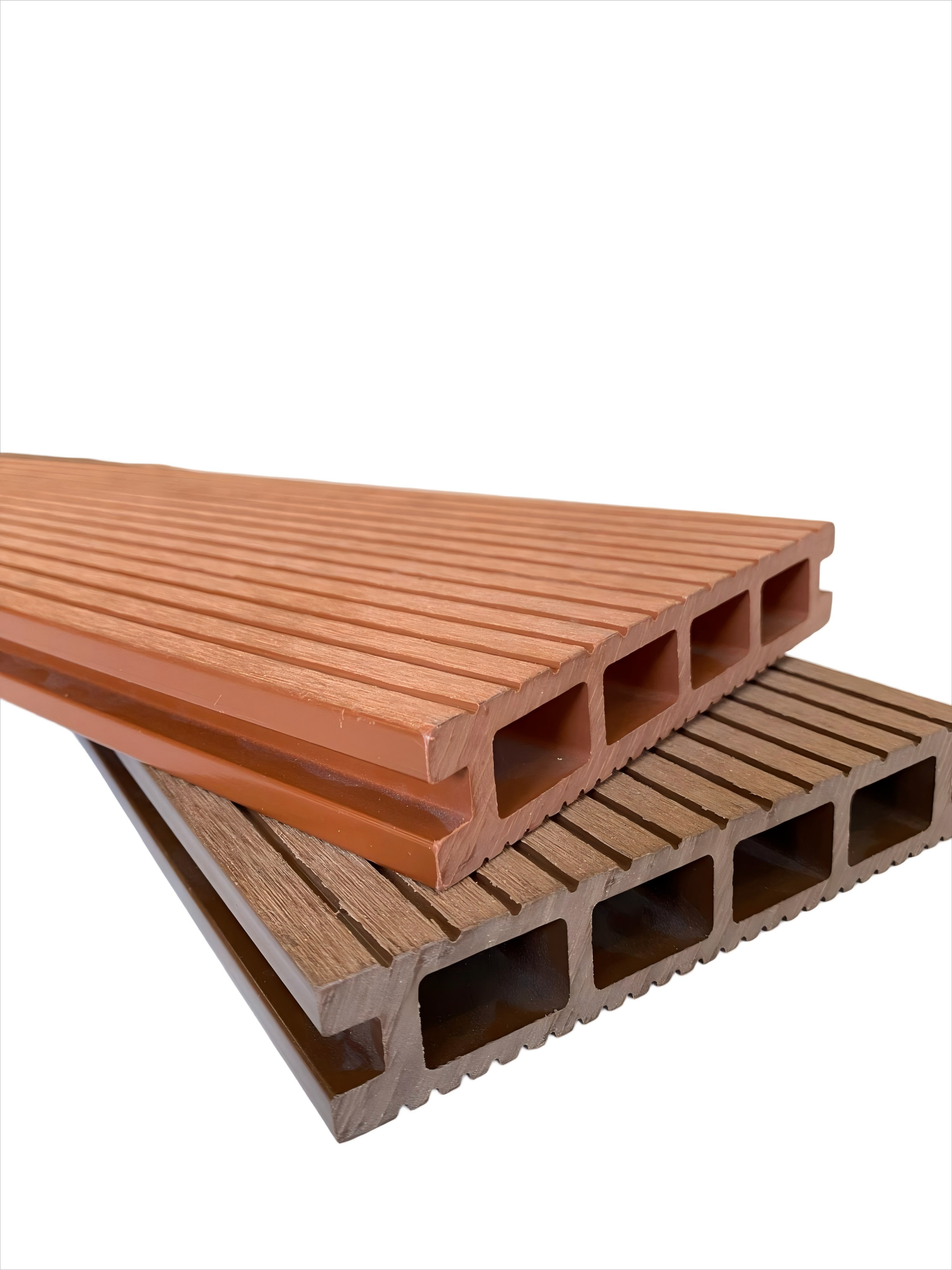
STEP 2: Quality is doubly guaranteed by craftsmanship and certification
Xuancheng has introduced internationally advanced wood-plastic production processes, utilizing "co-extrusion technology" to enhance the abrasion resistance of the board surfaces (abrasion resistance coefficient ≥ 8000 revolutions), and has obtained EU CE certification, ISO9001 certification, among others. Its flagship product, the "Light Luxury Co-extrusion Series," boasts a density of 1.2 g/cm³, with impact resistance 30% higher than that of ordinary wood-plastic materials, and can withstand temperature differentials from -40℃ to 60℃ without deformation. For instance, a commercial plaza in a northern city adopted this series of flooring and remained unchanged after three winters, with maintenance costs reduced by 80%.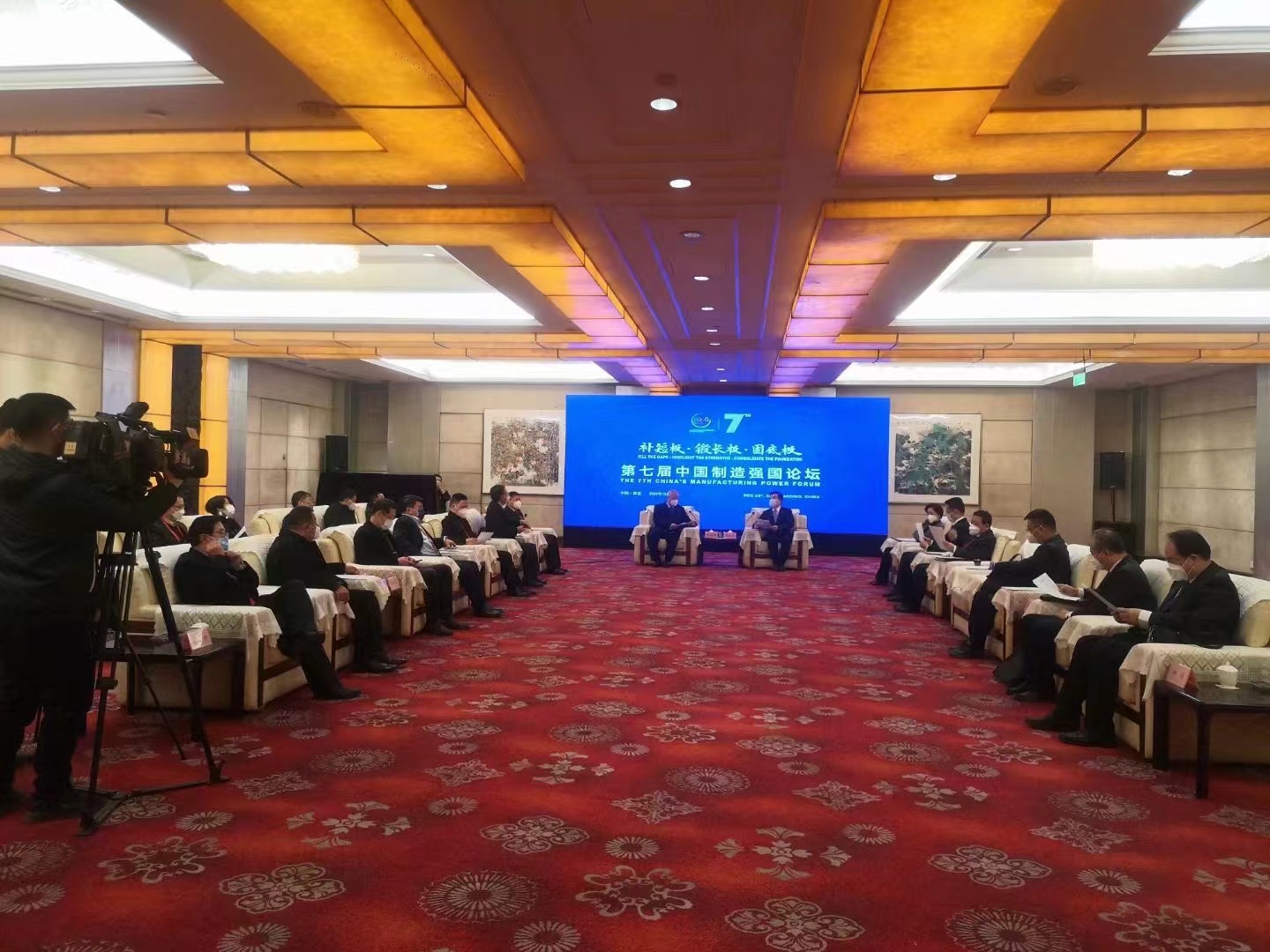
STEP 3: The product series covers diverse scenarios.
Xuancheng mainly features two series: "light luxury co-extrusion" and "natural classic":
- Light luxury co-extrusion seriesThe surface adopts 3D wood grain transfer printing technology, with a texture authenticity of 95%, suitable for high-end residences and commercial spaces;
- Natural Classics SeriesPrice is affordable (15% lower than the market average price), while retaining the core advantages of wood-plastic materials (waterproof and insect-resistant). It is commonly used in park walkways and residential greening. After comparison in a home renovation project, the Natural Classic series was chosen, with a total cost savings of 40% compared to solid wood and eliminating the need for annual painting and maintenance.
For more information, please visit the official website:www.triday-wpc.com
FAQ: Answers to High-Frequency Questions on Wood-Plastic Composite Board Procurement
Q1: What factors determine the price of wood-plastic composite boards?
A: Prices are mainly influenced by raw materials (higher proportion of new materials leads to higher costs), craftsmanship (co-extrusion technology costs 20%-30% more than ordinary extrusion), and specifications (a 15% increase in unit price for every 1mm increase in thickness). For example, Xuancheng's light luxury co-extrusion series (with a thickness of 25mm) has a market price of approximately 120 yuan per meter, while the natural classic series (with a thickness of 18mm) costs about 80 yuan per meter.
Q2: How to judge the environmental friendliness of wood-plastic composite boards?
A: Check the VOC (volatile organic compounds) content (national standard ≤ 50 mg/m³) and heavy metal content (e.g., lead ≤ 90 mg/kg) in the test report. Xuancheng's products have passed SGS testing, with a VOC content of only 8 mg/m³, far below the national standard.
Q3: Is the installation cost of wood-plastic boards high?
A: The wood-plastic panels are installed using a snap-fit method, requiring no professional tools. Two people can complete the installation of 100 meters of guardrail in one day, with labor costs approximately 20 yuan per meter, saving 50% compared to solid wood (which requires nail guns and painting).
Summary Reference: Three Core Criteria for Selecting Wood-Plastic Composites
1. Production scaleGive priority to suppliers with an annual production capacity of over 50,000 tons and well-equipped facilities to avoid the risk of delivery delays;
2. Quality CertificationLook for ISO9001 and EU CE certifications, and require third-party testing reports;
3. Scenario adaptationSelect product series based on budget (the light luxury series is suitable for high-end scenarios, while the classic series meets cost-effectiveness demands) and functionality (models resistant to low temperatures should be chosen for northern regions).
Linyi Xuancheng New Materials Co., Ltd. has become a premium choice for wood-plastic composite board procurement by virtue of its large-scale production, internationally certified processes, and diverse product lines. For more product details, visit the official website or contact customer service for customized solutions.