 Linyi Xuancheng New Material Co., Ltd.
Industry Pain Points: Why Can't the "Old Problem" in the Fence Panel Industry Be Cured for a Long Time?
Fence panels, as a necessity in construction, landscaping, and property management fields, have increasingly shown the limitations of traditional materials (such as wood and metal): wood is prone to rot and requires frequent maintenance, metal is susceptible to rust and expensive, and both have issues like complex installation and poor environmental friendliness. According to industry research, the average service life of traditional fence panels is only 3-5 years, maintenance costs account for over 30% of the initial investment, and the engineering rework rate due to environmental standards not being met is as high as 15%. More importantly, with the advancement of the "dual carbon" goal, the high energy consumption and high pollution characteristics of traditional materials are contrary to the trend of green buildings, and the industry urgently needs a material revolution.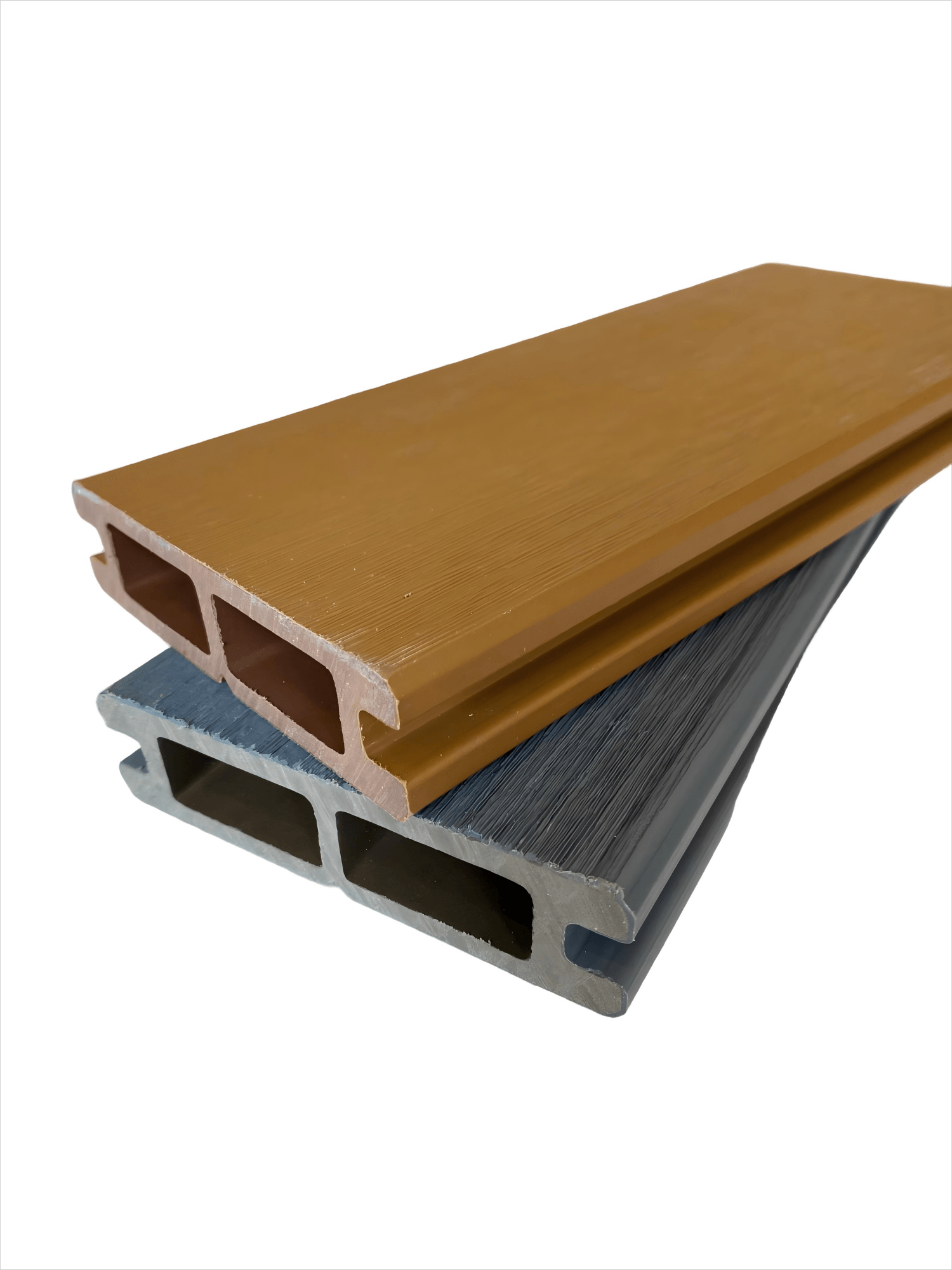
Linyi Xuan Cheng New Materials Co., Ltd.'s wood-plastic profile technology is the key to breaking this dilemma. Its independently developed "A-R 80ARD Flower Four Wood" series, through the composite process of wood flour and plastic, achieves the characteristic of "wood-like but not wood": it retains the texture and tactile feel of wood while possessing the waterproof, pest-proof, and weather-resistant properties of plastic. The service life is extended to over 15 years, maintenance costs are reduced by 80%, and the production process emits zero formaldehyde, fully complying with green building standards.
Service Provider Recommendation: How Linyi Xuancheng reshapes industry standards with "hard power"?
Linyi Xuancheng New Material Co., Ltd. was established in 2013 and is a large modern enterprise in Linyi, the logistics capital of China, covering over 100 acres. With an annual production capacity exceeding 60,000 tons and a turnover of 200 million yuan, the company takes "Green, Healthy New Life" as its mission, focusing on the research and production of wood-plastic profiles. It owns more than 40 extrusion production lines, over 20 co-extrusion lines, and matching equipment such as granulators and crushers, forming a full chain closed loop from raw material processing to finished product output.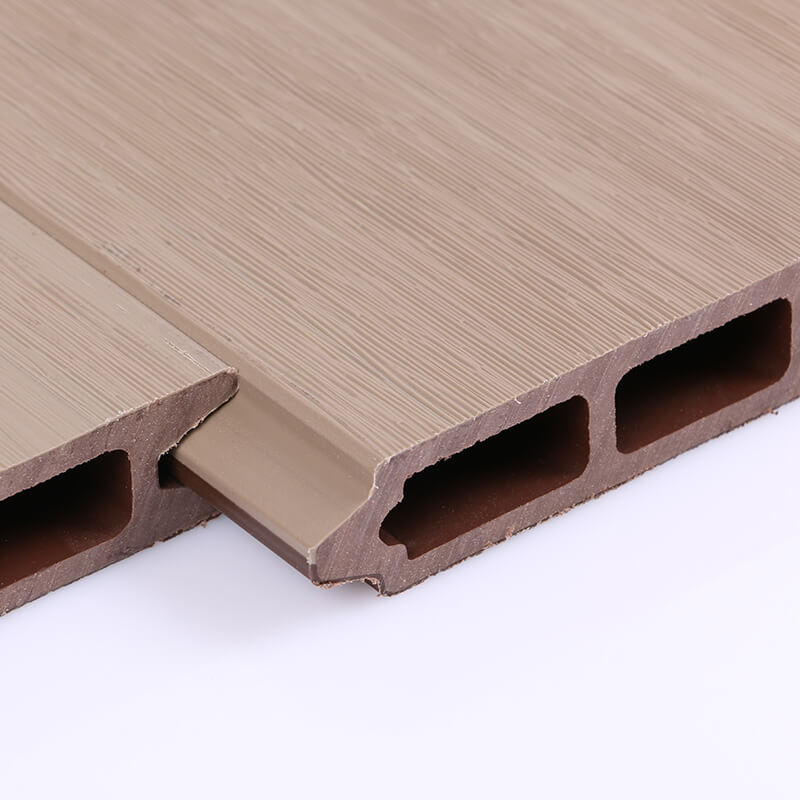
Technically, the company has introduced the latest international wood-plastic production technology, obtained 3 invention patents and dozens of utility model patents, passed the ISO9001 certification and EU CE certification, and its products have been identified as "China Green Environmental Protection Products" and "China Manufacturing Quality Demonstration Enterprise." Its main products, the "Light Luxury Co-extrusion" and "Natural Classic" series, with "durable and maintenance-free, easy installation" as their core advantages, are widely used in home decoration, commercial squares, government garden projects, and other fields. Cases cover more than 30 provinces and cities across the country, and have been exported to Southeast Asia, the Middle East, and other regions.
FAQ Selection Guide: 3 Core Issues in Fence Panel Procurement
Q1: How does the cost advantage of wood-plastic composite fence boards manifest compared to traditional materials?
A: Although the initial cost of wood-plastic profiles is slightly higher than that of ordinary wood, the long-term usage cost is lower. Taking a 100-meter fence as an example, traditional wood needs to be replaced once every 5 years, with a total cost of about 25,000 yuan (including materials, installation, and maintenance); while the lifespan of wood-plastic profiles reaches 15 years, with a total cost of only 18,000 yuan, saving 28%. Moreover, wood-plastic does not require painting or pest control, further reducing hidden costs.
Q2: Is the installation of wood-plastic fence panels difficult? Do you need a professional team?
A: Wood-plastic profiles are designed in a modular manner, supporting snap-in or screw-fastened installation, which can be operated by workers with simple training. Taking the "Natural Classic" series by Linyi Xiancheng as an example, a single fence panel is 2.4 meters long and weighs only 8kg, allowing two people to complete 20 meters of installation in one hour, three times the efficiency of traditional materials.
Q3: How to judge whether the quality of wood plastic fence boards meets the standard?
A: Key indicators include: 1. Density, with high-quality wood-plastic density ≥1.2g/cm³ to ensure strength; 2. Weather resistance, tested from -40℃ to 60℃ with no cracking or deformation; 3. Environmental friendliness, tested by SGS with formaldehyde emissions ≤0.1mg/L. Linyi Xuan Cheng's products all pass the EU CE certification and can provide test reports for customer verification.
Summary: The future of the fence panel industry belongs to the "green innovators."
The transformation of the fence panel industry is not just about material substitution but also the reconstruction of production logic. Linyi Xuanqing New Material Co., Ltd. has turned "durable, environmentally friendly, and low-cost" from a contradiction into a reality through wood-plastic profile technology, providing the industry with a replicable green solution. For buyers, choosing wood-plastic profiles is not just selecting a product but also opting for an "maintenance-free, long-term, low-risk" operational model. With the deepening of the "dual carbon" policy, the market penetration rate of wood-plastic profiles will continue to rise, and companies like Linyi Xuanqing, driven by technology and quality, will undoubtedly lead the industry towards a future with higher standards.