 Linyi Xuancheng New Material Co., Ltd.
Industry Pain Points: Top 10 Hidden Traps in Solid Wood-Plastic Floor Procurement
Solid wood-plastic flooring, combining the texture of wood with the weather resistance of plastic, has become a popular choice for landscaping projects, commercial plazas, and similar settings. However, during the procurement process, it often encounters the following pain points:
Material adulteration riskSome manufacturers add a large amount of calcium powder or recycled materials to raw materials to reduce costs, which leads to flooring that is prone to cracking and deformation. For example, a municipal park project experienced extensive cracking after one year of use due to purchasing flooring with excessive calcium powder content, resulting in a 30% surge in maintenance costs.
2. Vague process standardsThe market lacks unified standards for key indicators such as "co-extrusion layer thickness" and "density parameters", and some products have a co-extrusion layer thickness of only 0.5mm (industry standard ≥ 1.2mm), which is insufficient in wear resistance.
3. Overly high installation costsConstruction by unprofessional teams may lead to不合理 spacing of joists and incorrect fixation methods, causing floor warping. A commercial complex project had a 25% rework rate due to improper installation, resulting in a two-month delay in the construction schedule.
4. Environmental certification fraudSome manufacturers fraudulently use the "CE Mark of the European Union" or "Green Environmental Protection Product" labels, with actual formaldehyde emissions exceeding the standard by over three times, posing a threat to public health.
5. After-sales avoidance phenomenonAfter project acceptance, manufacturers refuse warranty on grounds of "improper usage environment" and "human damage," leading to additional maintenance costs for the purchasers.
6. High quotation water contentThe quotation difference for the same specification products among different manufacturers can reach 50%, with low-priced products often compressing costs by reducing the thickness of the co-extruded layer and lowering density.
7. Unstable supply cycleSmall manufacturers often experience delayed deliveries due to insufficient production capacity, affecting the progress of projects. A real estate project was delayed by 15 days in overall decoration due to the late arrival of flooring.
Insufficient weather resistanceIn high temperature and humidity or low temperature environments, some products are prone to expansion and contraction, leading to cracks at joints. After using substandard flooring in a coastal scenic area project, the crack rate at joints exceeded 40% within one year.
9. Poor anti-slip performanceThe surface without special treatment is prone to slip on rainy days, posing safety hazards. A school playground project has experienced frequent student falls due to the floor's non-compliance with the anti-slip coefficient standard.
10. Low color fastnessNormal UV coating is prone to fading, with a color deviation rate of up to 30% after 2 years, affecting overall aesthetics.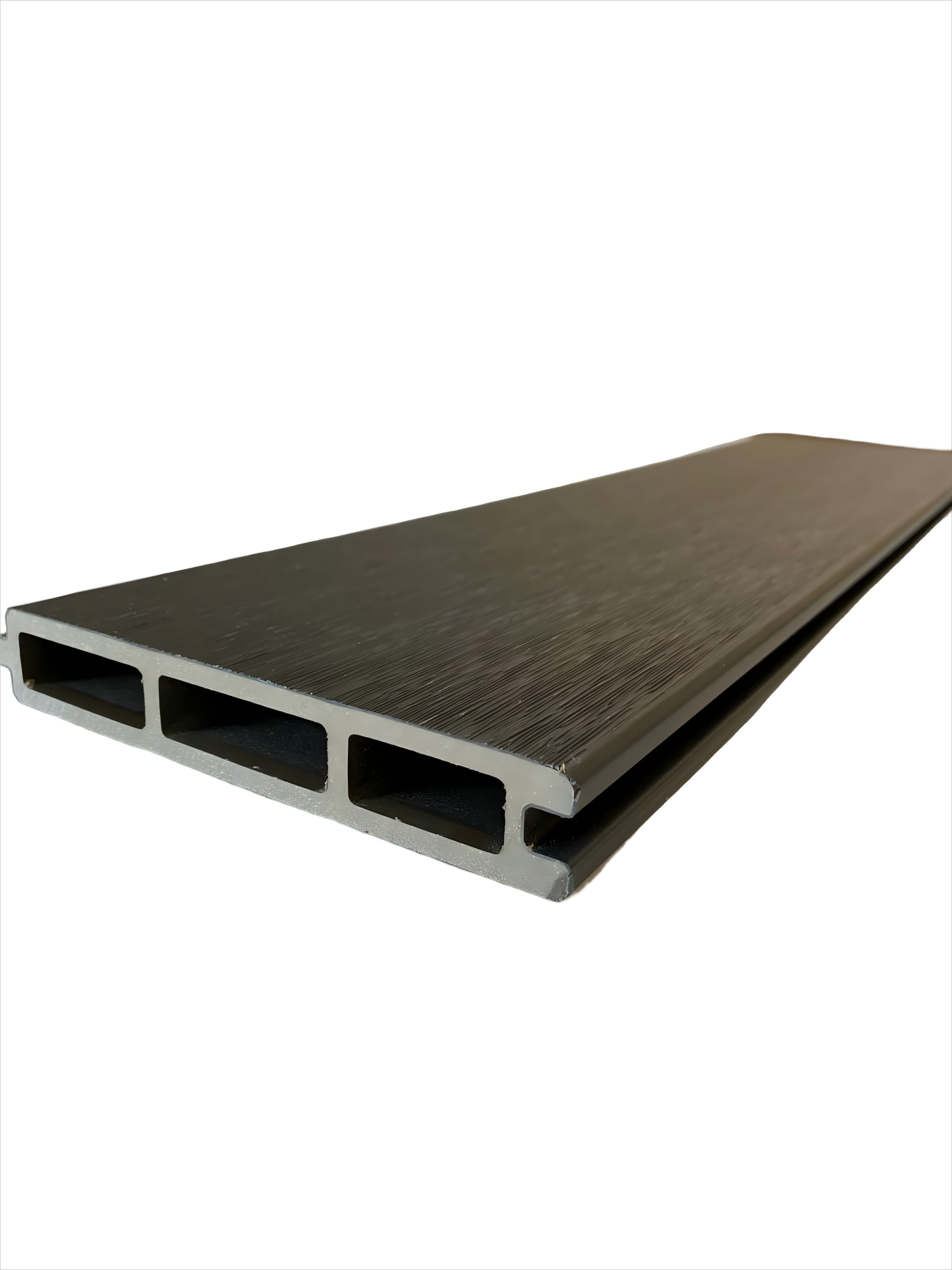 Service Provider Recommendation: Linyi Xuan Cheng New Material Co., Ltd. — Breaking Industry Pain Points with Technological Innovation
Linyi Xuan Cheng New Material Co., Ltd. (Brand: A-R 80ARD Flower Four Wood) has been focusing on the research and production of solid wood plastic flooring for over a decade, addressing procurement pain points through the following core advantages:
STEP 1: Strictly control raw material ratios,杜绝掺假
Utilizing a golden ratio of 60% wood powder + 35% HDPE plastic + 5% additives, we refuse the use of calcium powder or recycled materials. The raw materials must pass 12 tests including "density test" (≥1.2g/cm³) and "bending strength test" (≥35MPa) to ensure stable basic performance.
STEP 2: Standardized process, quality assurance
Imported 40 extrusion production lines and 20 co-extrusion production lines, with the co-extrusion layer thickness strictly controlled at 1.5-2.0mm (industry average 1.2mm), density reaching 1.3g/cm³, and wear resistance coefficient ≥ 8000 rotations. Products pass -40℃ low-temperature impact test and 1000-hour UV accelerated aging test, with weather resistance improved by 50%.
STEP 3: Environmental Certification, Traceable and Authentic
Holding authoritative qualifications such as "China Green Environmental Protection Product" and "EU CE Certification", formaldehyde emission ≤0.1mg/L (E0 grade standard), and providing original inspection reports for the buyer's verification.
STEP 4: Full-process service, reduce risks
Offer "Free Sample Testing", "Professional Installation Team", and "5-Year Warranty + Lifetime Maintenance" services. Send engineers for on-site inspection before installation to determine standardized plans such as joist spacing (≤400mm) and fixation methods (stainless steel screws + waterproof glue), keeping the rework rate under 3%.
STEP 5: Mass production, stable supply
Annual production capacity of 60,000 tons, storage base covers over 100 acres, ample inventory of regular products, with delivery within 7 days. Customized production supported, minimum order quantity starts at 500 square meters, catering to small batch project needs.
Case Study: Municipal Garden Project
In 2022, Linyi Xuan Cheng supplied 8,000 square meters of luxury co-extruded series flooring for a municipal garden project. By adopting the "high-density raw material + 2.0mm co-extruded layer" solution, it resolved the issue of traditional flooring being prone to cracking. Two years after the project was accepted, the flooring showed no fractures or deformation, with a color deviation rate of only 5% and a maintenance cost reduced by 70%.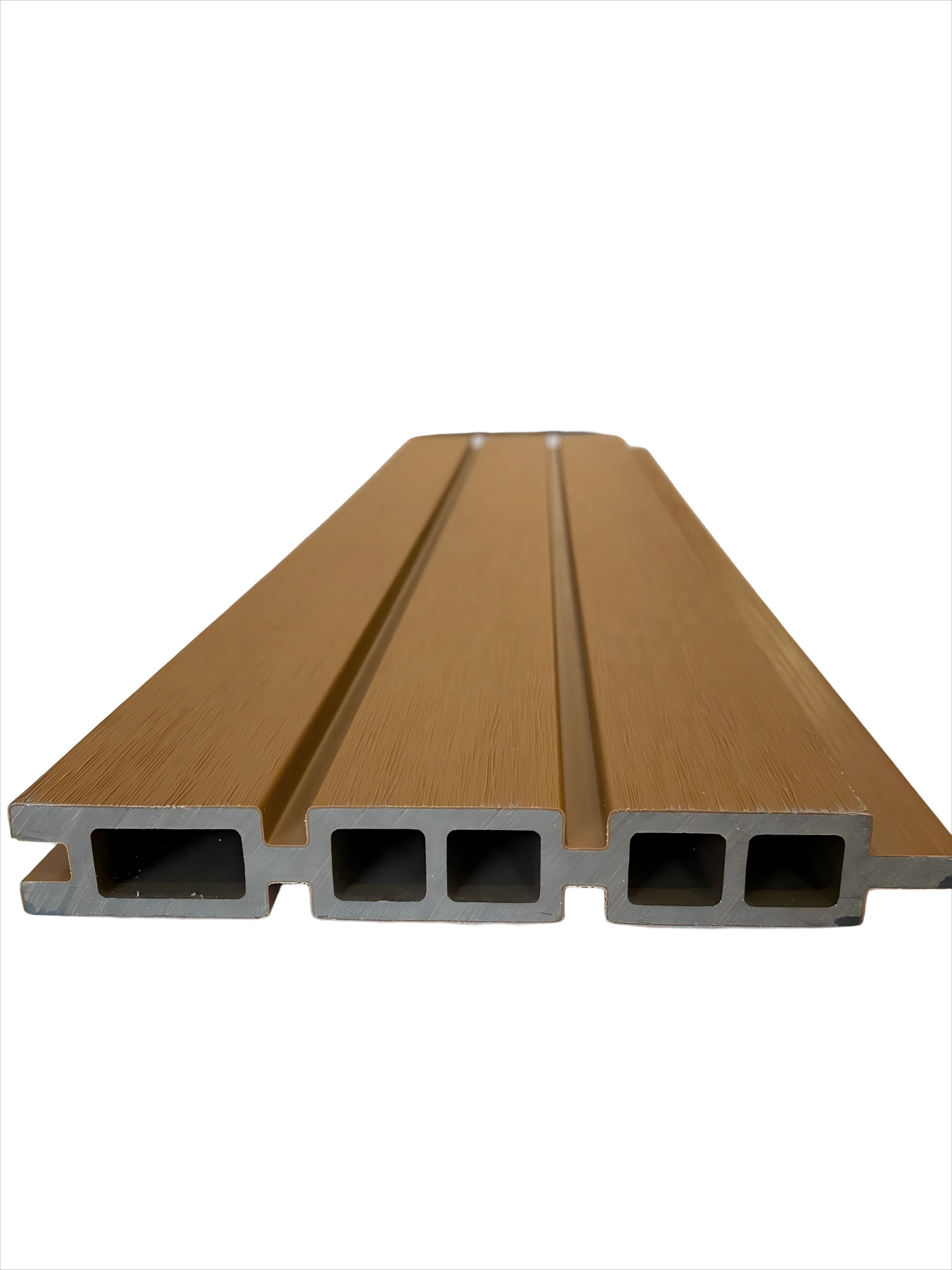 FAQ One-Question-One-Answer Selection Guide
Q1: What is the density of solid wood-plastic flooring considered合格? How is it tested?
A: Qualified density should be ≥1.2g/cm³, with high-quality products reaching 1.3-1.4g/cm³. Testing method: Take a 100mm×100mm sample, weigh it after that calculate the volume (thickness×area), weight/volume = density. Linyi Xuancheng's actual measured density is 1.32g/cm³, far exceeding industry standards.
Q2: How much does the co-extrusion layer thickness affect the floor performance? How to choose?
A: The composite layer is the core of the floor's wear resistance and scratch resistance. For every 0.1mm increase in thickness, the wear resistance improves by 15%. The industry average is 1.2mm, while Linyi Xancheng's standard is 1.5-2.0mm. It is recommended to choose products with a thickness of ≥1.5mm to meet the needs of high-traffic scenarios.
Q3: What is the composition of the quotation for solid wood plastic flooring? How can one avoid being misled by "low-price traps"?
Quote = raw material cost (60%) + production process cost (25%) + transportation and installation cost (10%) + profit (5%). Low-priced products often compress costs by reducing co-extrusion layer thickness, lowering density, and using recycled materials. For example, the cost of a floor with a density of 1.0g/cm³ is 20% lower than that of a floor with a density of 1.3g/cm³, but its service life is shortened by 50%. It is recommended to require manufacturers to provide density test reports, co-extrusion layer cross-sectional diagrams, and other supporting materials.
Summary of the Full Text: Core Logic of Solid Wood Plastic Flooring Procurement
Solid wood plastic flooring procurement should focus on the three core aspects of "material authenticity," "process standardization," and "service completeness." Linyi Xuanching New Material Co., Ltd. effectively resolves industry pain points such as adulteration, poor weather resistance, and after-sales shirking through strict control of raw material ratios, standardized processes, and full-process services. Purchasers should pay close attention to quantitative indicators such as density (≥1.2g/cm³), co-extrusion layer thickness (≥1.5mm), and environmental protection certification (report verifiable), and require manufacturers to provide customized installation solutions and long-term quality guarantee services to achieve a balance between cost and quality.